Engagement
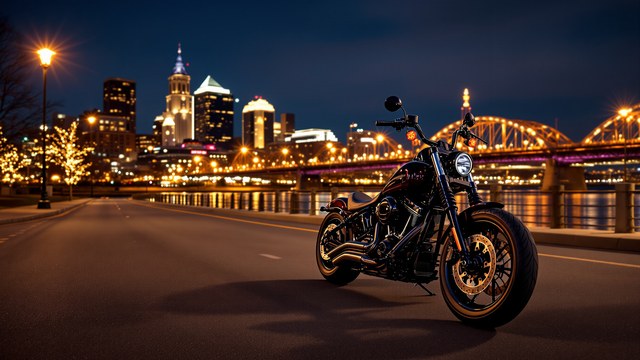
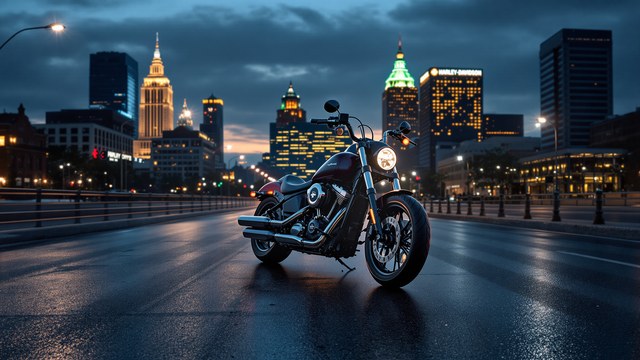
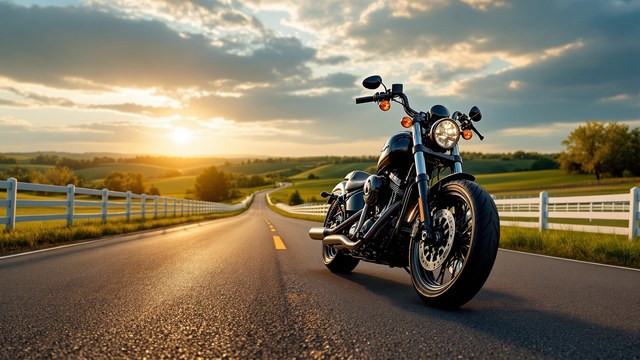
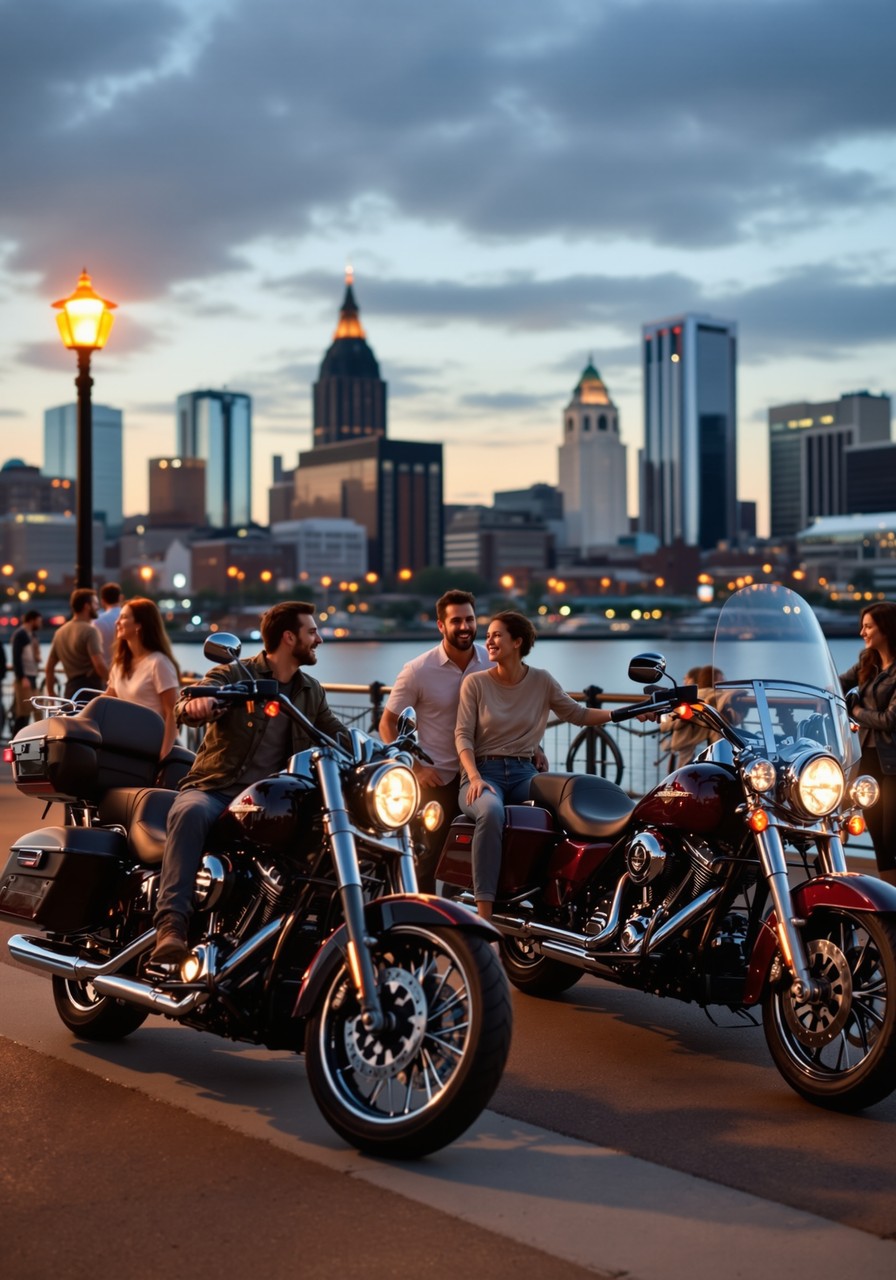
This or that: a River Road cruise along the Ohio or a bourbon-country backroad run. Pick one and tell us why. #RideNationKY #BourbonCountry #LouisvilleRiders
Giveaway & Countdown
The BikersWin $20,000 motorcycle giveaway is officially rolling, Louisville. Every rider who talks to us about a crash gets entered free, no strings. Call Karl Truman Law at (502) 222-2222 to ask how. #RideNationKY #BikersWin #20kGiveaway
Local KY & Rides
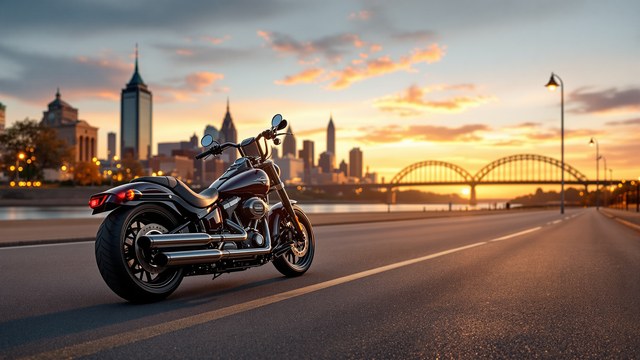
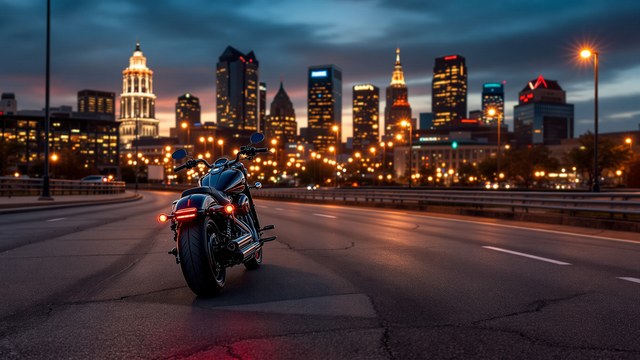
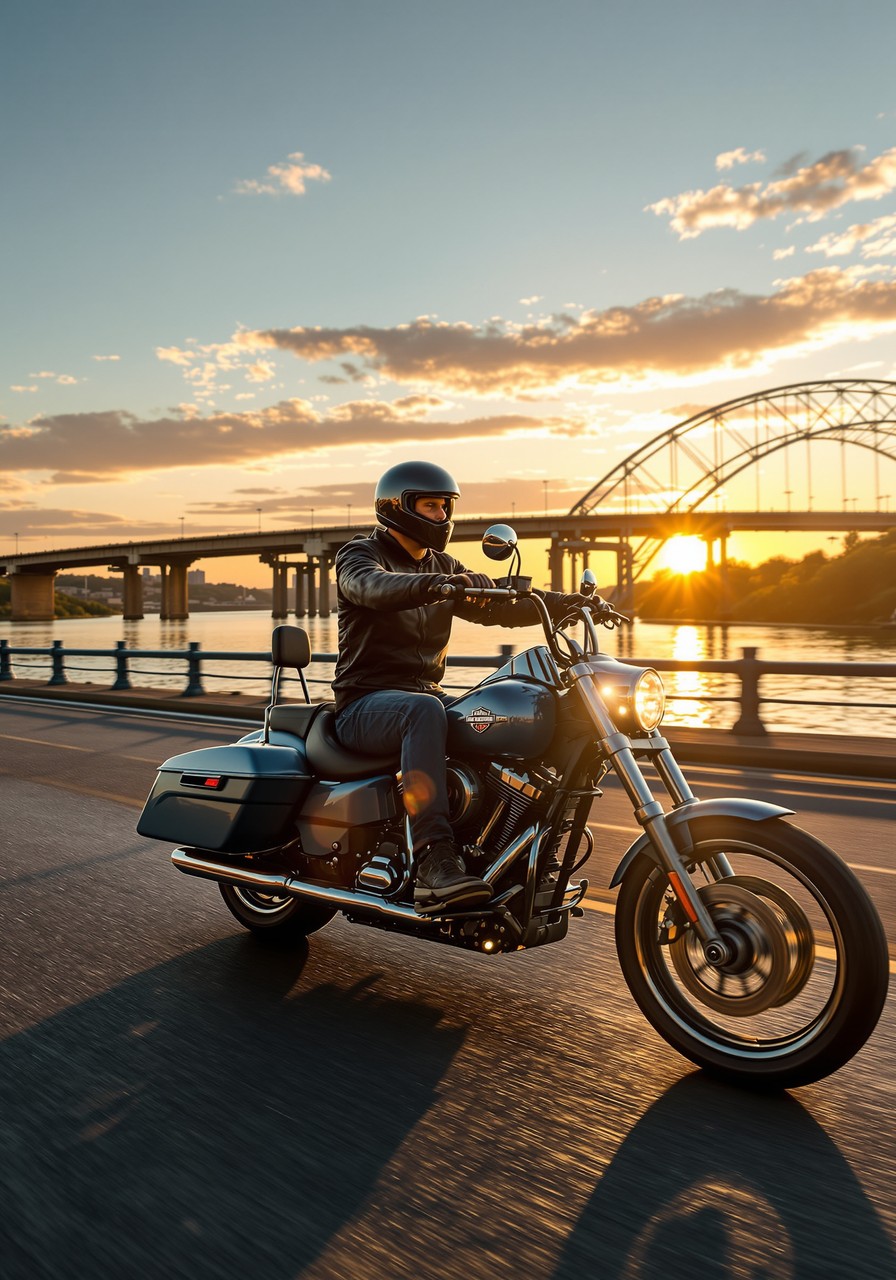
River Road along the Ohio is the easy warm-up we all keep coming back to. Flat, fast, and the water on your right the whole way. #RideNationKY #LouisvilleRiders #OhioRiver
Gear & New Iron
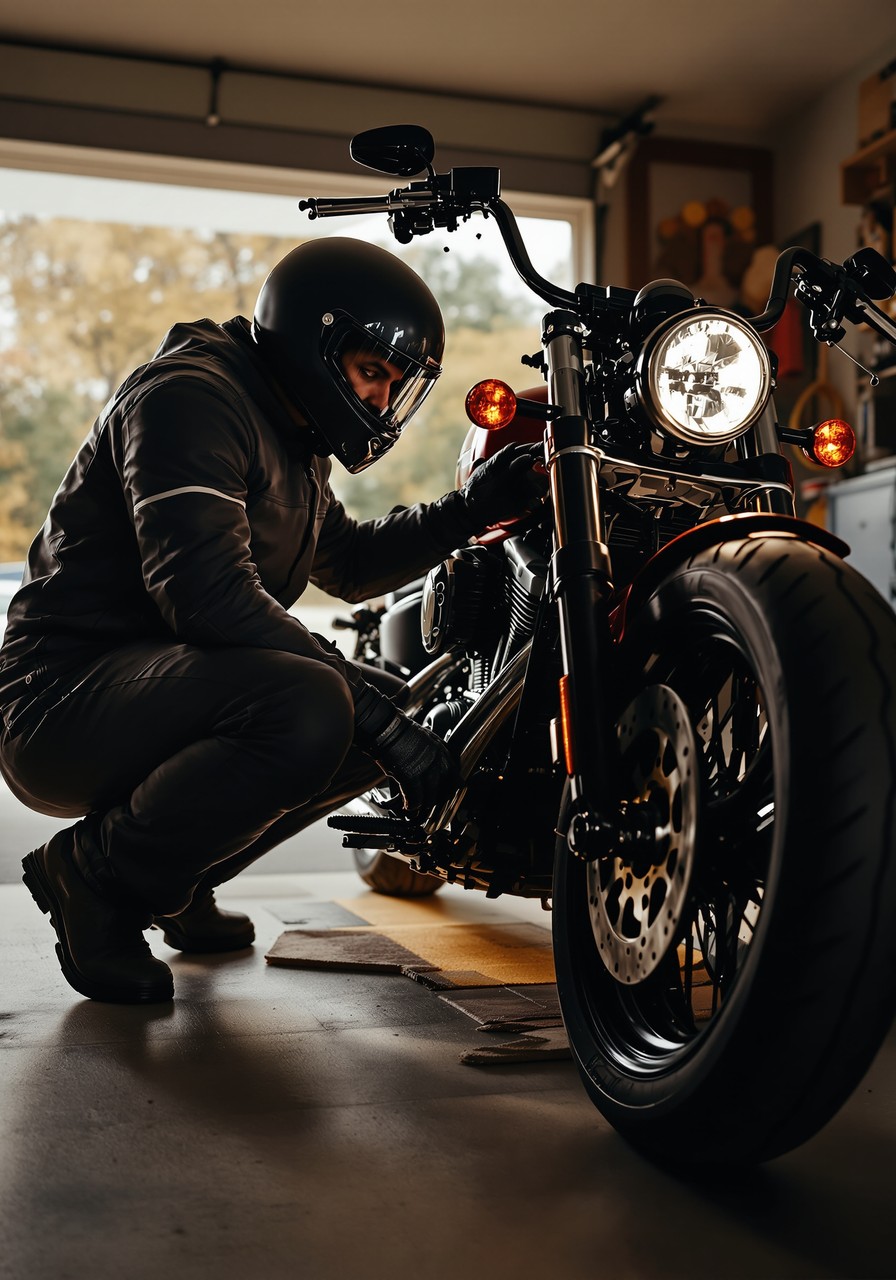
Kentucky helmet reality: required under 21, on a permit, or your first year licensed. Smart for every rider on I-64 traffic. Check the DOT sticker and replace it if it ever hit the ground. #RideNationKY #GearUp #ATGATT
Safety & KY Law
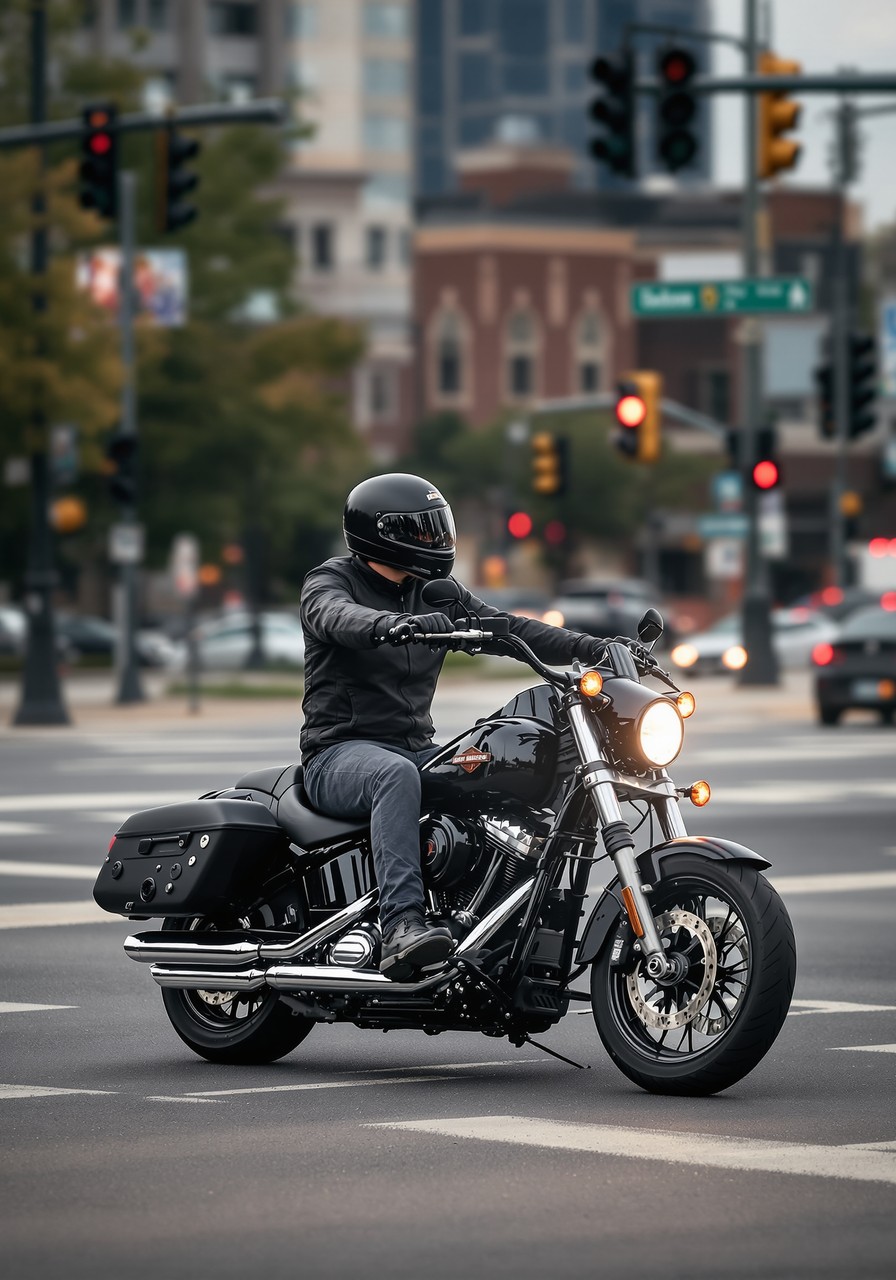
Kentucky riders, listen up: no-fault BRB does not cover you on a bike here. Your UM/UIM is the backstop most riders forget to check. Call Karl Truman Law at (502) 222-2222. #RideNationKY #RiderRights #KentuckyRiders
Engagement
Tag your ride-or-die, the one who never lets you roll out solo. #RideNationKY #RideOrDie #Kentuckiana
Giveaway & Countdown
Want in on the $20,000 giveaway? A free case review with our team enters you, simple as that. Ring (502) 222-2222 and we will walk you through it. #RideNationKY #MotorcycleGiveaway #LouisvilleRiders
Local KY & Rides
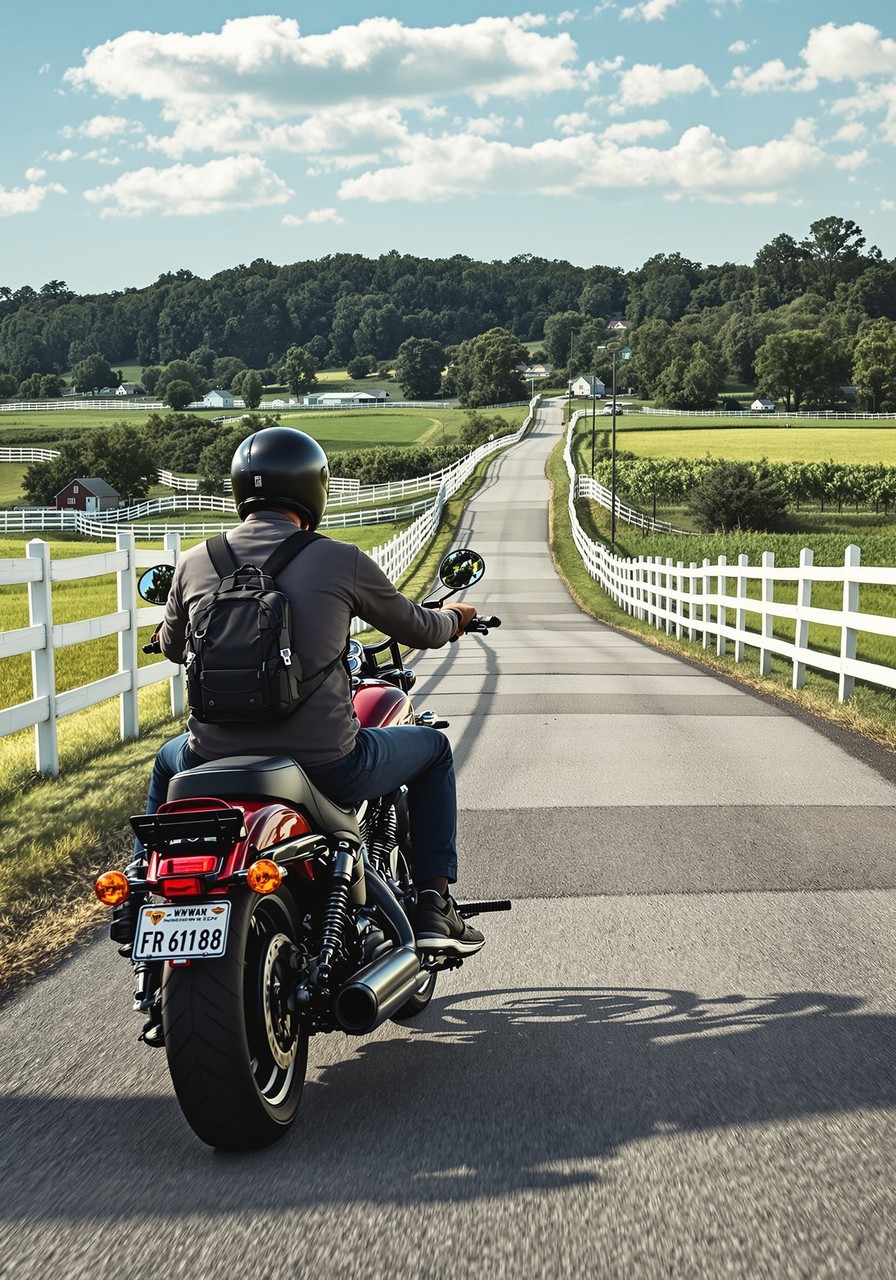
Cherokee Park and the Scenic Loop when the leaves turn. Tight, shaded, and worth a slow lap before the cold sets in. #RideNationKY #LouisvilleRiders #MotorcycleRoads
Gear & New Iron
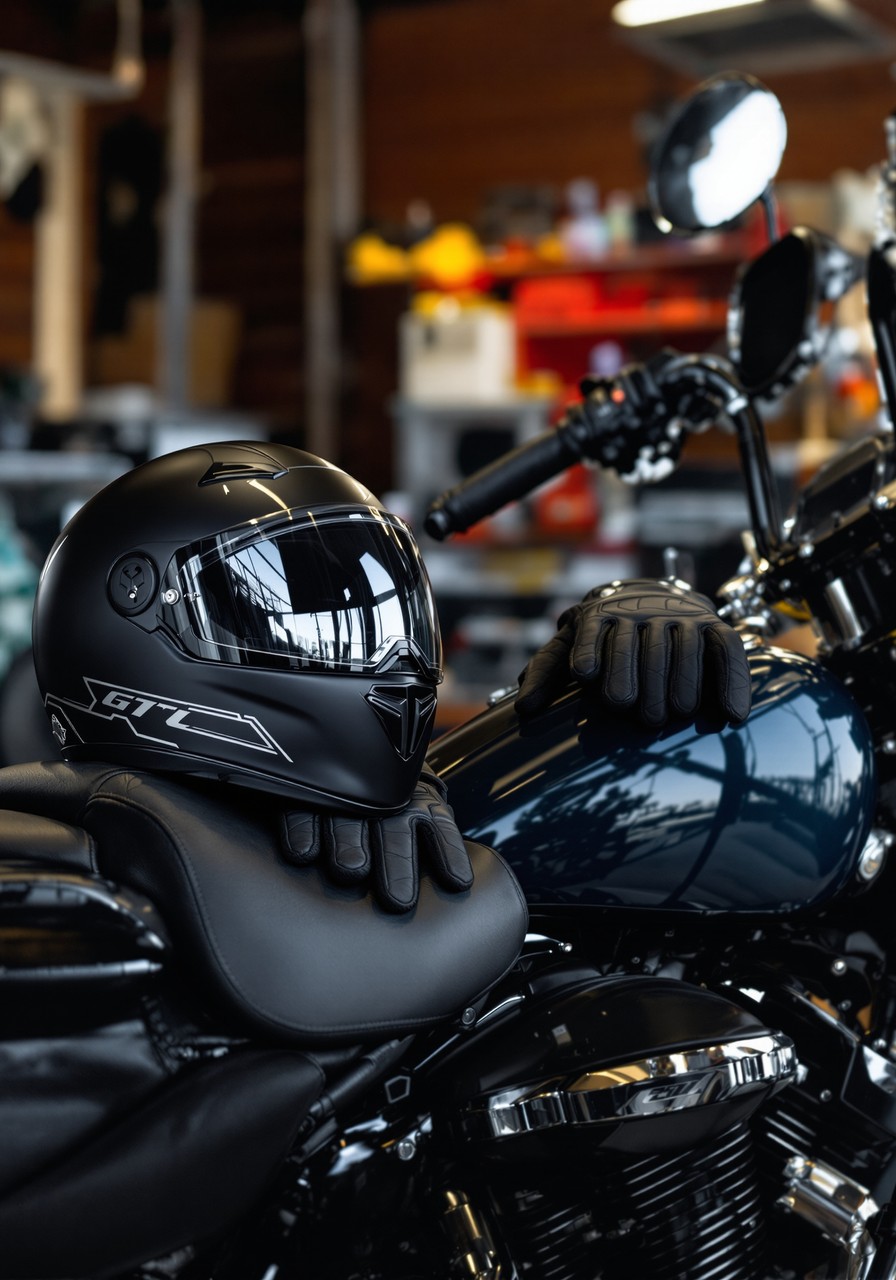
Dropped your lid in the garage? Replace it. The foam that saves your skull crushes once, and you cannot see the damage from the outside. #RideNationKY #GearUp #RiderTips
Safety & KY Law
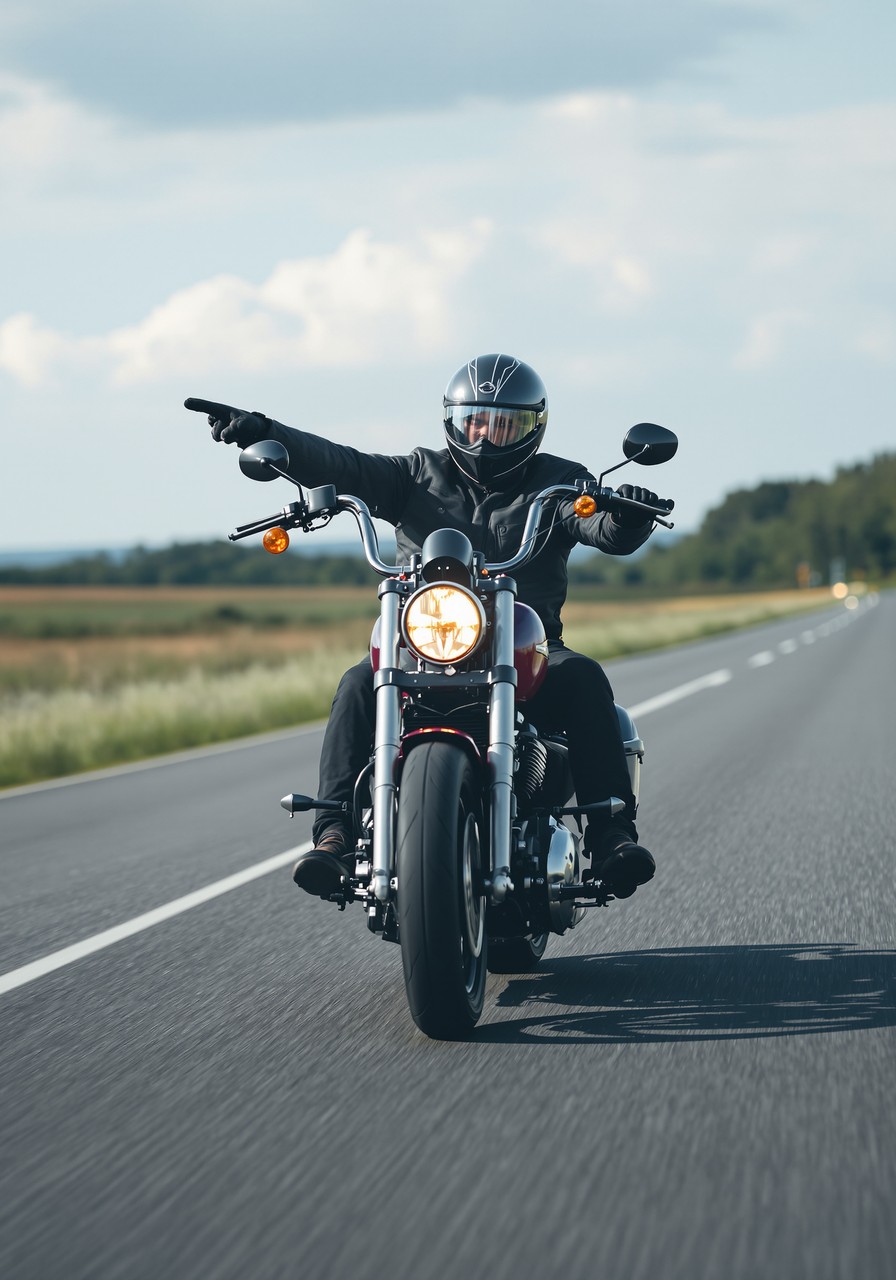
Hit by a driver with no insurance in Louisville? Your uninsured motorist coverage is what protects you, not the state. Not sure what you carry? Call (502) 222-2222. #RideNationKY #KnowYourRights #LouisvilleRiders
Engagement
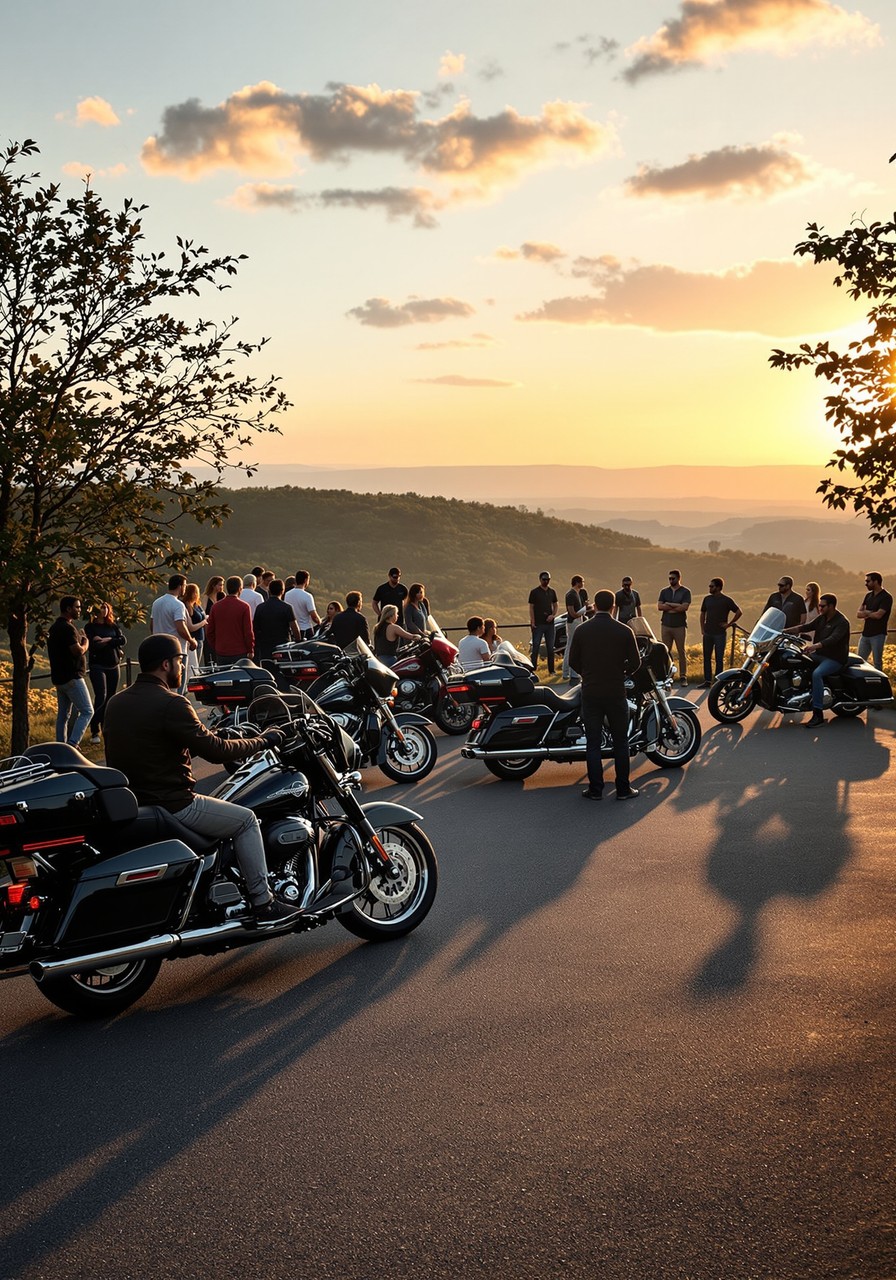
Fill in the blank: winter in Kentucky means my bike is ______. #RideNationKY #LouisvilleRiders #TwoWheels
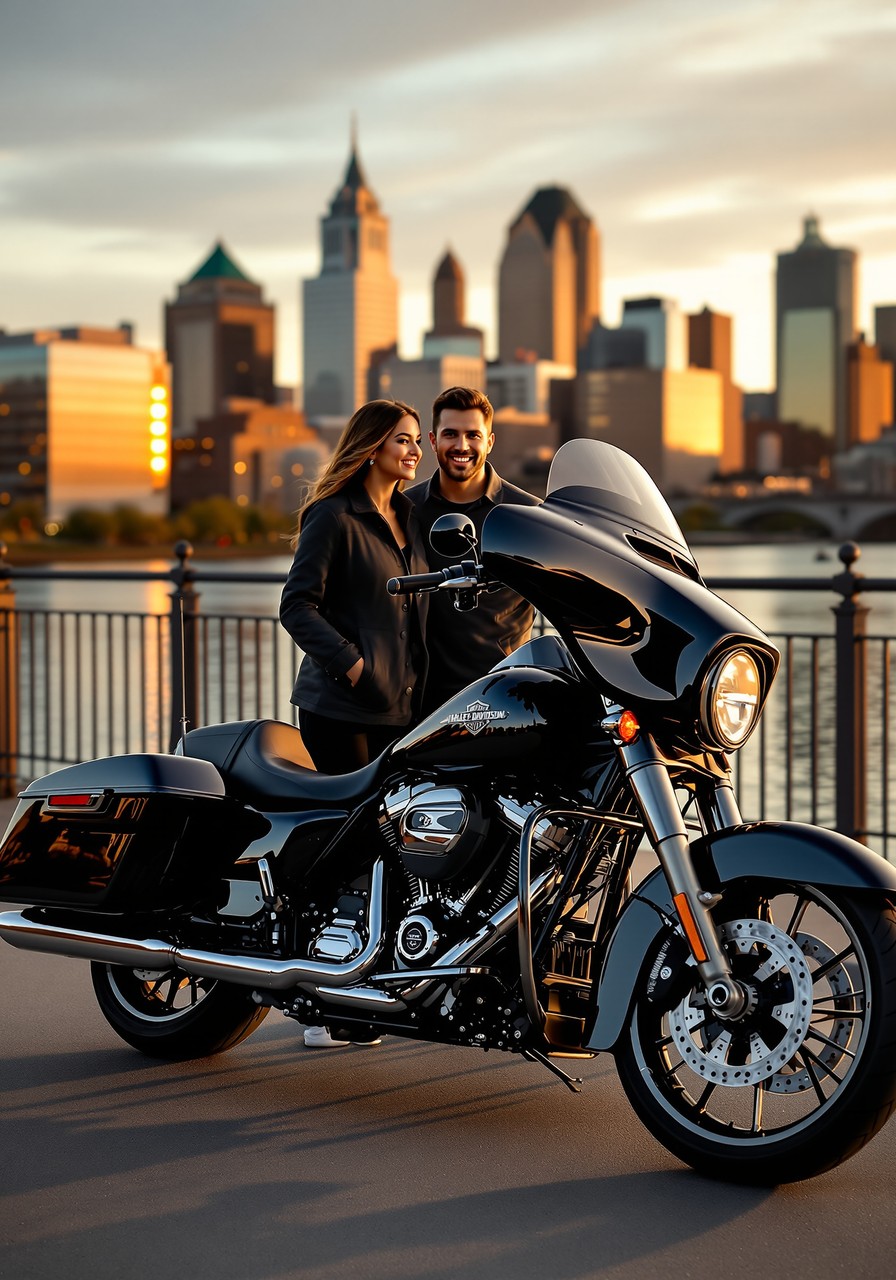
Giveaway & Countdown
Countdown is on, Kentuckiana. Twenty thousand reasons to tag a riding buddy and get them in on it. #RideNationKY #MotorcycleGiveaway #Kentuckiana
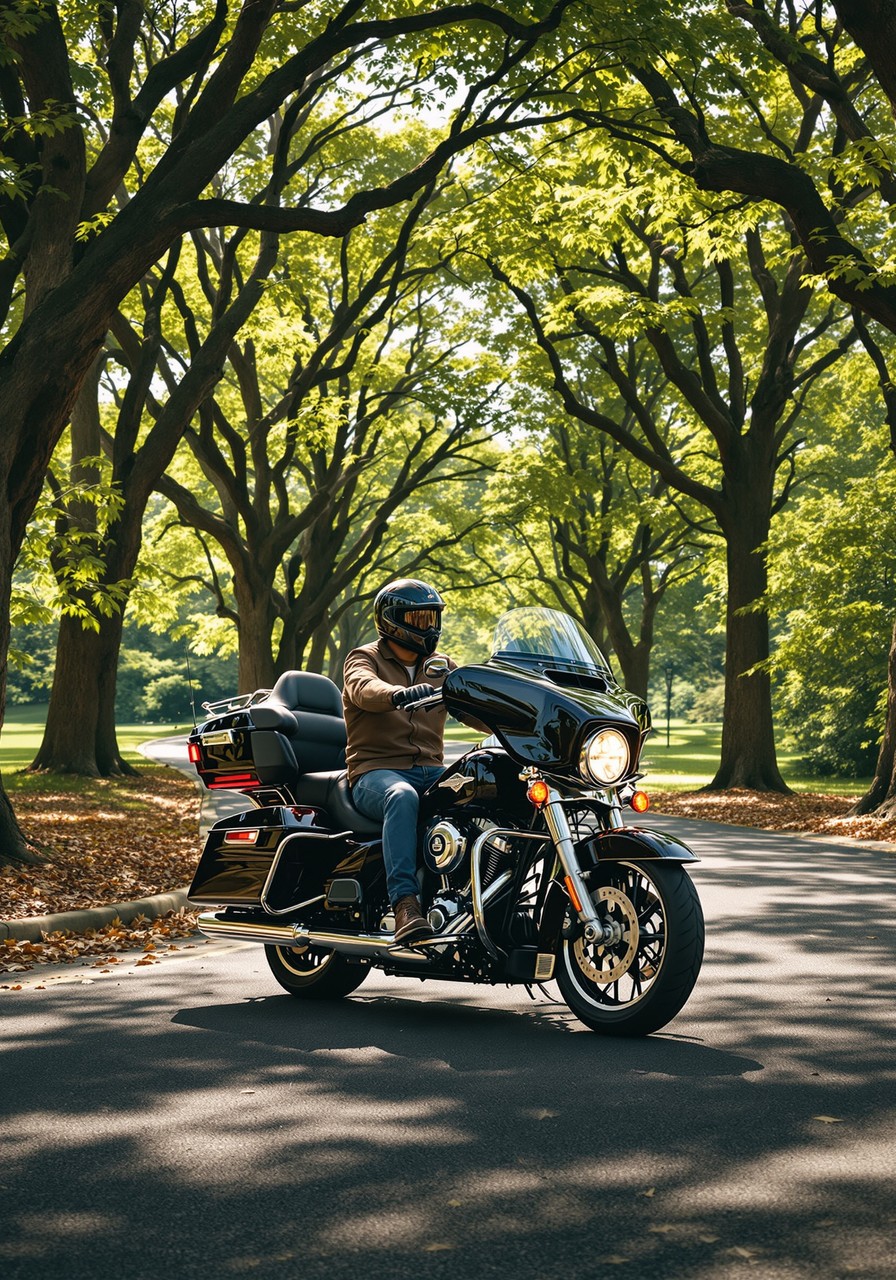
Local KY & Rides
Bardstown Road on a warm evening, coffee stop, bikes lined up, everybody talking shop. That is Derby City summer. #RideNationKY #DerbyCity #LouisvilleRiders
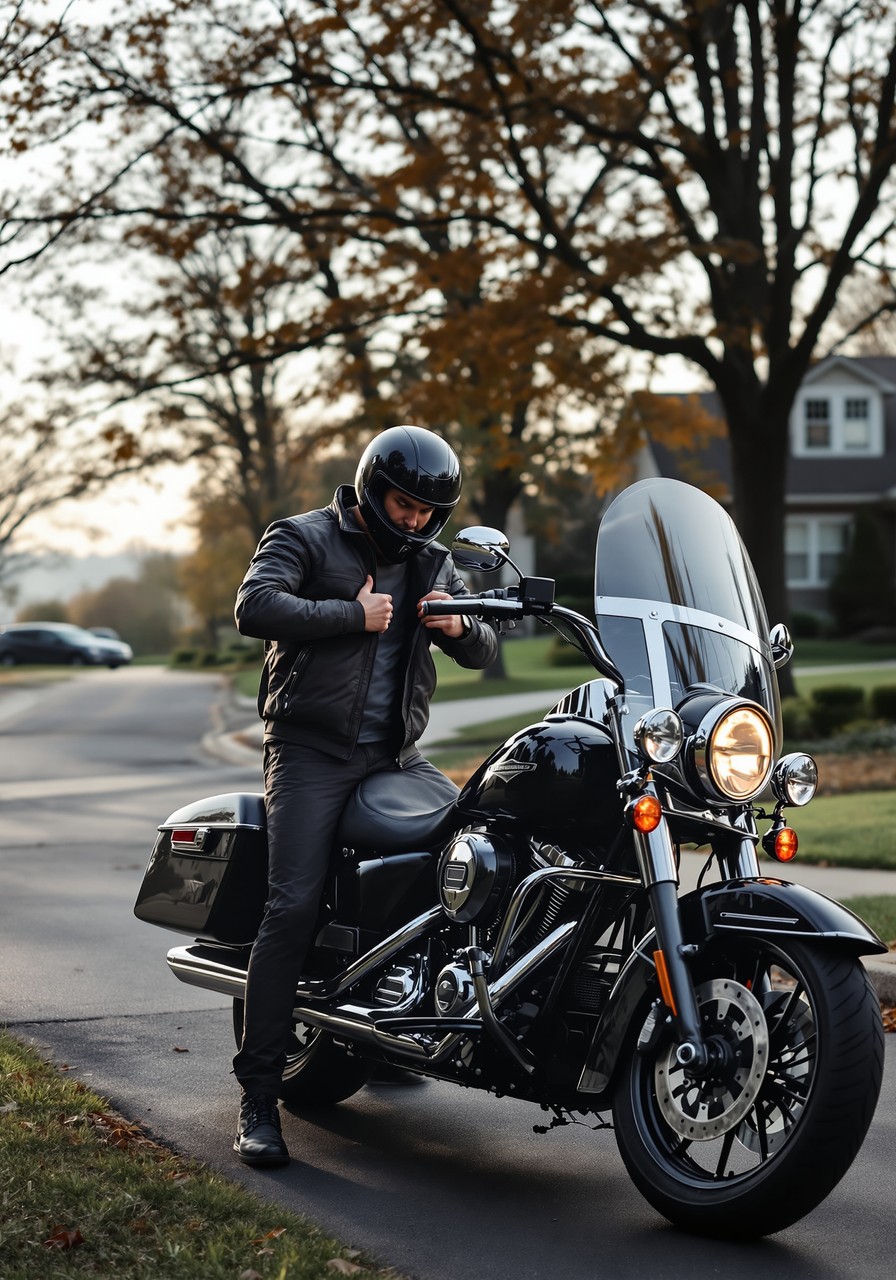
Gear & New Iron
Five-year rule on helmets is real. Sweat, sun, and time break down the liner even if the shell looks new. Check the date sticker inside. #RideNationKY #GearUp #RiderTips
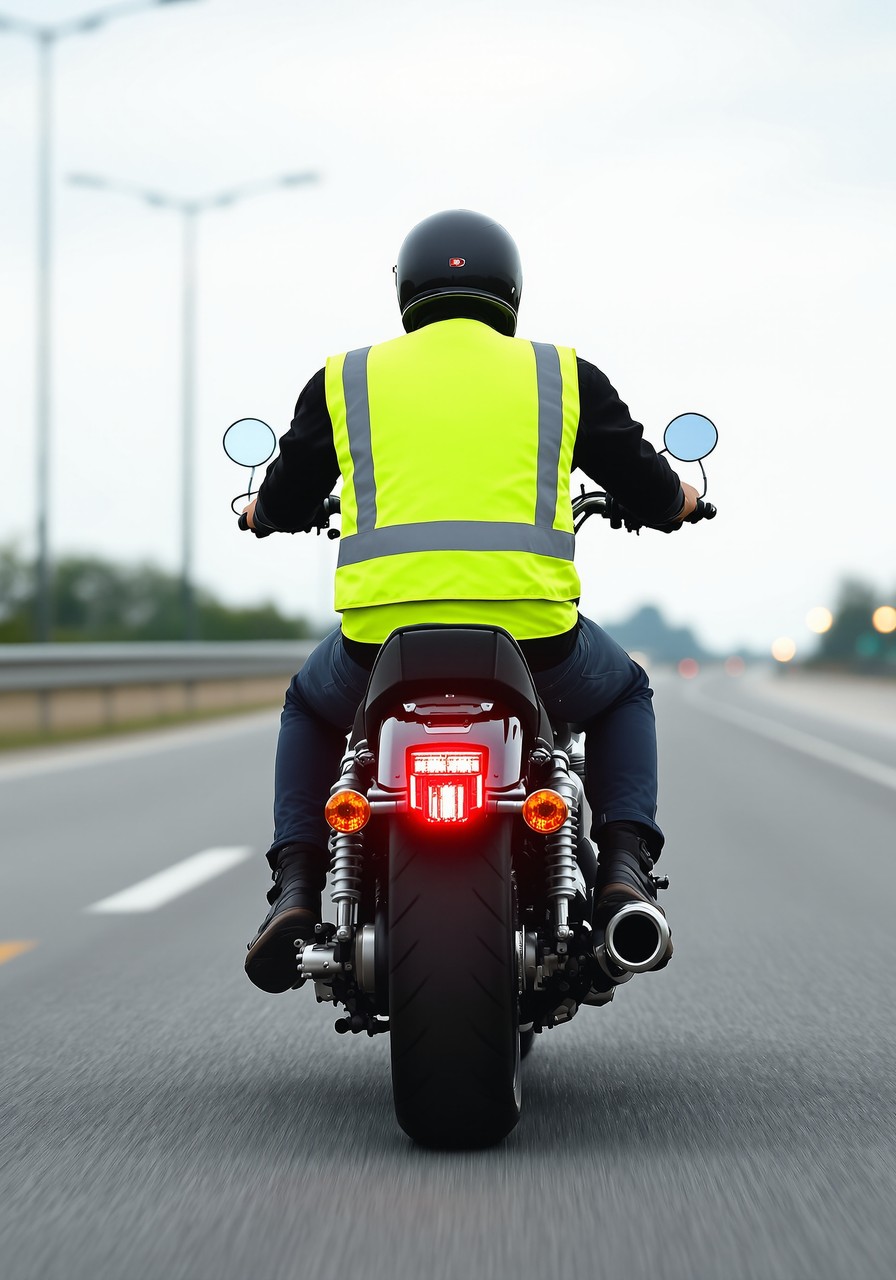
Safety & KY Law
Kentucky gives you about 2 years to file a motor-vehicle injury claim. Waiting can cost you the case. Questions after a crash? Call Karl Truman Law at (502) 222-2222. #RideNationKY #RiderRights #Kentuckiana
Engagement
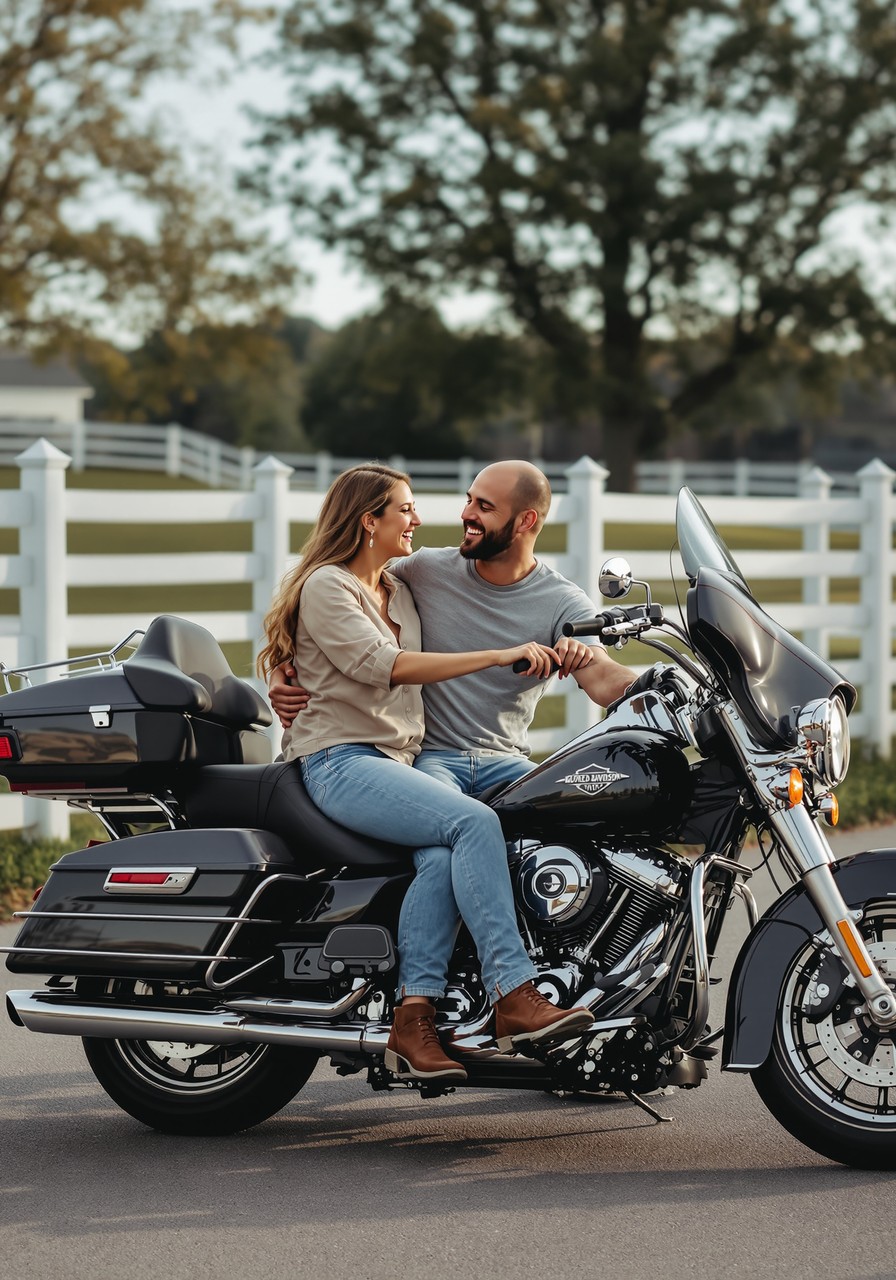
Caption this: that first 55-degree February morning when the salt is finally washed off the roads. Best line wins the thread. #RideNationKY #DerbyCity #TwoWheels
Giveaway & Countdown
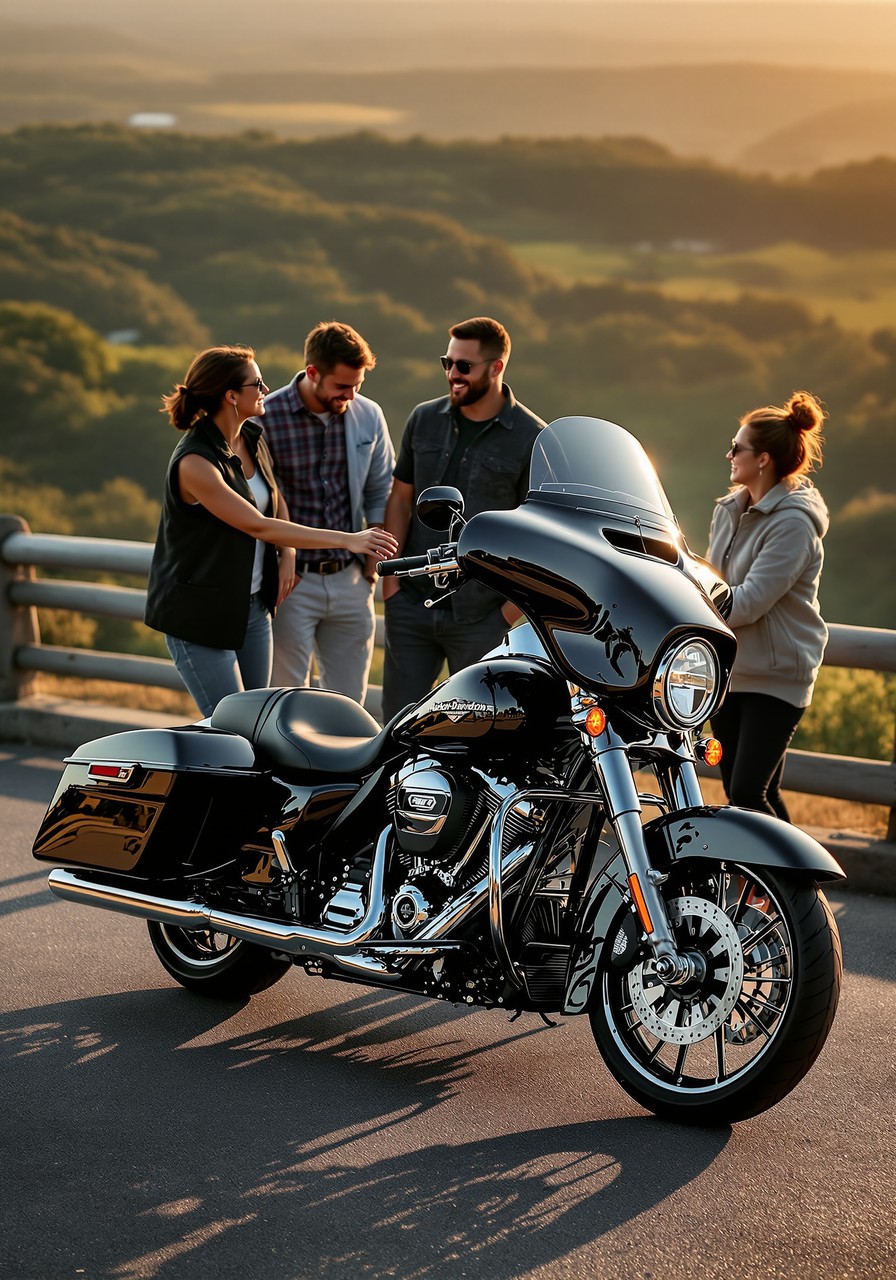
Been down and dealing with a crash? Talking to us about it enters you in the BikersWin $20,000 giveaway, free. Call (502) 222-2222 today. #RideNationKY #BikersWin #KentuckyRiders
Local KY & Rides
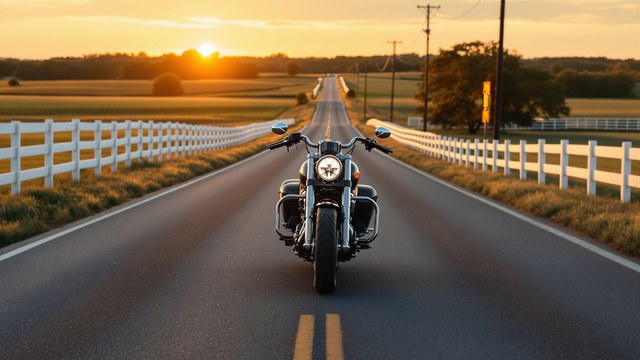
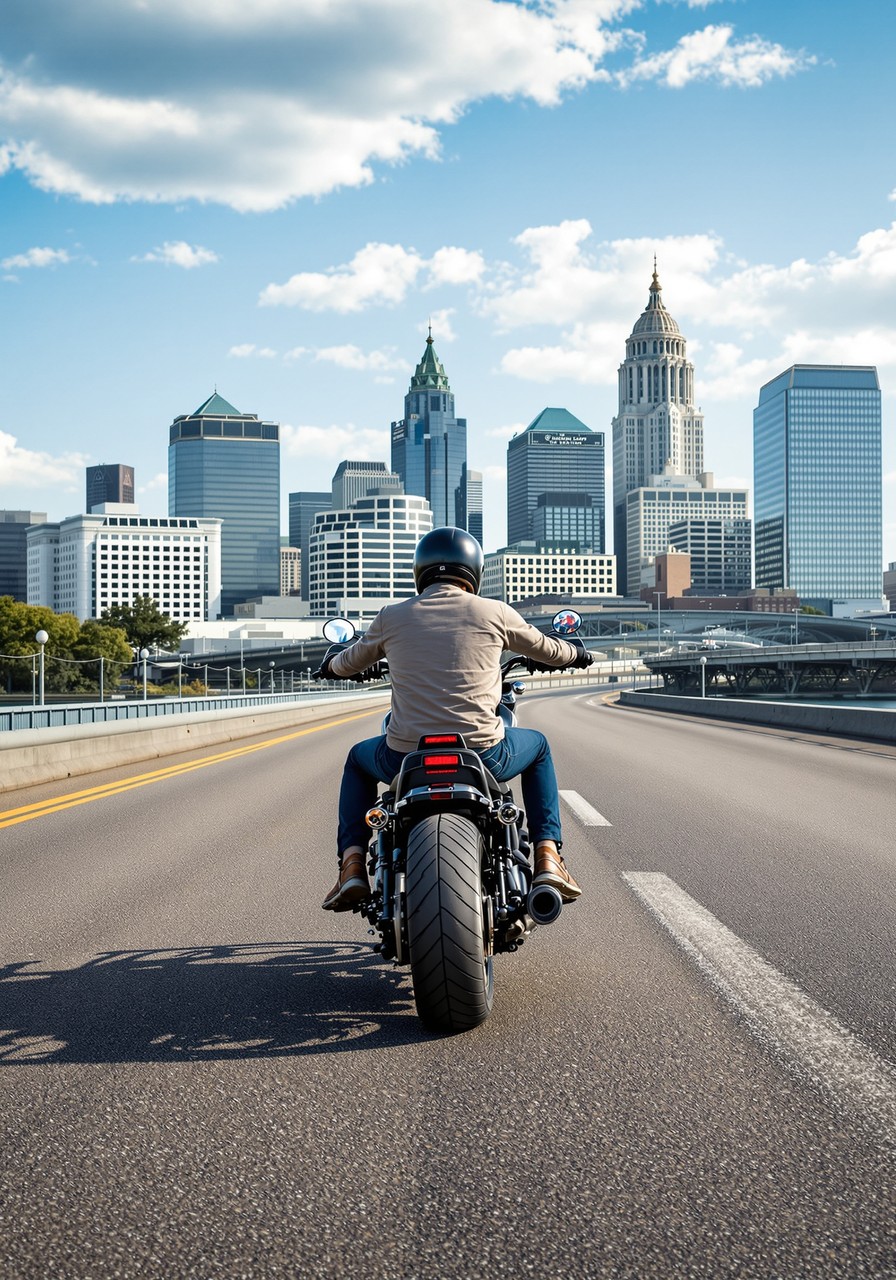
Bourbon country backroads toward Bardstown, rolling horse fences and limestone hills. Put it on the spring list. #RideNationKY #BourbonCountry #KentuckyRiders
Gear & New Iron
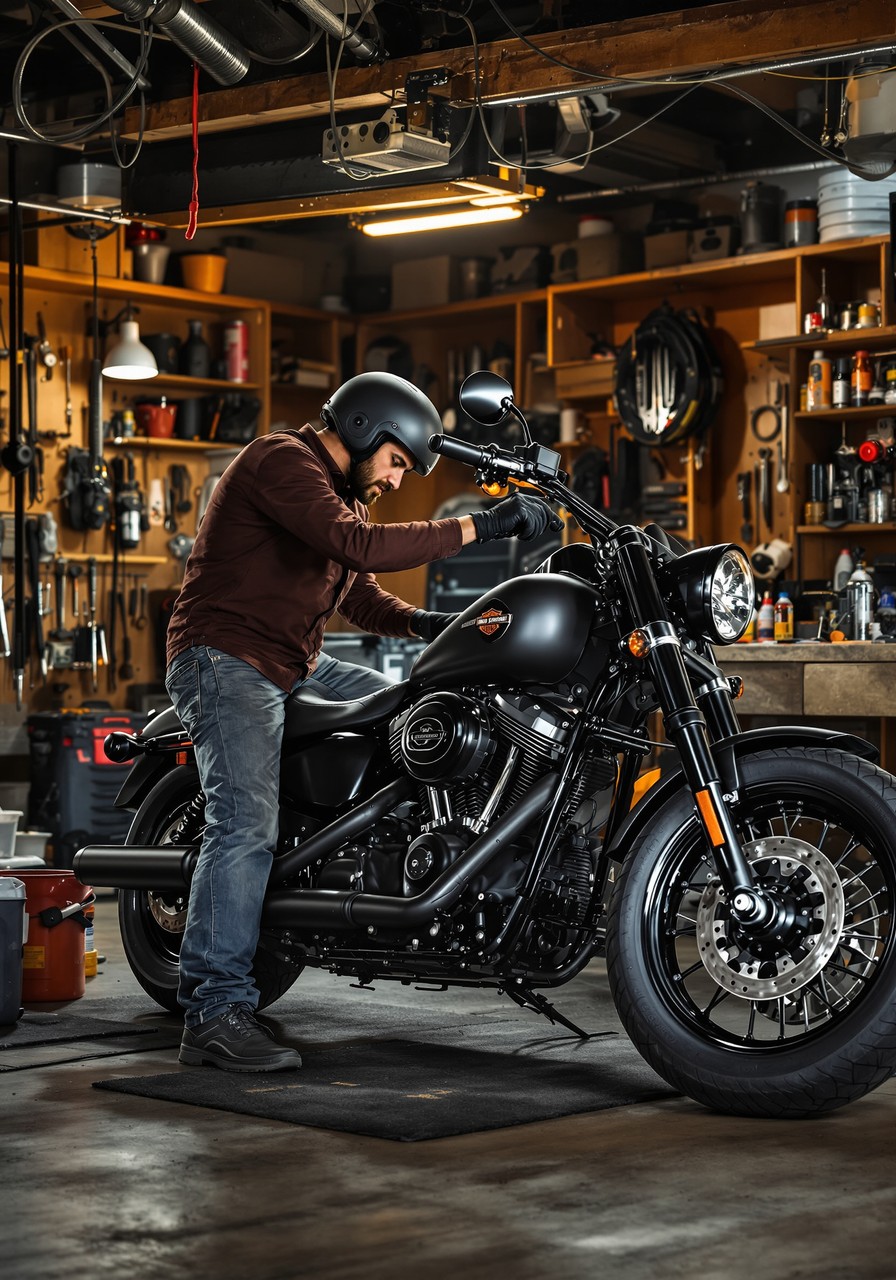
Winter battery tip: a 30 dollar tender beats a dead battery come spring. Plug it in before the first hard freeze and forget about it. #RideNationKY #MotorcycleMaintenance #ColdWeatherRiding
Safety & KY Law
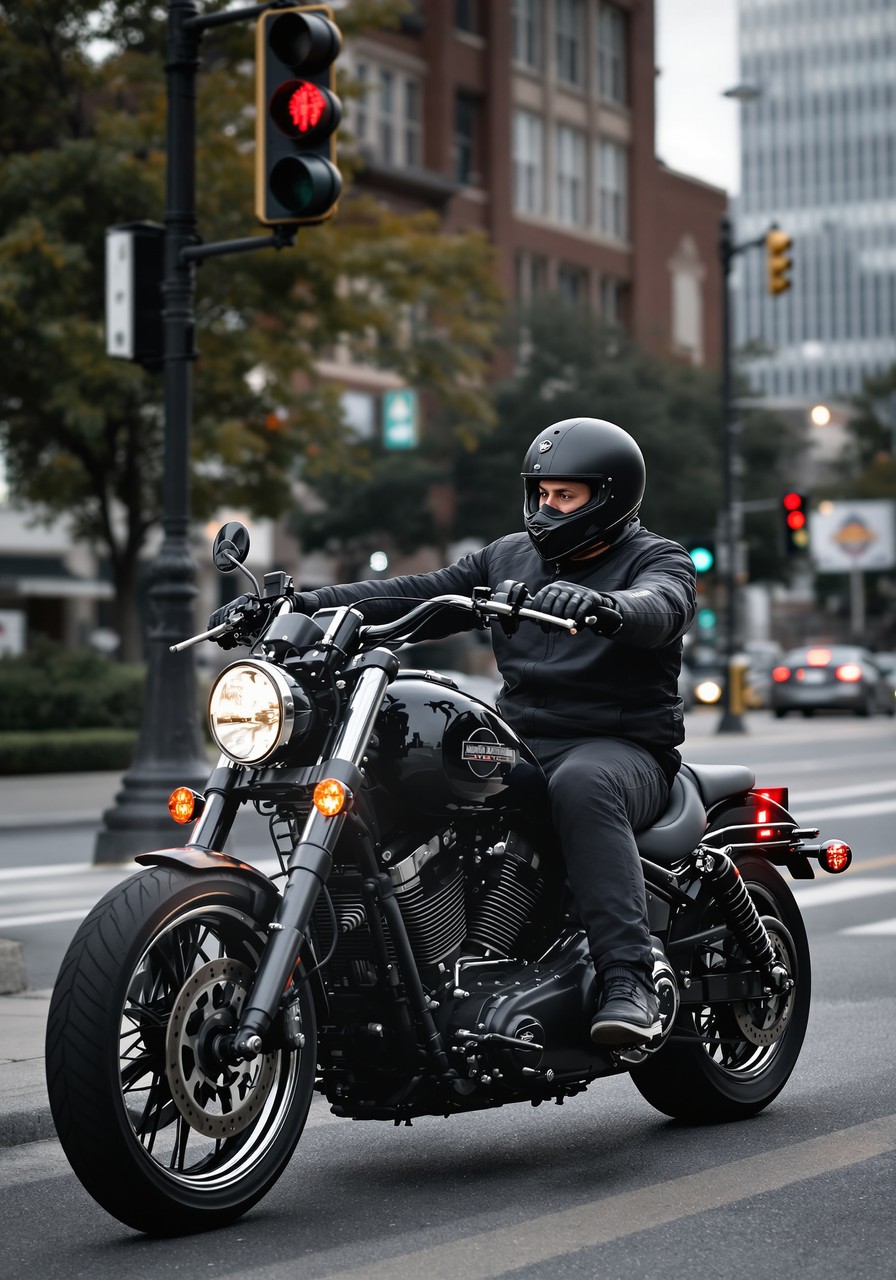
Left-turning driver clipped you and says he never saw the bike? That story does not decide your claim. Talk it through: (502) 222-2222. #RideNationKY #MotorcycleSafety #LouisvilleRiders
Engagement
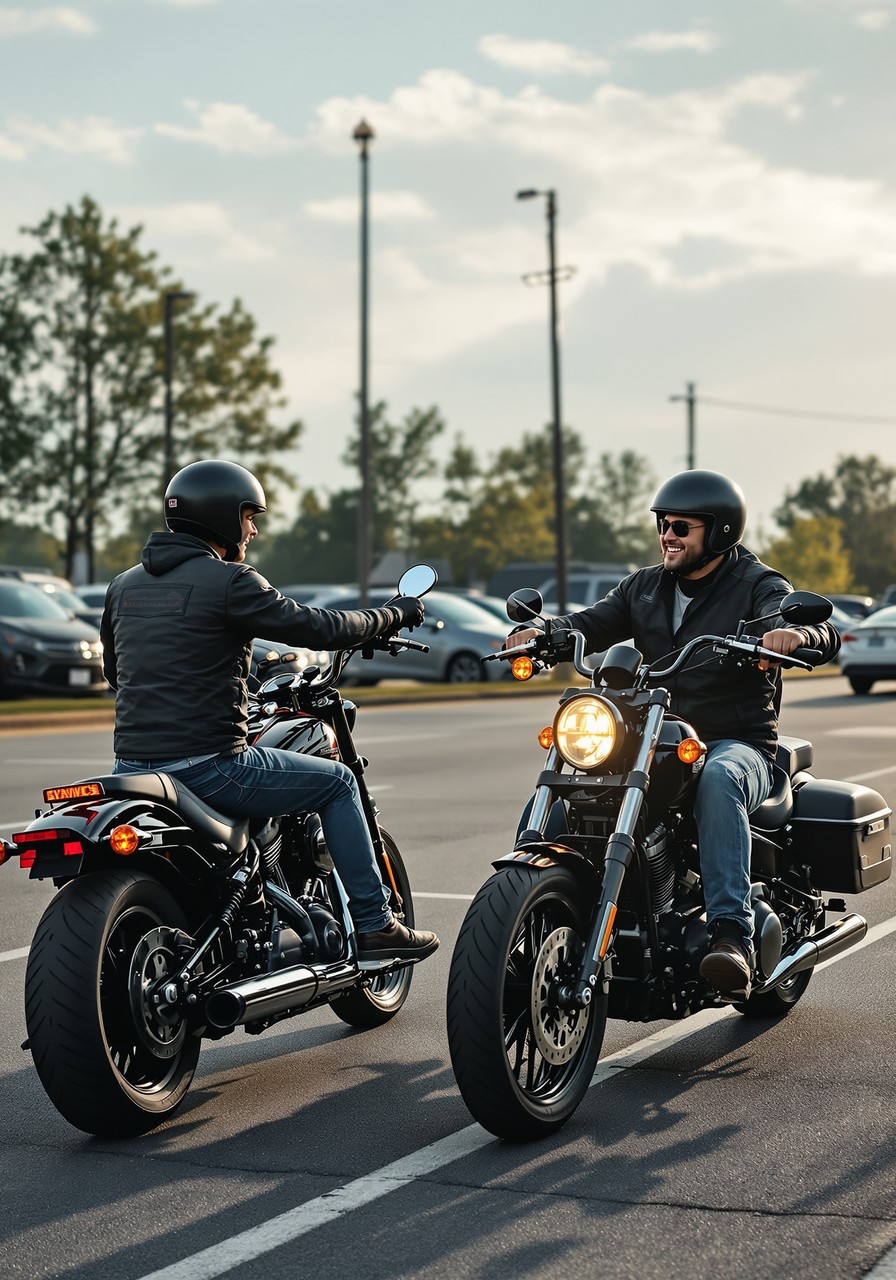
Quick poll: garage heater on or just layer up and ride? Drop your pick below. #RideNationKY #KentuckyRiders #BikerLife
Giveaway & Countdown
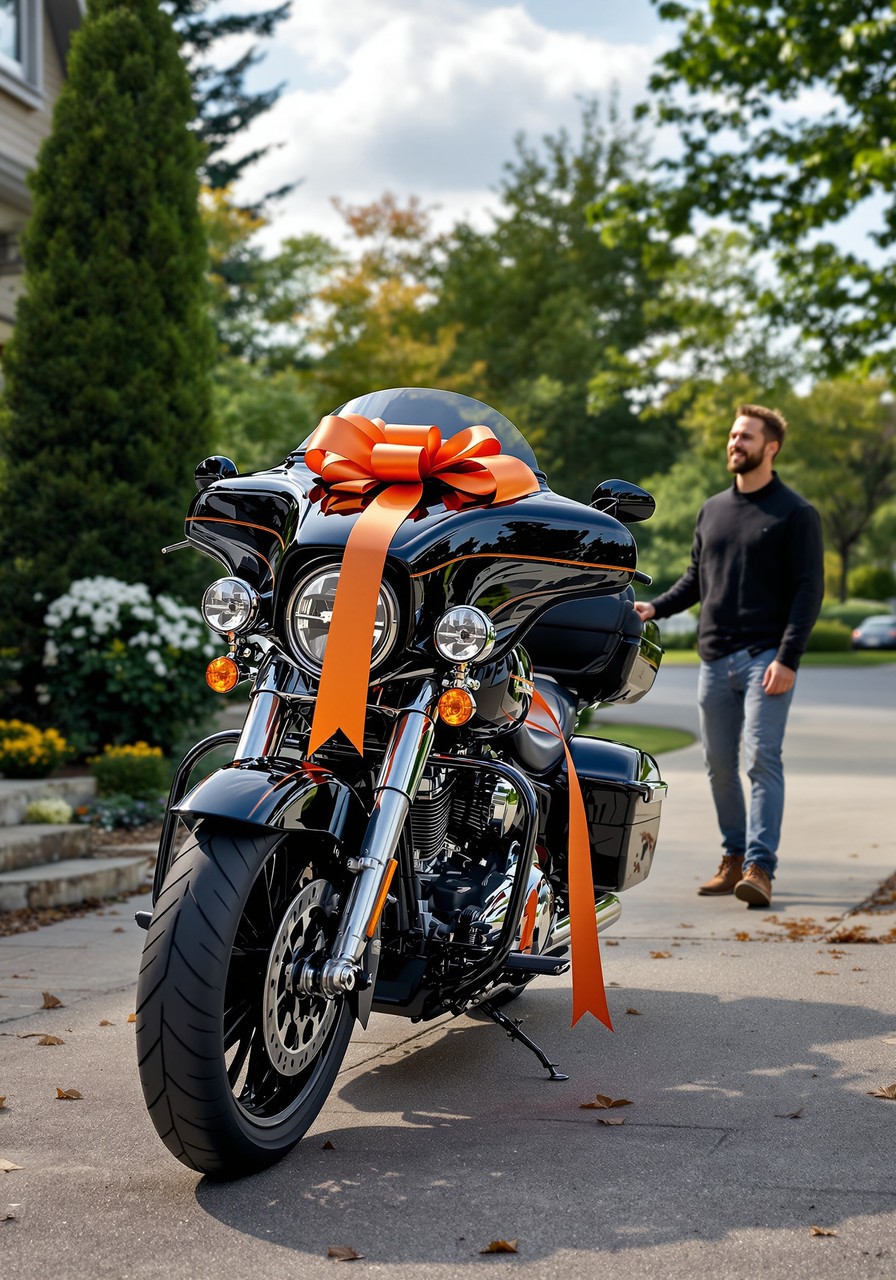
The clock is ticking on the $20,000 motorcycle giveaway. Do not sit this one out, Louisville riders. #RideNationKY #20kGiveaway #LouisvilleRiders
Local KY & Rides
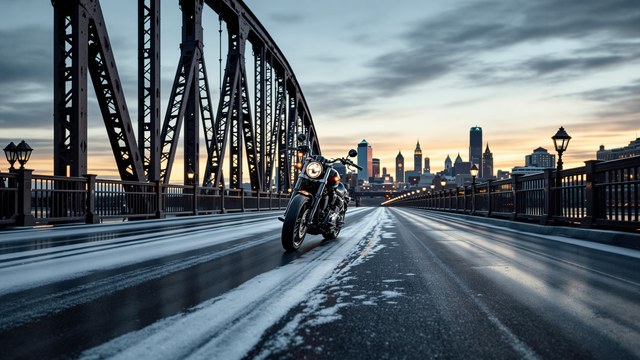
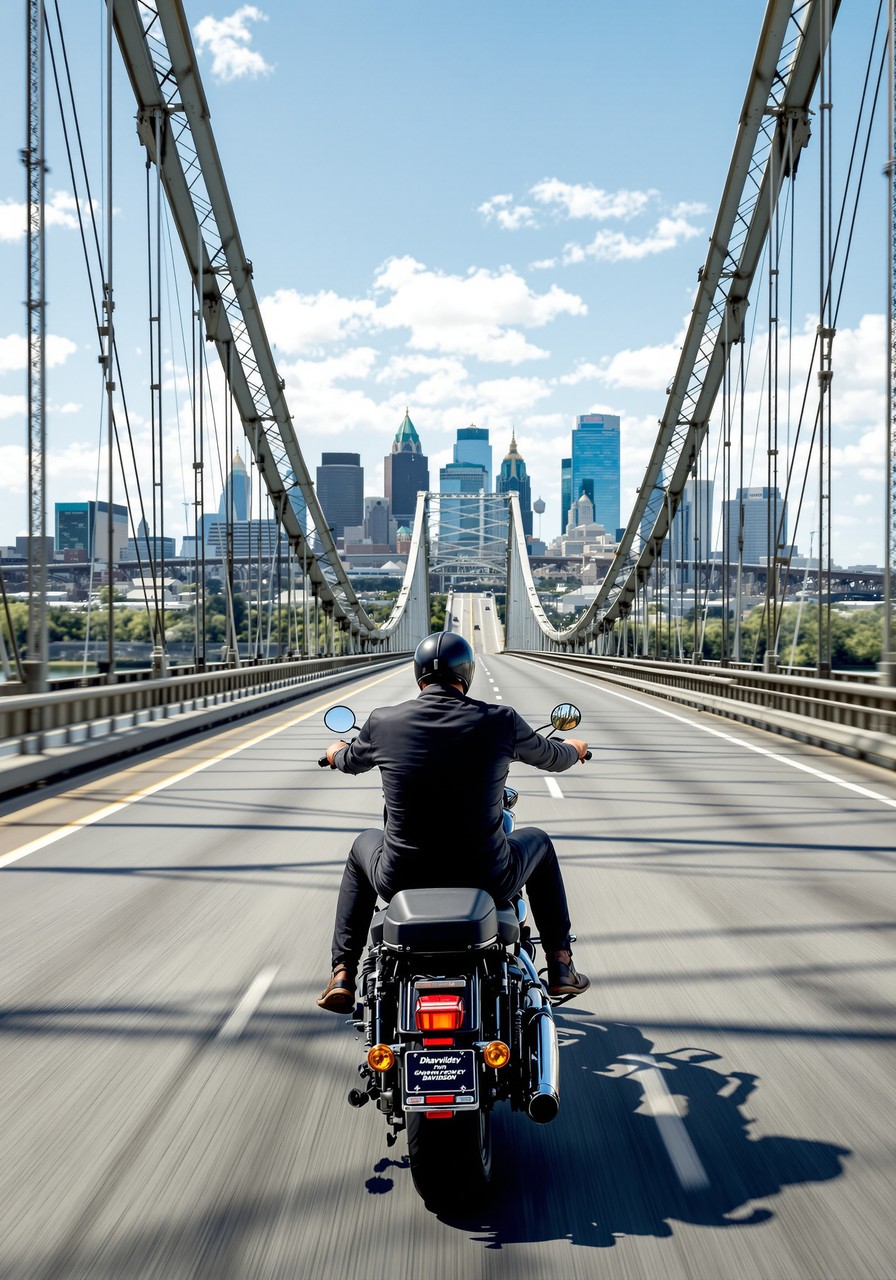
The Kennedy Bridge deck ices over before the streets do. On a cold morning, ease across and leave yourself room. #RideNationKY #OhioRiver #LouisvilleRiders
Gear & New Iron
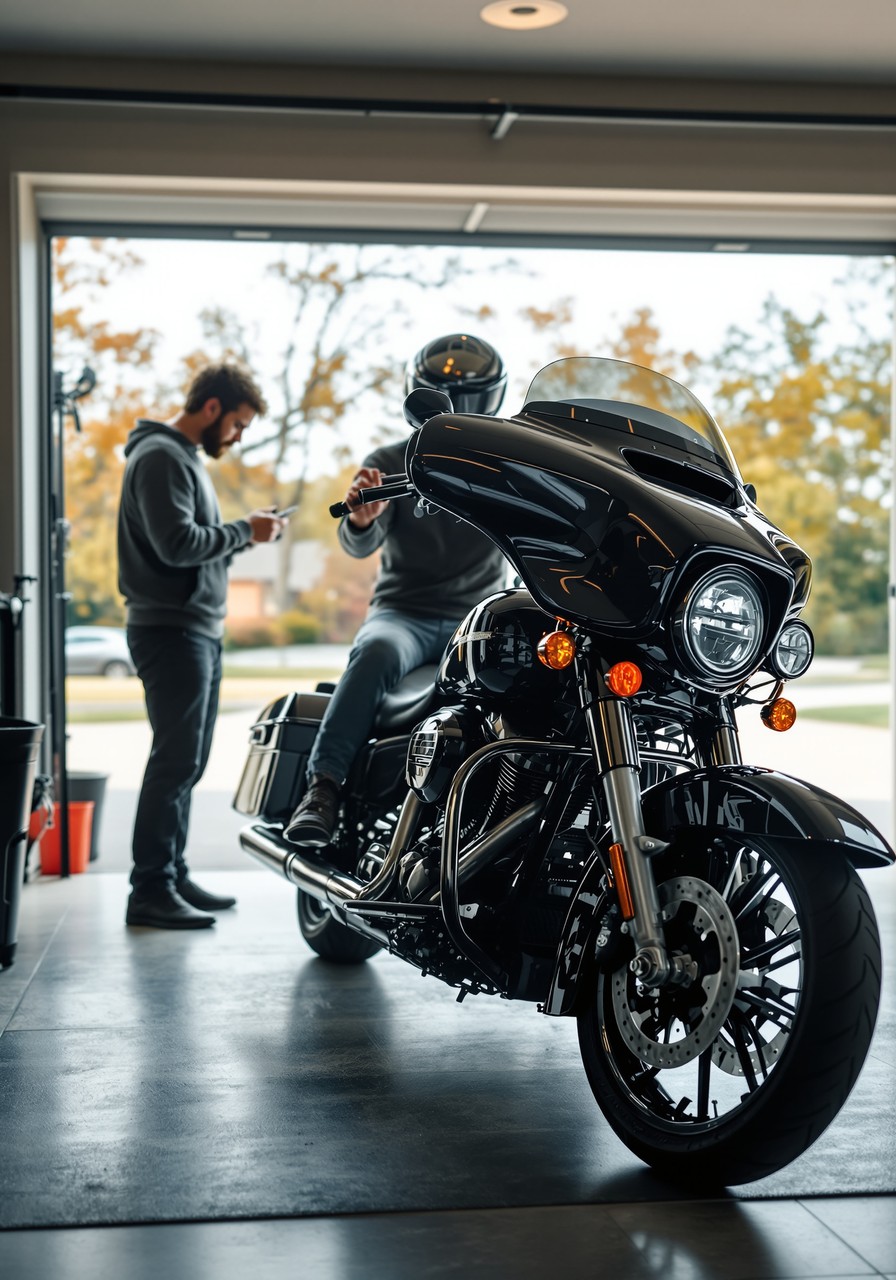
CE-rated armor is not the same as foam padding. Look for the CE Level 1 or 2 label at the shoulders, elbows, and back. That rating means it was actually tested. #RideNationKY #GearUp #ATGATT
Safety & KY Law
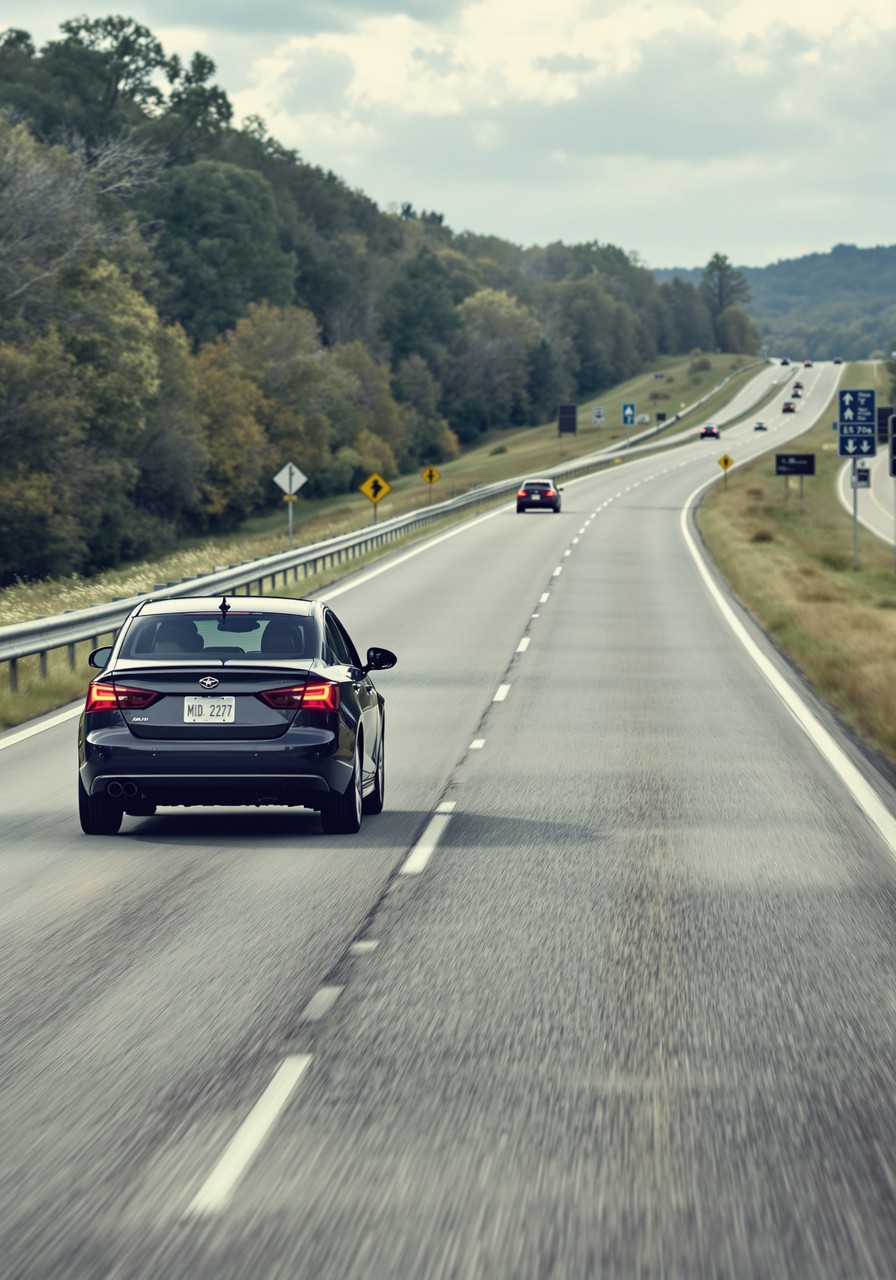
Partly at fault in your Kentucky crash? You can still recover under pure comparative negligence. Find out where you stand: call (502) 222-2222. #RideNationKY #KnowYourRights #KentuckyRiders
Engagement
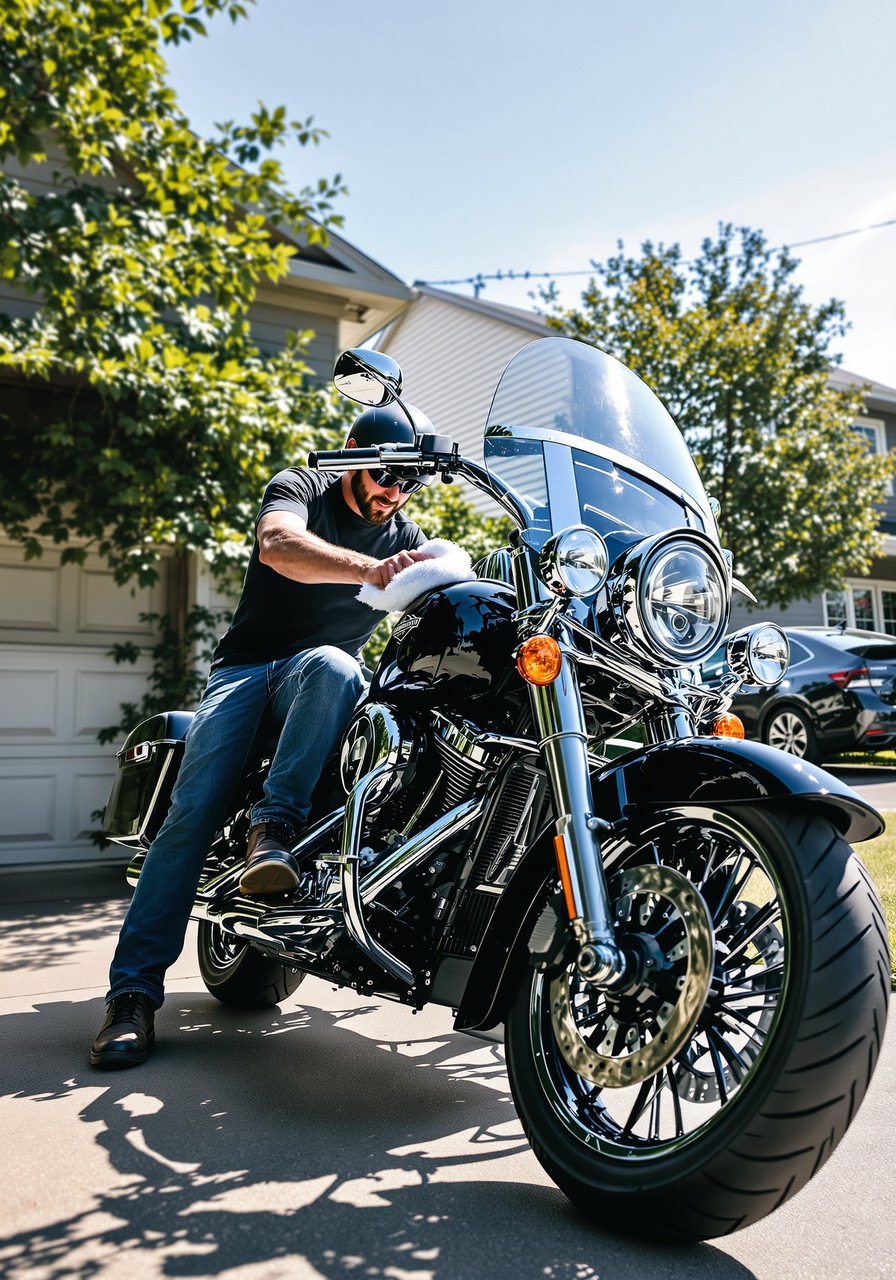
Cherokee Park loop or a straight shot down Bardstown Road. Which one clears your head faster? #RideNationKY #LouisvilleRiders #DerbyCity
Giveaway & Countdown
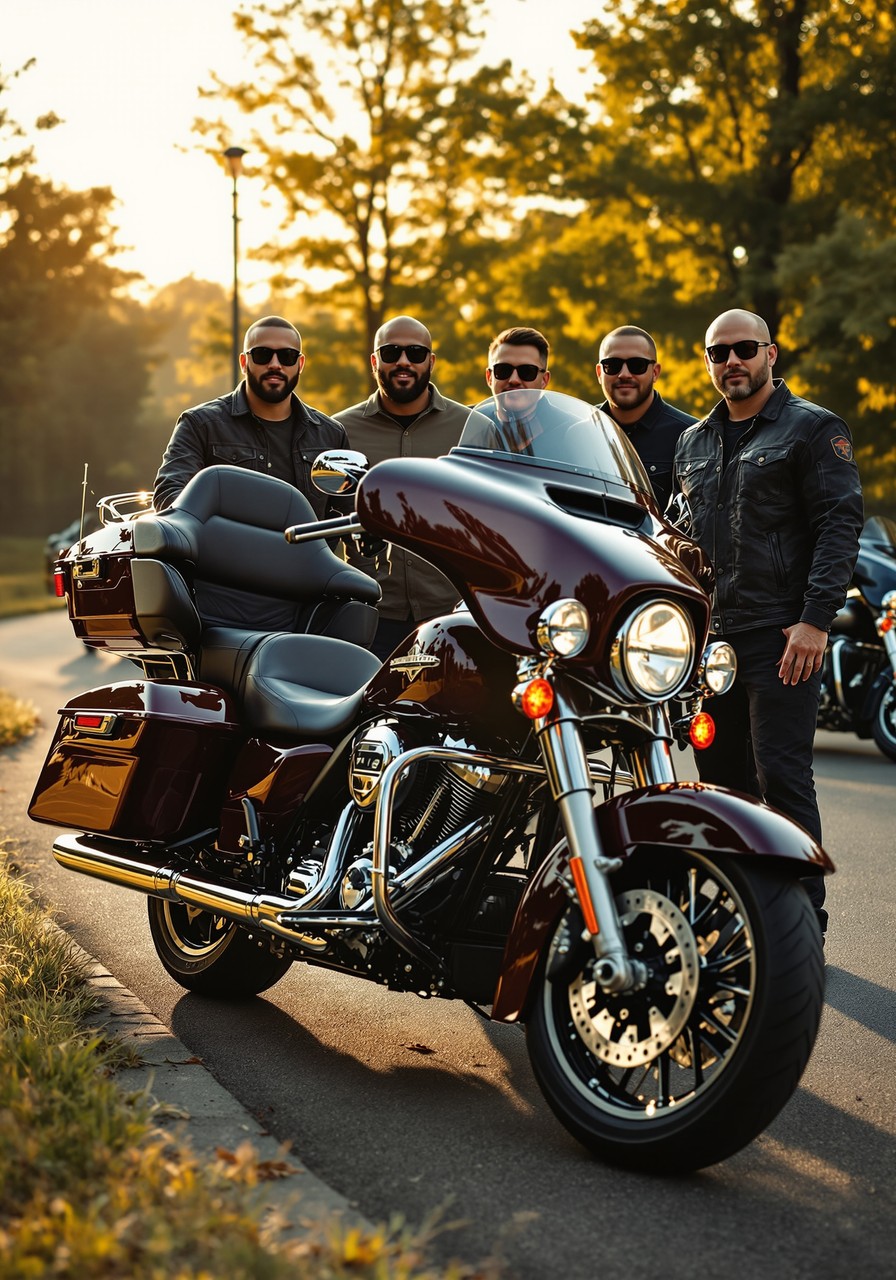
Entering is free and it is easy. Chat with Karl Truman Law about your motorcycle claim and you are in the running. Dial (502) 222-2222. #RideNationKY #BikersWin #MotorcycleGiveaway
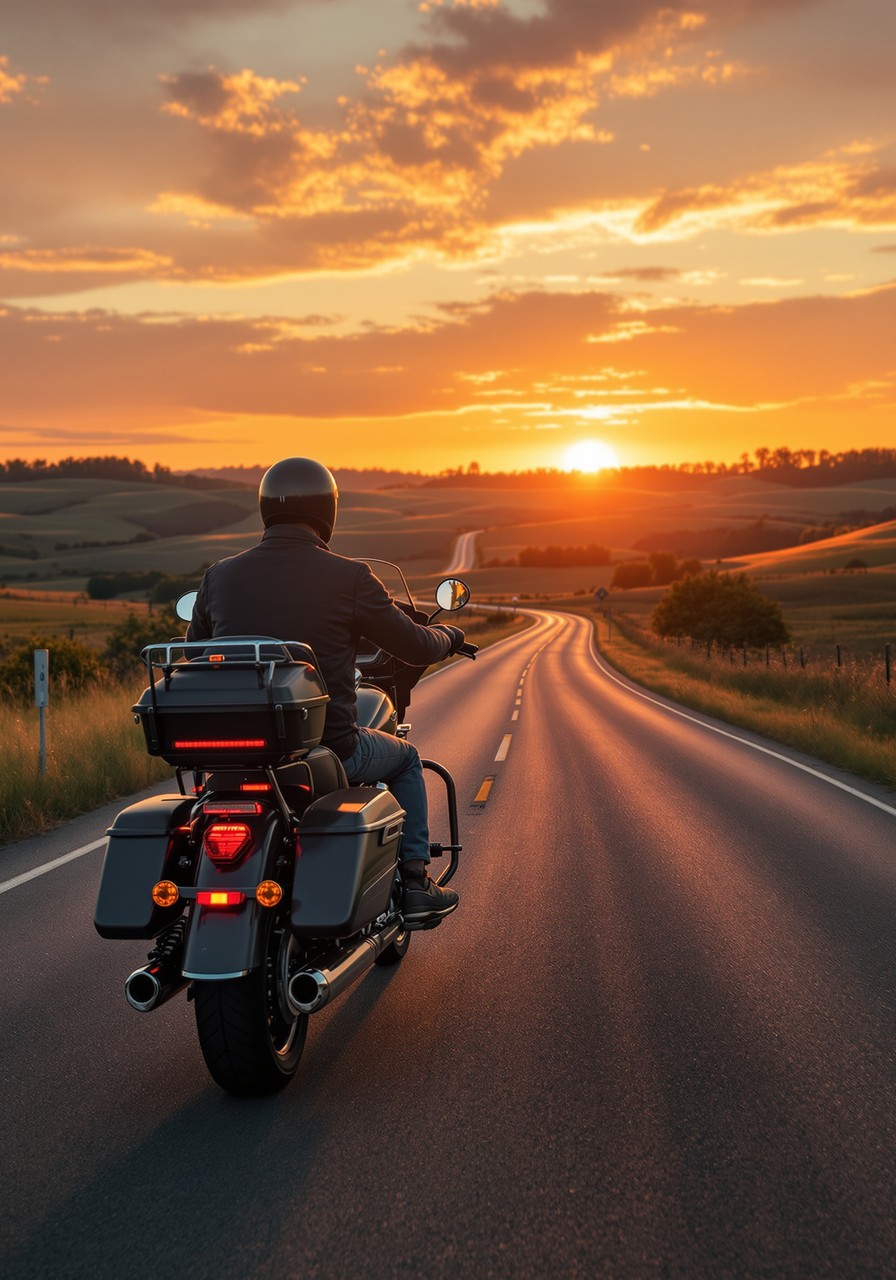
Local KY & Rides
Rolling the Big Four is for your feet, not your bike, but the view of the river from up there is why we keep coming back to the waterfront. #RideNationKY #OhioRiver #DerbyCity
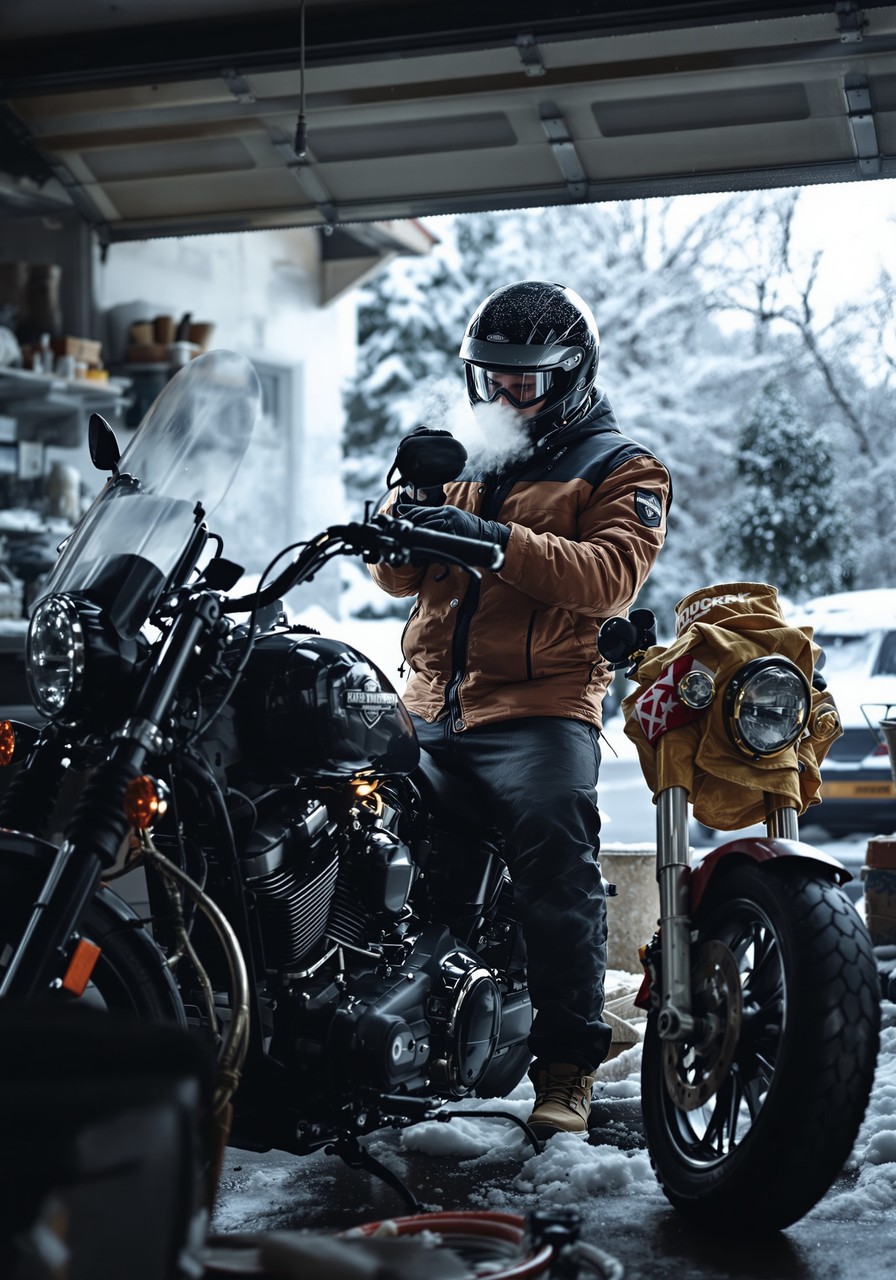
Gear & New Iron
Your summer mesh gloves will not cut it in a Louisville January. Get a pair rated for cold that still lets you work the levers. #RideNationKY #ColdWeatherRiding #GearUp
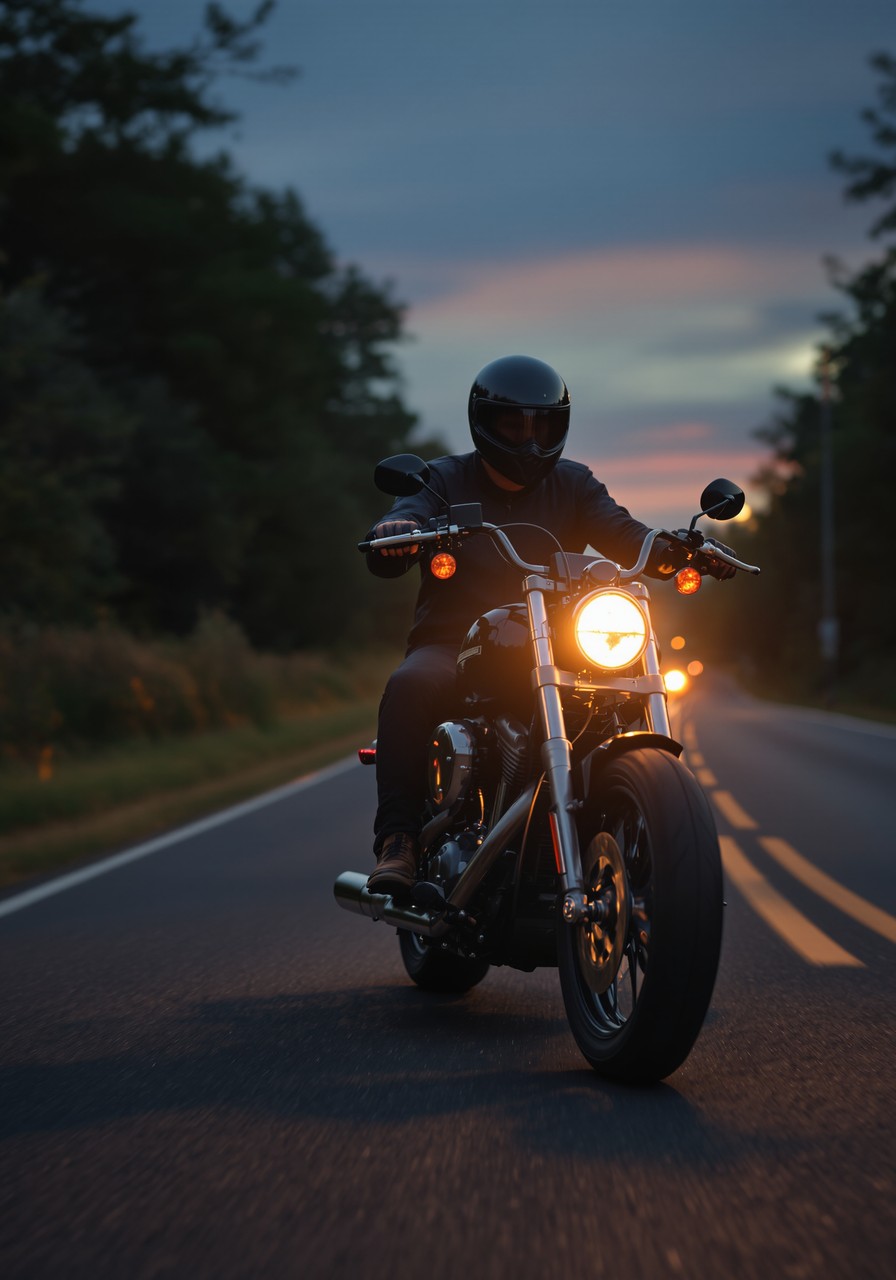
Safety & KY Law
Minimum liability in Kentucky is just 25/50/25. That runs out fast in a serious motorcycle wreck. See how UM/UIM fills the gap. Call (502) 222-2222. #RideNationKY #RiderRights #Kentuckiana
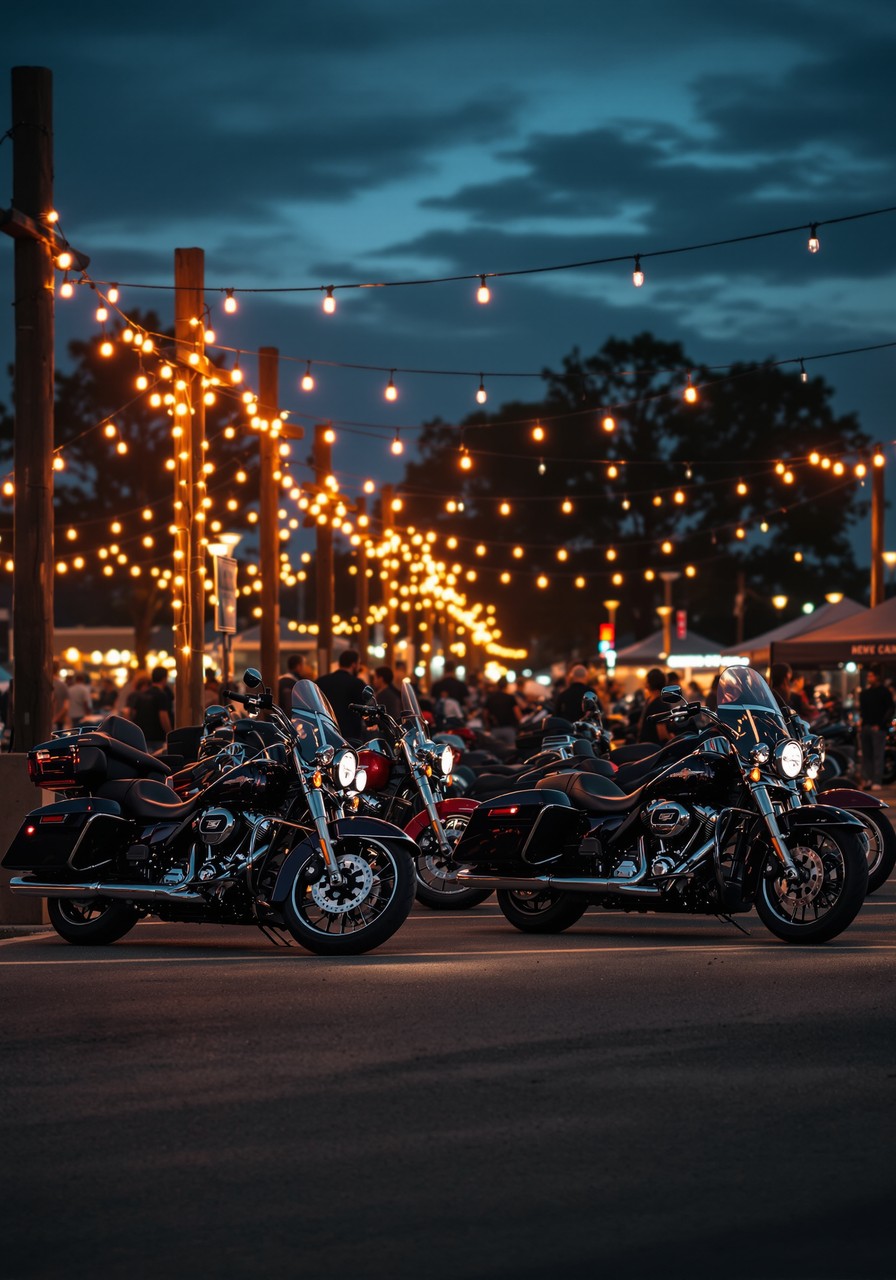
Engagement
Name the one road in Kentuckiana every rider needs to hit at least once. Go. #RideNationKY #Kentuckiana #TwoWheels
Giveaway & Countdown
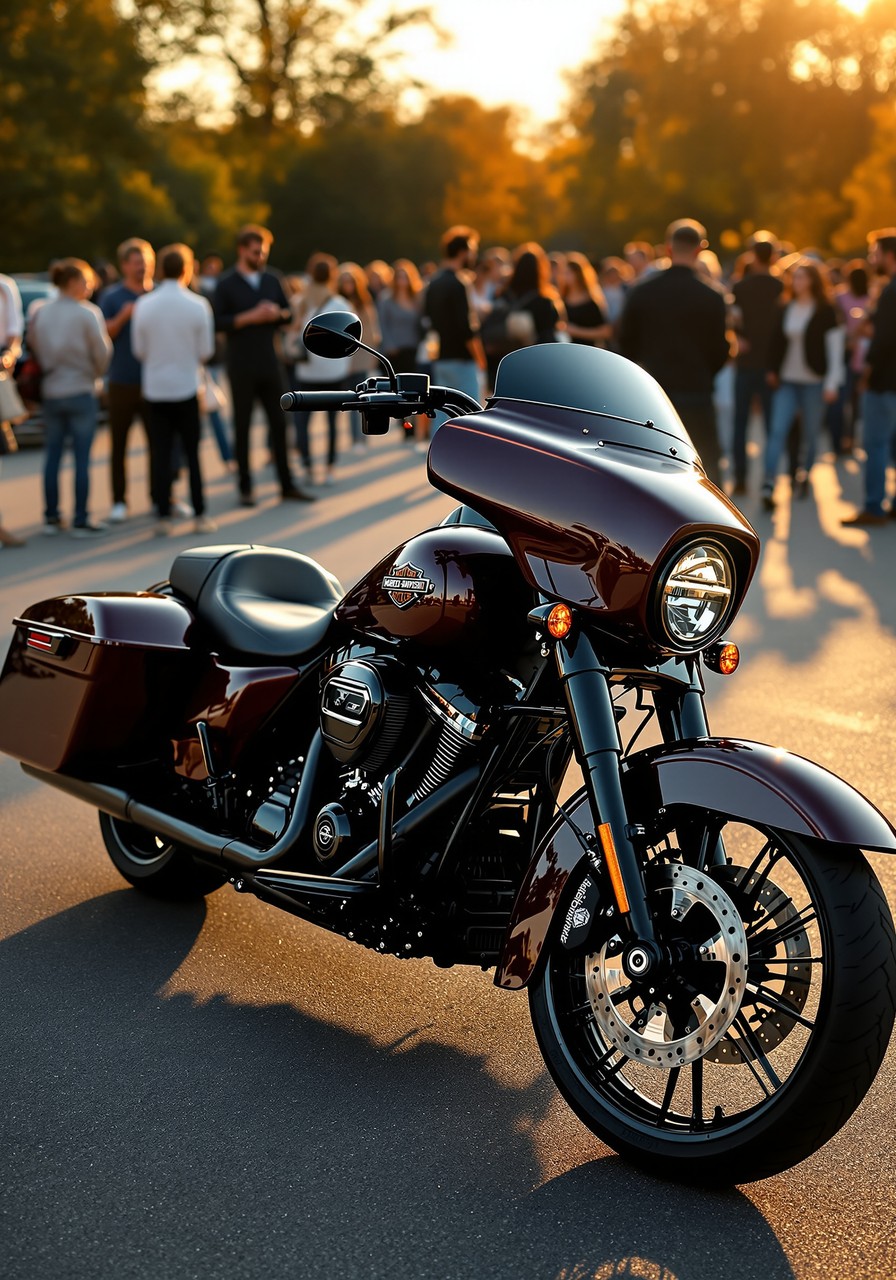
Spread the word across the Bluegrass. The BikersWin $20,000 giveaway is real and your crew belongs in it. #RideNationKY #KentuckyRiders #20kGiveaway
Local KY & Rides
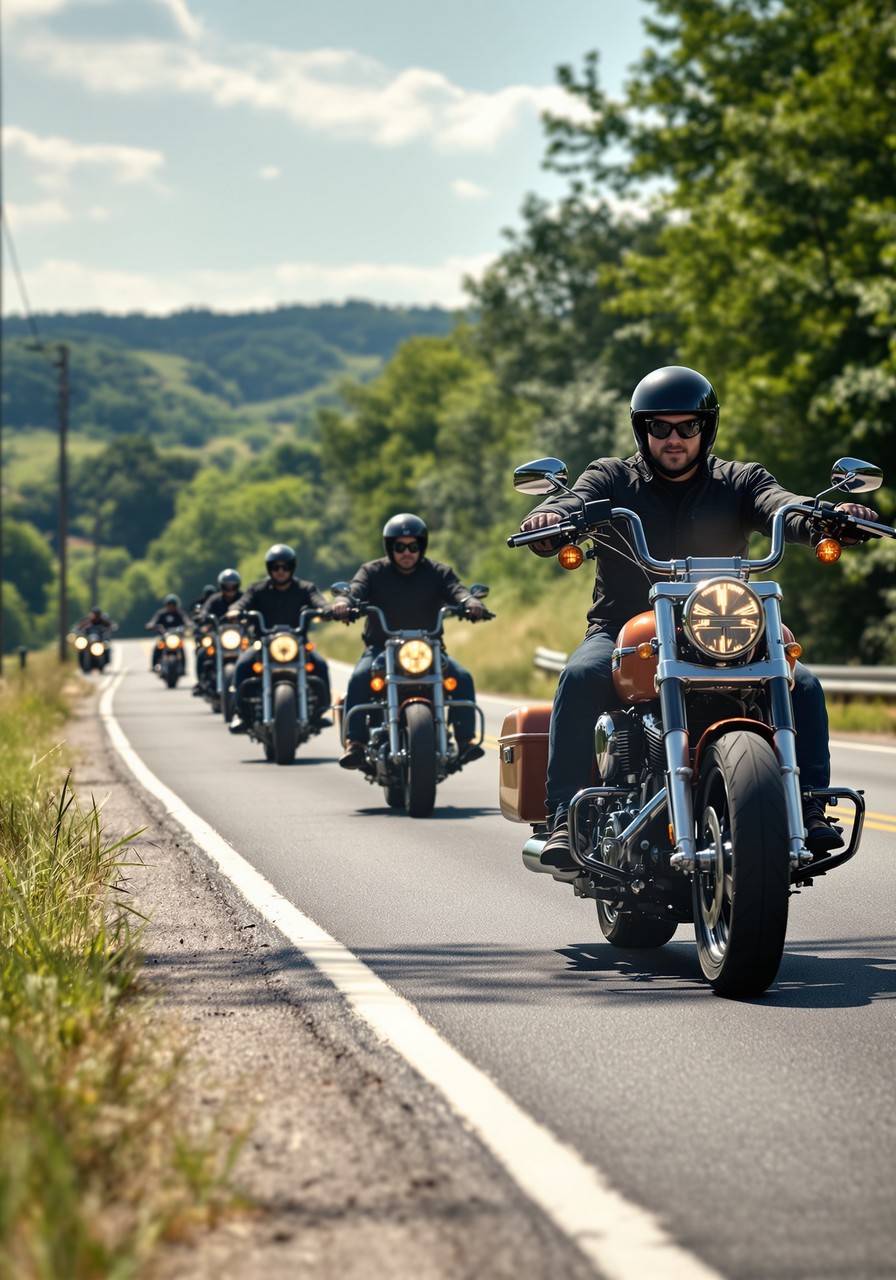
Spaghetti Junction is enough on a good day. On a cold wet one, give yourself extra following room through every merge. #RideNationKY #LouisvilleRiders
Gear & New Iron
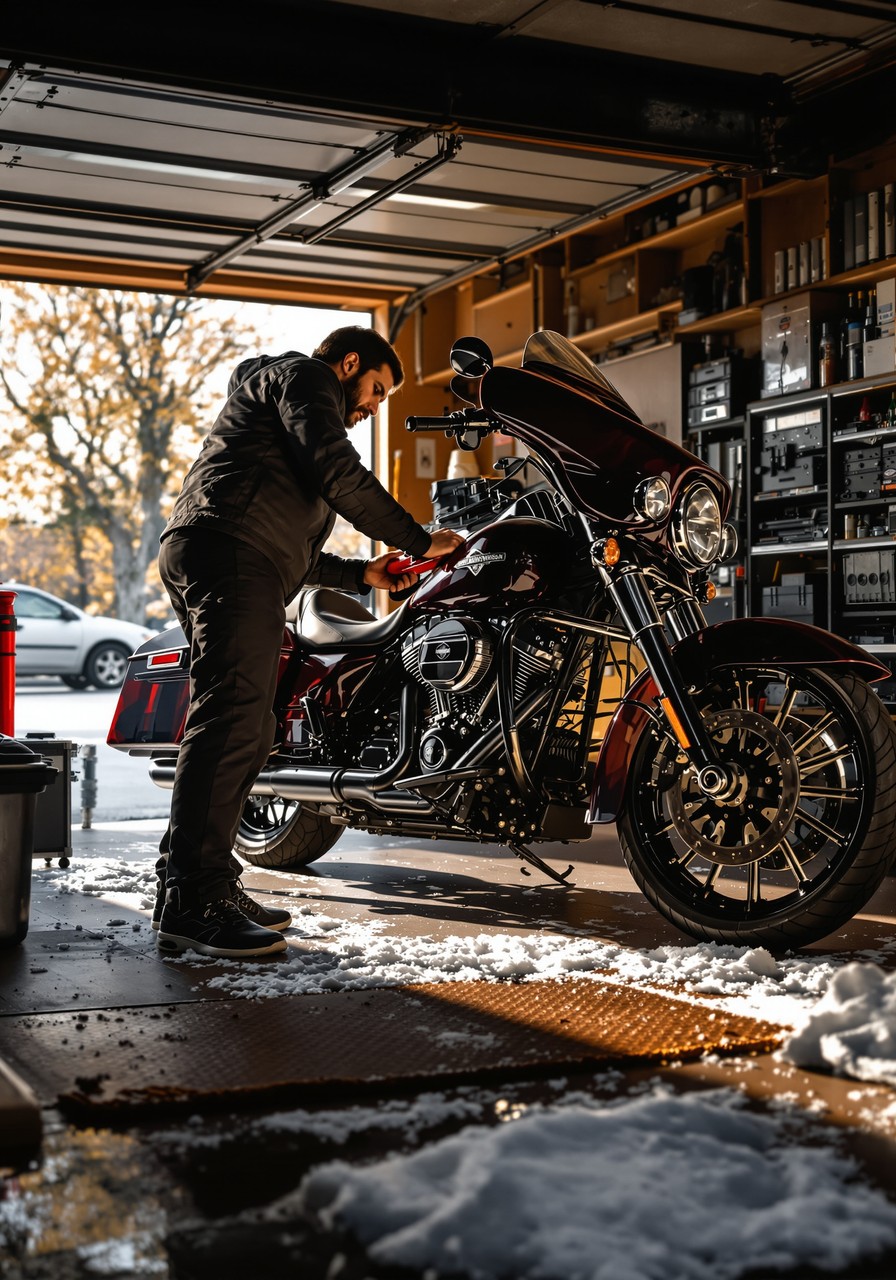
Heated gear changes winter riding. Start with a heated jacket liner, add grips, then move to gloves. Warm hands mean sharp reflexes. #RideNationKY #ColdWeatherRiding #GearUp
Safety & KY Law
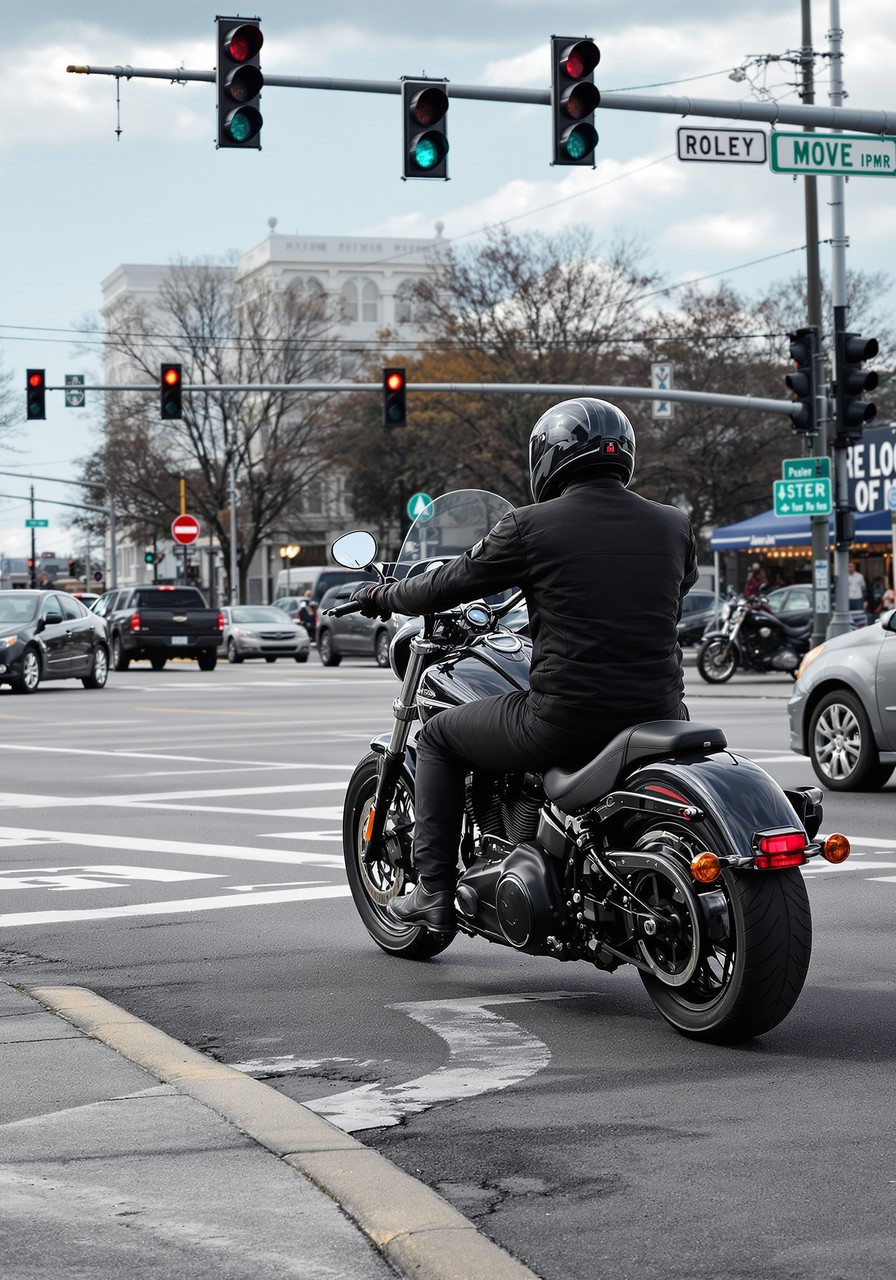
Went down on black ice on an Ohio River bridge deck? Fault is not always simple. Before you assume it was all you, call (502) 222-2222. #RideNationKY #MotorcycleSafety #LouisvilleRiders
Engagement
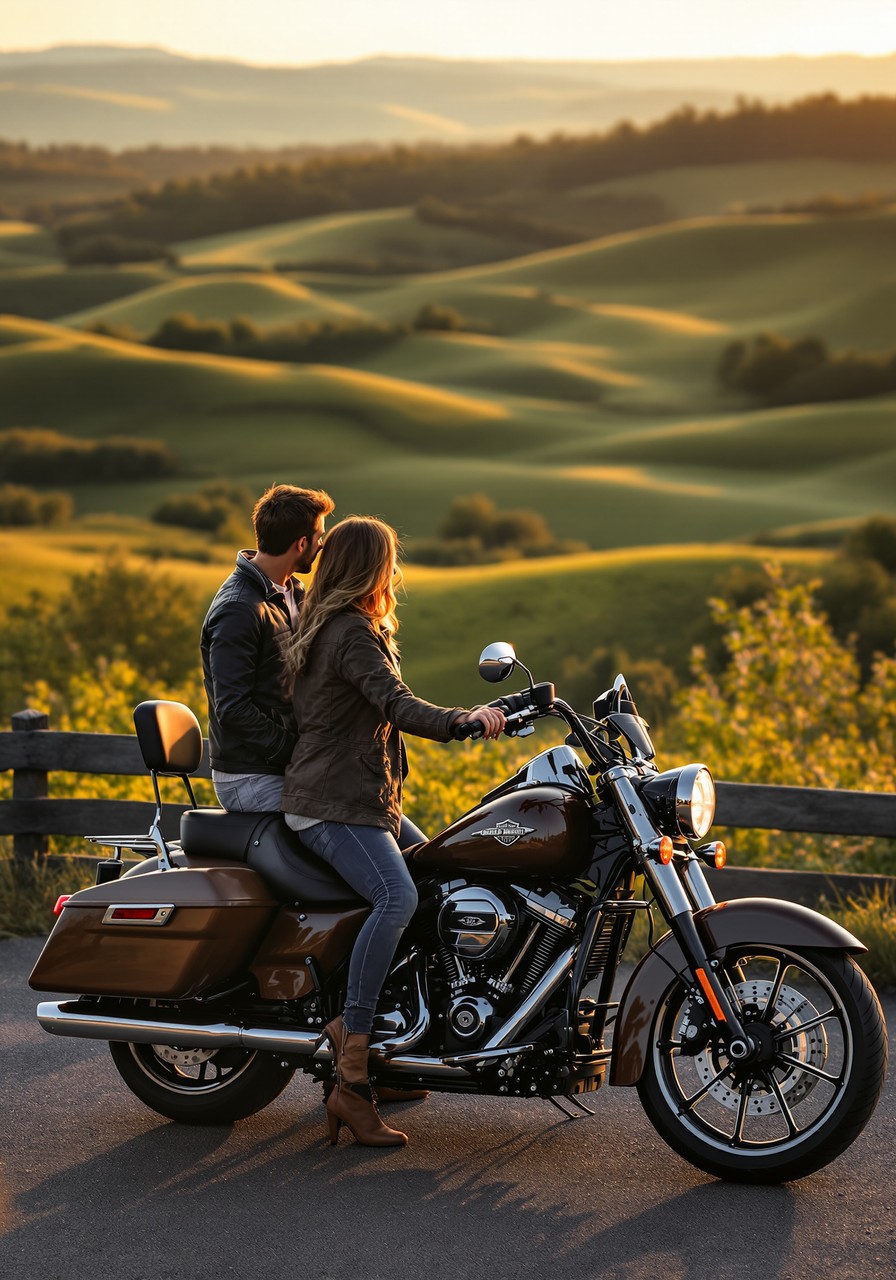
Fill in the blank: my cold-weather riding gear is not complete without ______. #RideNationKY #KentuckyRiders #BikerLife
Giveaway & Countdown
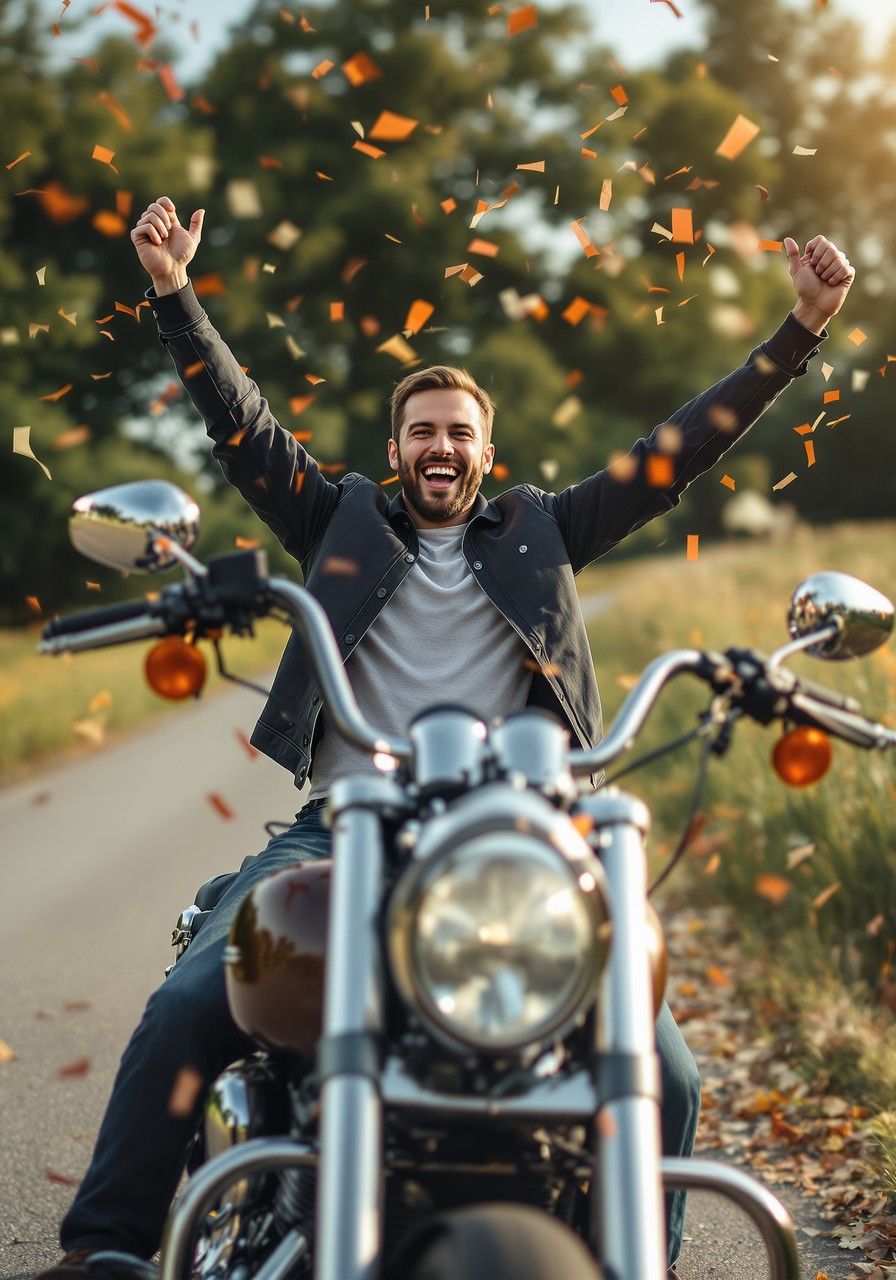
Twenty thousand dollars. One giveaway. A whole community of Louisville riders getting in for free. Ask us how at (502) 222-2222. #RideNationKY #BikersWin #LouisvilleRiders
Local KY & Rides
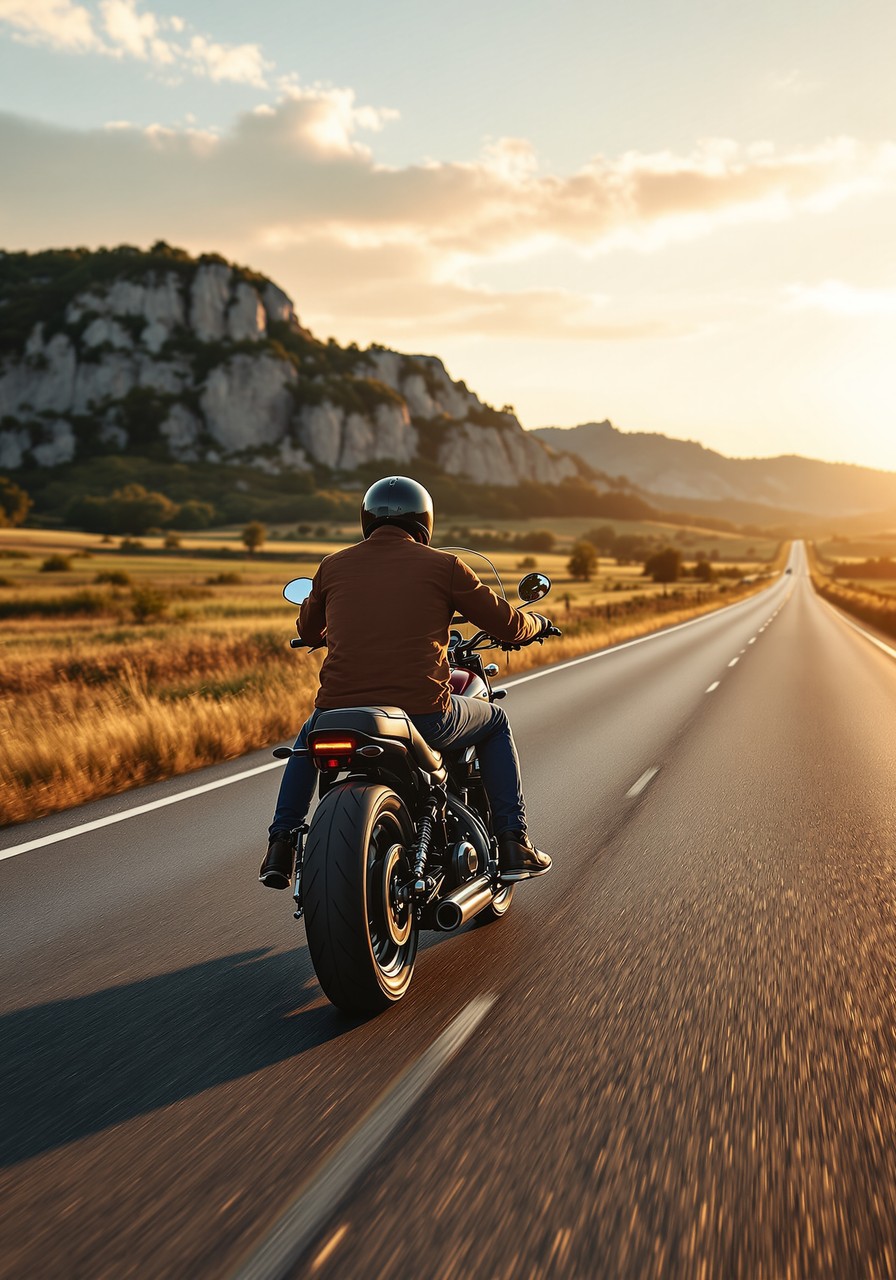
I-64 east out of town opens up quick once you clear the city. Good slab to link up a bourbon-country loop. #RideNationKY #KentuckyRiders #MotorcycleRoads
Gear & New Iron
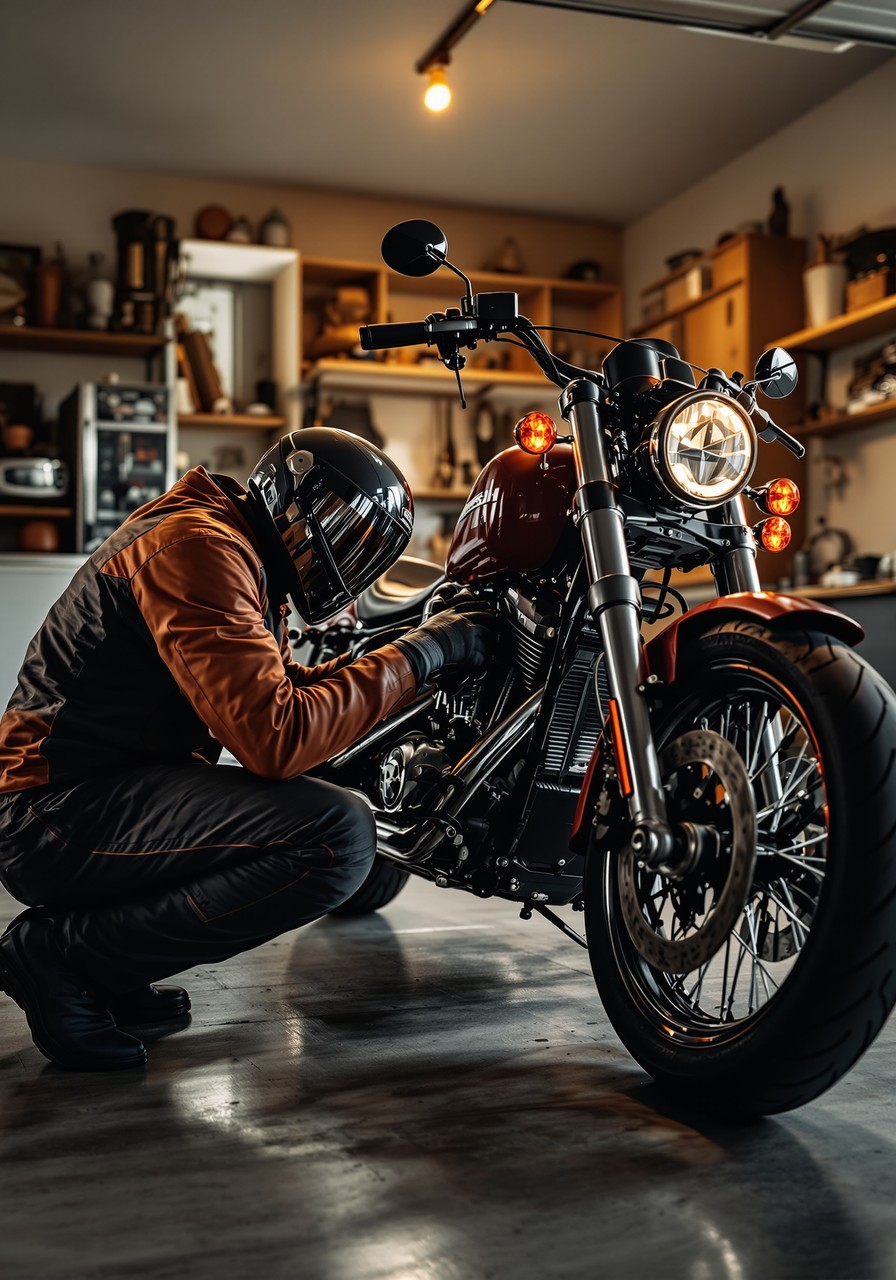
Check your tire date codes. That four-digit DOT number tells you the week and year they were built. Rubber gets hard and cracks with age, even with tread left. #RideNationKY #MotorcycleMaintenance #RiderTips
Safety & KY Law
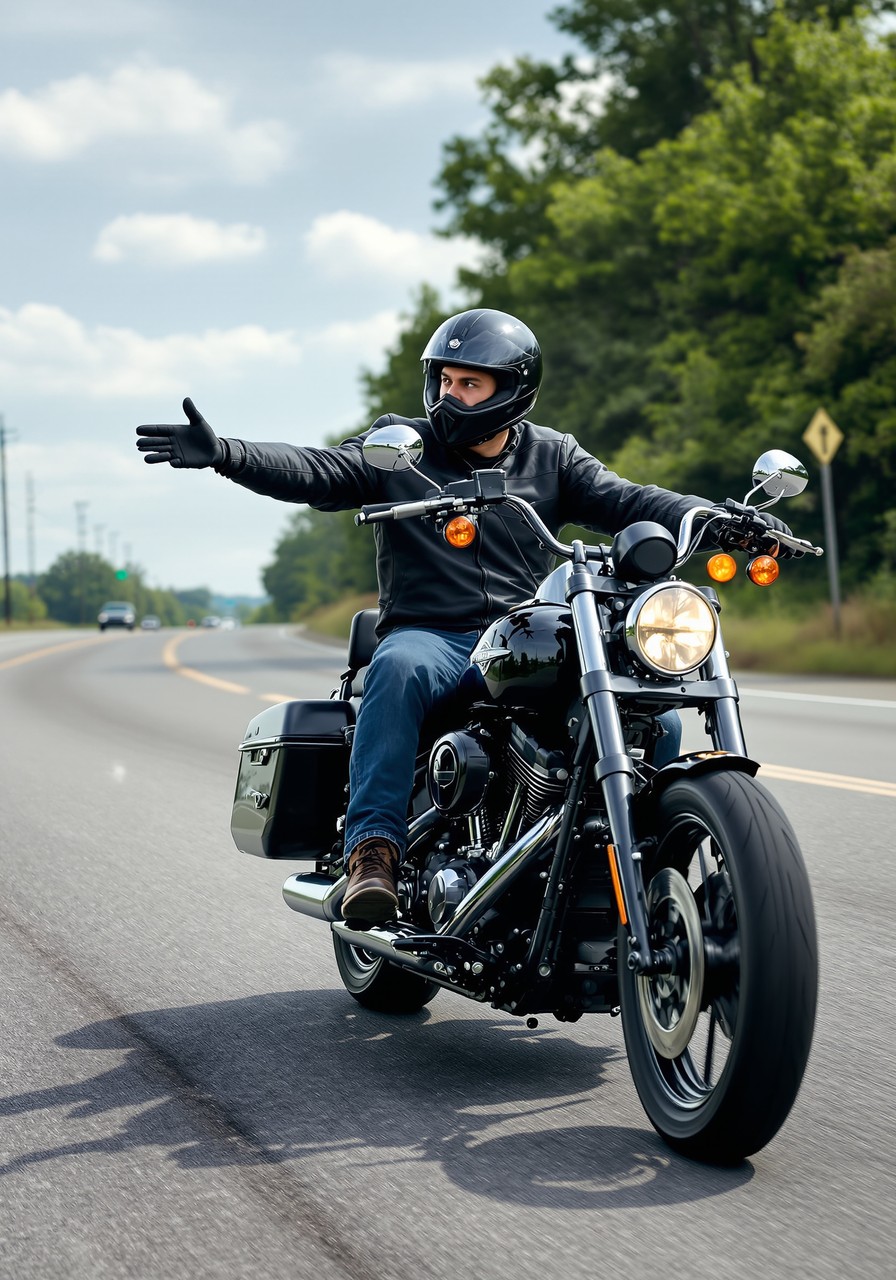
Hit-and-run left you on the pavement? Your UM coverage can still pay when the driver vanishes. Learn how: Karl Truman Law, (502) 222-2222. #RideNationKY #RiderRights #KnowYourRights
Engagement
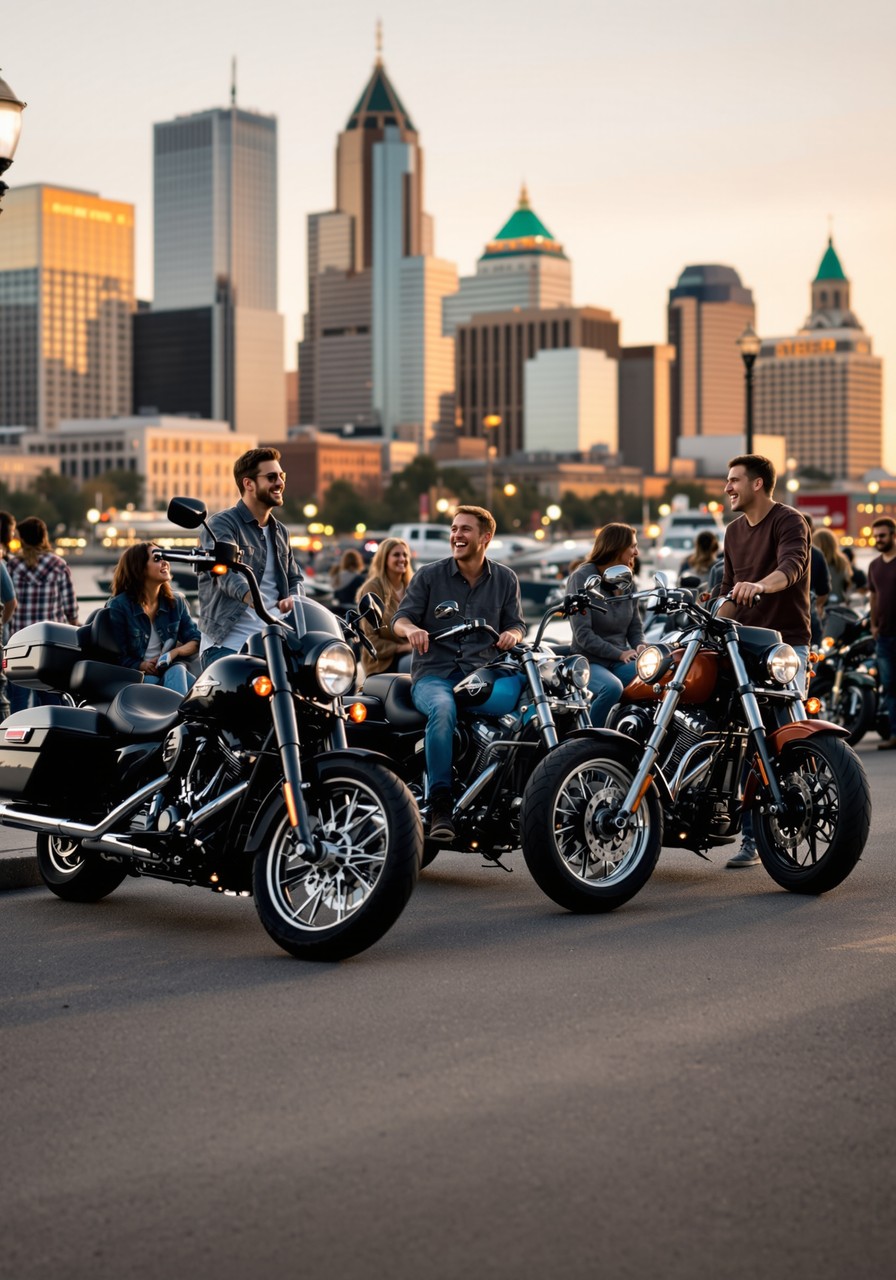
This or that: heated grips or one more coffee stop to thaw your hands. No wrong answer. #RideNationKY #BourbonCountry #TwoWheels
Giveaway & Countdown
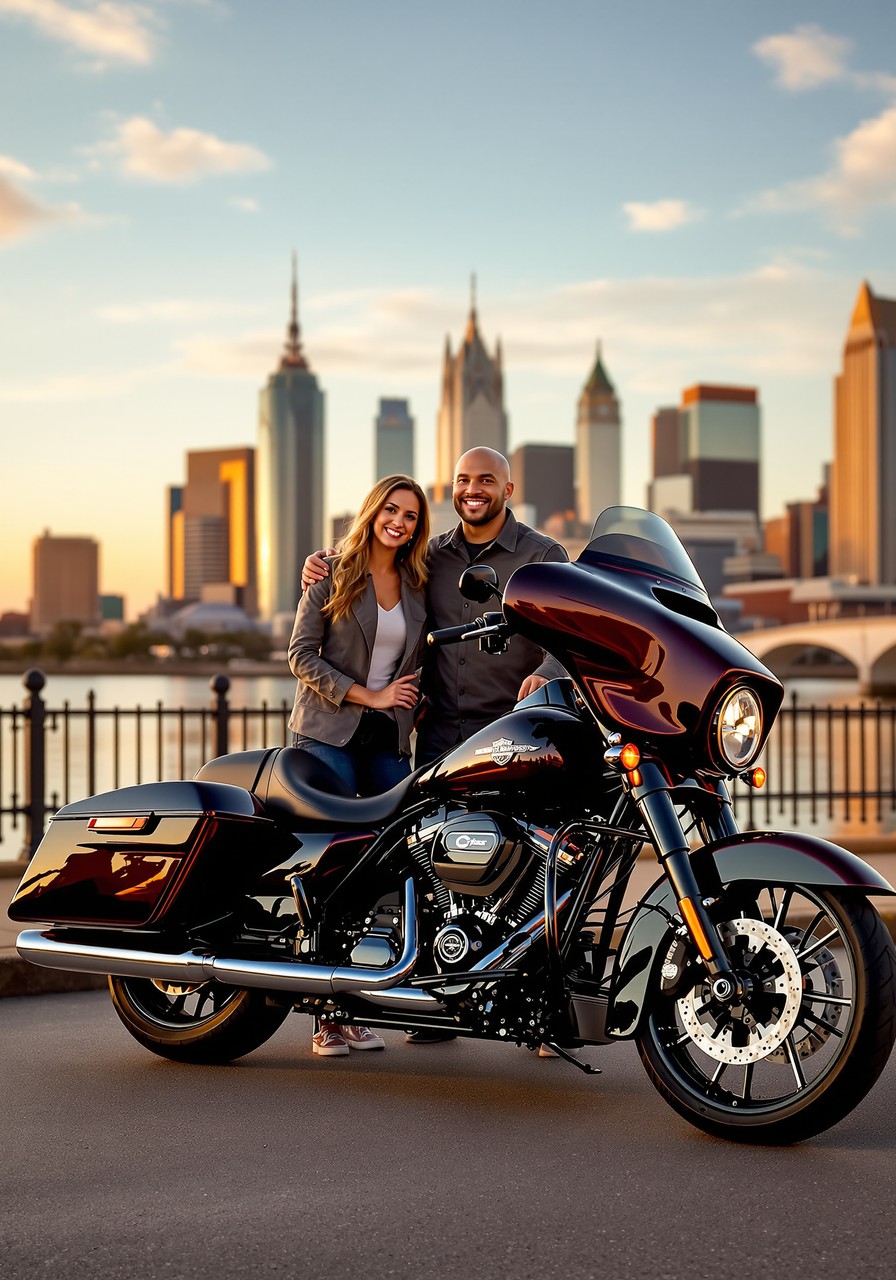
Reminder, riders: a free case review is your ticket into the $20,000 BikersWin giveaway. No purchase, no catch. Call (502) 222-2222. #RideNationKY #MotorcycleGiveaway #Kentuckiana
Local KY & Rides
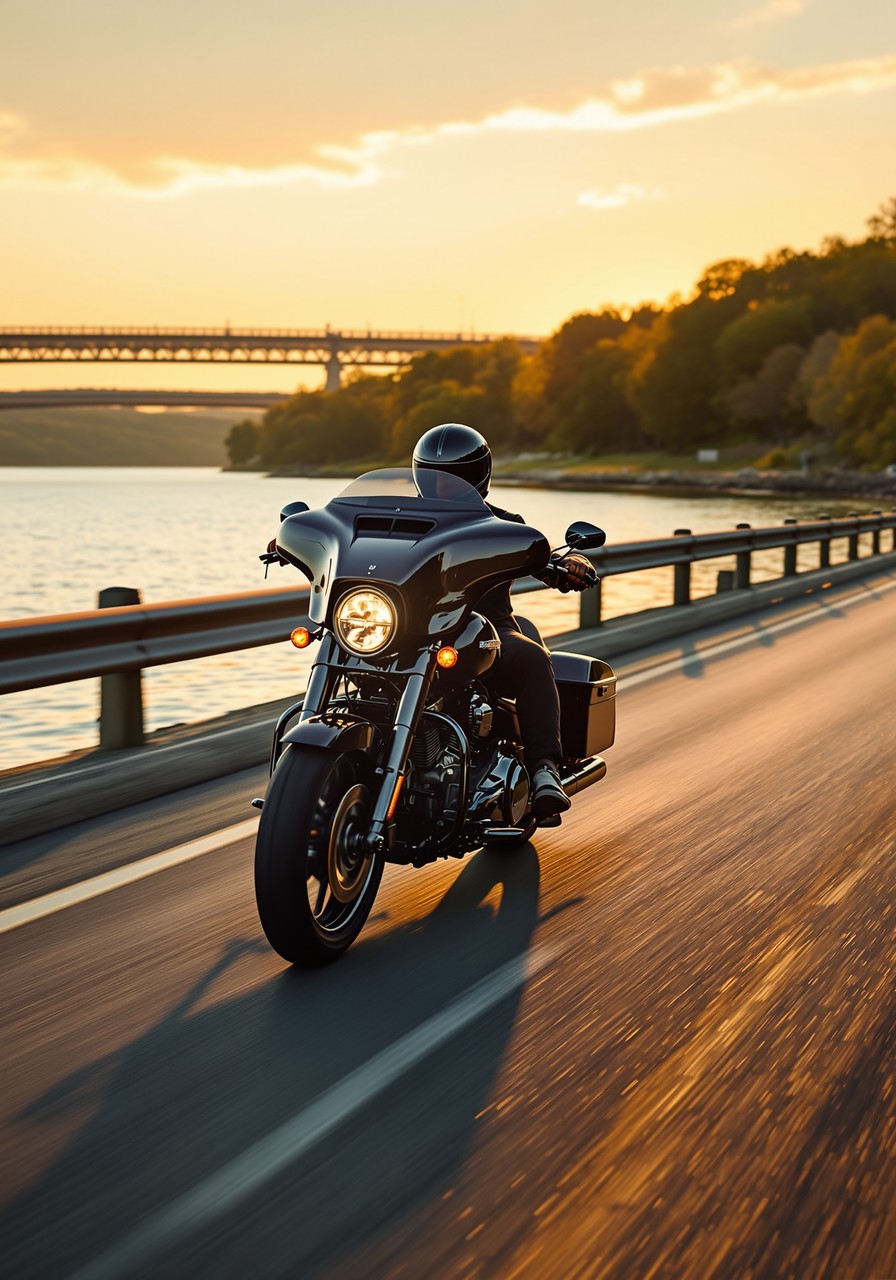
I-65 south is the fast way toward Bernheim and the bluegrass beyond. Watch the seams and the truck ruts through the construction zones. #RideNationKY #KentuckyRiders
Gear & New Iron
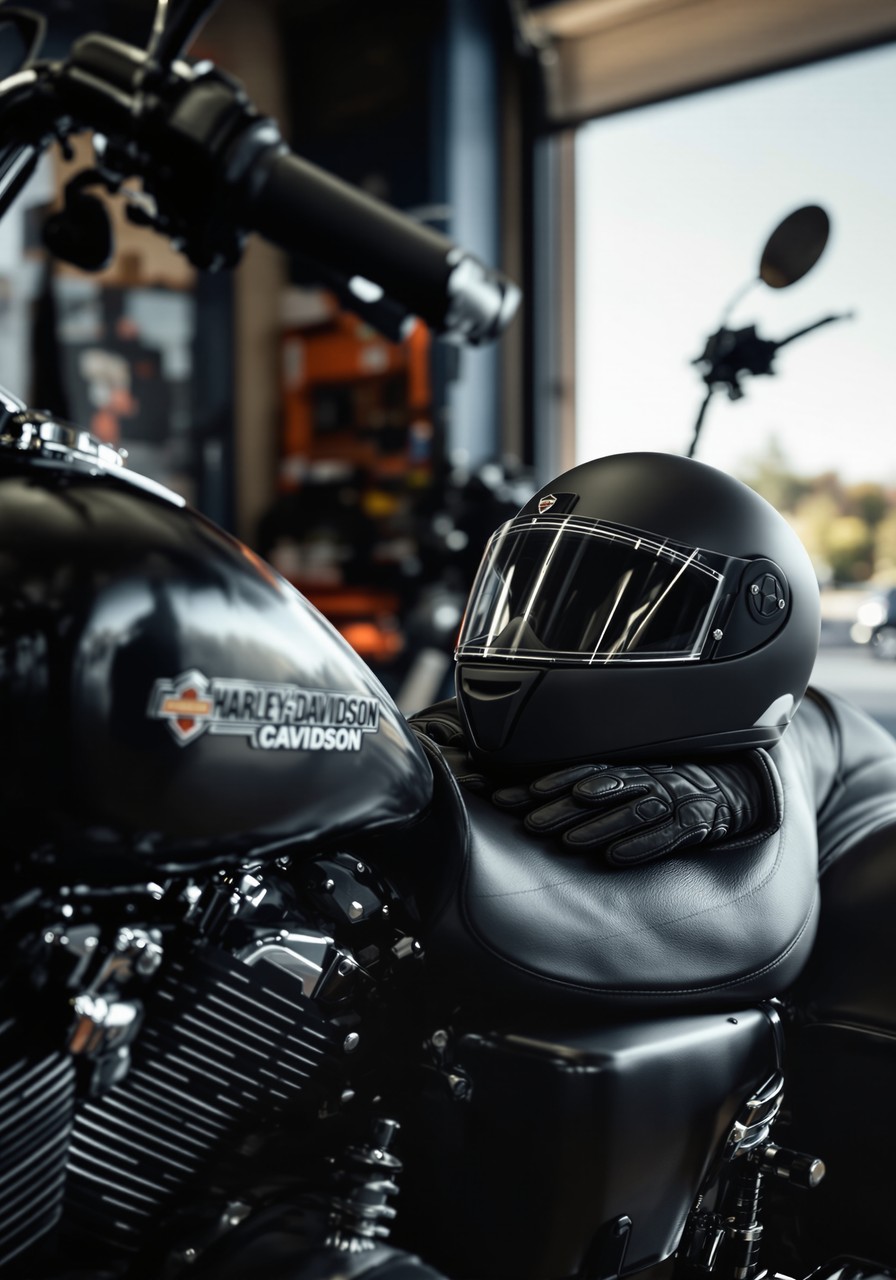
Cold air drops your tire pressure. Check it on a cold morning before you ride, not after, and set it to the number on your swingarm sticker. #RideNationKY #ColdWeatherRiding #MotorcycleMaintenance
Safety & KY Law
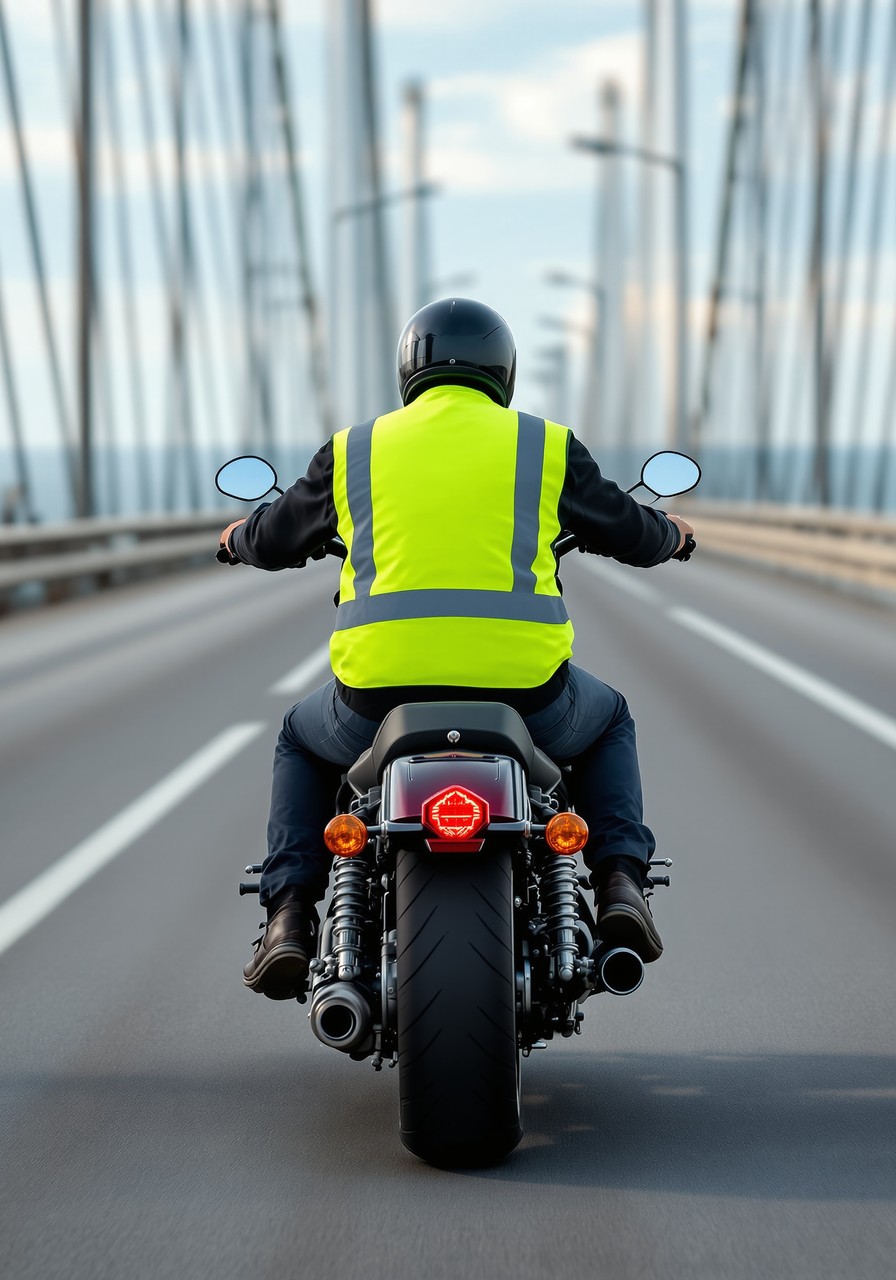
Health insurance, the at-fault driver, UM/UIM: after a Kentucky bike crash the coverage stack matters. Let us map yours. Call (502) 222-2222. #RideNationKY #KentuckyRiders #Kentuckiana
Engagement
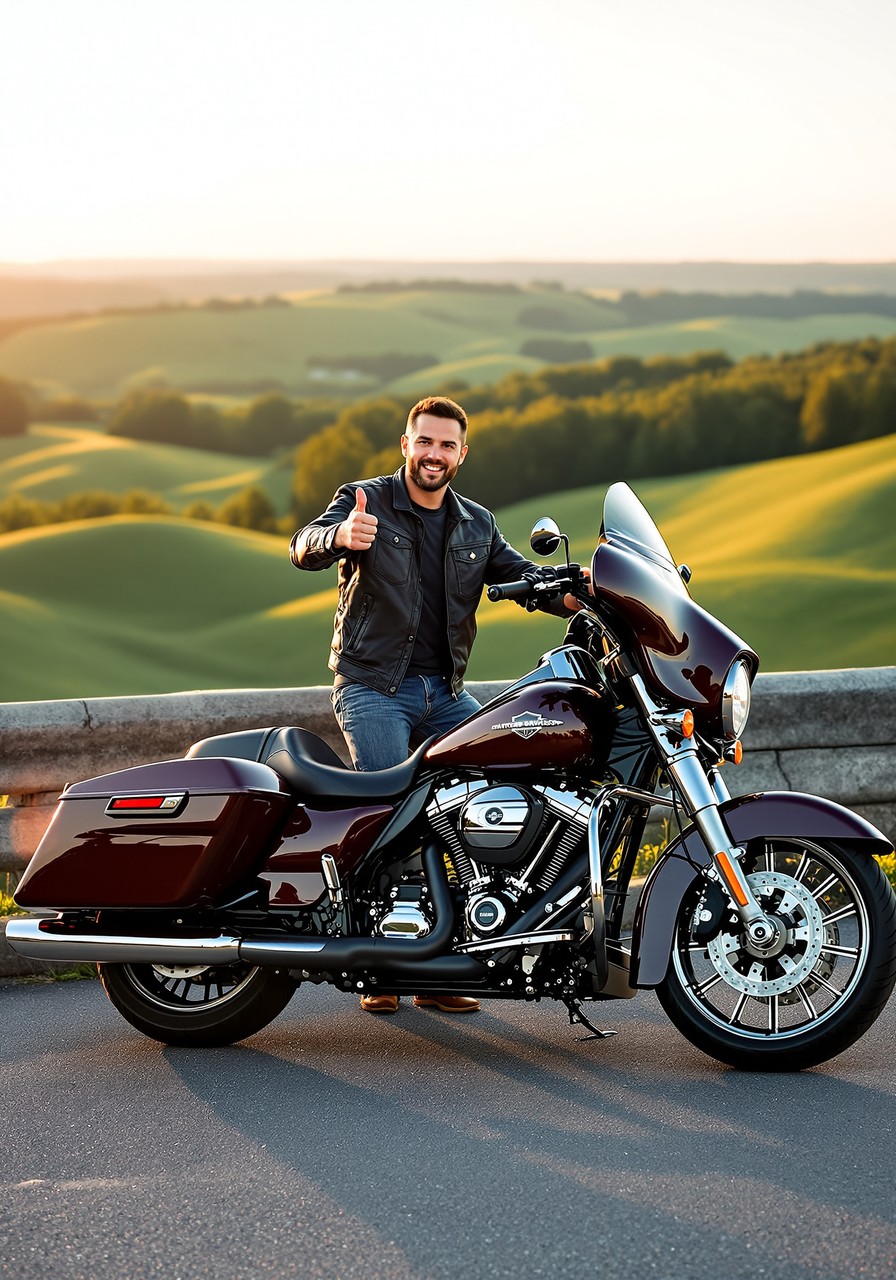
Tag the buddy whose garage becomes the winter hangout every December. #RideNationKY #RideOrDie #LouisvilleRiders
Giveaway & Countdown
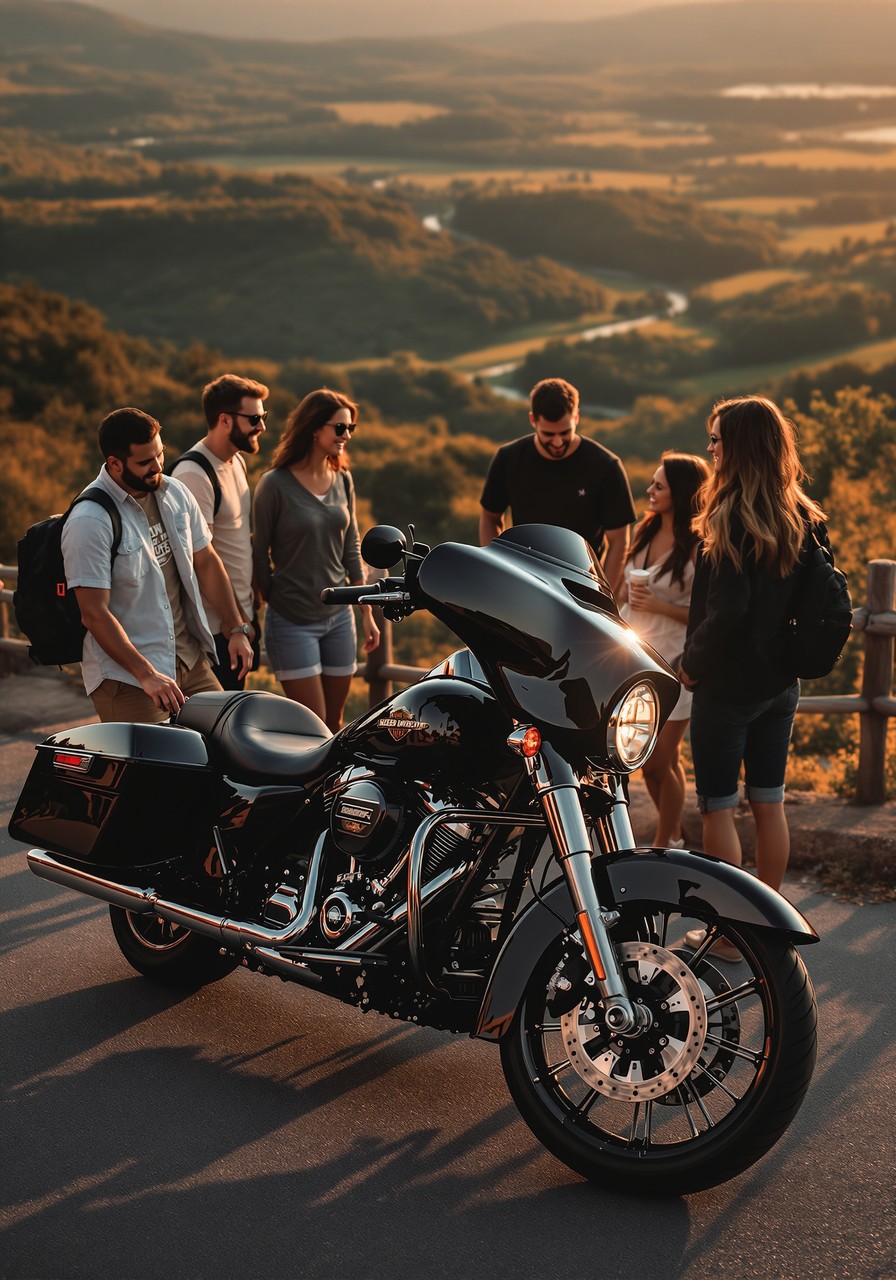
Tag a friend who needs to know about this. The BikersWin $20,000 giveaway does not wait around. #RideNationKY #20kGiveaway #LouisvilleRiders
Local KY & Rides
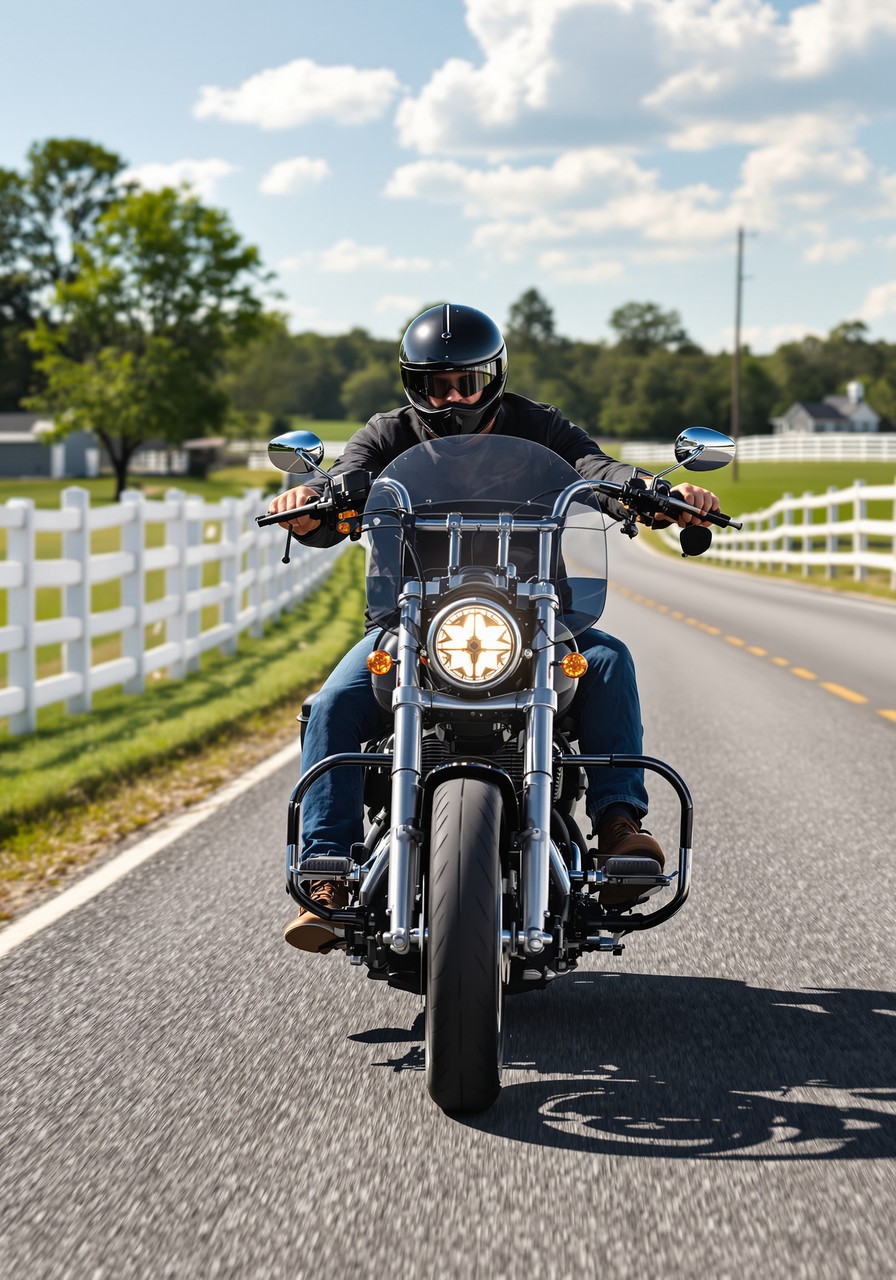
I-71 northeast toward the river towns is an underrated stretch when you want miles without the city noise. #RideNationKY #KentuckyRiders #MotorcycleRoads
Gear & New Iron
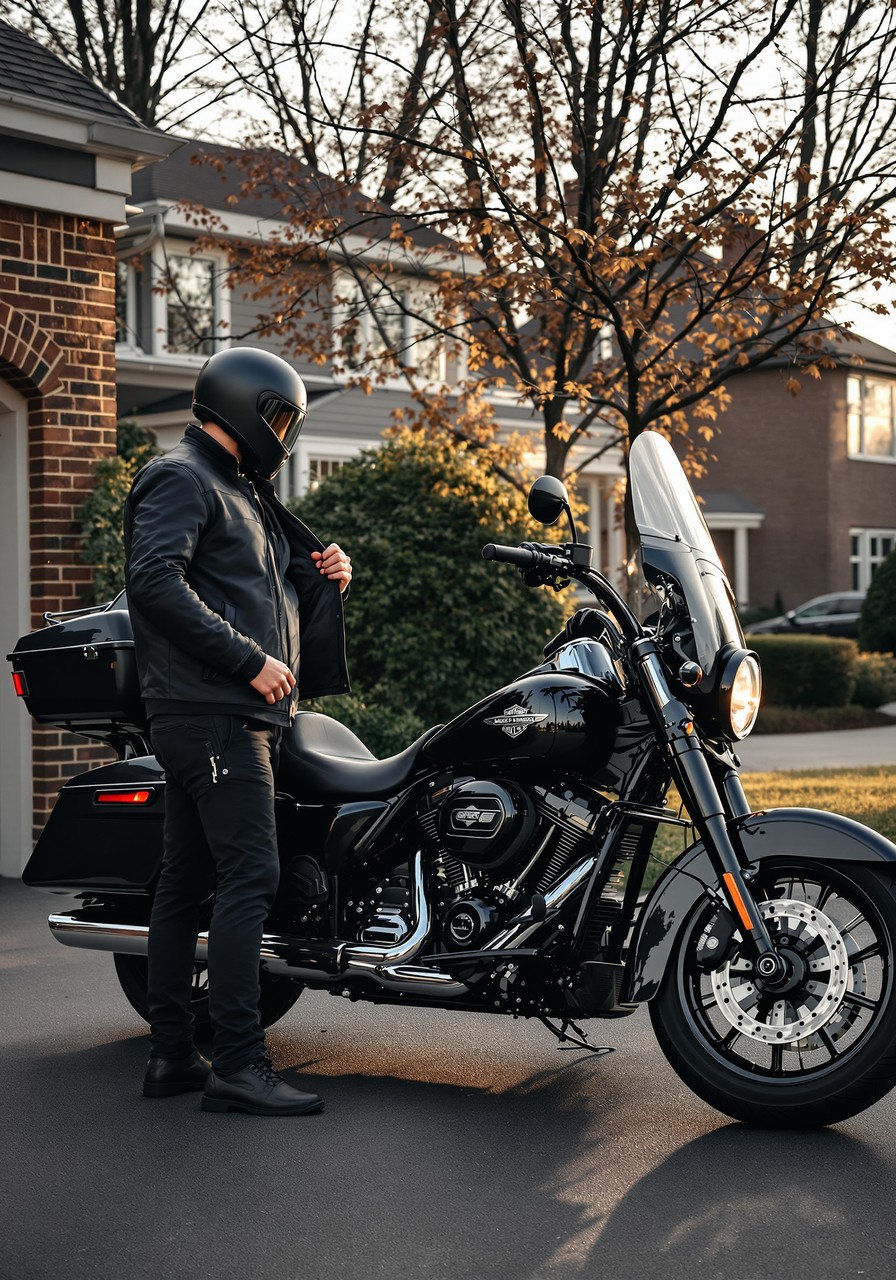
Brake fluid absorbs water over time and that lowers its boiling point. Flush it on schedule so your lever stays firm when you need it. #RideNationKY #MotorcycleMaintenance #RiderTips
Safety & KY Law
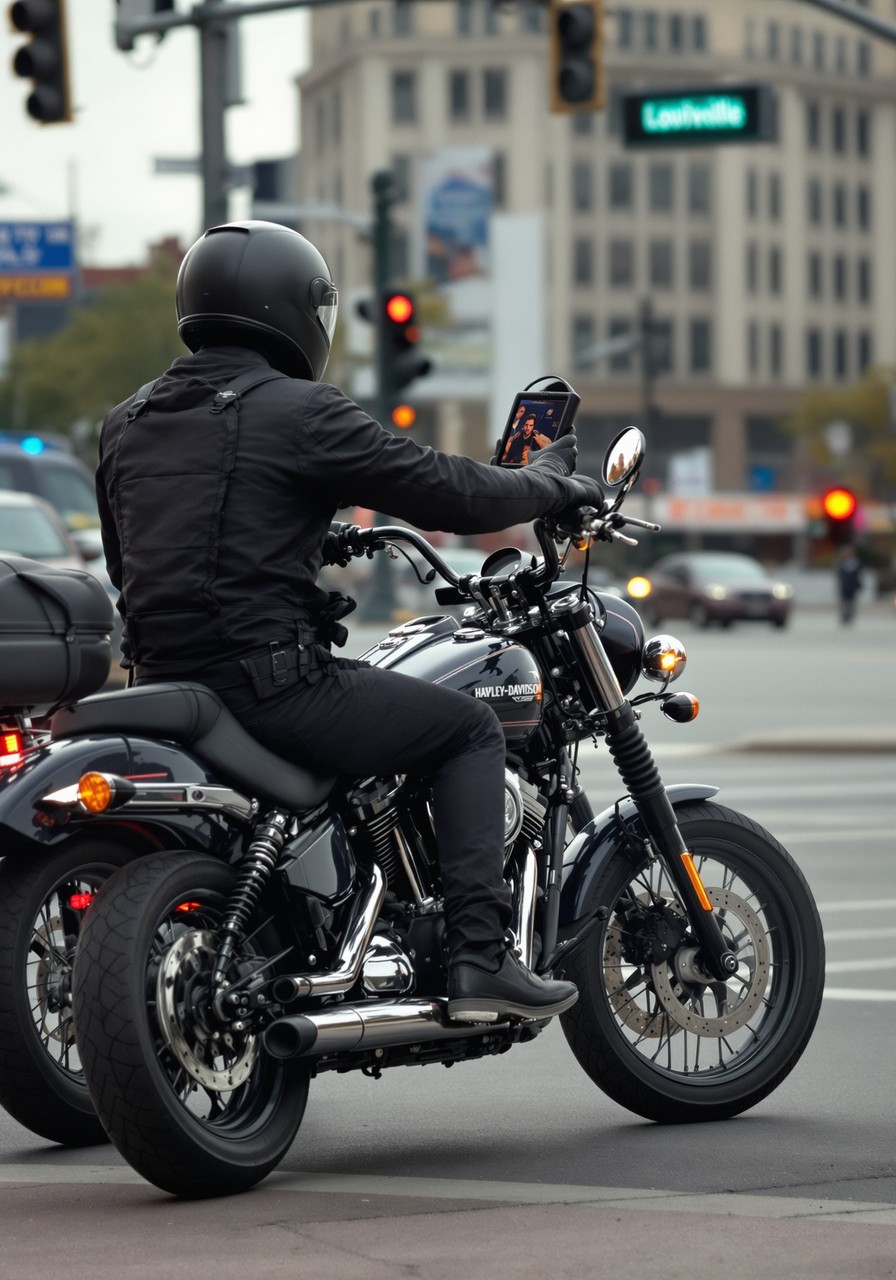
Freeze-thaw potholes on Louisville streets put riders down every spring. If a road hazard wrecked you, know your options. Call (502) 222-2222. #RideNationKY #MotorcycleSafety #LouisvilleRiders
Engagement
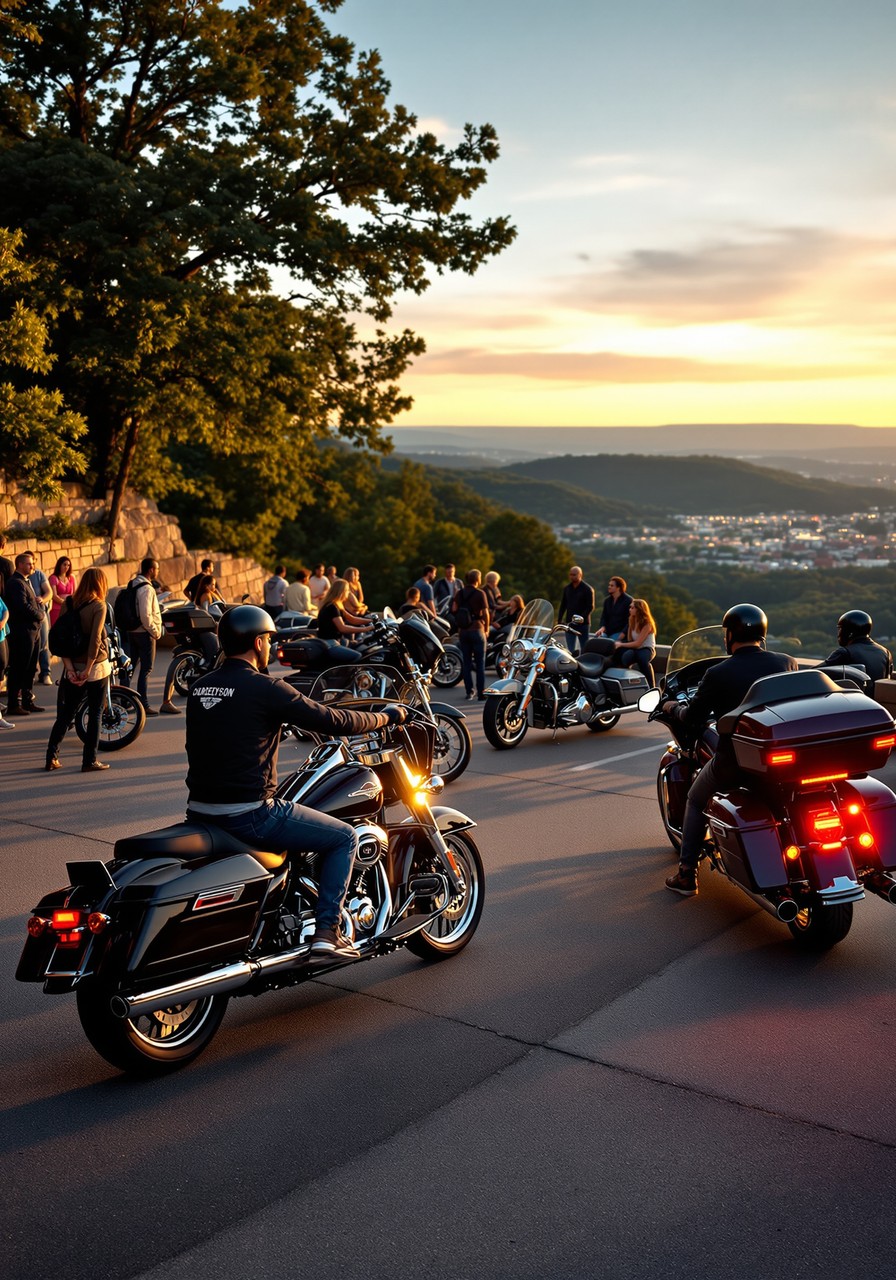
Real talk: how many days into the Kentucky layup before you start pacing the garage? Drop a number. #RideNationKY #KentuckyRiders #BikerLife
Giveaway & Countdown
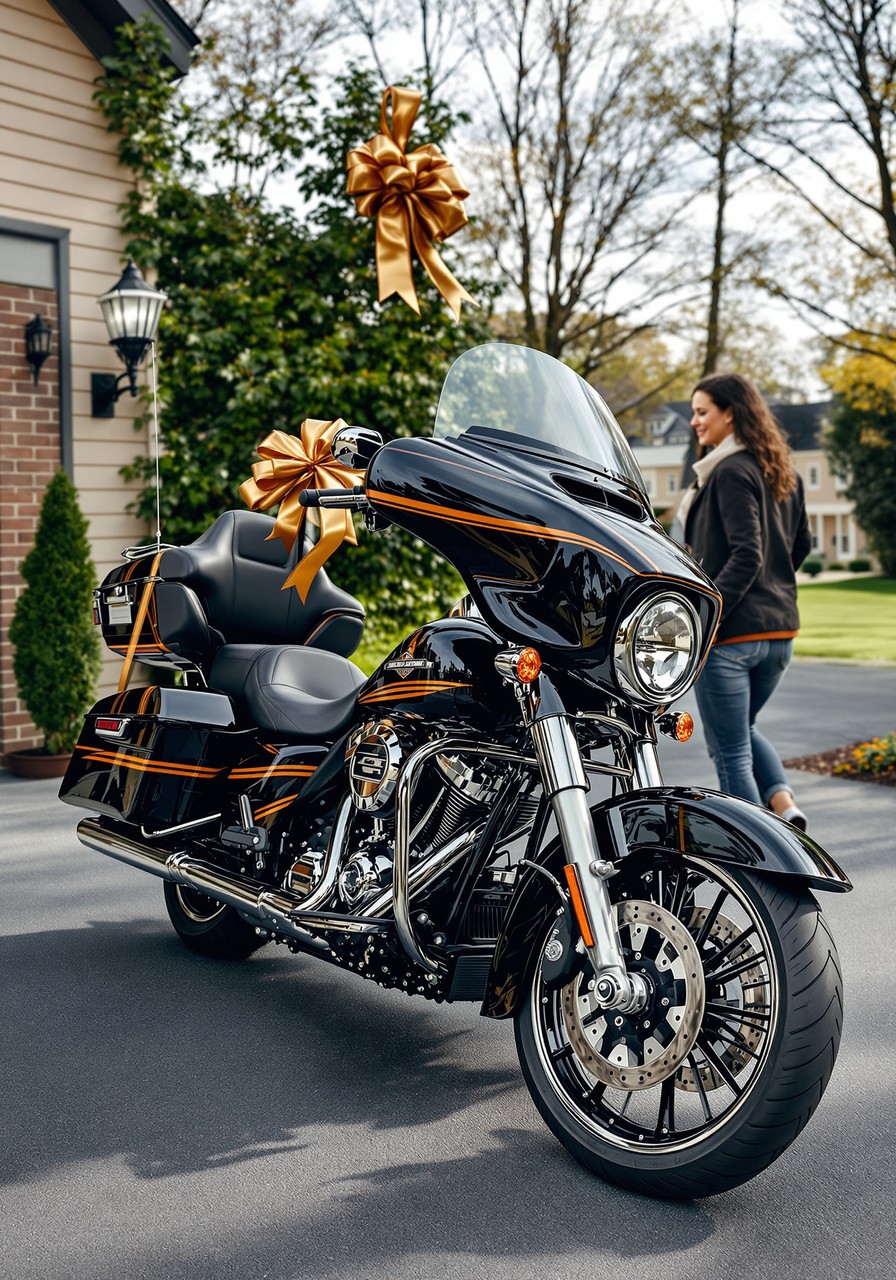
Crash left you sorting out a claim? Talking it through with us gets you entered in the $20,000 giveaway, free of charge. (502) 222-2222. #RideNationKY #BikersWin #KentuckyRiders
Local KY & Rides
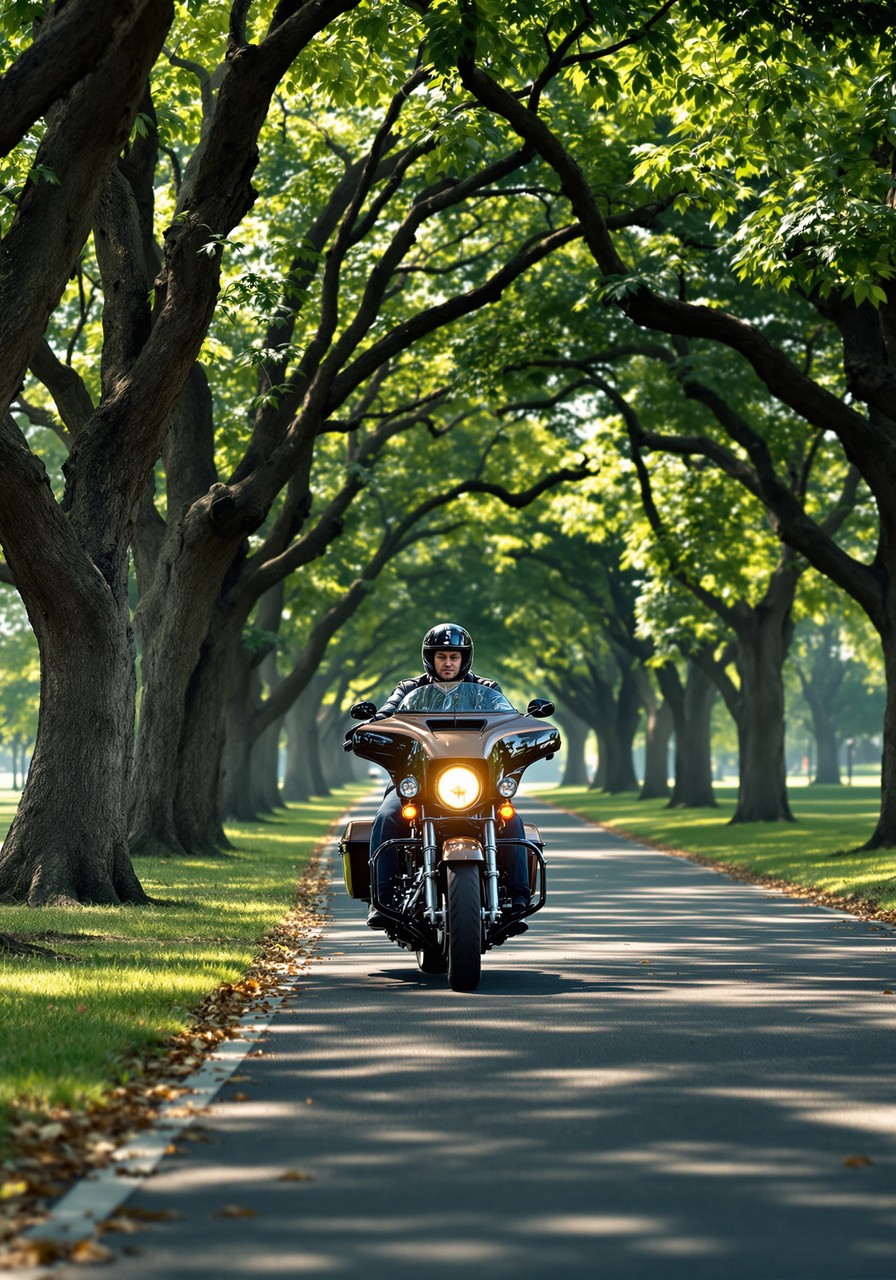
The Watterson at rush hour tests everybody. Cover your brakes, watch the lane changes, and pick a calmer route if you can. #RideNationKY #LouisvilleRiders
Gear & New Iron
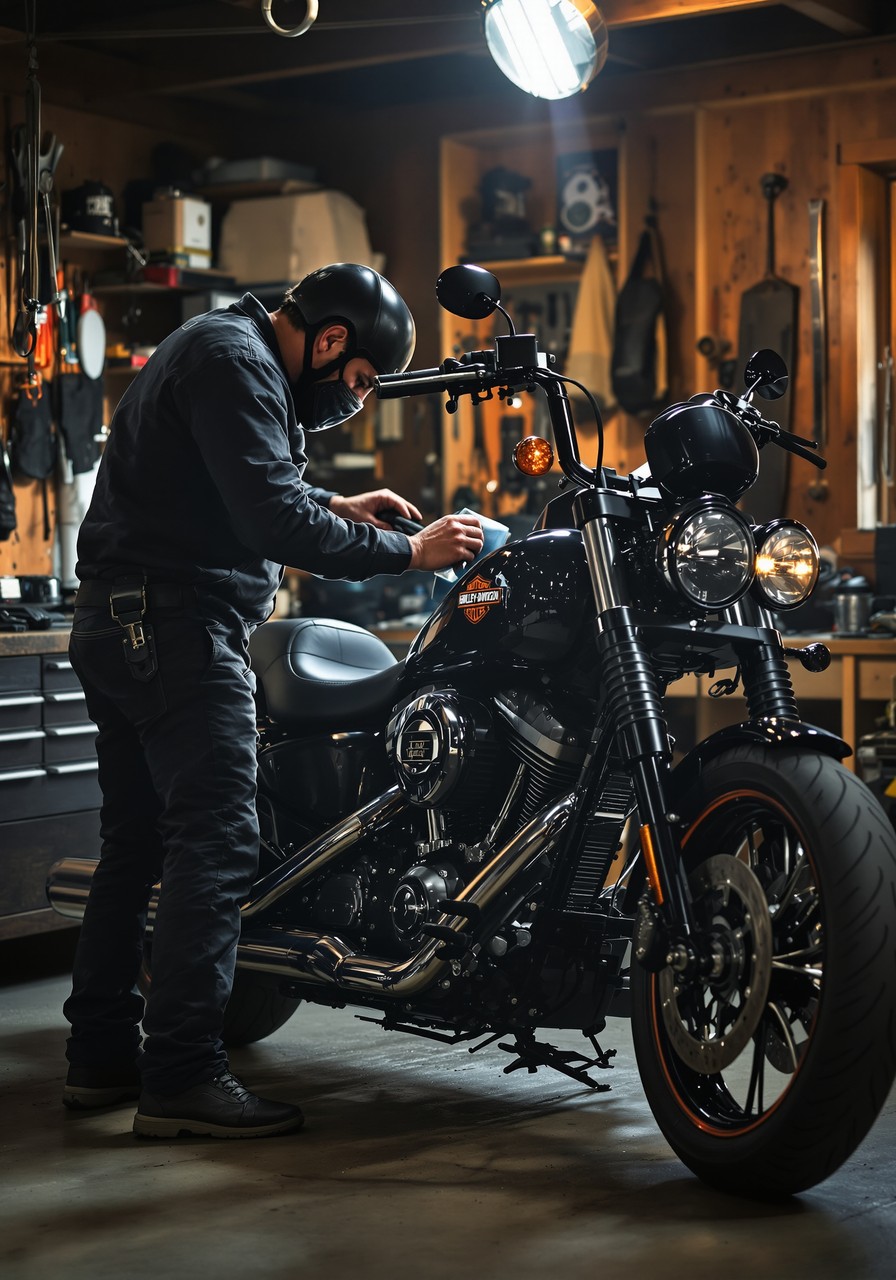
Chain care is cheap insurance. Clean it, lube it, and check the slack on a regular basis. A neglected chain wears the sprockets and robs your power. #RideNationKY #MotorcycleMaintenance #BikerLife
Safety & KY Law
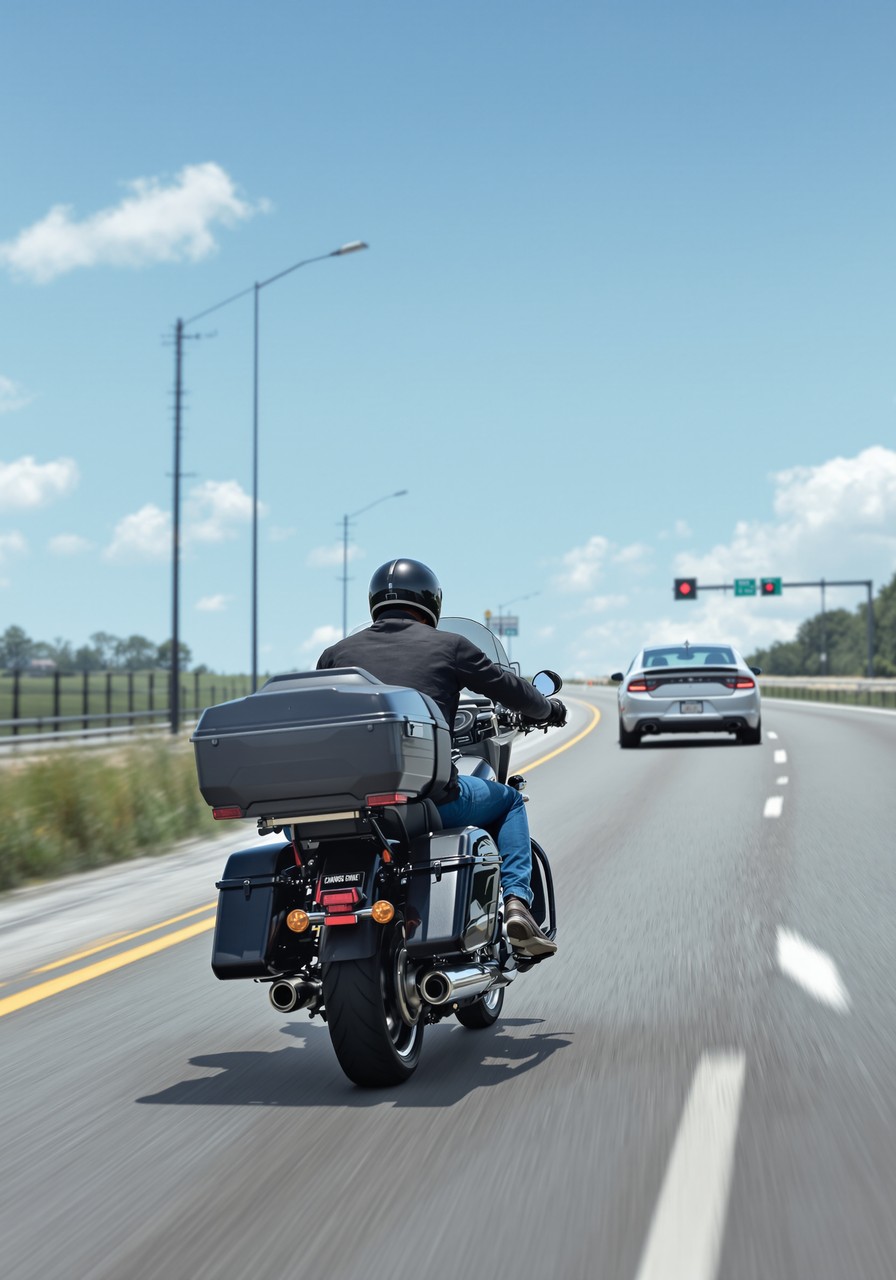
Got helmet cam footage of the crash? Save it, do not post it yet. It can be strong evidence. Ask us how to use it: (502) 222-2222. #RideNationKY #RiderRights #KnowYourRights
Engagement
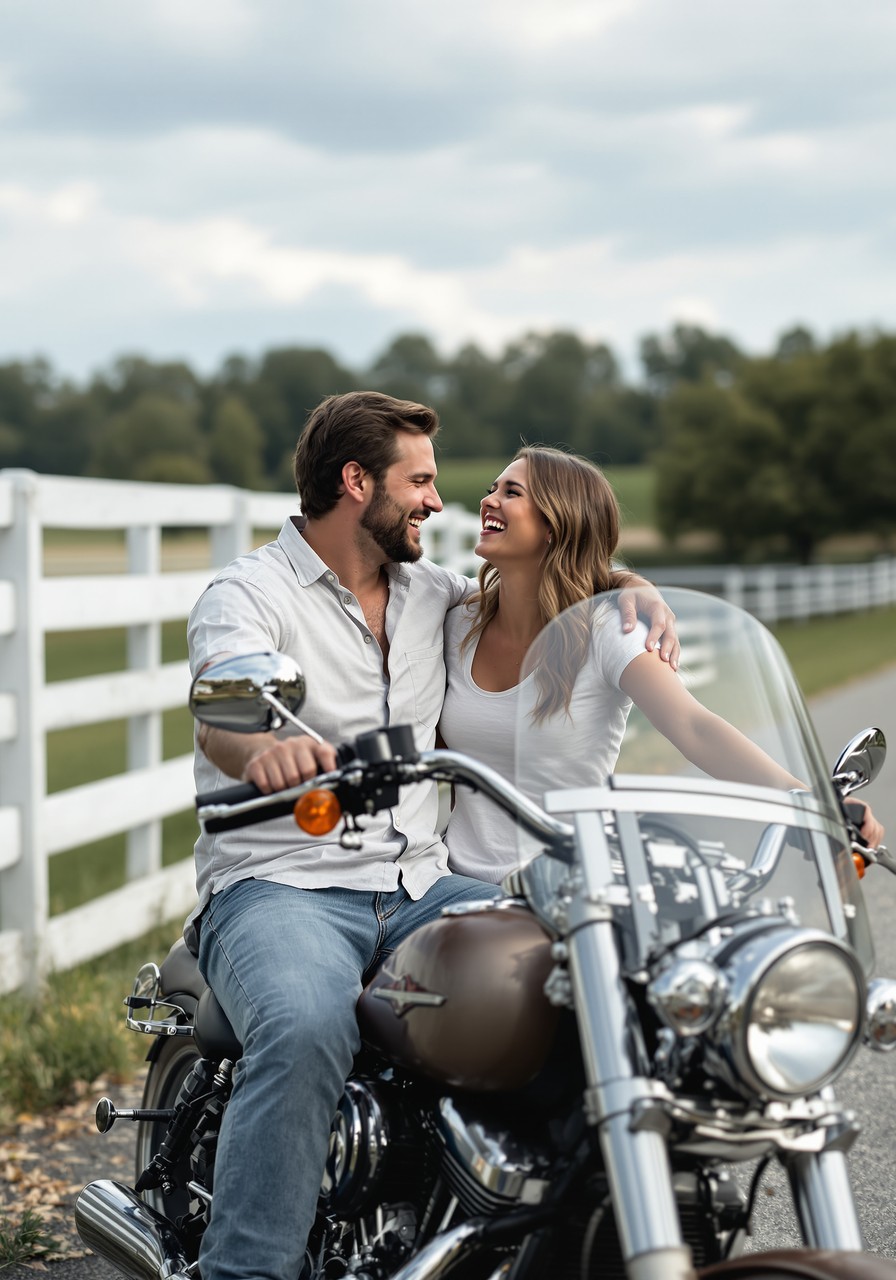
Caption this: pulling the cover off the bike on the first dry Saturday of the year. #RideNationKY #DerbyCity #TwoWheels
Giveaway & Countdown
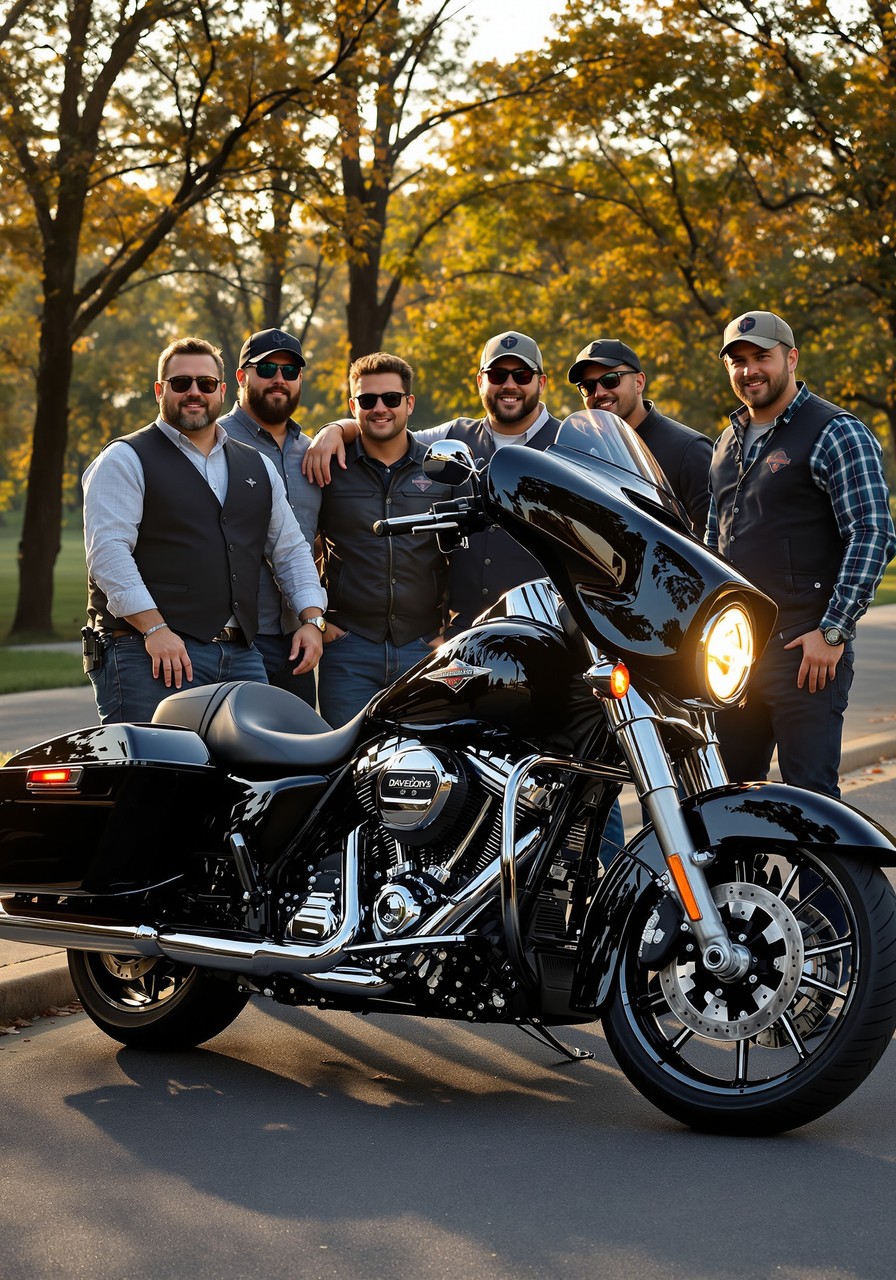
The countdown clock keeps running, Louisville. Get your name in the BikersWin $20,000 giveaway before it winds down. #RideNationKY #MotorcycleGiveaway #Kentuckiana
Local KY & Rides
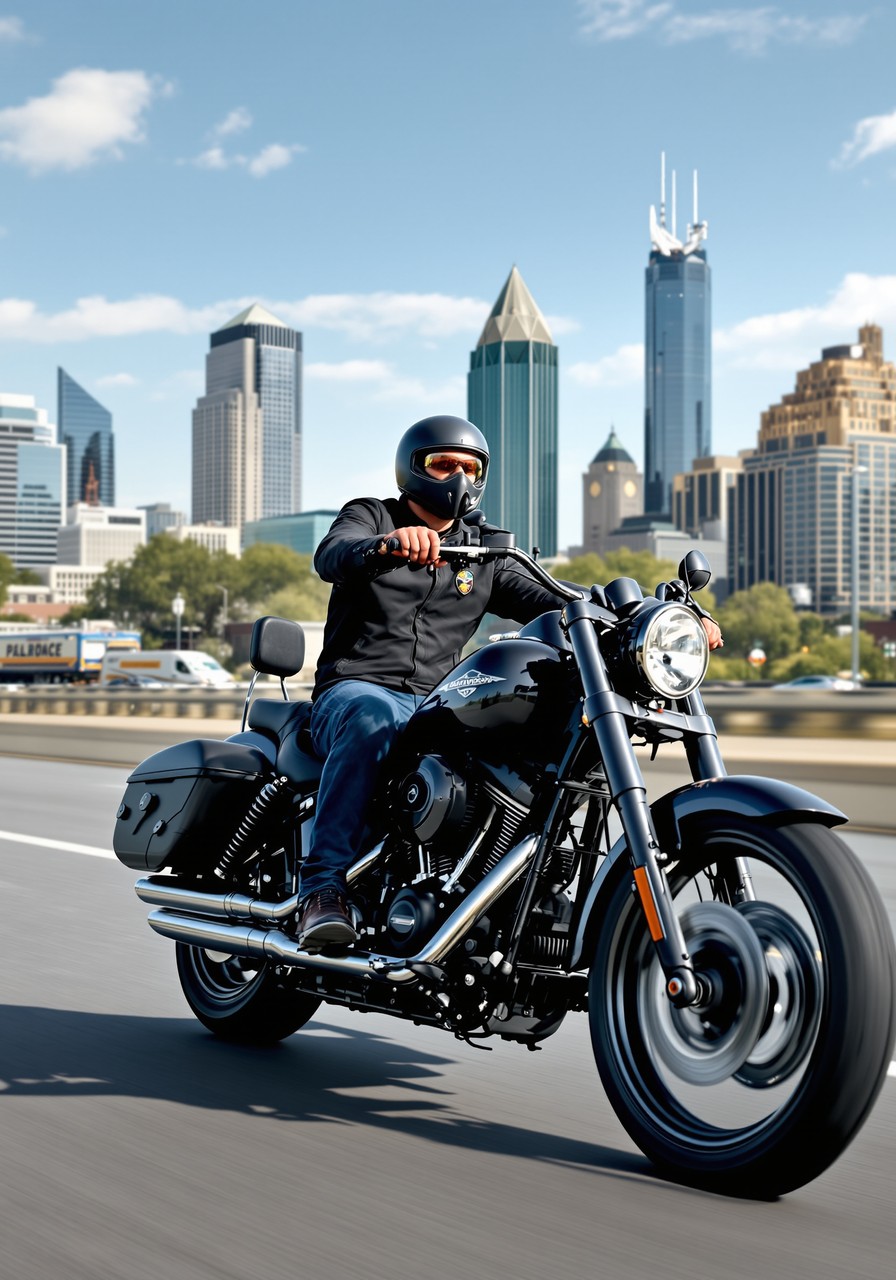
The Gene Snyder loops the whole east and south side. Handy for stitching a longer ride together on a free afternoon. #RideNationKY #LouisvilleRiders #MotorcycleRoads
Gear & New Iron
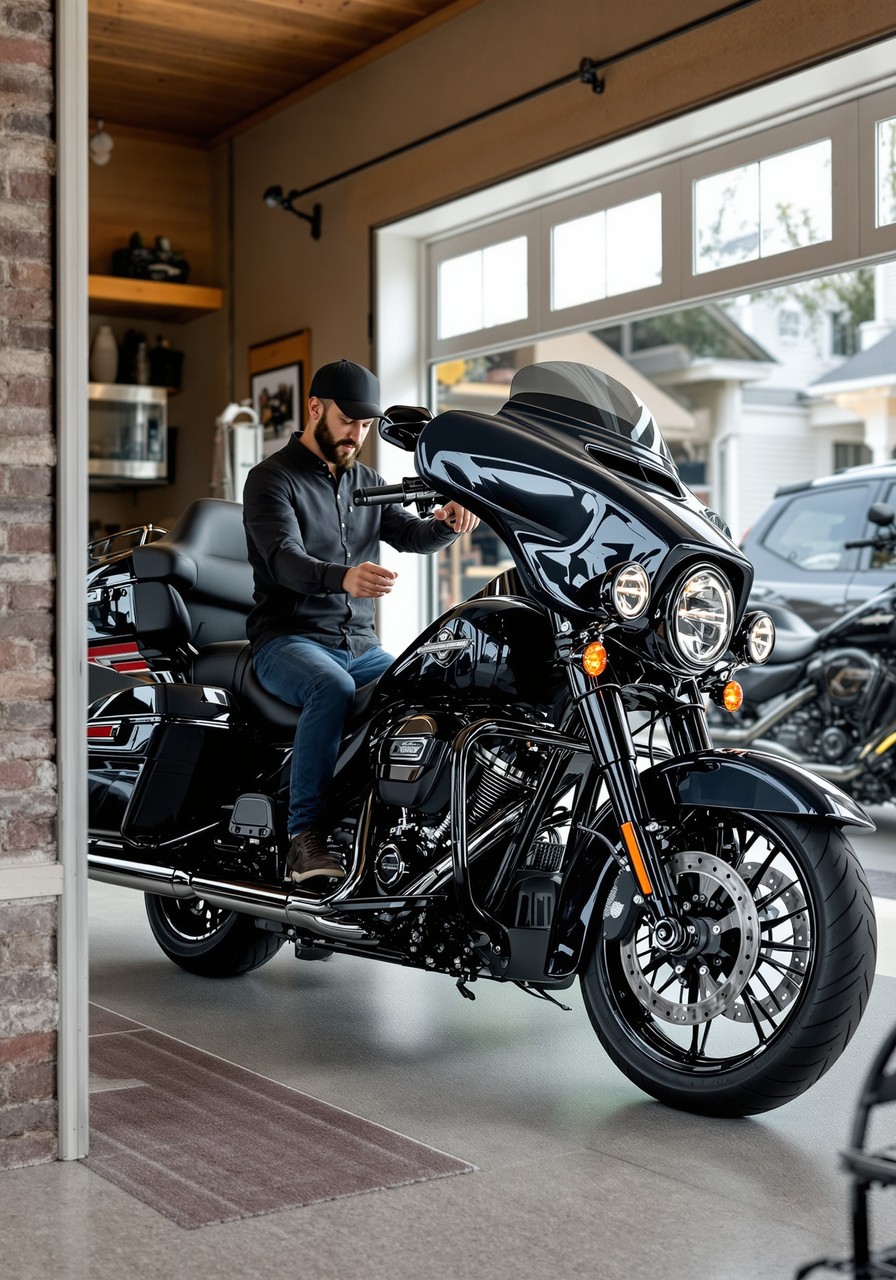
Kentucky roads get salted all winter. If you ride on a warm day, rinse the salt off the frame and chain when you get home. It eats metal fast. #RideNationKY #ColdWeatherRiding #MotorcycleMaintenance
Safety & KY Law
Because BRB no-fault skips motorcycles in Kentucky, your own bills are on you unless you plan ahead. Review your coverage with us. Call (502) 222-2222. #RideNationKY #KentuckyRiders #RiderRights
Engagement
Favorites thread: first bike you ever owned. We want the make, the model, and the story. #RideNationKY #BikerLife #KentuckyRiders
Giveaway & Countdown
Free to enter, free to ask. Call Karl Truman Law at (502) 222-2222 and we will get you set for the $20,000 BikersWin giveaway. #RideNationKY #BikersWin #20kGiveaway
Local KY & Rides
Bourbon Trail season is coming. Map your distillery stops now so spring is all riding and no planning. #RideNationKY #BourbonCountry #KentuckyRiders
Gear & New Iron
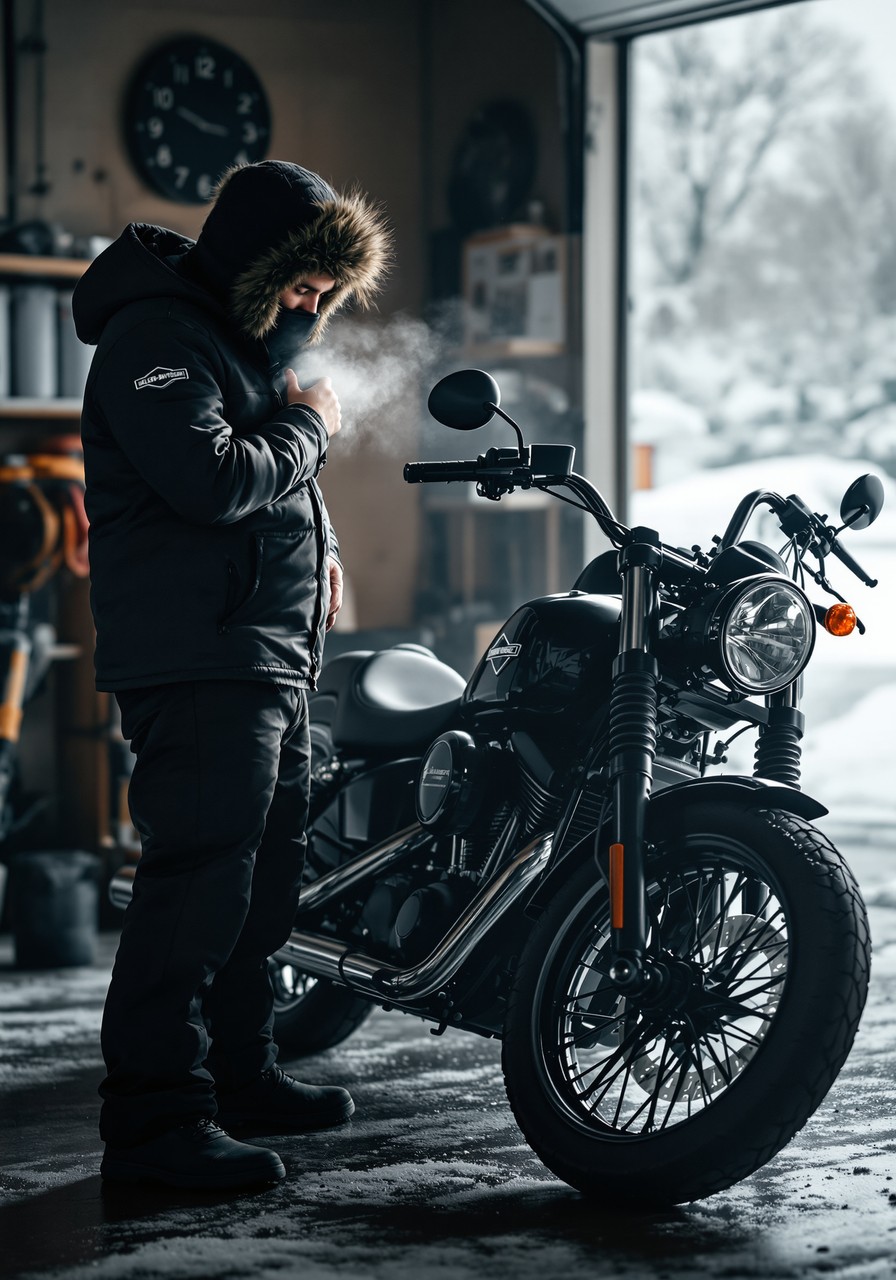
Storing the bike for winter? Add fuel stabilizer, top off the tank, and run it a few minutes so it circulates. Stale gas gums up carbs and injectors. #RideNationKY #MotorcycleMaintenance #ColdWeatherRiding
Safety & KY Law
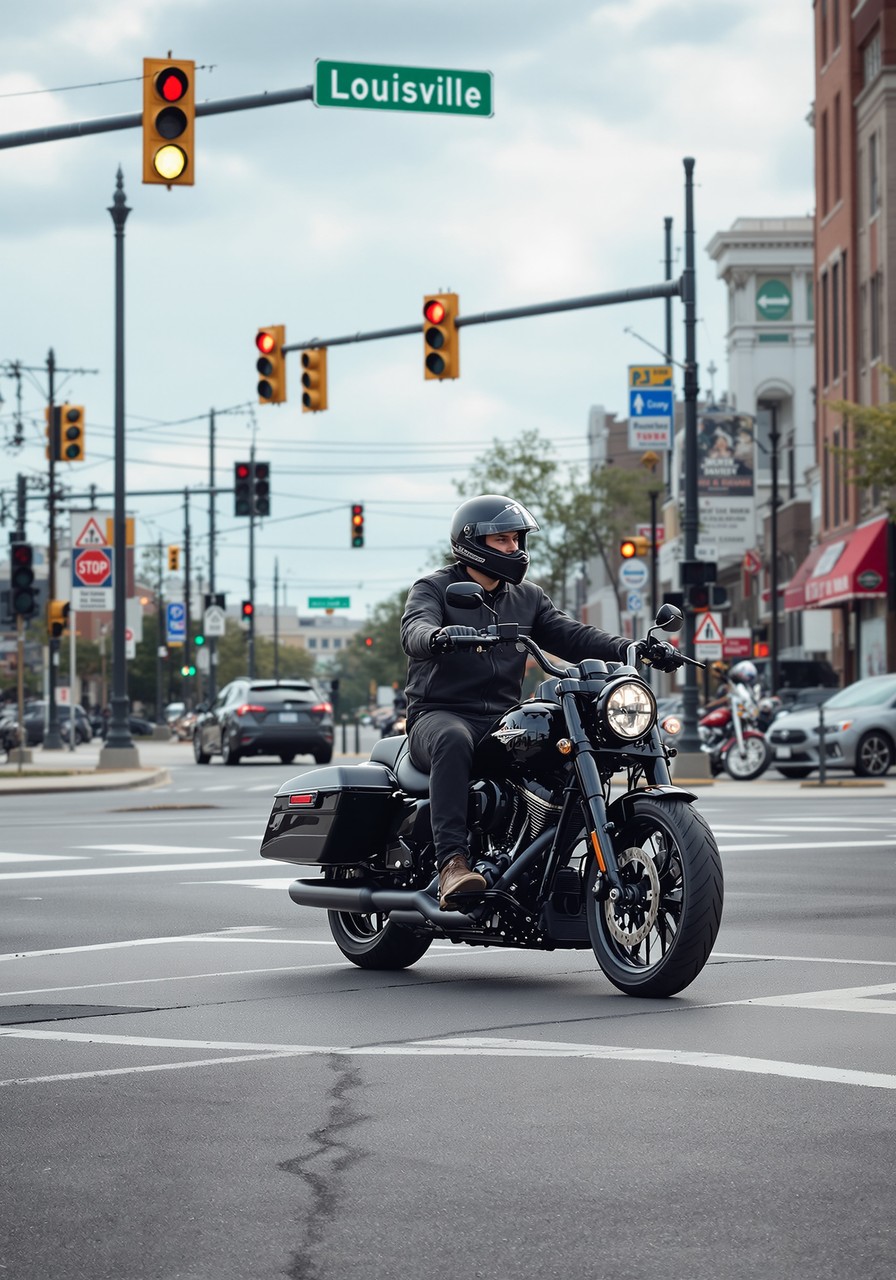
An adjuster calling the day after your wreck is not your friend. Know what to say first. Free to ask: (502) 222-2222. #RideNationKY #KnowYourRights #LouisvilleRiders
Engagement
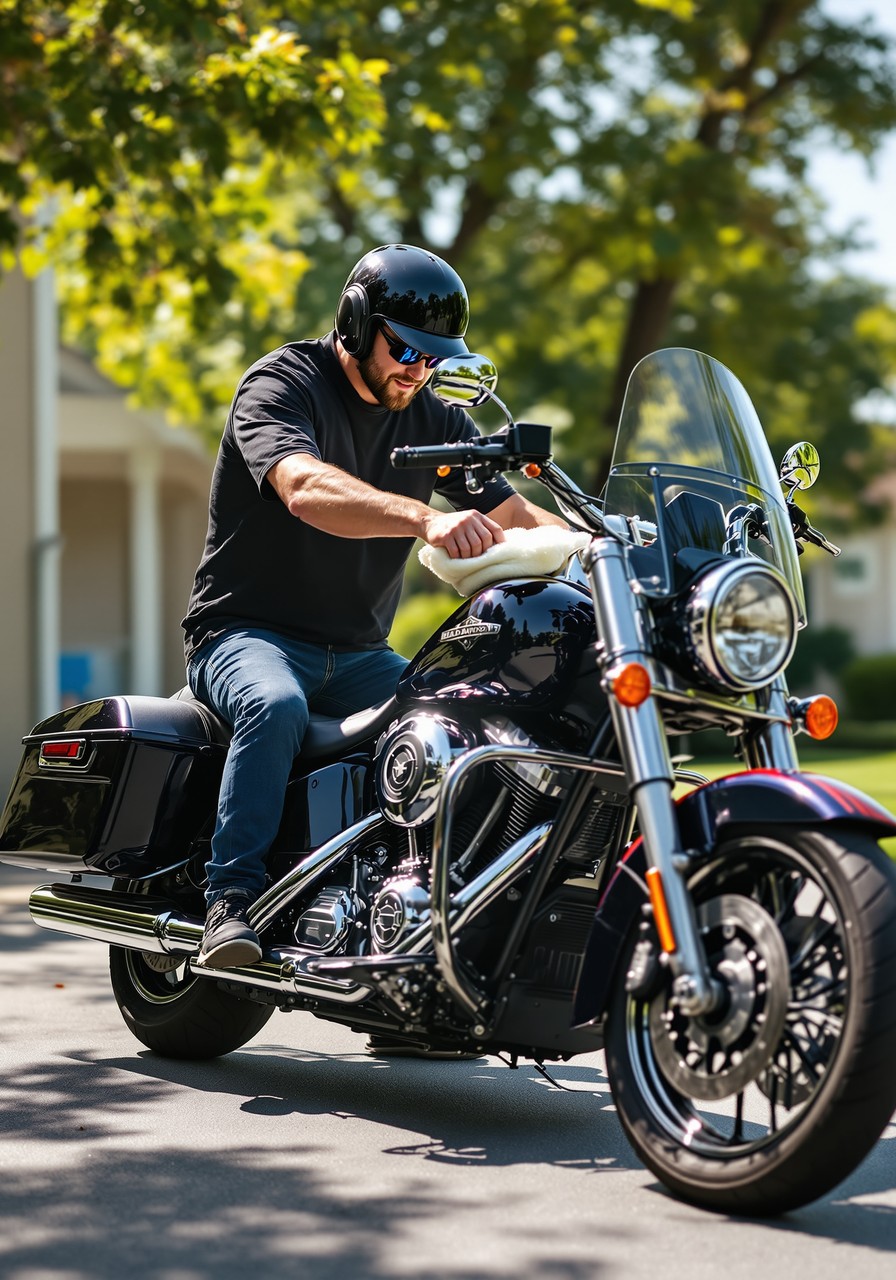
This or that: cross the Big Four on foot or take the bridges over the Ohio on two wheels. Pick your view. #RideNationKY #Kentuckiana #LouisvilleRiders
Giveaway & Countdown
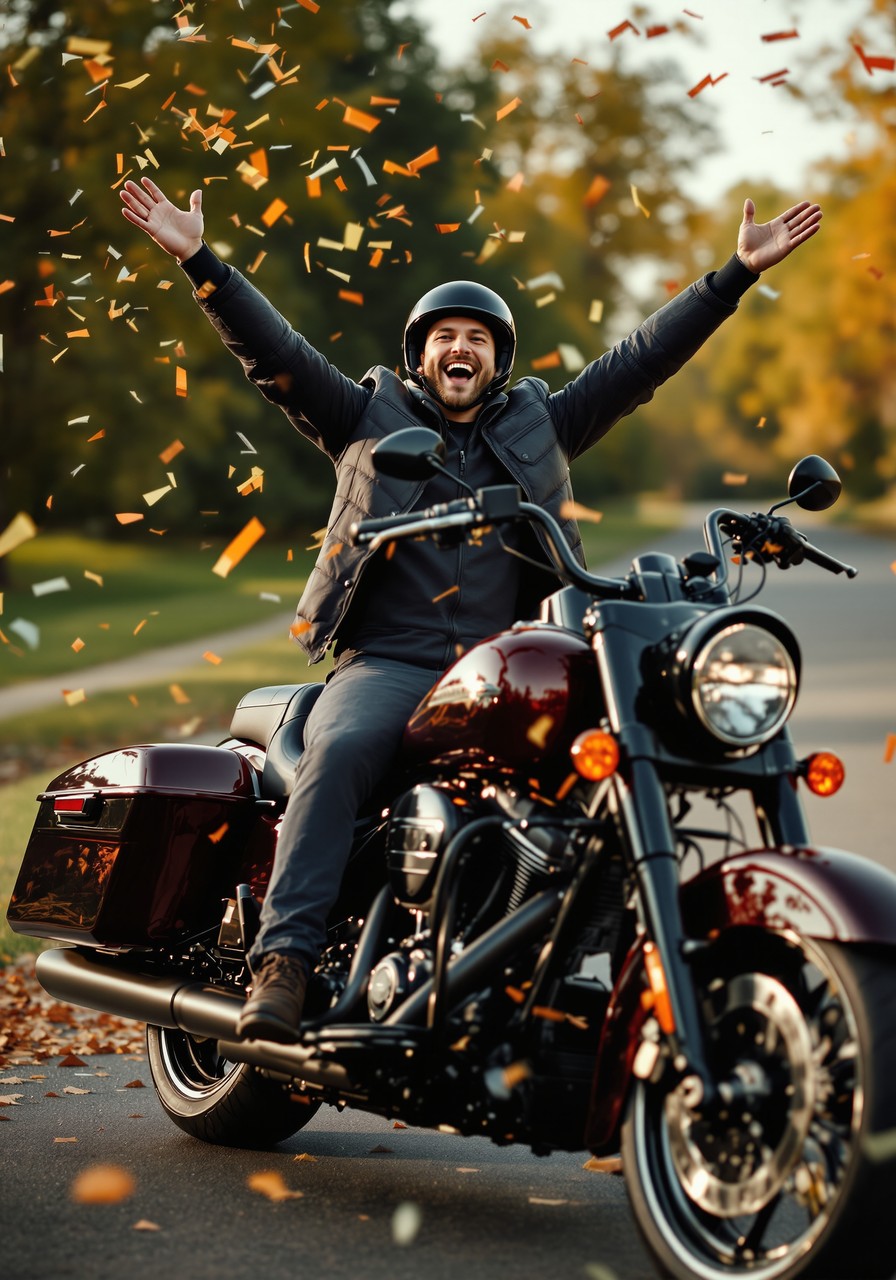
Ride Nation Louisville is buzzing and for good reason. Twenty thousand dollars is on the line. #RideNationKY #LouisvilleRiders #MotorcycleGiveaway
Local KY & Rides
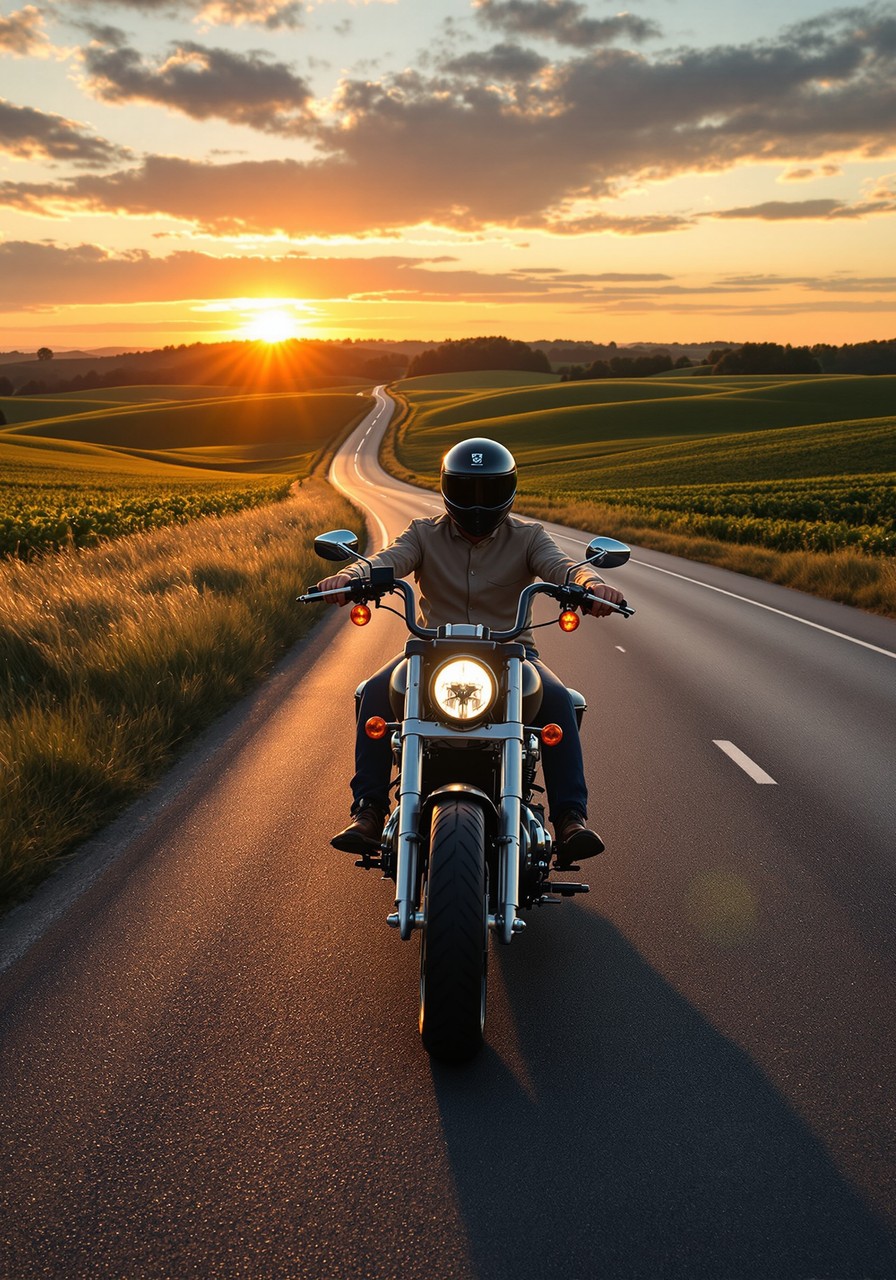
Bernheim Forest backroads in the fall, canopy overhead and no rush anywhere. One of the best short rides near the city. #RideNationKY #KentuckyRiders #MotorcycleRoads
Gear & New Iron
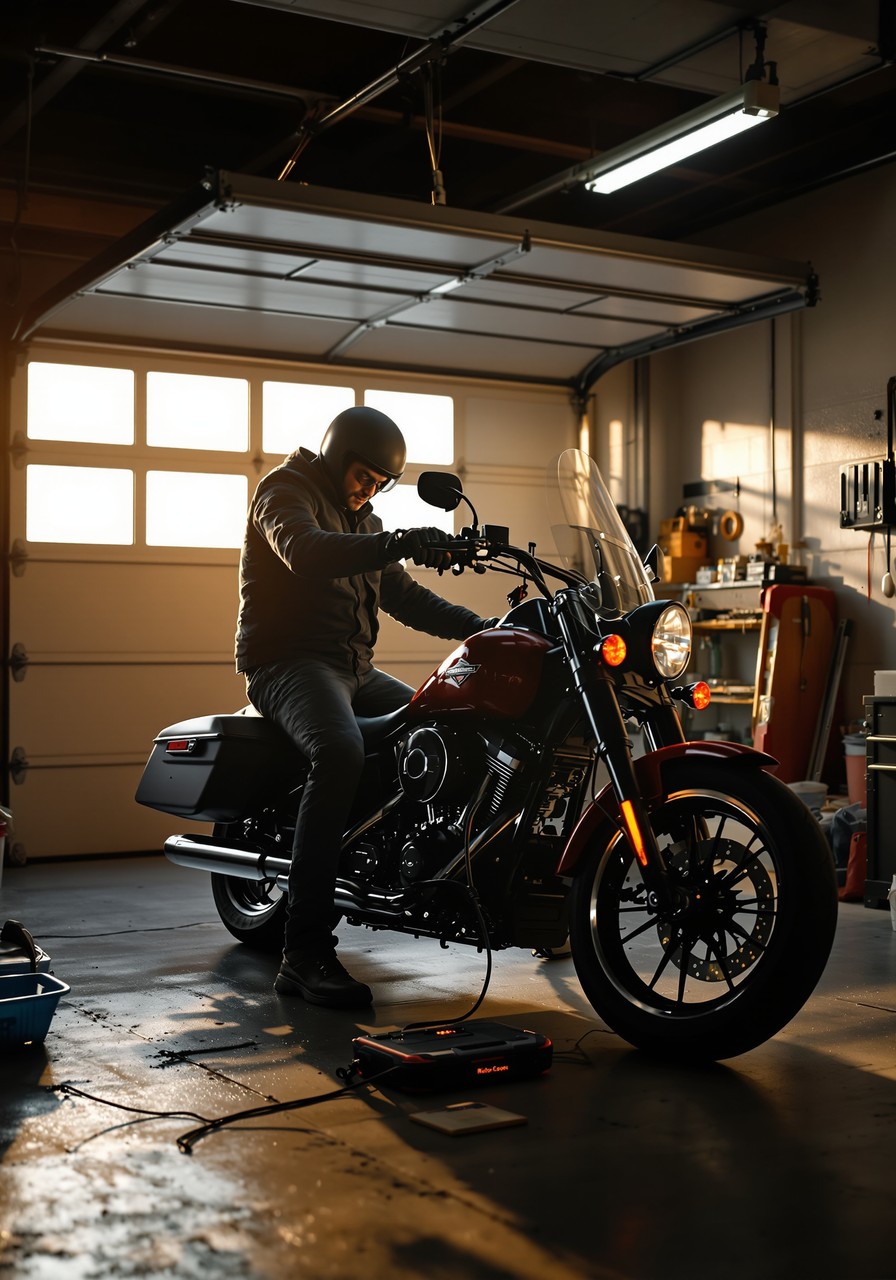
Foggy visor in the cold is dangerous. A cheap anti-fog insert or a pinlock stops it, and cracking the visor at stops helps too. See the hazard, avoid the hazard. #RideNationKY #ColdWeatherRiding #RiderTips
Safety & KY Law
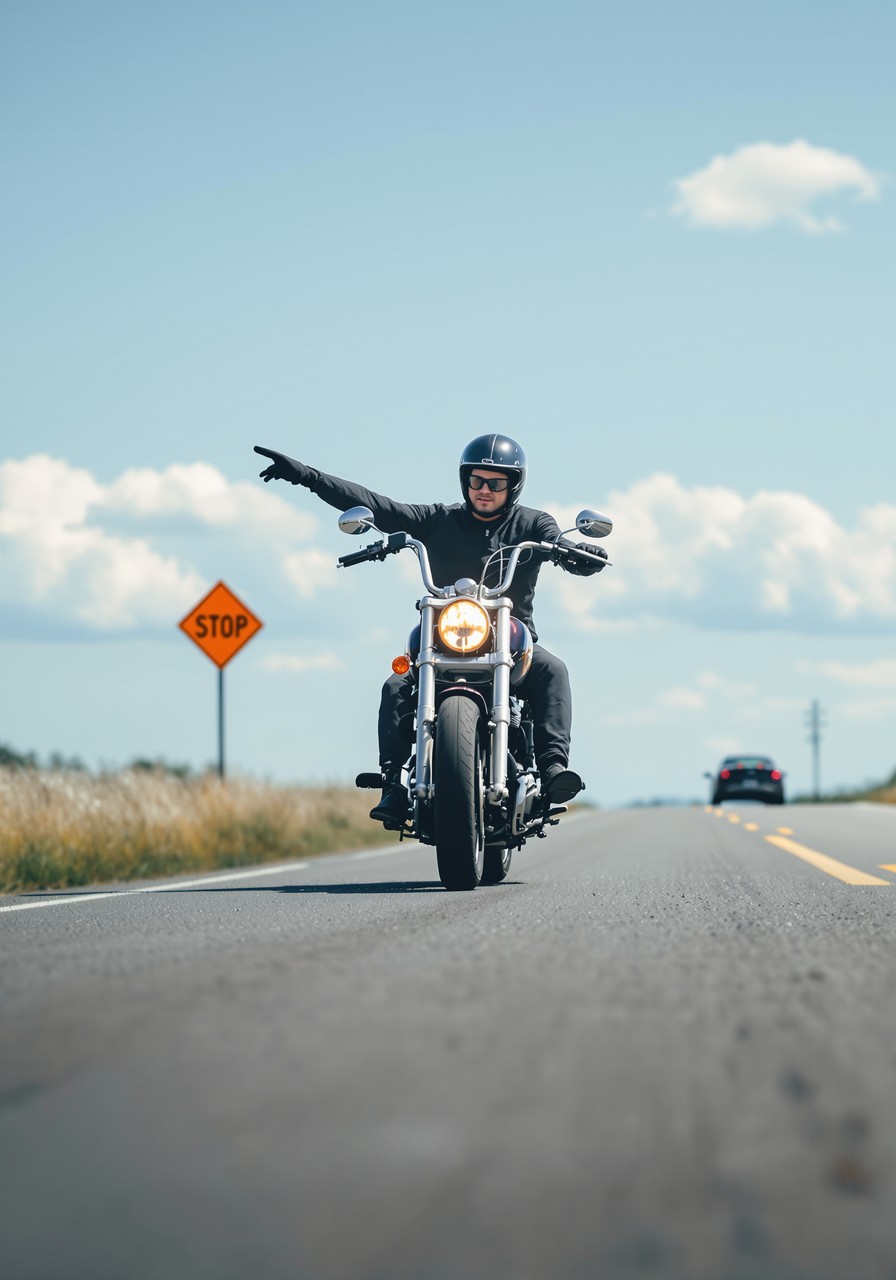
Injured on a group ride around Louisville and unsure who covers what? We sort the coverage so you can heal. Call (502) 222-2222. #RideNationKY #RiderRights #Kentuckiana
Engagement
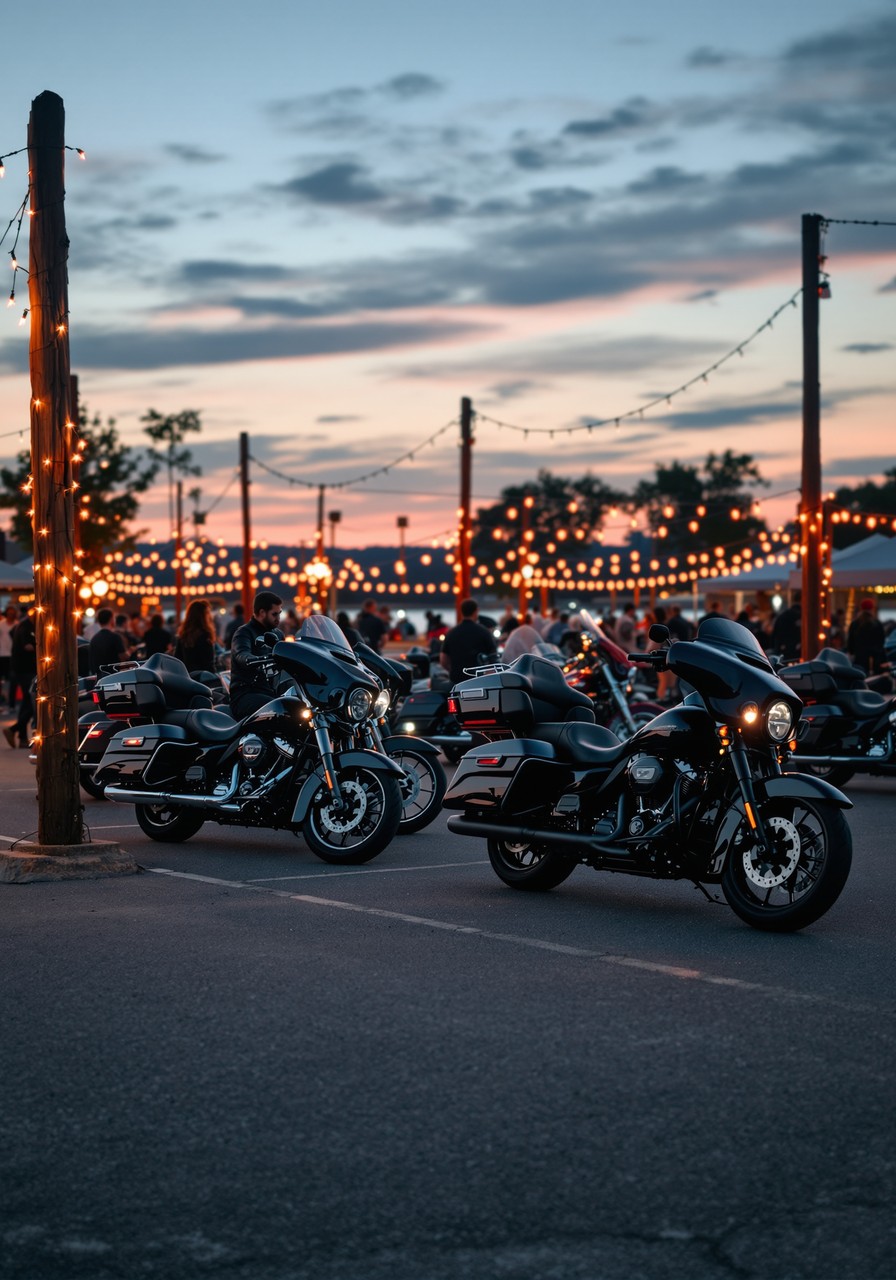
Fill in the blank: the sound I miss most during winter layup is ______. #RideNationKY #TwoWheels #BikerLife
Giveaway & Countdown
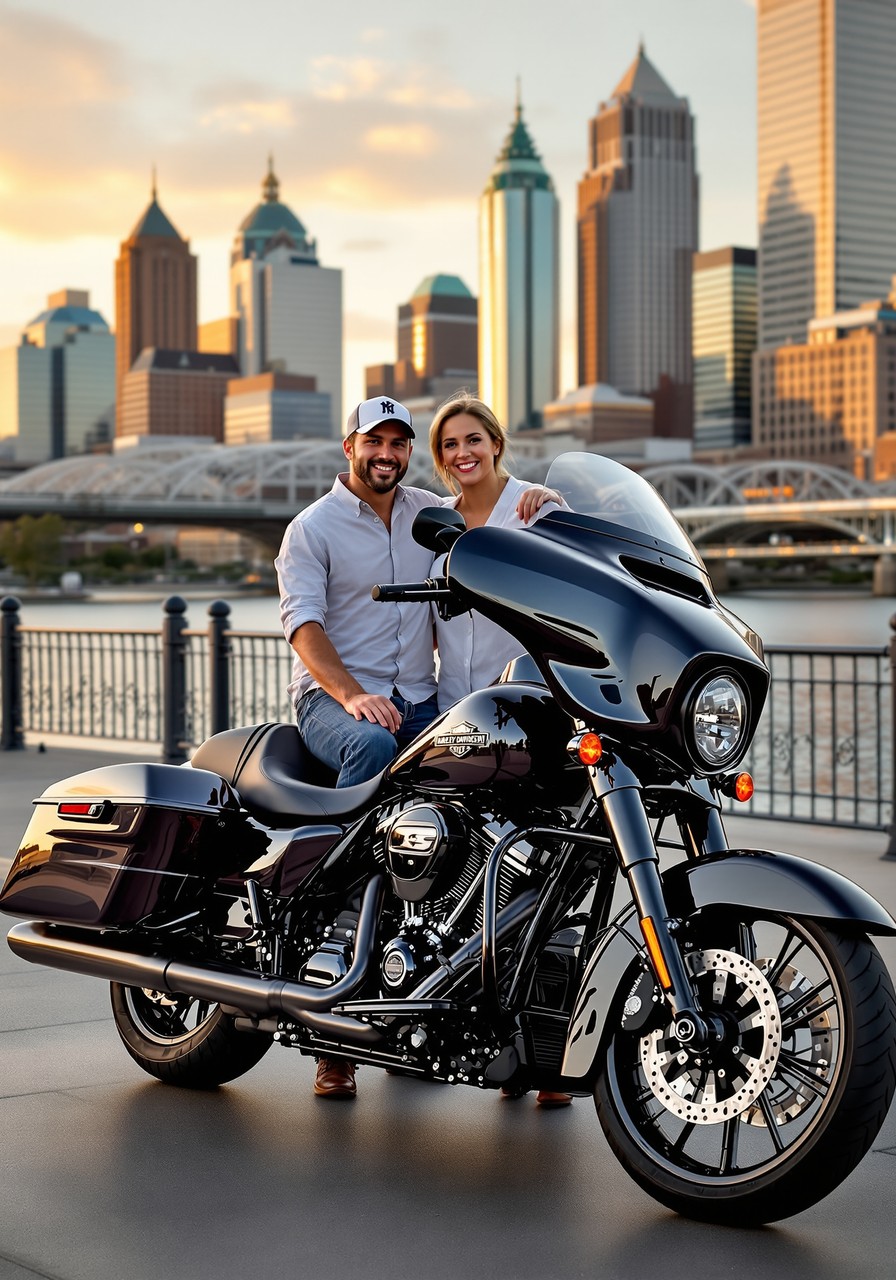
Do not let your riding buddies miss this. A quick call to (502) 222-2222 about a crash enters them in the BikersWin $20,000 giveaway. #RideNationKY #BikersWin #KentuckyRiders
Local KY & Rides
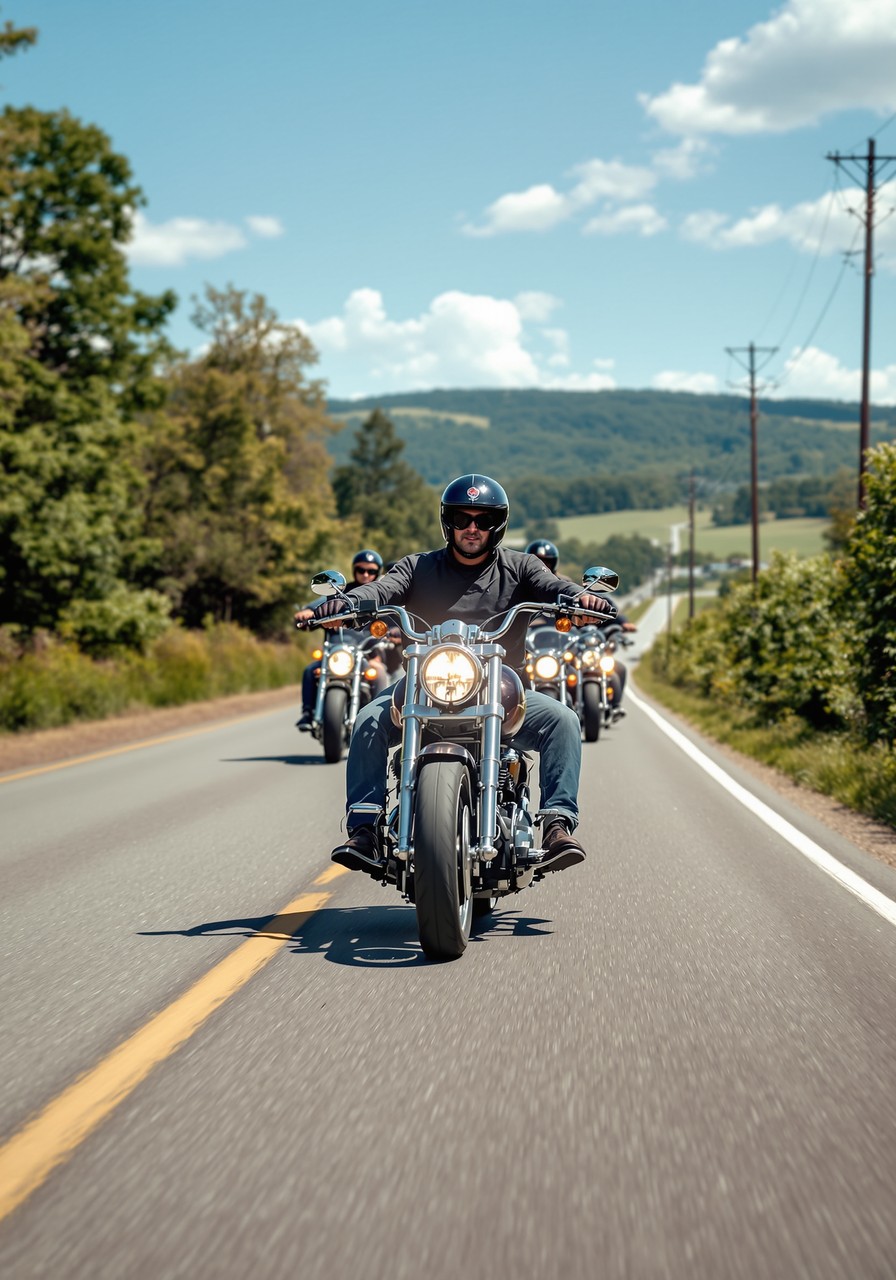
The rolling Kentucky countryside past the horse farms is why a lot of us bought the bike in the first place. Chase it while the weather holds. #RideNationKY #BourbonCountry #KentuckyRiders
Gear & New Iron
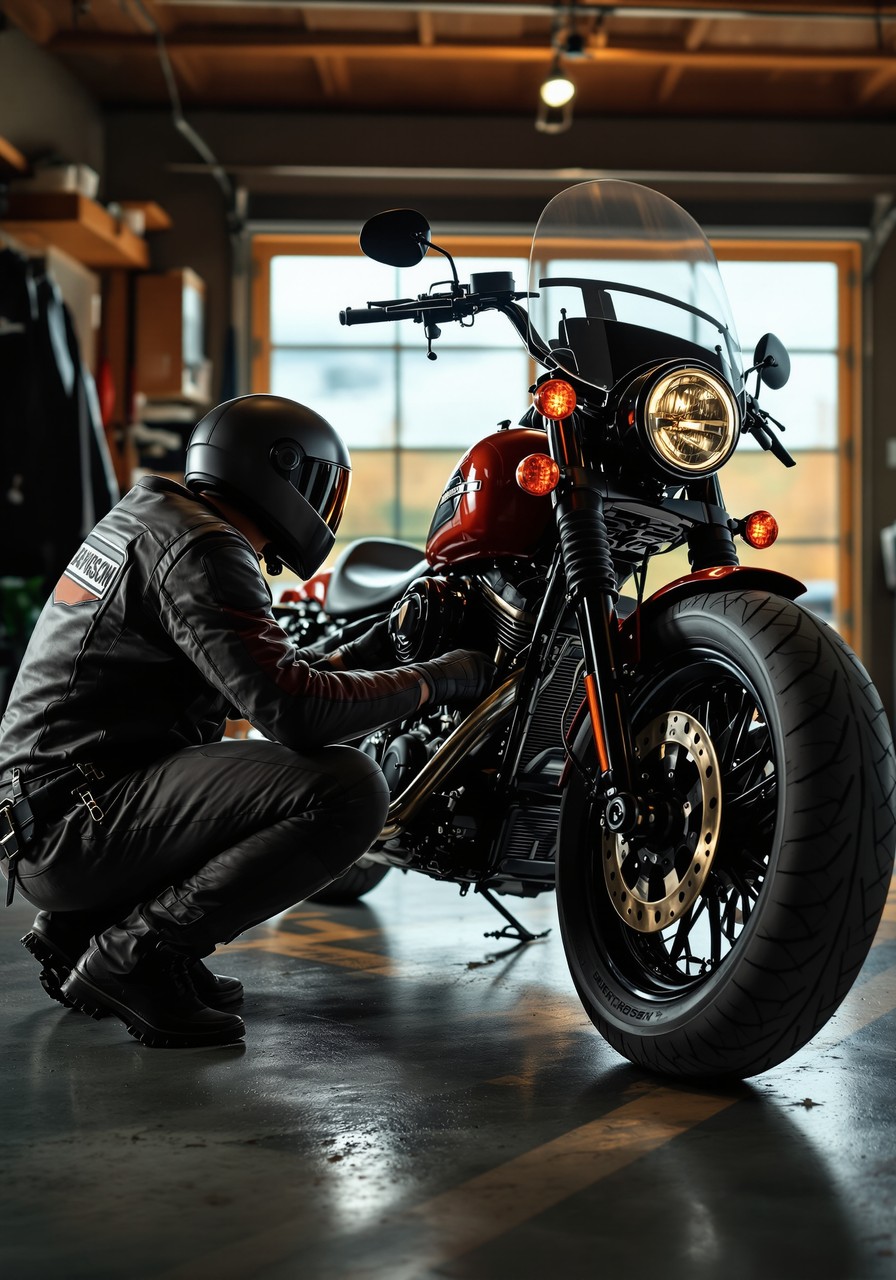
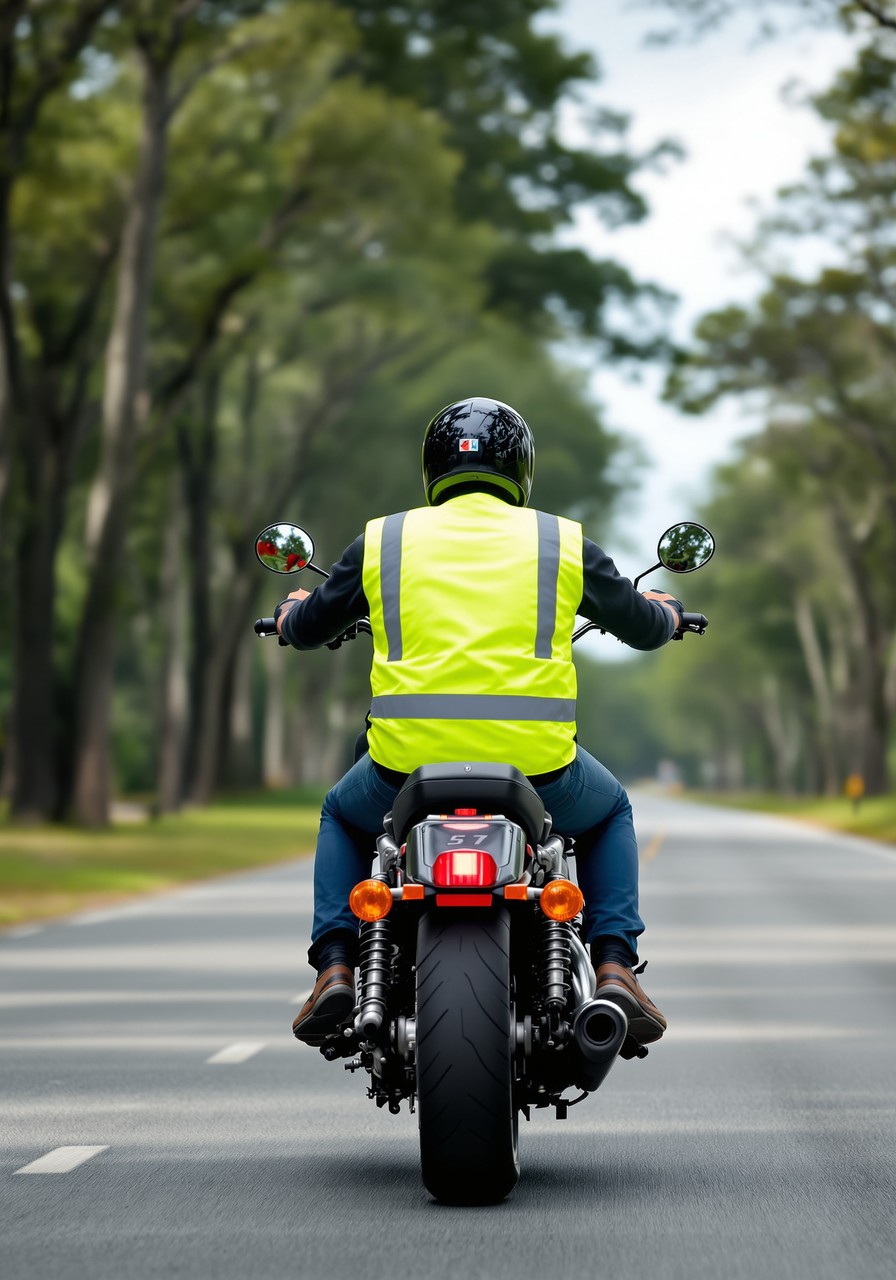
Hi-viz is not about style, it is about being seen. In gray Kentucky winter light, a bright jacket or vest buys you extra seconds from a distracted driver. #RideNationKY #GearUp #RiderTips
Safety & KY Law
Underinsured driver, big hospital bill: that gap is exactly what UIM is for. See if yours applies. Karl Truman Law, (502) 222-2222. #RideNationKY #KnowYourRights #KentuckyRiders
Engagement
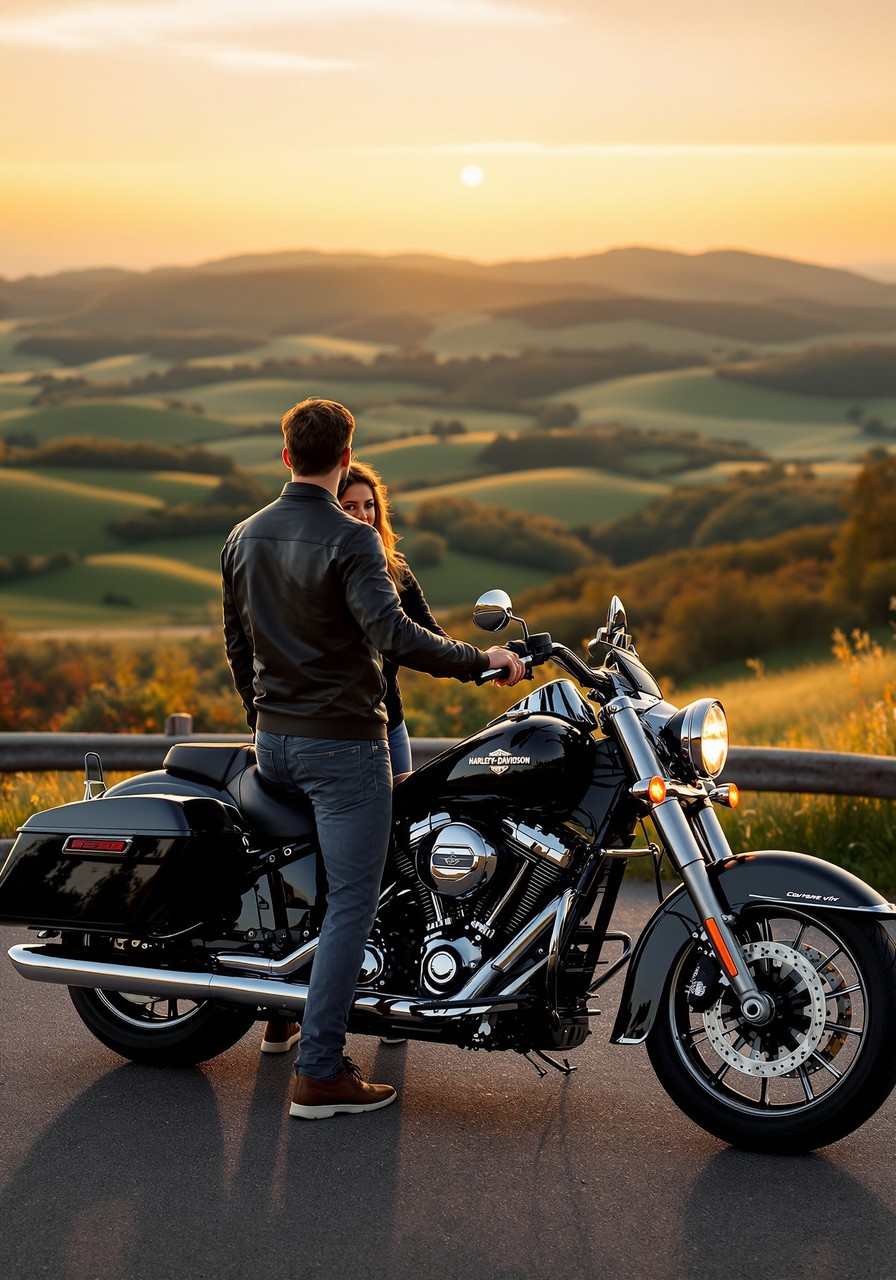
Poll: do you name your bike? Yes and drop the name, or no and tell us why not. #RideNationKY #RideOrDie #LouisvilleRiders
Giveaway & Countdown
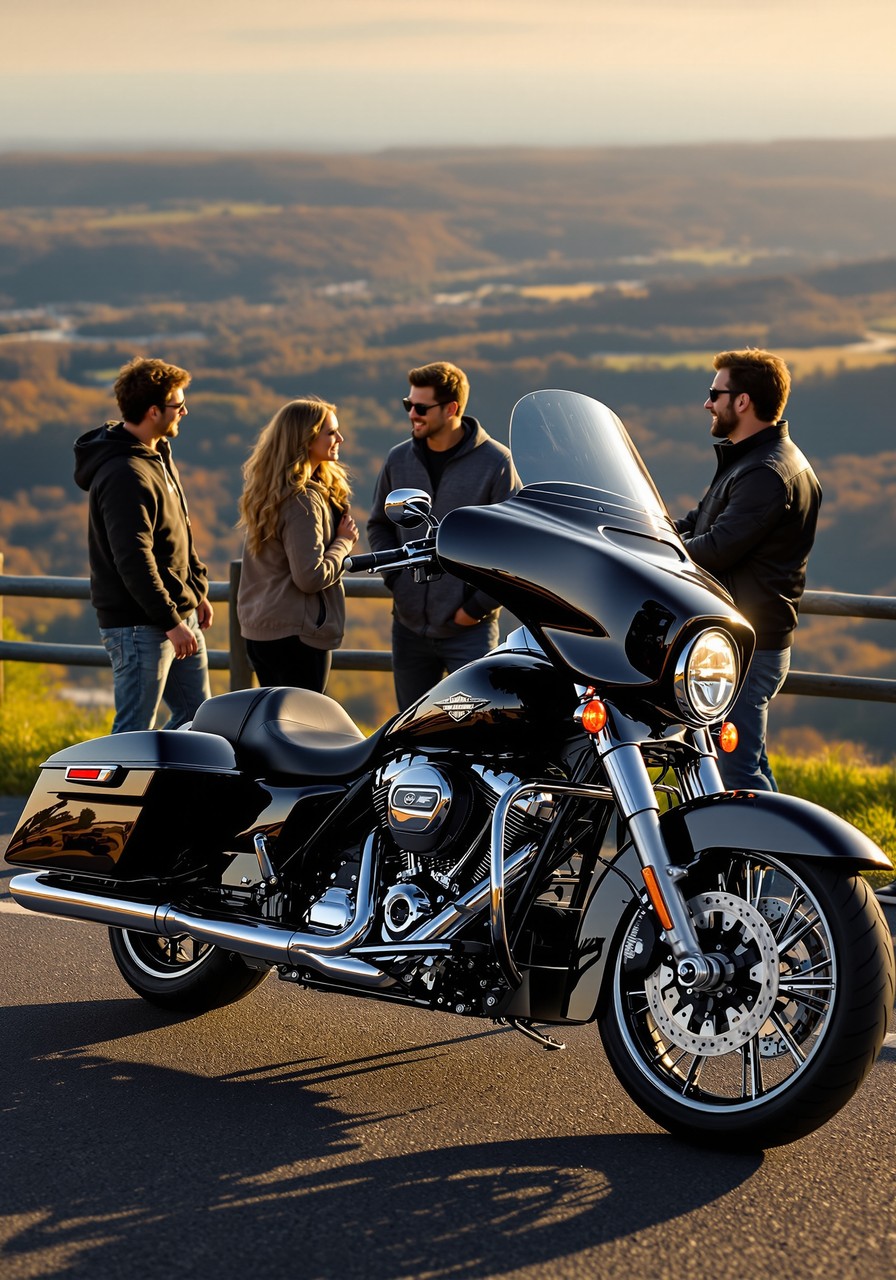
Momentum is building across Kentuckiana. More riders every day are getting in on the $20,000 giveaway. #RideNationKY #20kGiveaway #Kentuckiana
Local KY & Rides
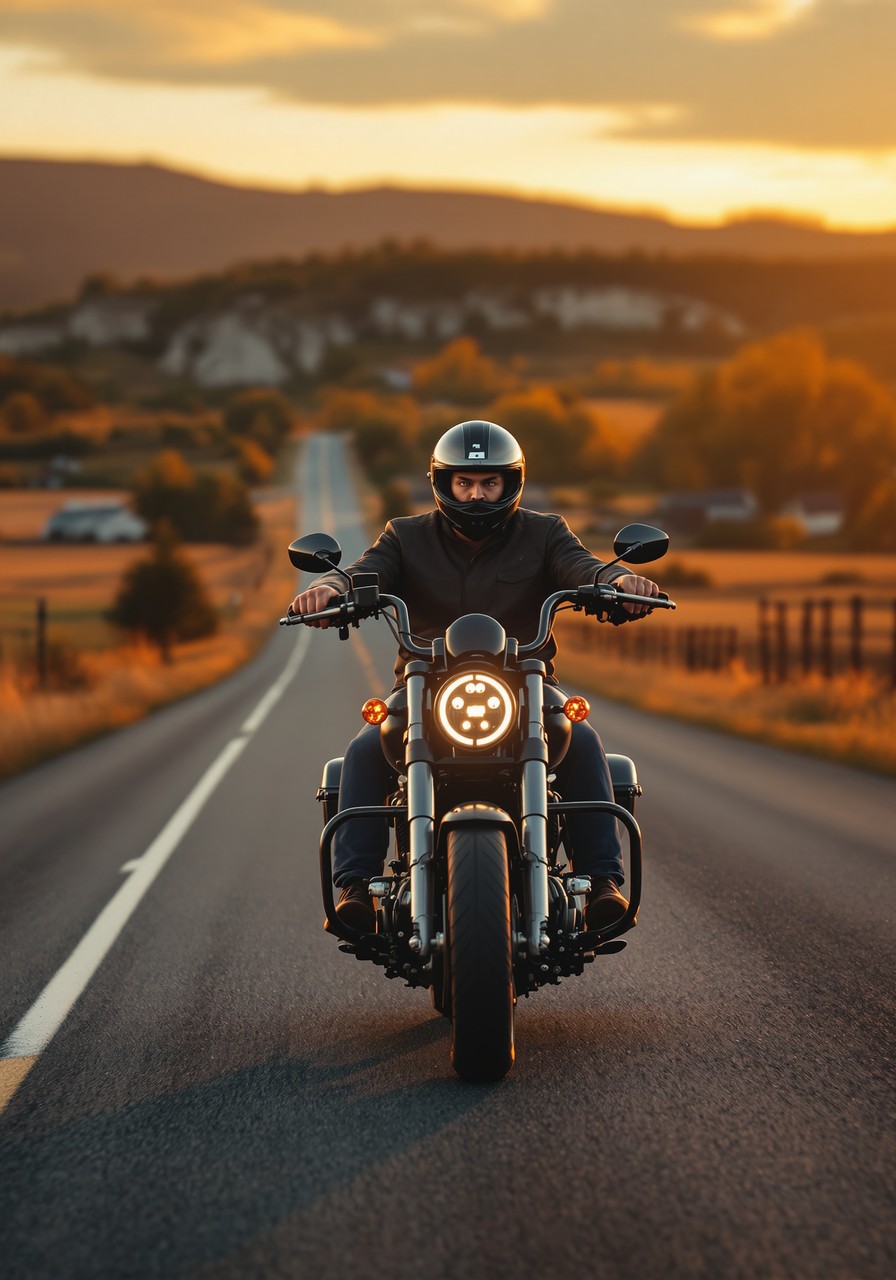
Cross the Lincoln into Southern Indiana and the Kentuckiana backroads open right up. Good excuse to burn an afternoon across the river. #RideNationKY #Kentuckiana #OhioRiver
Gear & New Iron
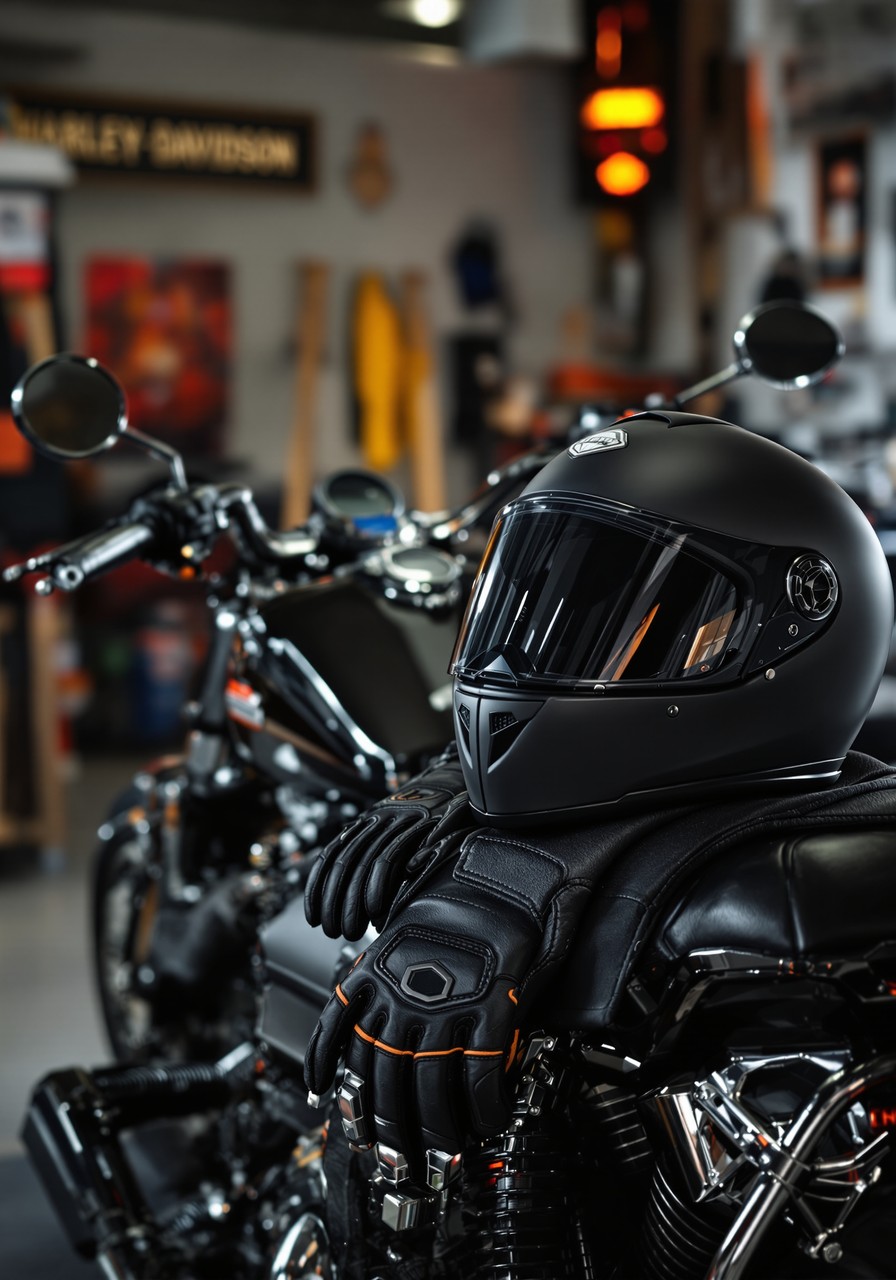
ATGATT means all the gear, all the time. Not just the long ride. The parking-lot spill and the two-mile run hurt just as much without it. #RideNationKY #ATGATT #GearUp
Safety & KY Law
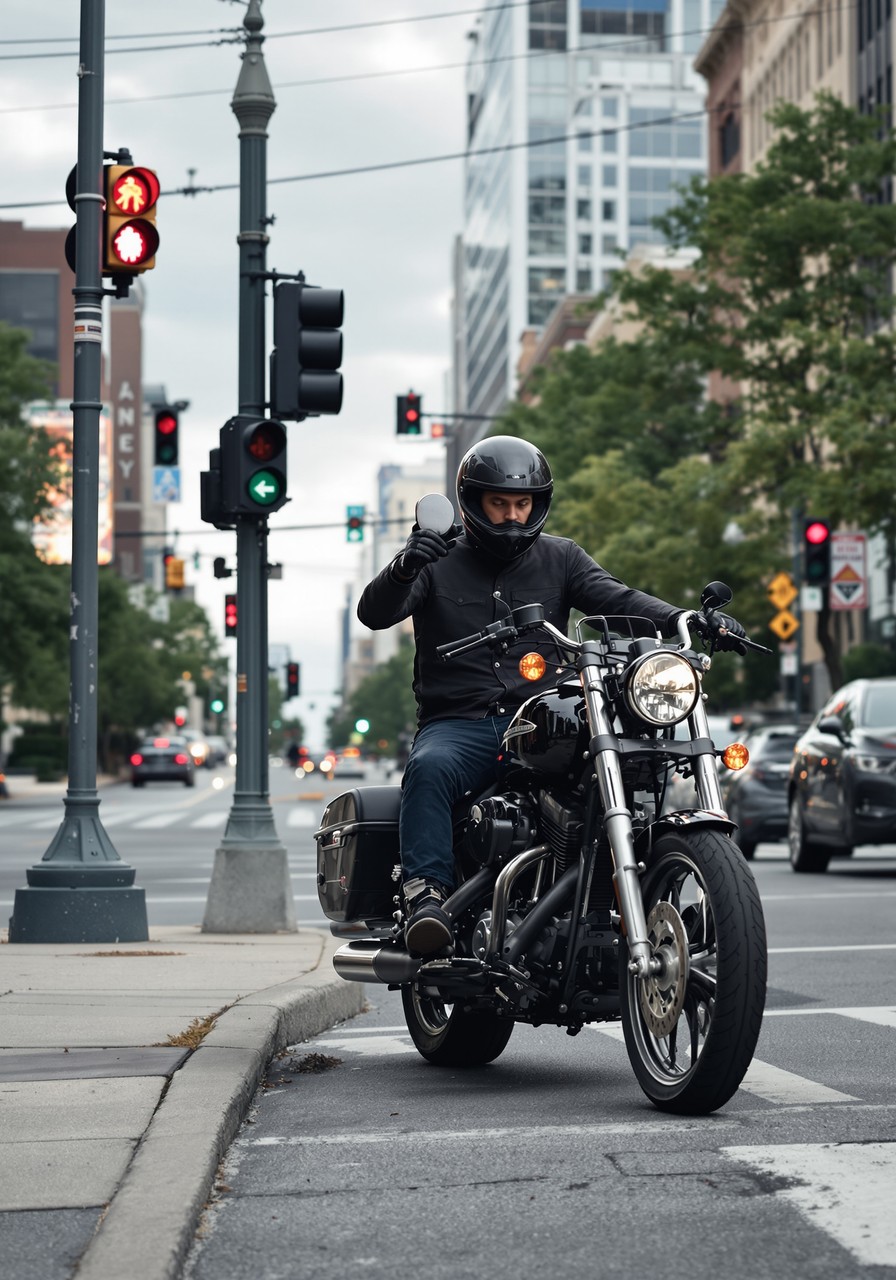
Two years sounds like plenty until evidence fades and witnesses move. Start early after a Kentucky crash. Call (502) 222-2222. #RideNationKY #RiderRights #Kentuckiana
Engagement
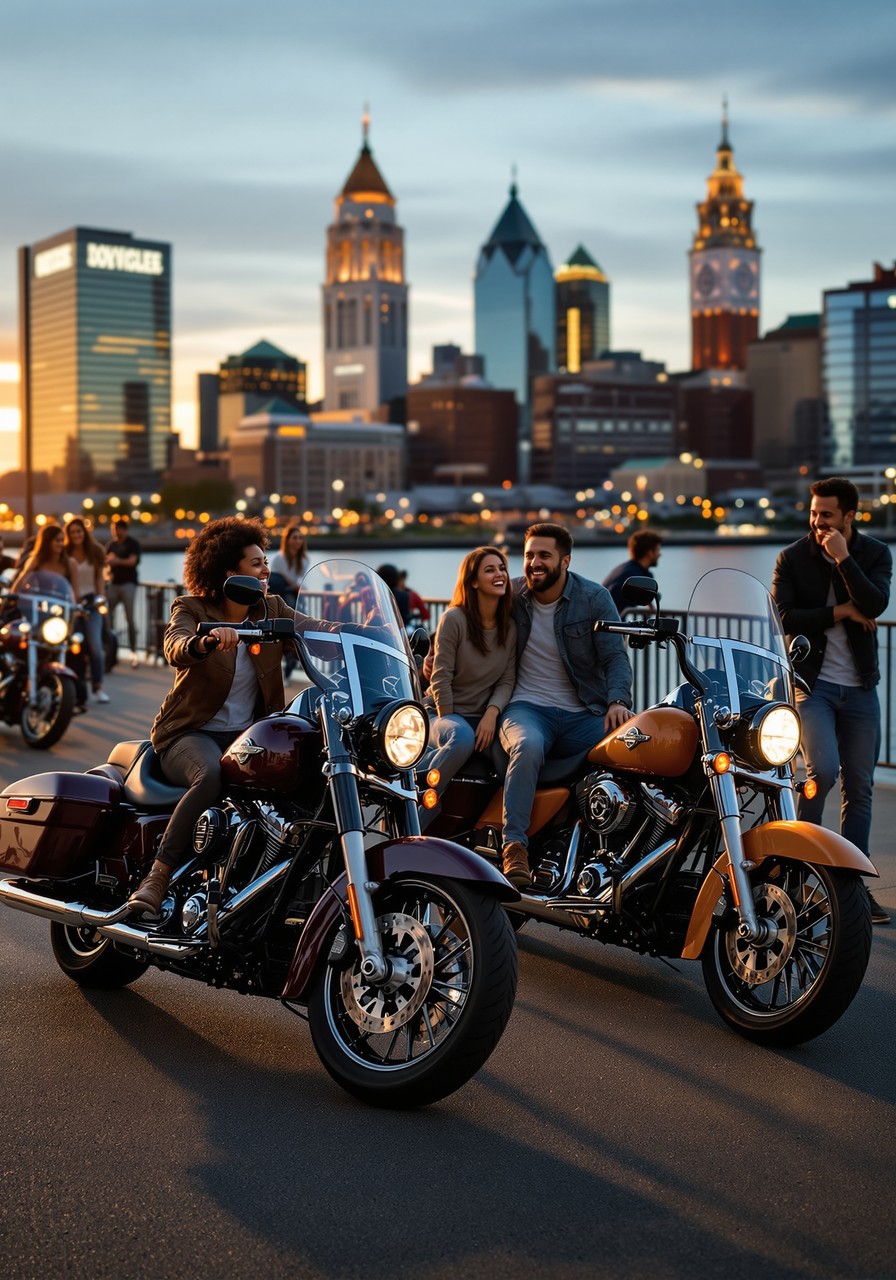
Two words to describe your last ride before the cold set in. Only two. #RideNationKY #KentuckyRiders #BourbonCountry
Giveaway & Countdown
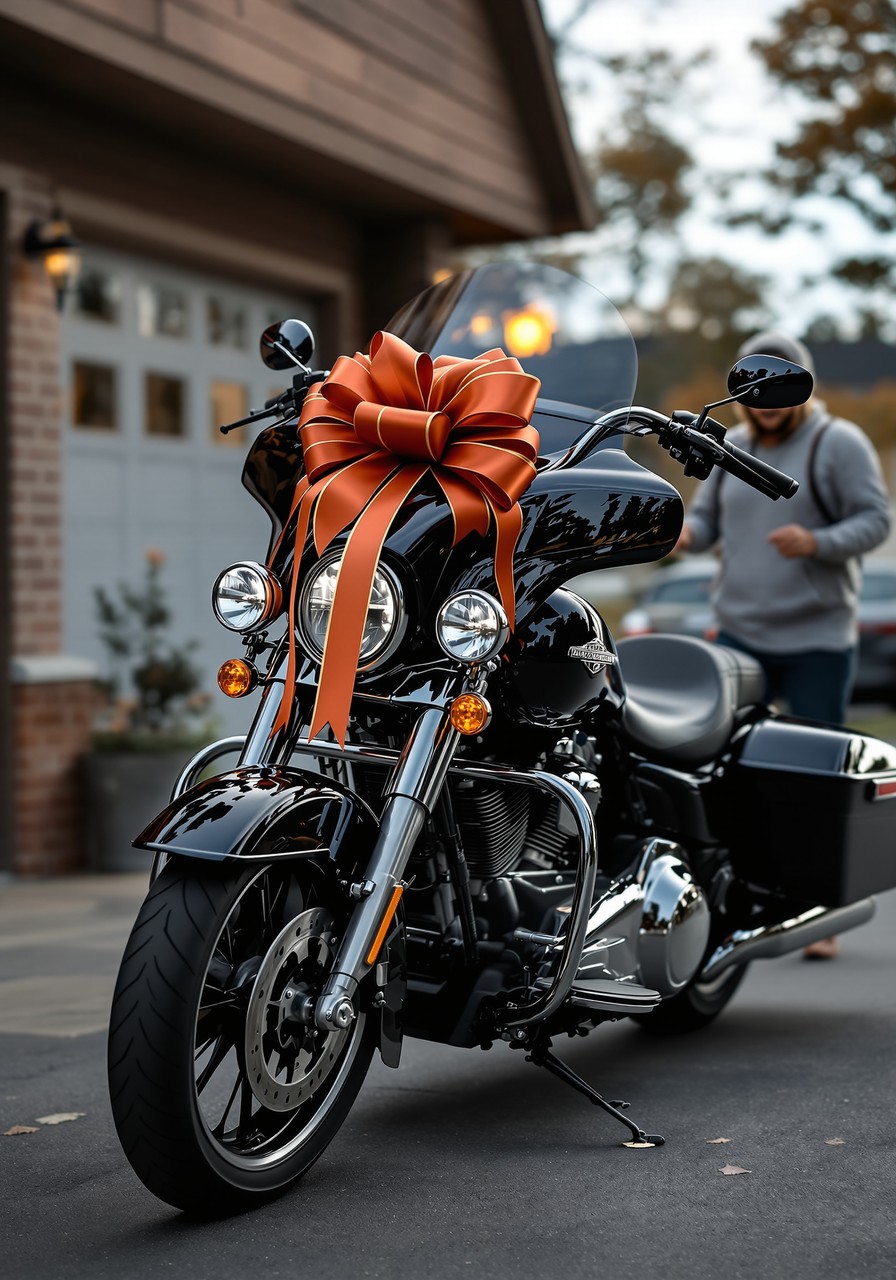
Got questions about the BikersWin giveaway or your motorcycle claim? We have answers. Call (502) 222-2222 and let us help. #RideNationKY #MotorcycleGiveaway #LouisvilleRiders
Local KY & Rides
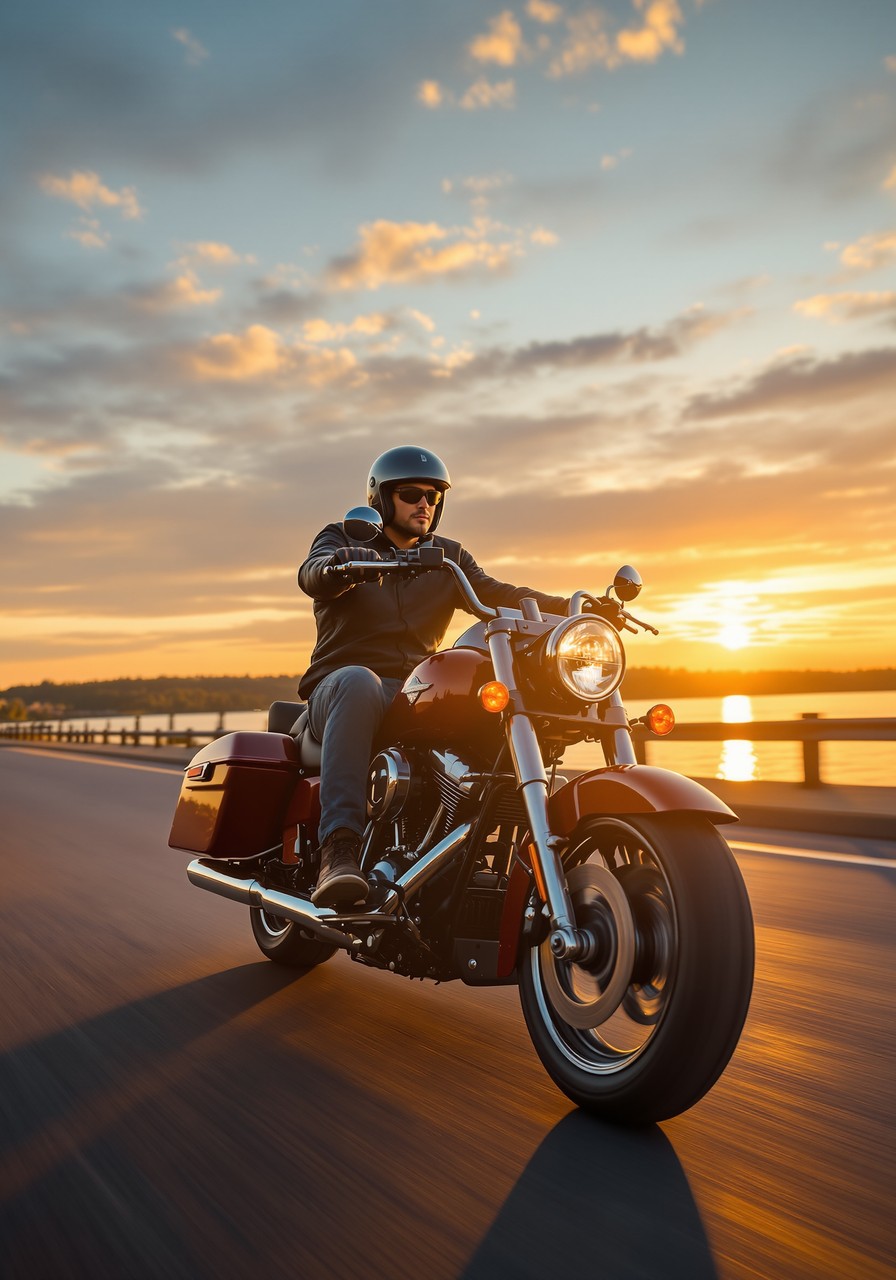
Garage season is here. Trickle charger on, tire pressures checked, and start dreaming up the spring bourbon-country route. #RideNationKY #KentuckyRiders
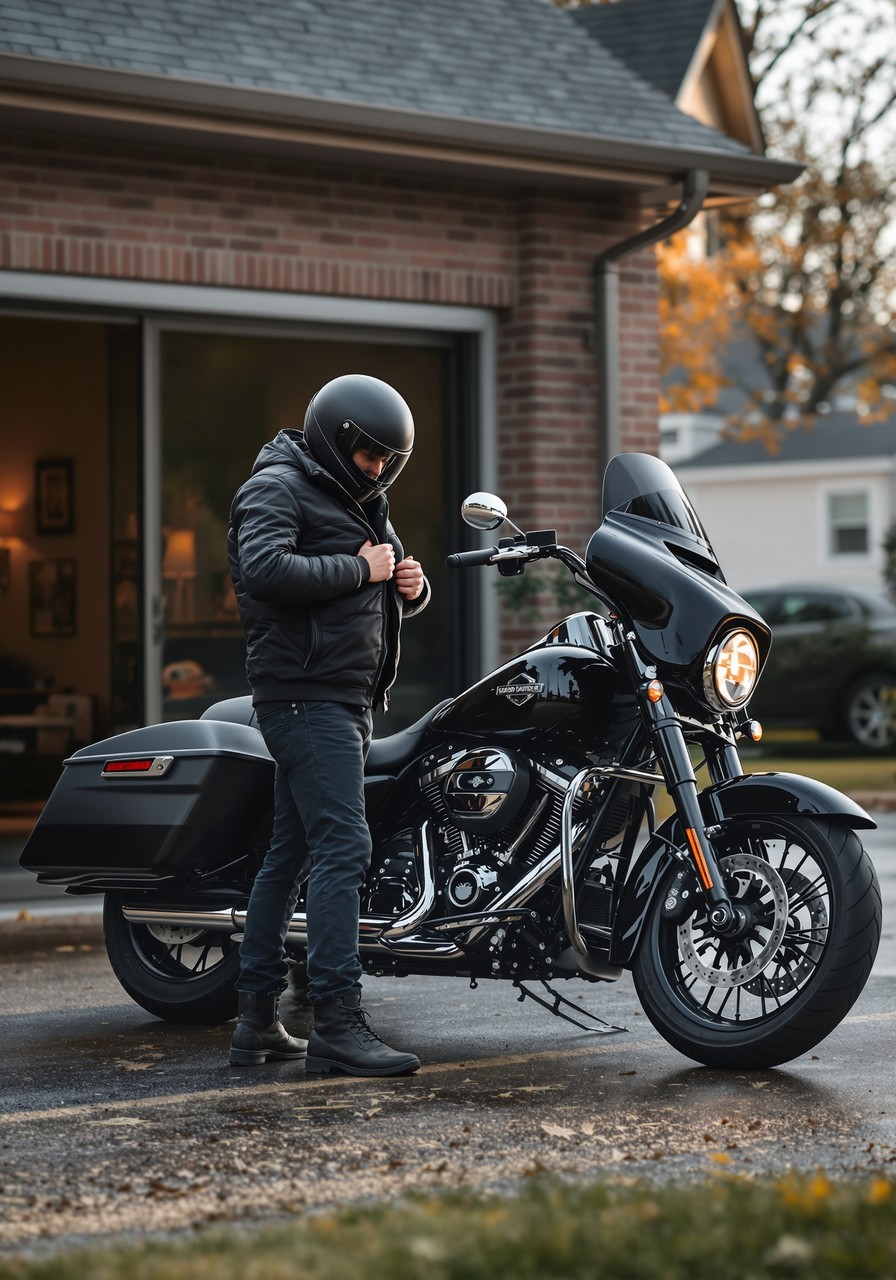
Gear & New Iron
Real riding boots cover the ankle and have a solid sole. Sneakers offer nothing when a foot gets pinned or the bike goes down. #RideNationKY #ATGATT #GearUp
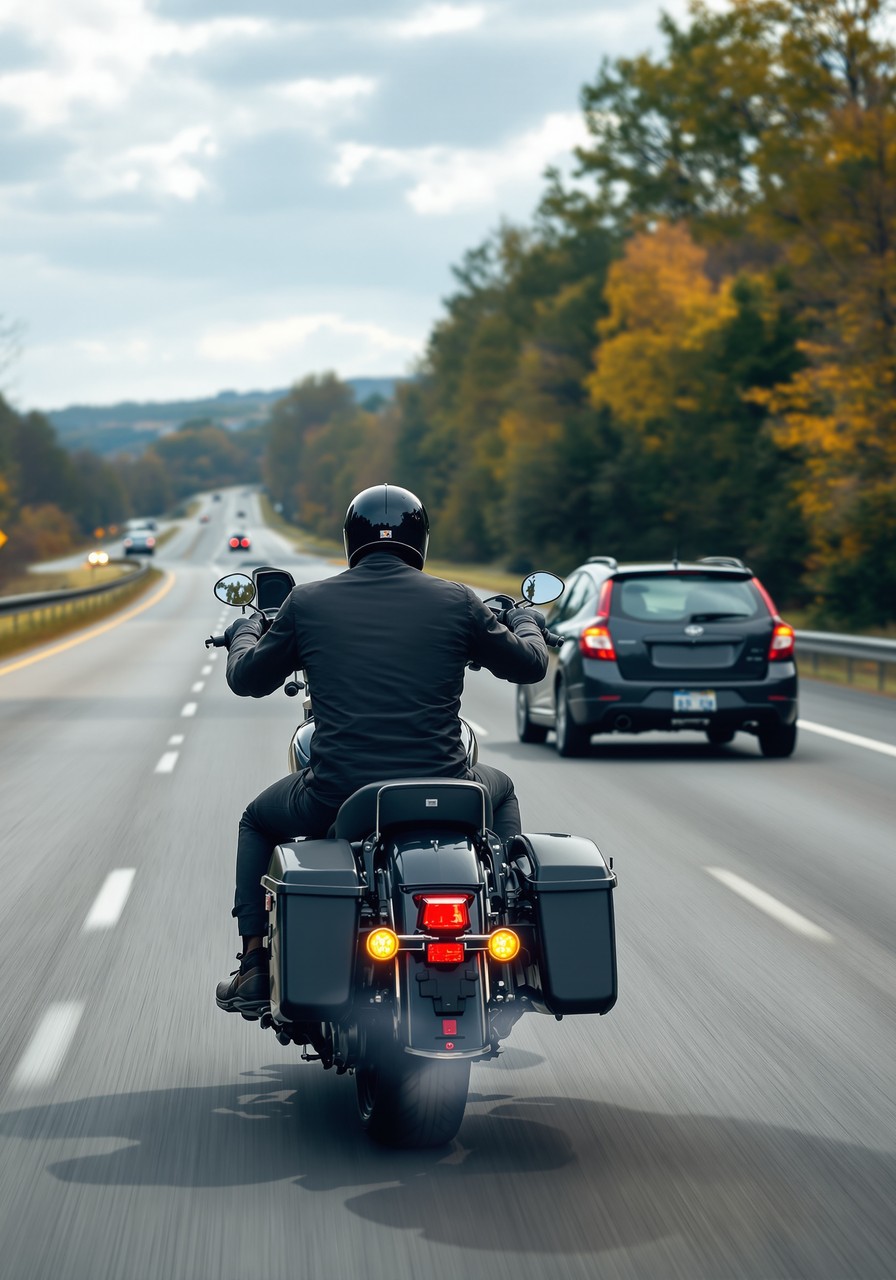
Safety & KY Law
The driver turned left across your lane and blamed you. Kentucky's comparative fault rule may still let you recover. Call (502) 222-2222. #RideNationKY #KnowYourRights #LouisvilleRiders
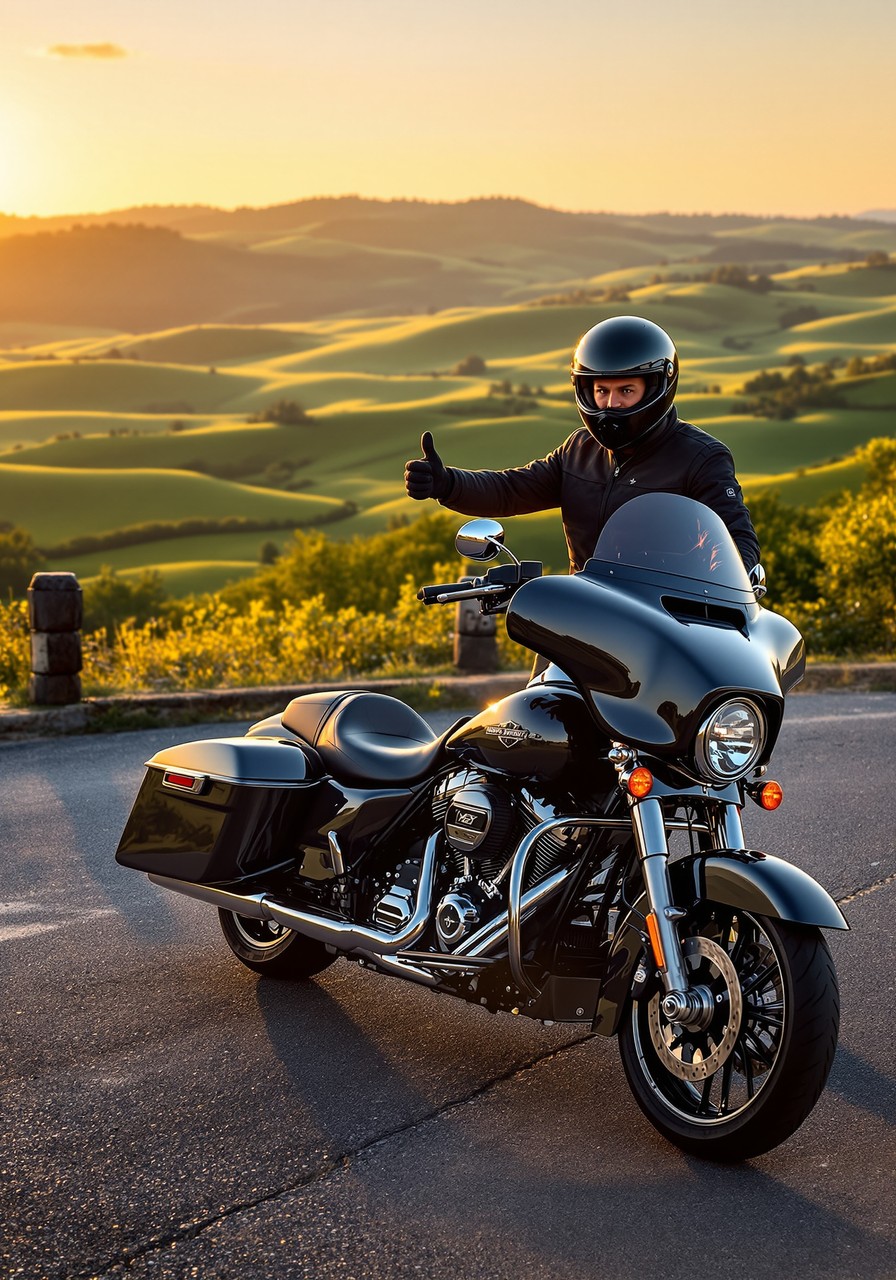
Engagement
This or that: sunrise ride with nobody on the road or a golden-hour cruise with the whole crew. #RideNationKY #DerbyCity #TwoWheels
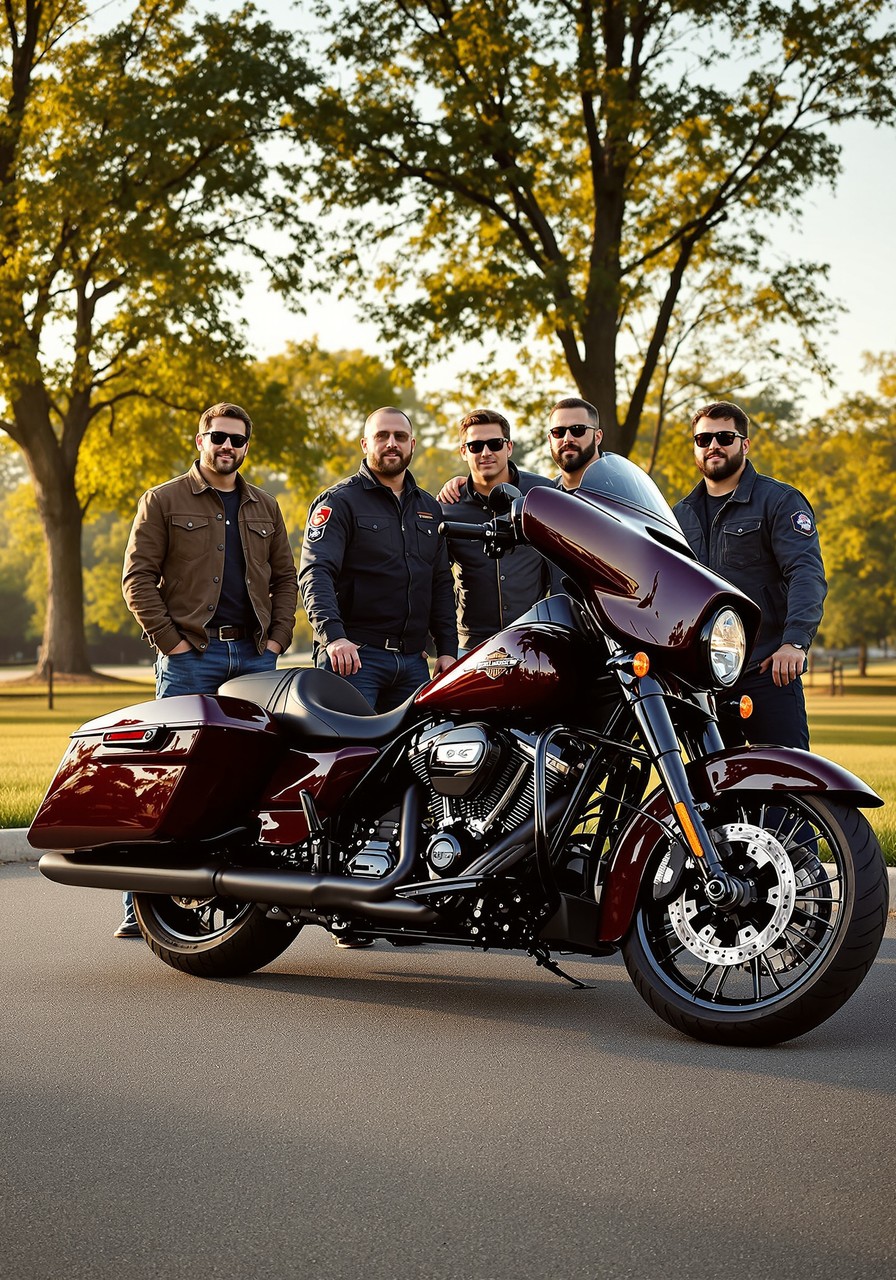
Giveaway & Countdown
The energy is real, Louisville. Twenty thousand dollars and a whole rider community pulling for each other. #RideNationKY #BikersWin #LouisvilleRiders
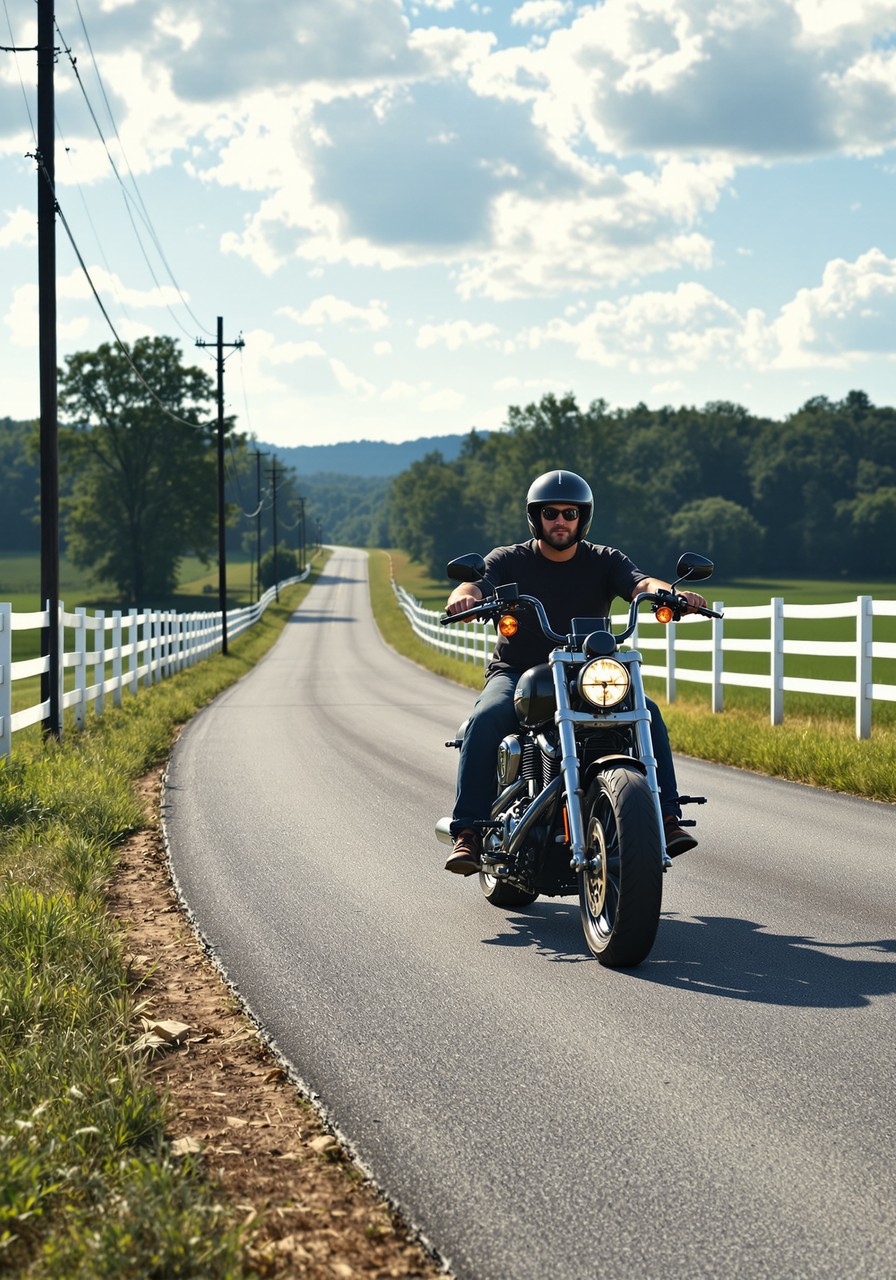
Local KY & Rides
They salt the bridges first around here. That crust sticks around long after the streets look clear, so respect the elevated stuff in winter. #RideNationKY #LouisvilleRiders #OhioRiver
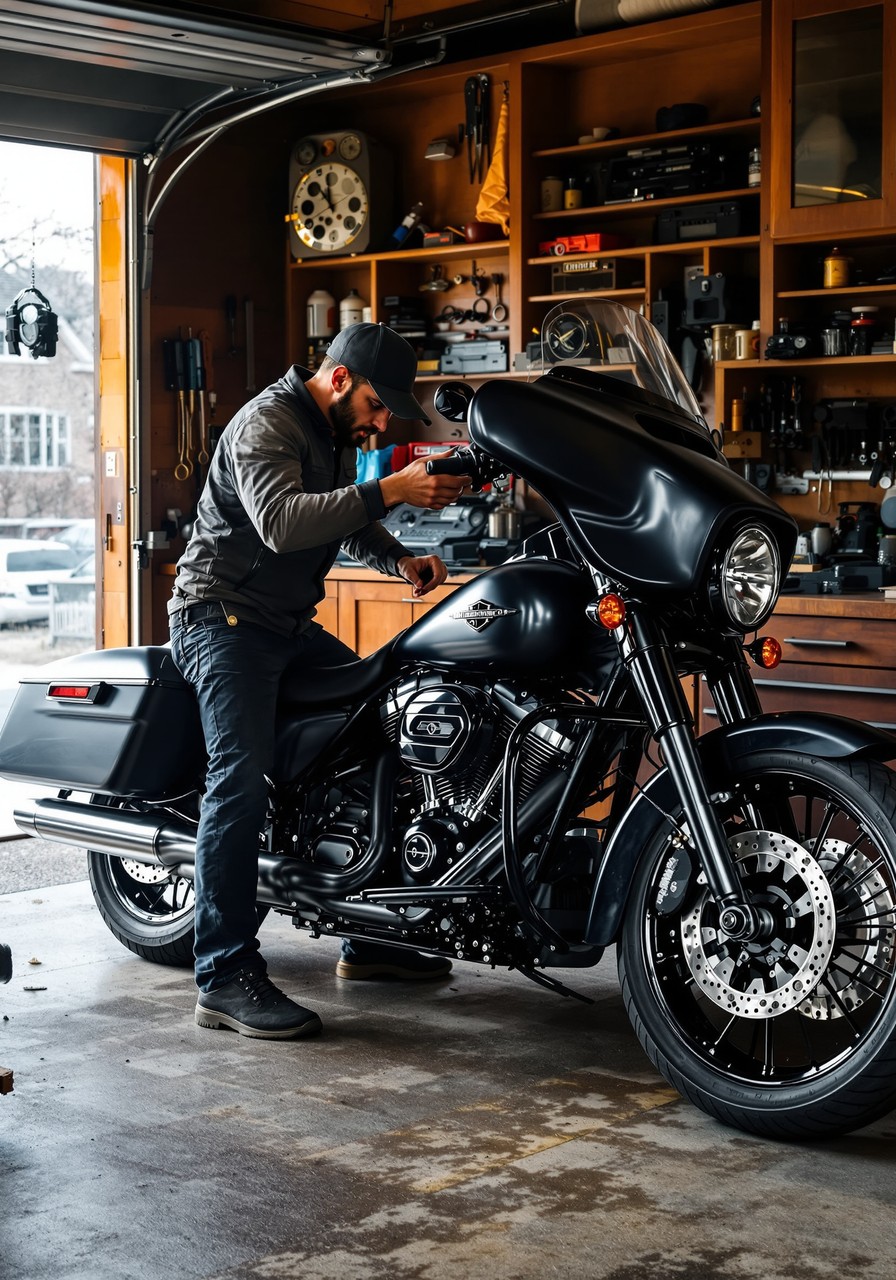
Gear & New Iron
Base layers do the heavy lifting in winter. A good moisture-wicking bottom layer keeps you dry and warm better than one thick sweatshirt. #RideNationKY #ColdWeatherRiding #GearUp
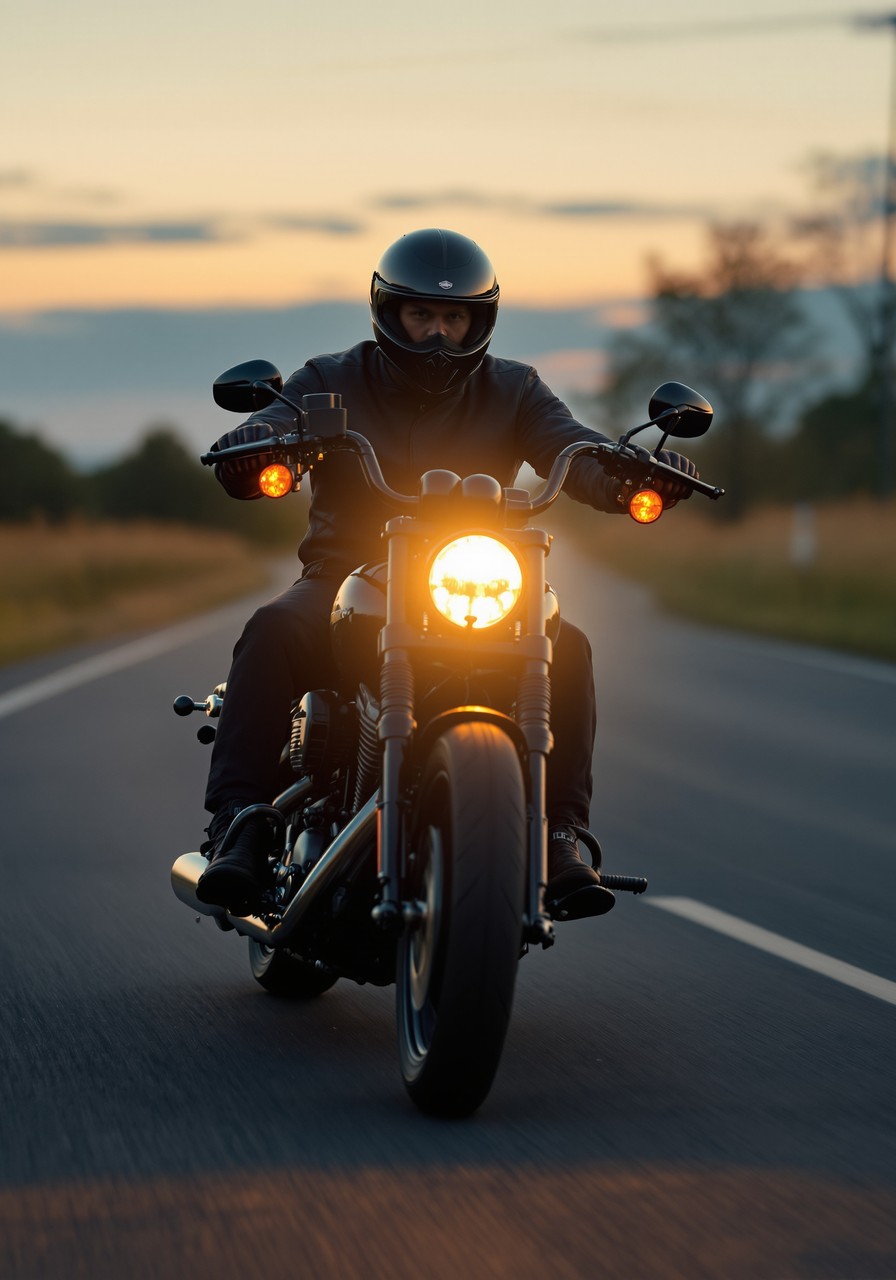
Safety & KY Law
Not sure your policy even has UM/UIM on the bike? Most riders are not. Let us check before you need it. Call (502) 222-2222. #RideNationKY #RiderRights #KentuckyRiders
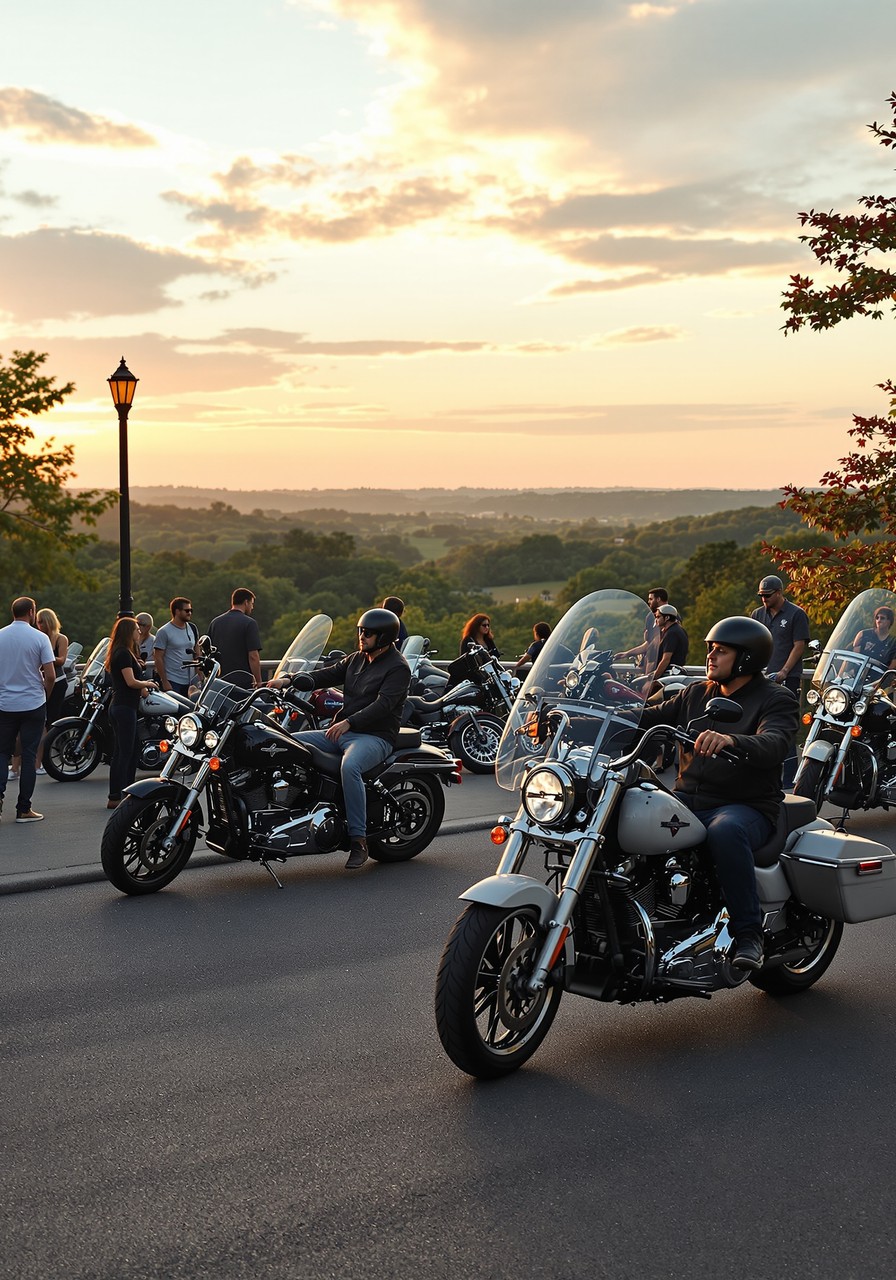
Engagement
Tag a new rider who just joined the Kentuckiana family this year. Show them some love. #RideNationKY #Kentuckiana #RideOrDie
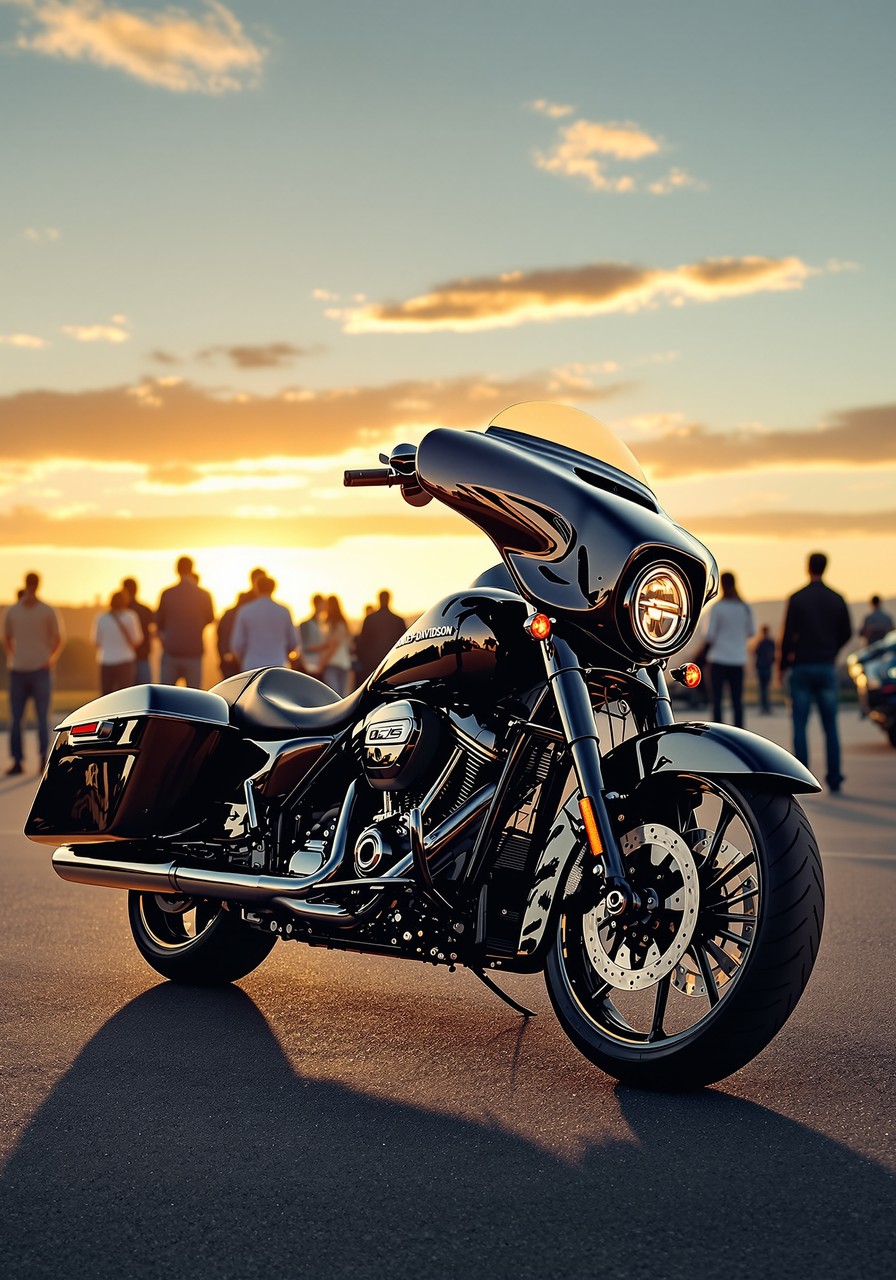
Giveaway & Countdown
Here is how you enter the $20,000 giveaway: talk to us about your crash. That is it, and it is free. (502) 222-2222. #RideNationKY #BikersWin #20kGiveaway
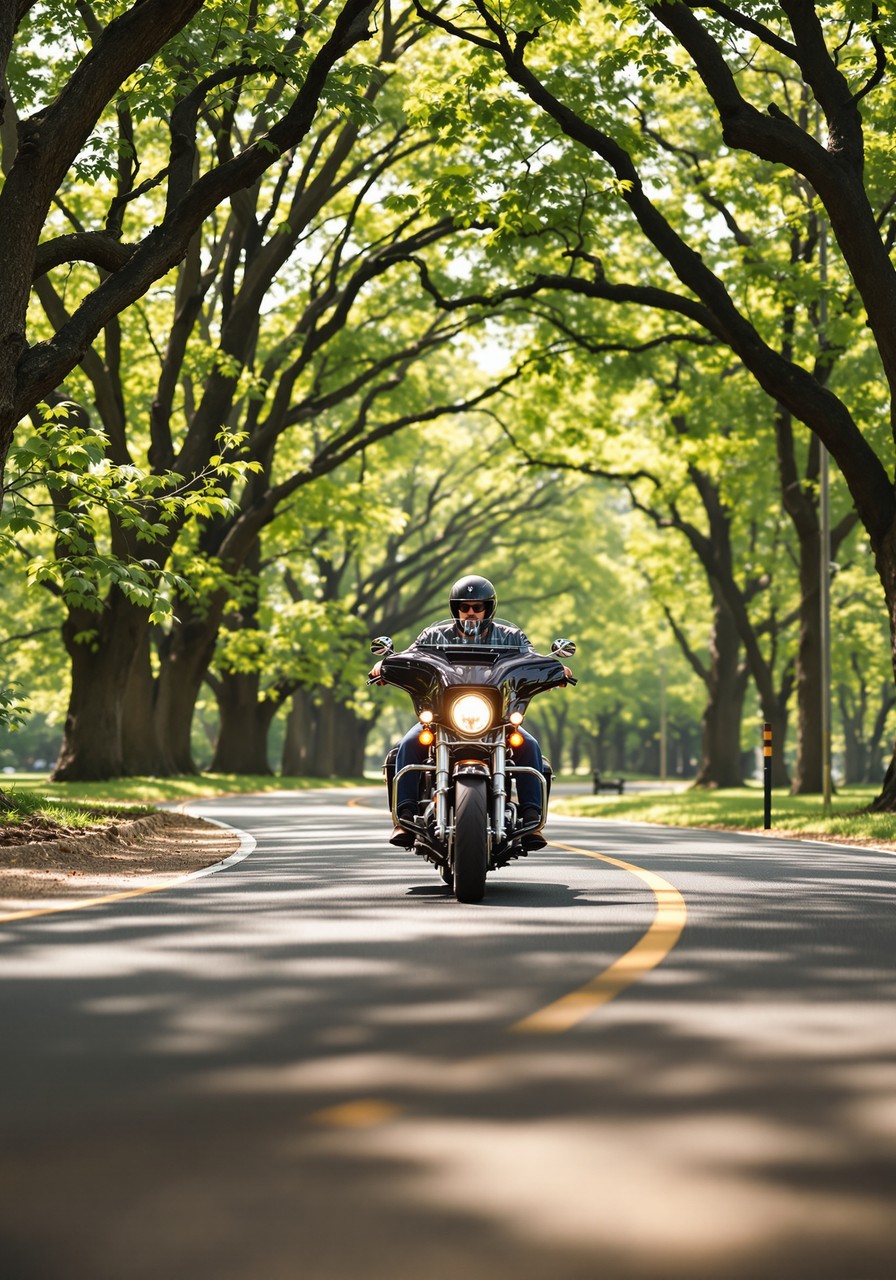
Local KY & Rides
Black ice loves the elevated ramps and bridge decks. If it was near freezing overnight, assume Spaghetti Junction is slick up top. #RideNationKY #LouisvilleRiders
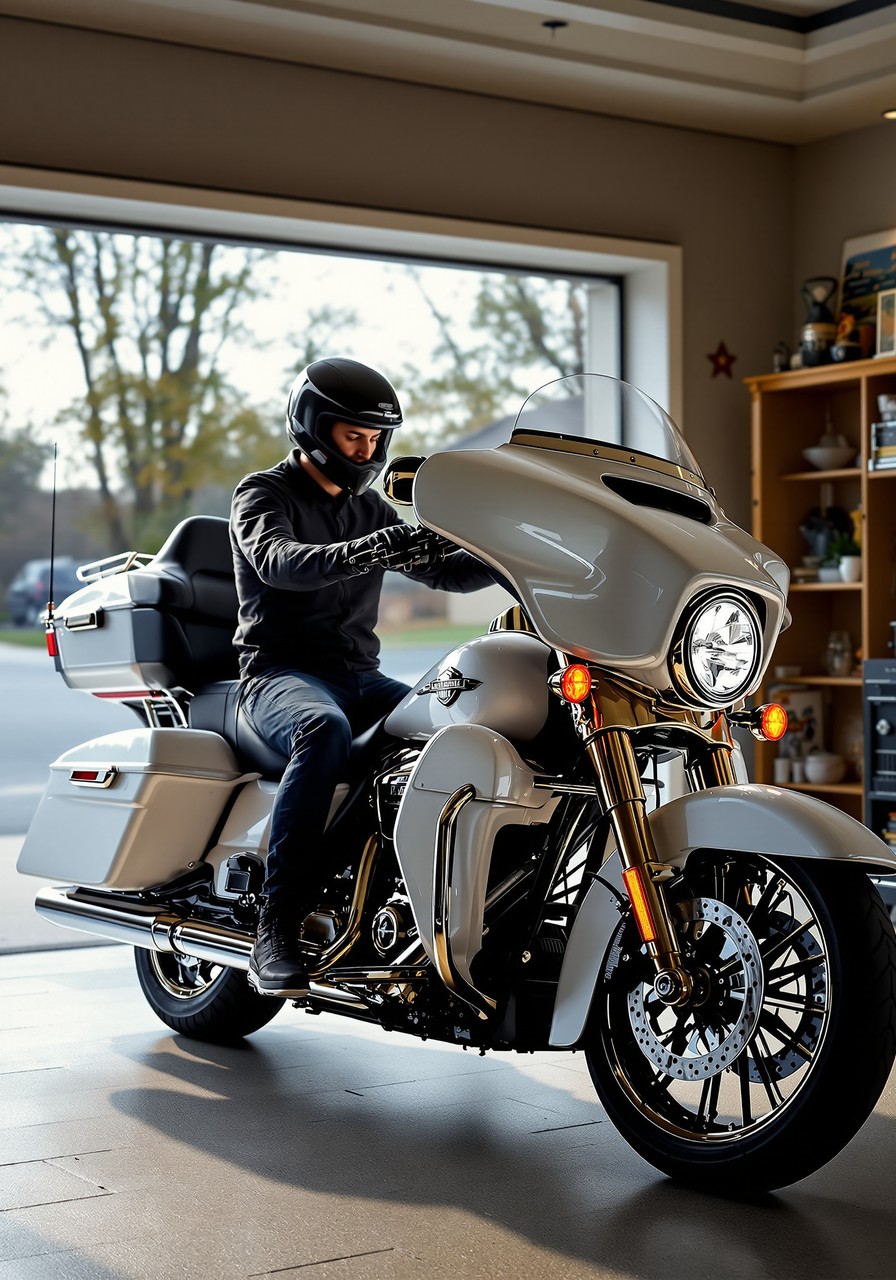
Gear & New Iron
Shopping new iron this off-season? Winter is when deals show up. Sit on it, reach the bars and pegs, and make sure it fits you before you fall for the badge. #RideNationKY #NewIron #BikerLife
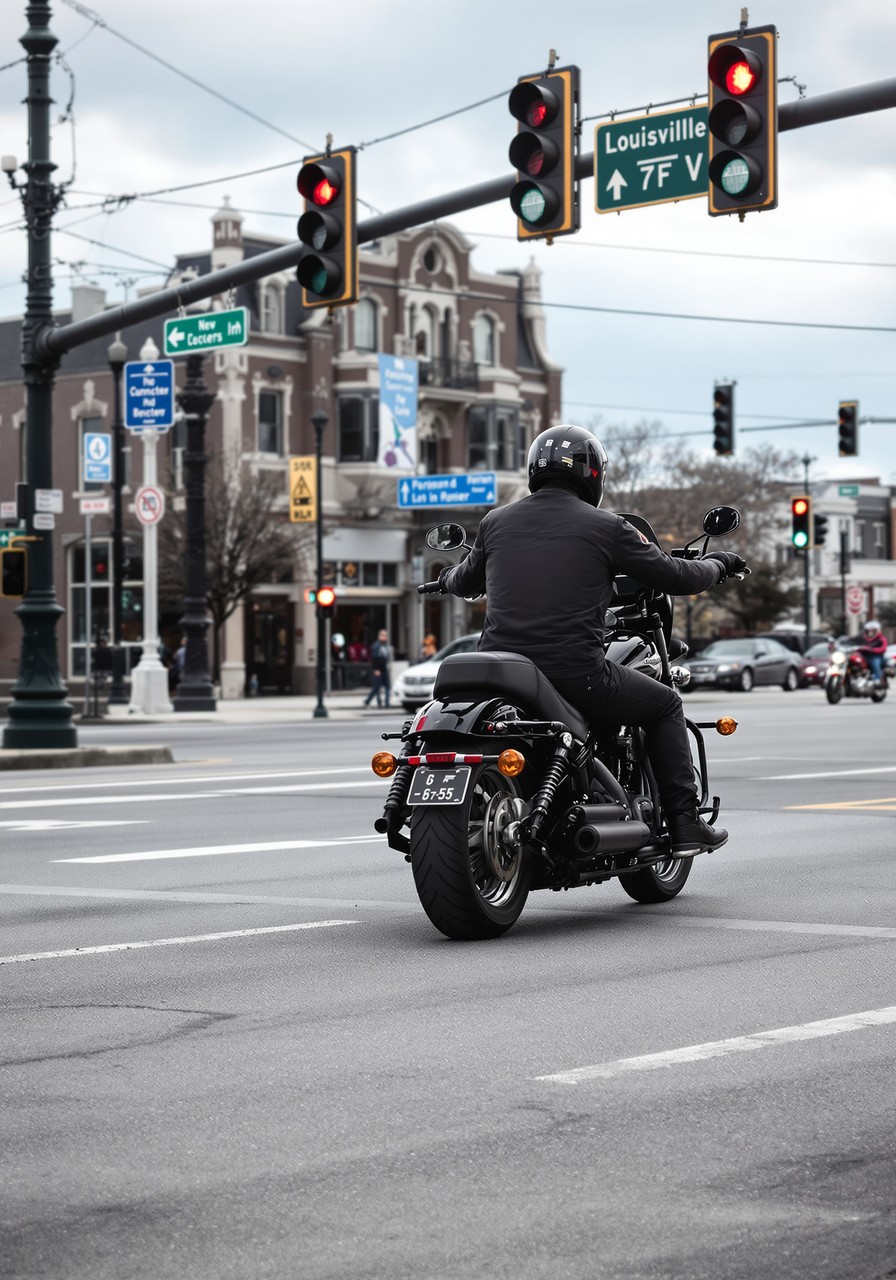
Safety & KY Law
Left-turning cars are the top threat at Louisville intersections. Cover your brakes and ride like they do not see you. #RideNationKY #MotorcycleSafety #LouisvilleRiders
Engagement
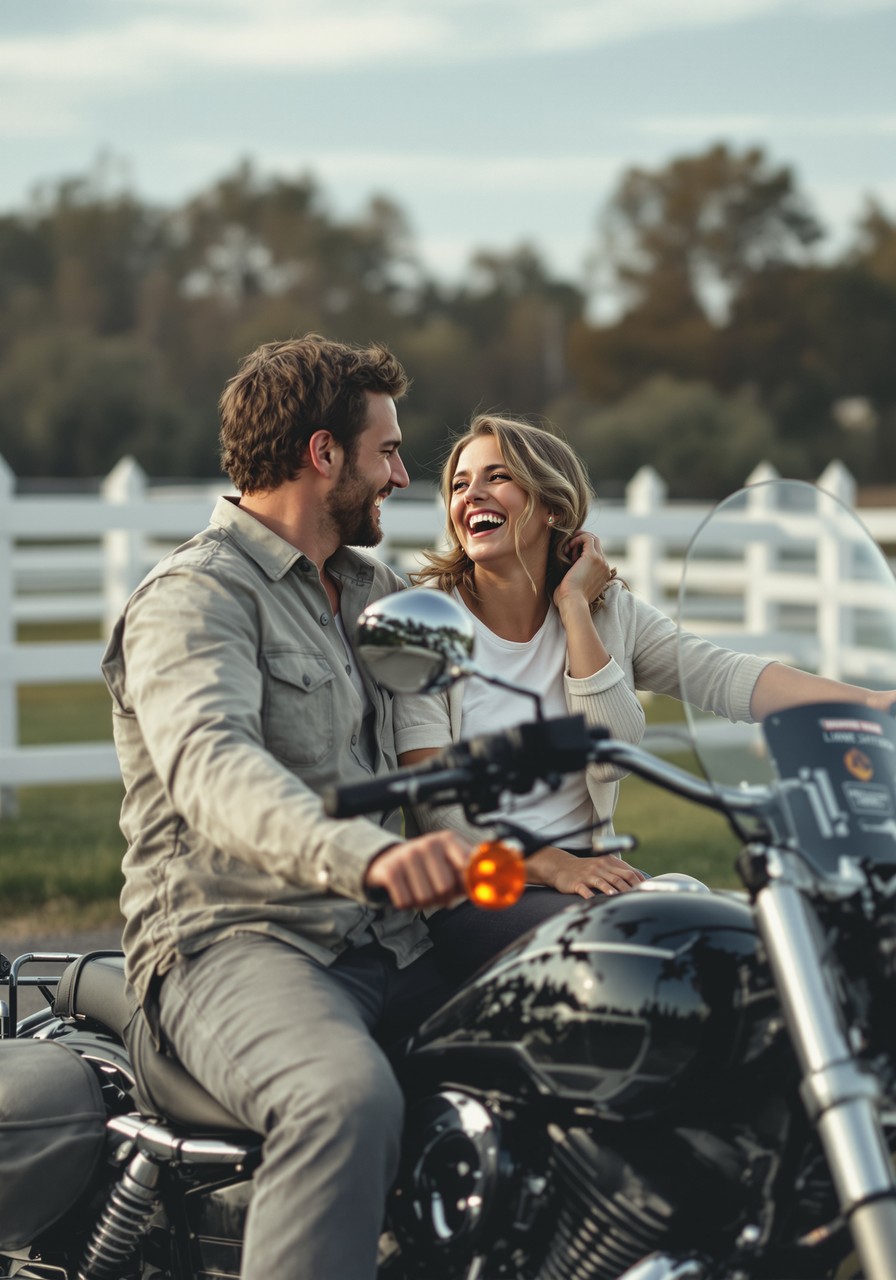
Caption this: your dashboard reading 38 degrees and you going anyway. #RideNationKY #KentuckyRiders #BikerLife
Giveaway & Countdown
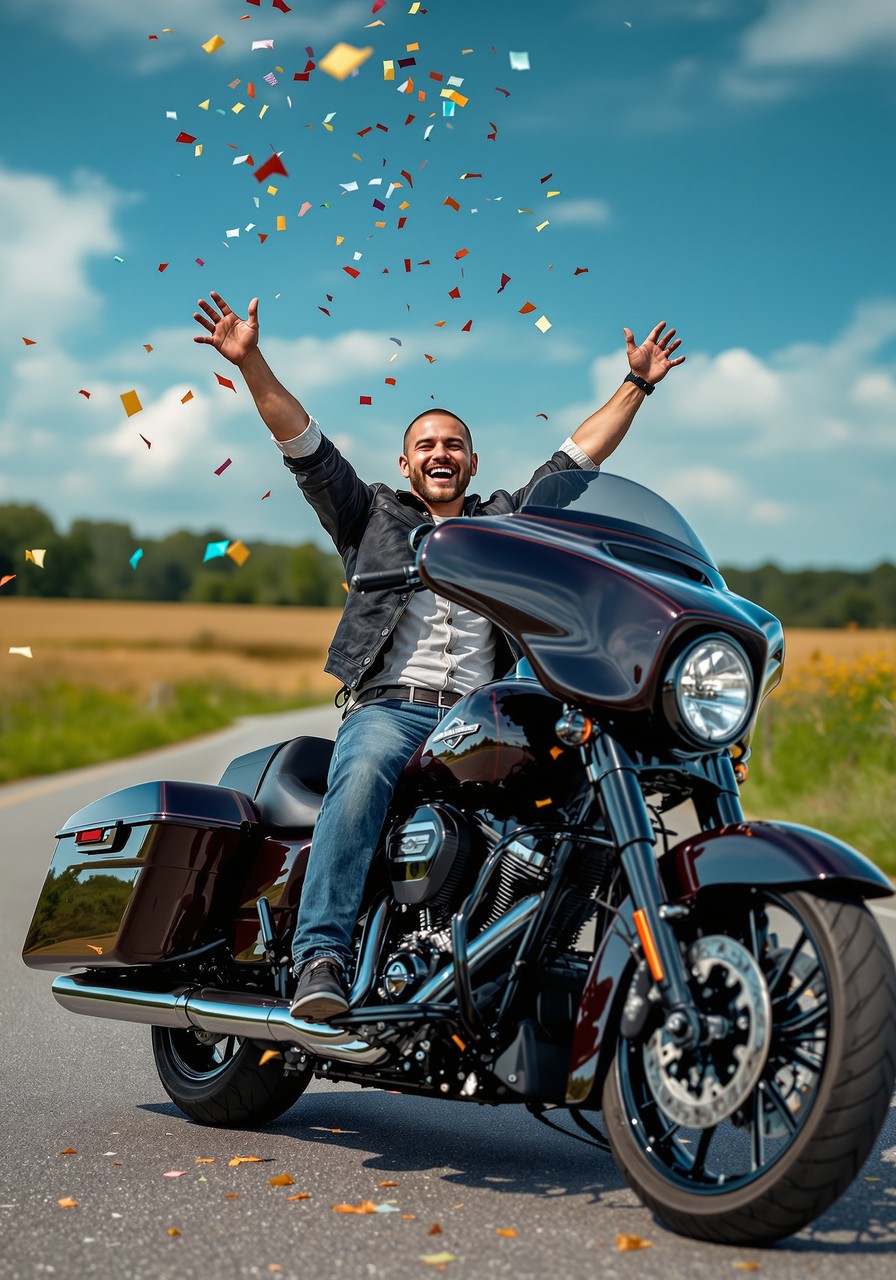
Countdown check-in, Kentuckiana. Have you gotten your name in the BikersWin $20,000 giveaway yet? #RideNationKY #MotorcycleGiveaway #Kentuckiana
Local KY & Rides
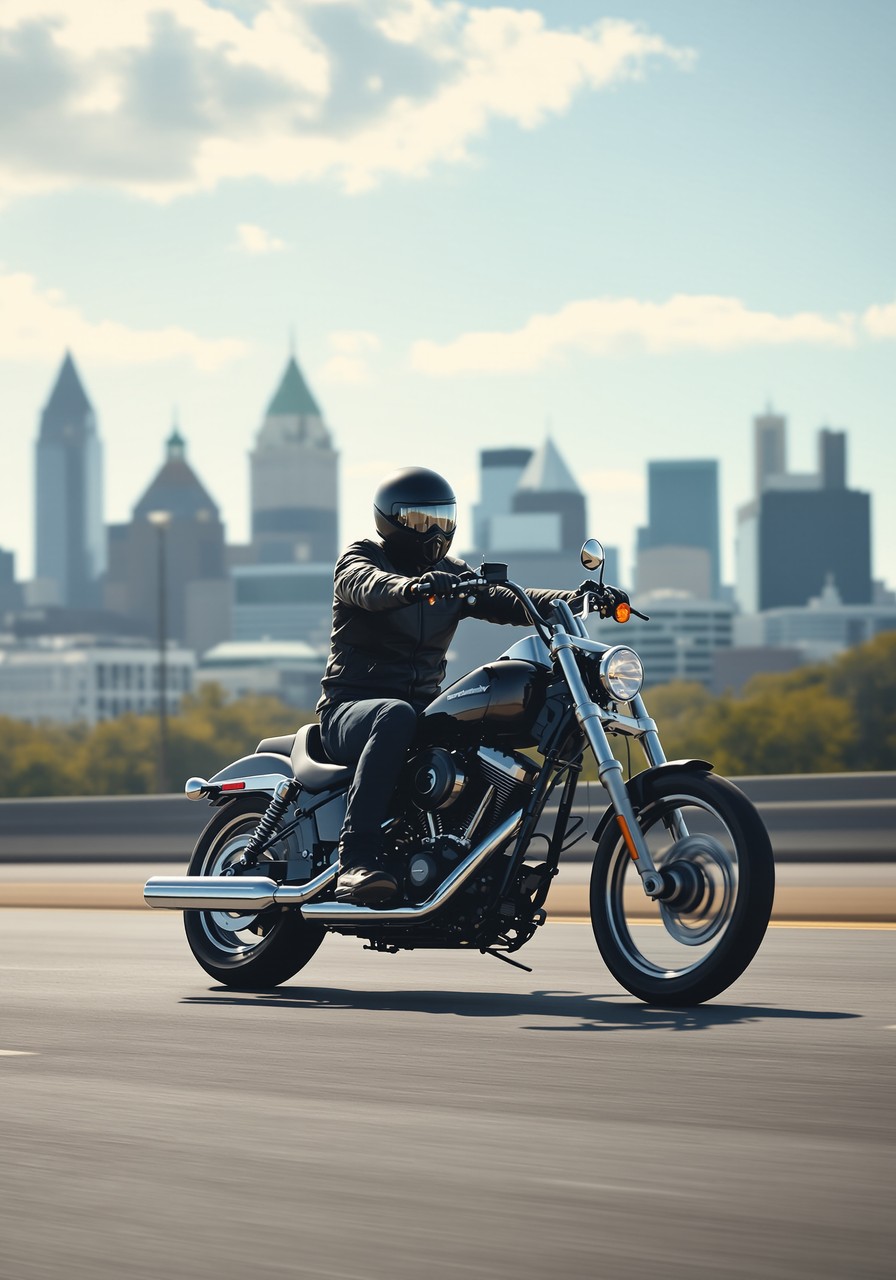
That one dry, warm January day is a gift, not a green light. Roads stay cold and gritty, so take it easy on the first ride out. #RideNationKY #KentuckyRiders
Gear & New Iron
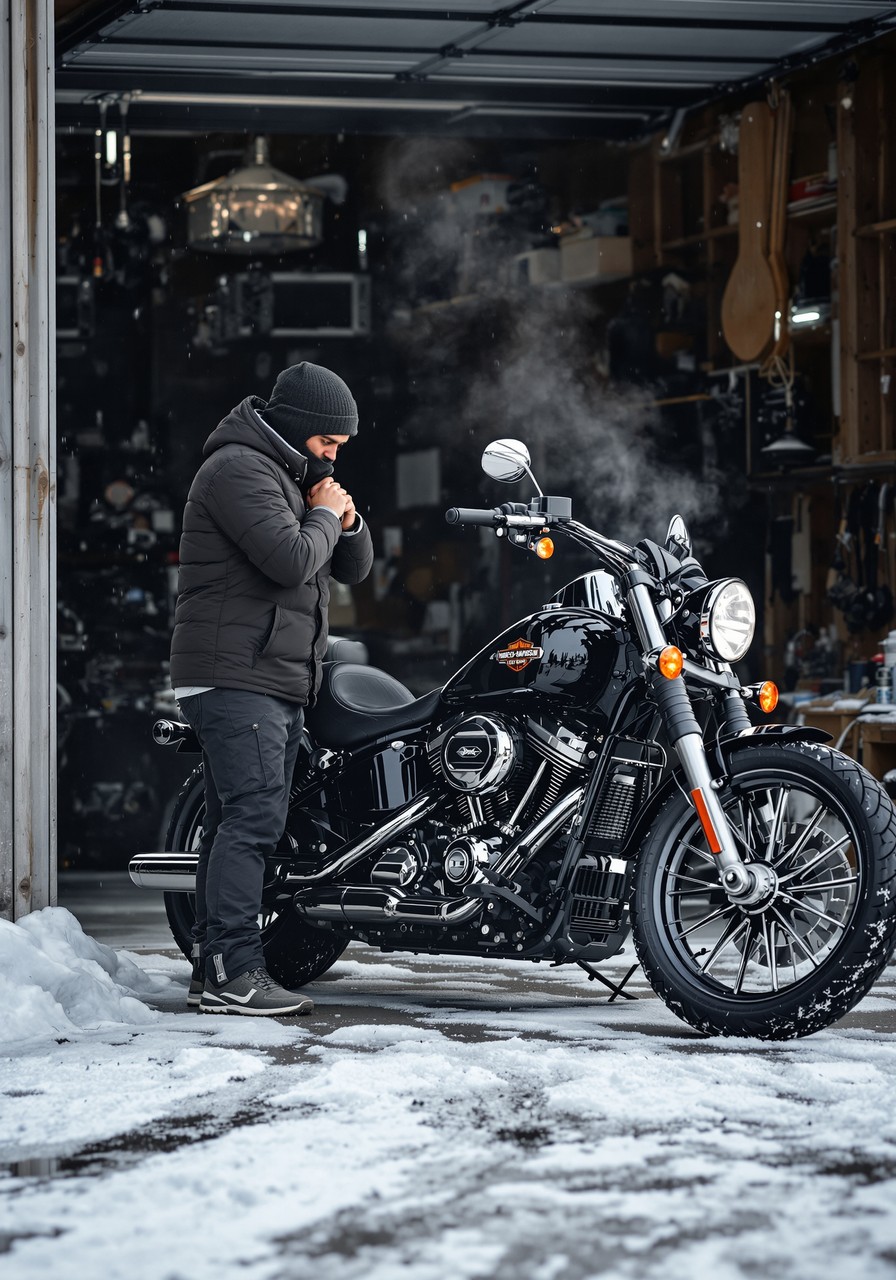
An armored riding jacket earns its keep in one slide. Look for shoulder, elbow, and back protection plus abrasion-rated material, not just a cool logo. #RideNationKY #GearUp #ATGATT
Safety & KY Law
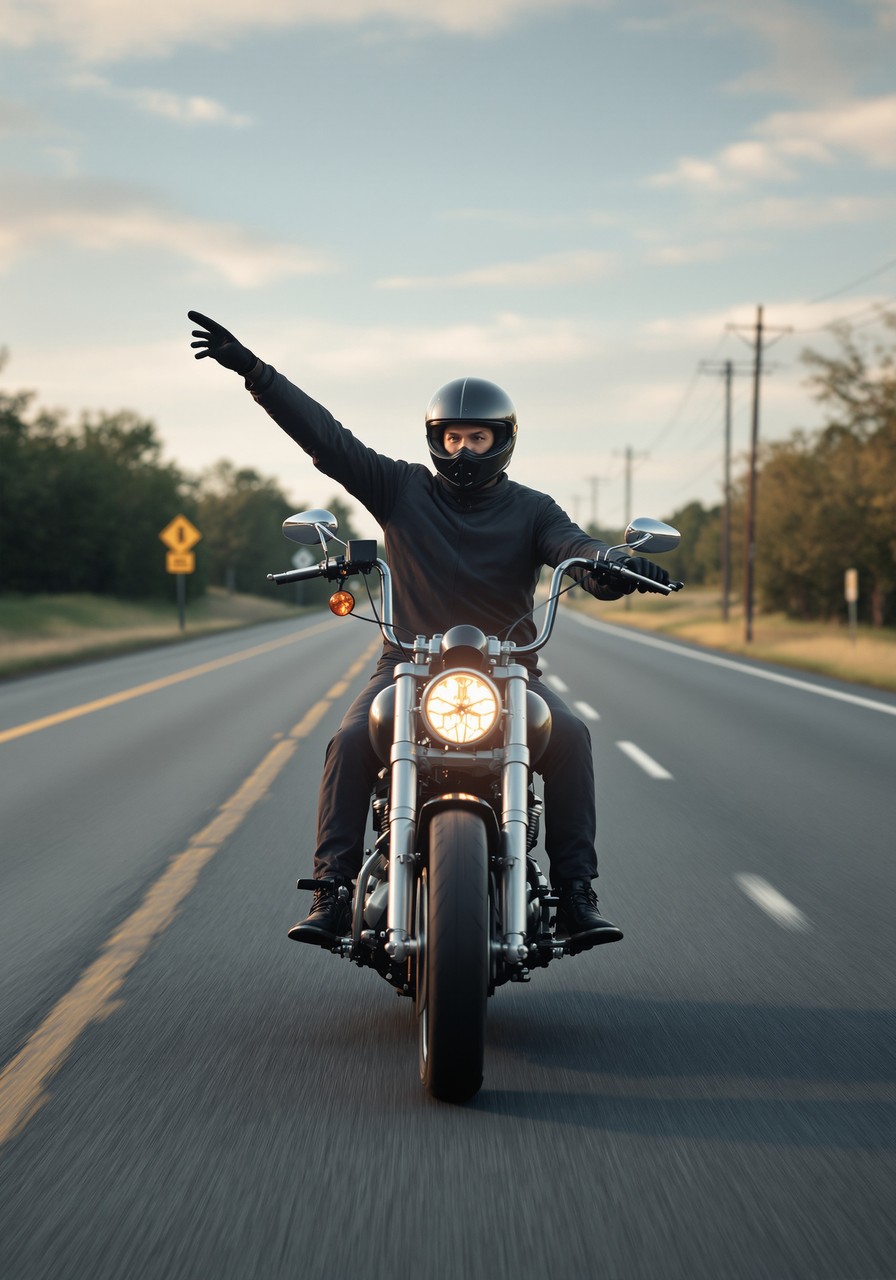
Kentucky helmet law is partial: required under 21, on a permit, or in your first licensed year. Smart for everyone, every ride. #RideNationKY #MotorcycleSafety #ATGATT
Engagement
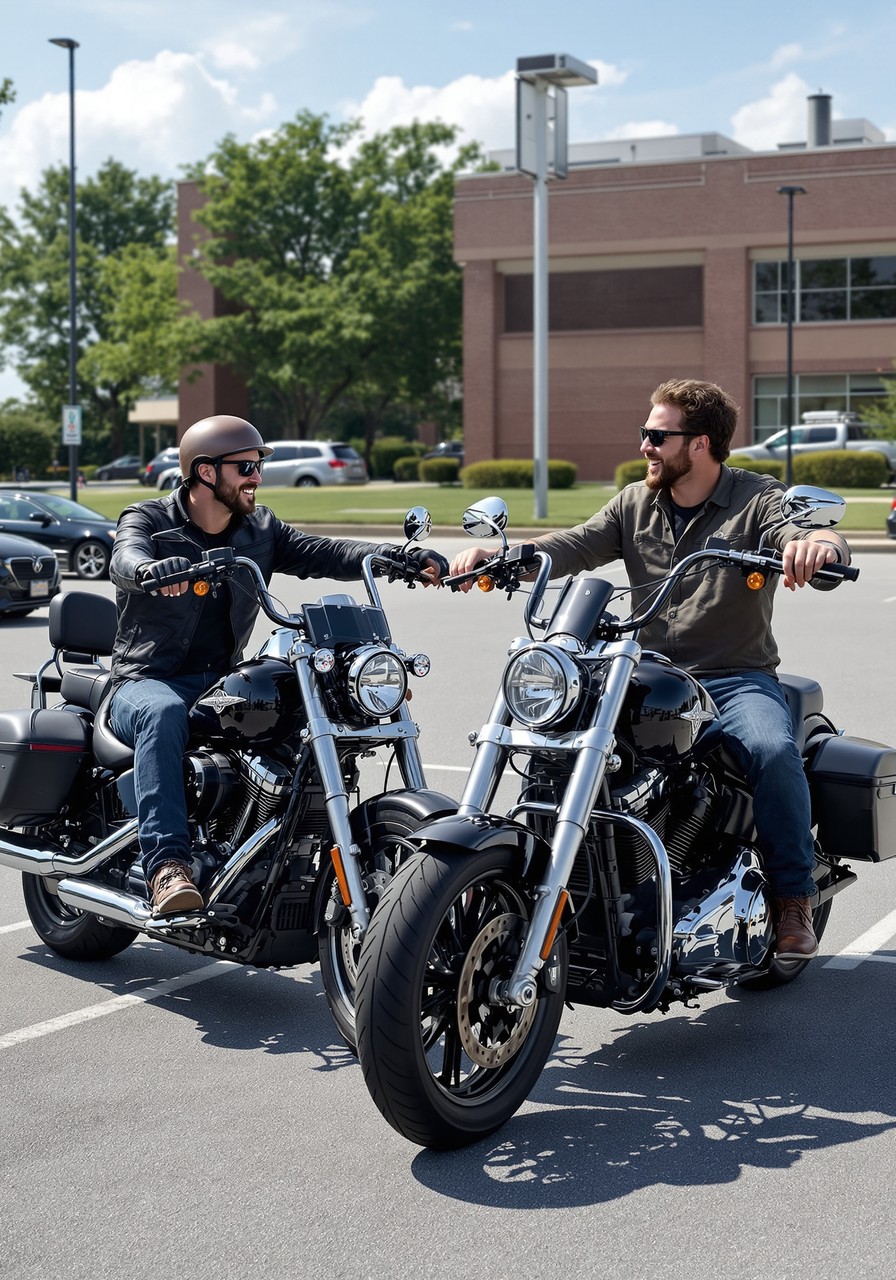
Favorites: your go-to Kentucky diner or gas-stop after a long ride. Spill the spot. #RideNationKY #BourbonCountry #LouisvilleRiders
Giveaway & Countdown
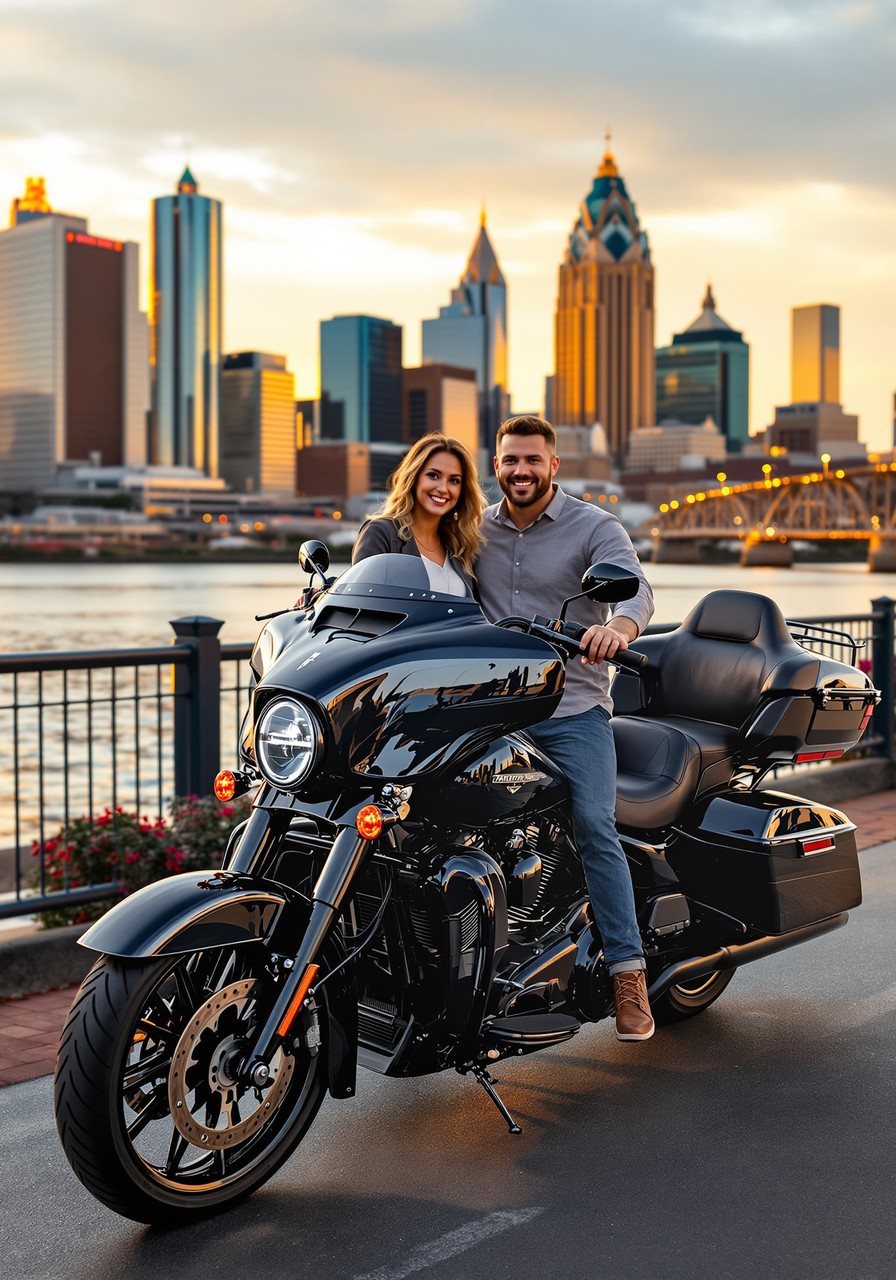
Every rider deserves a shot at twenty thousand dollars. A free case review is all it takes to enter. Call (502) 222-2222. #RideNationKY #BikersWin #KentuckyRiders
Local KY & Rides
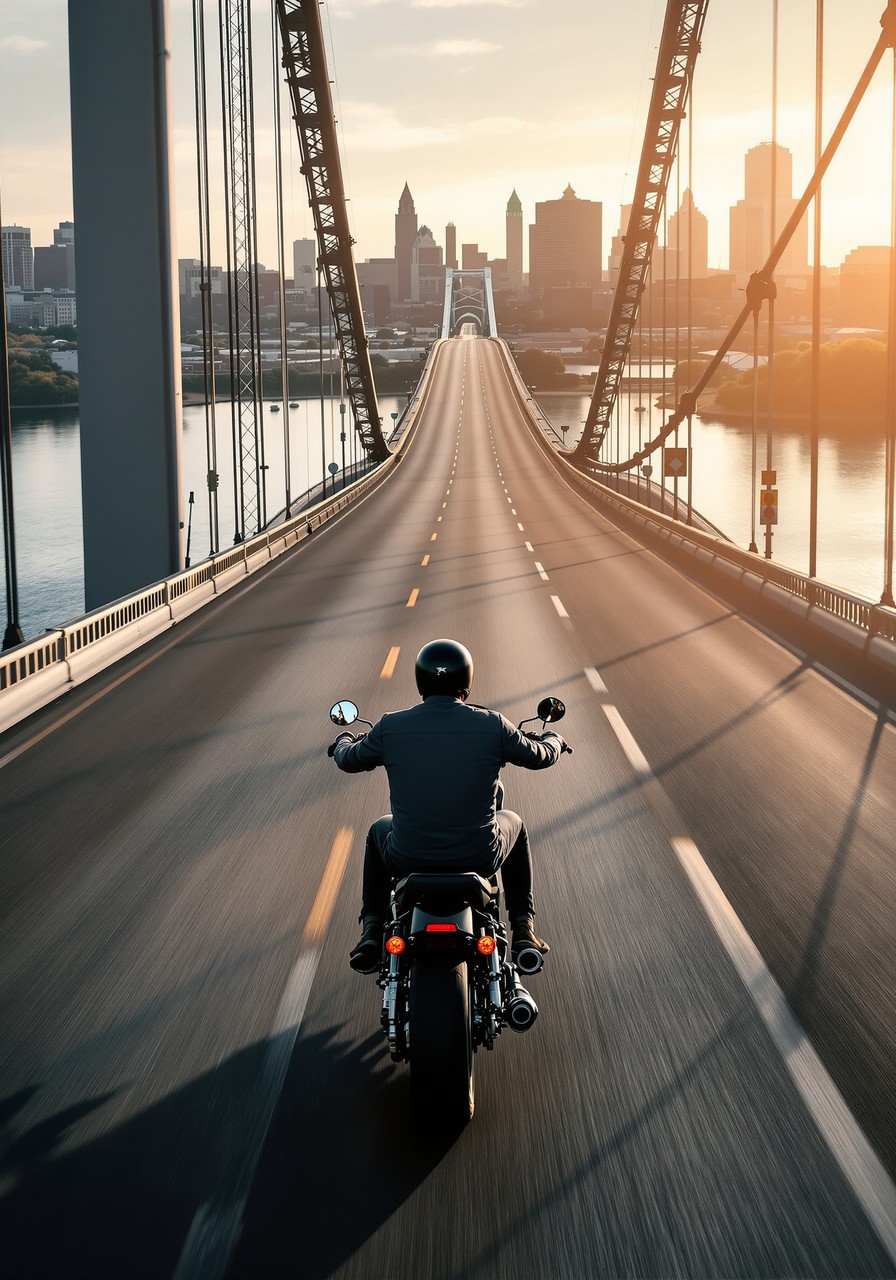
Winter is for planning. Sketch out the spring run through the bluegrass toward Bardstown and have it ready when the salt finally washes off. #RideNationKY #BourbonCountry #KentuckyRiders
Gear & New Iron
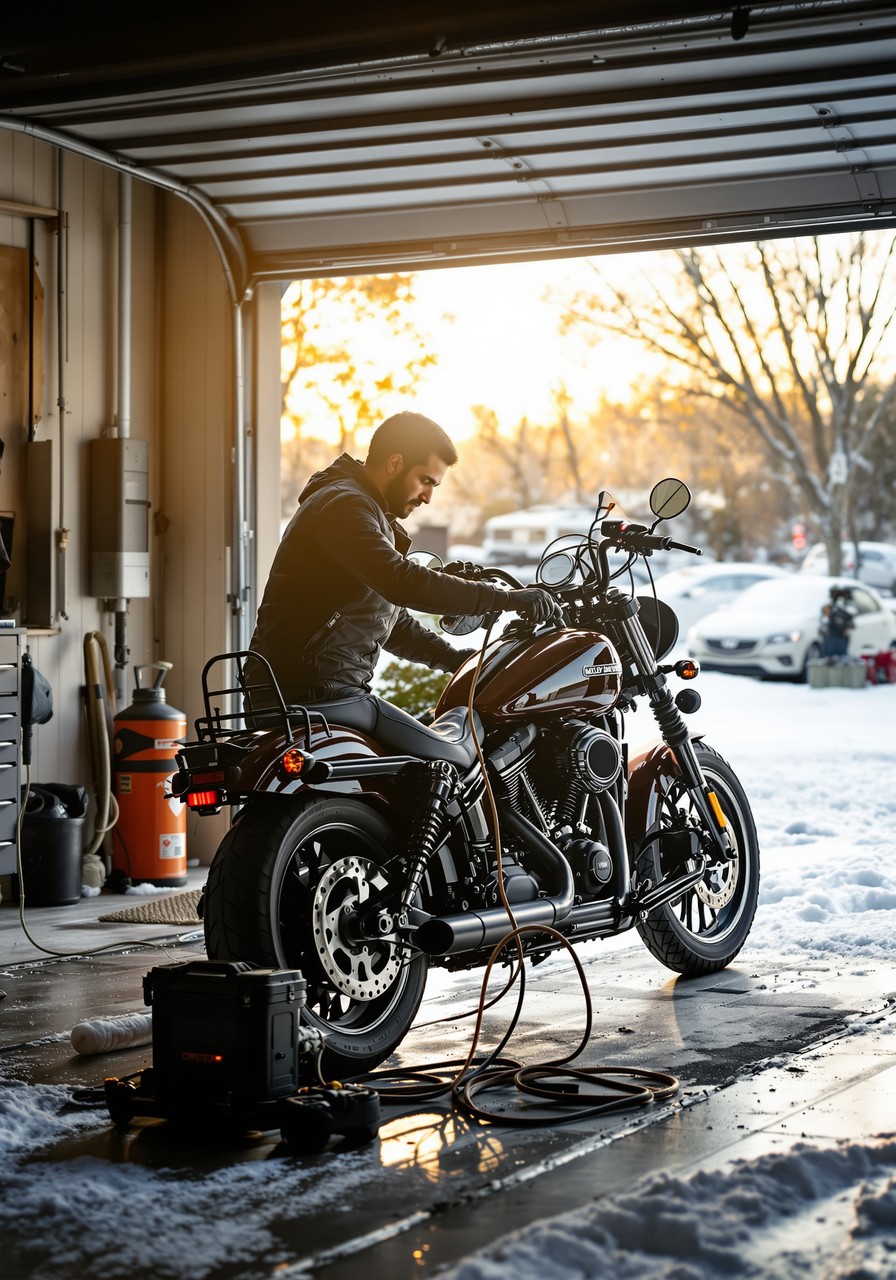
Layer like an onion for a Kentucky cold snap: wicking base, insulating mid, windproof shell. You can shed layers as the day warms up. #RideNationKY #ColdWeatherRiding #RiderTips
Safety & KY Law
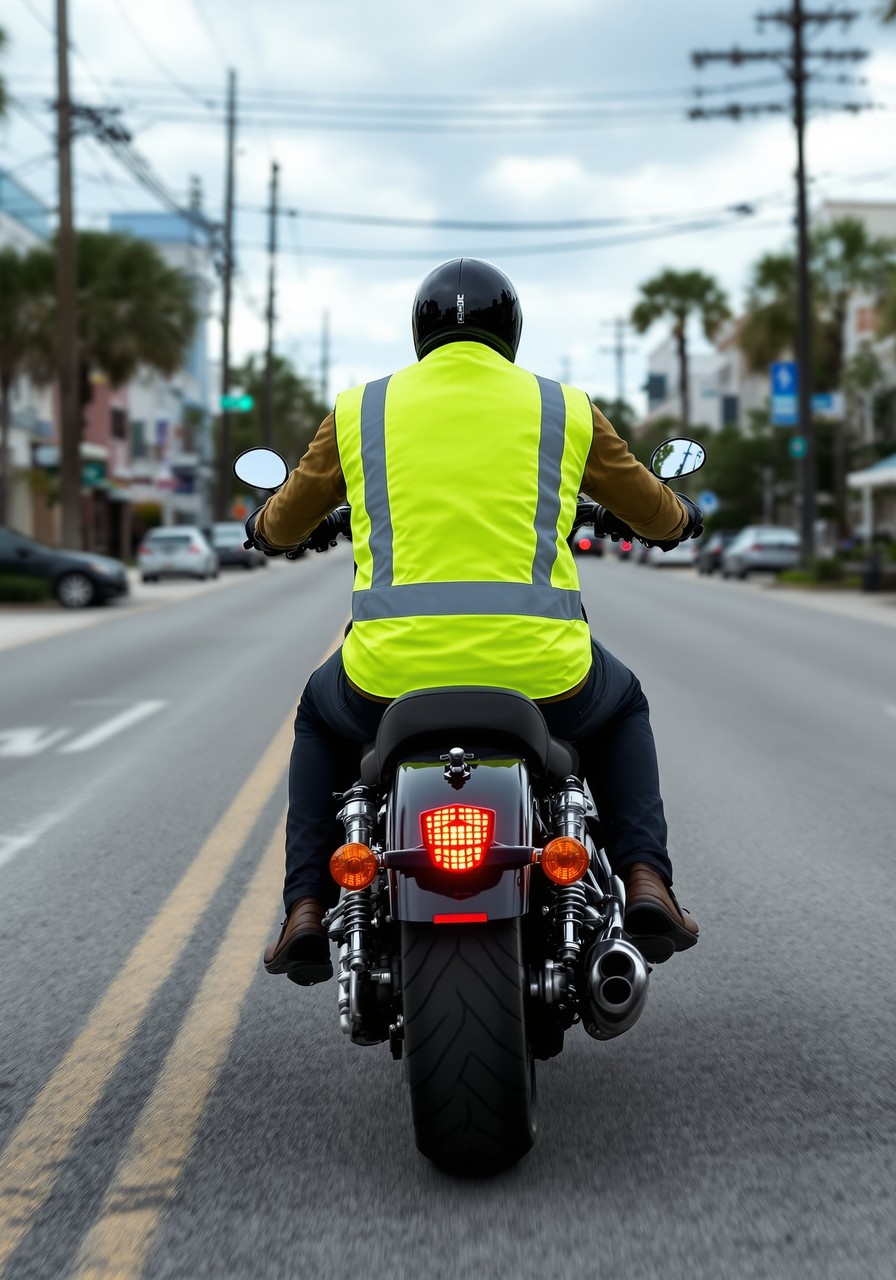
See and be seen. Bright gear, high beam in daylight, and lane position that keeps you out of blind spots save lives. #RideNationKY #MotorcycleSafety #ATGATT
Engagement
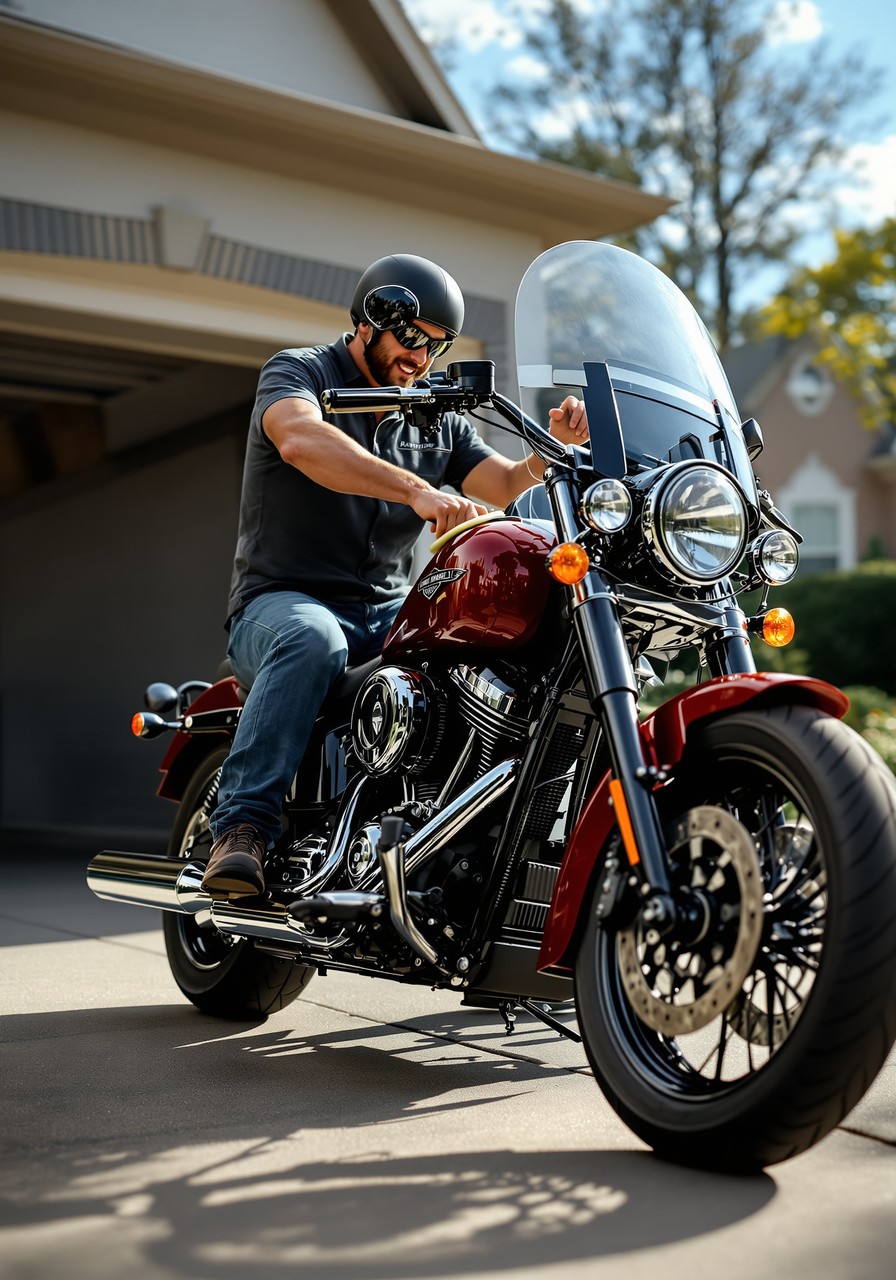
Fill in the blank: I know spring riding season is close when ______. #RideNationKY #TwoWheels #DerbyCity
Giveaway & Countdown
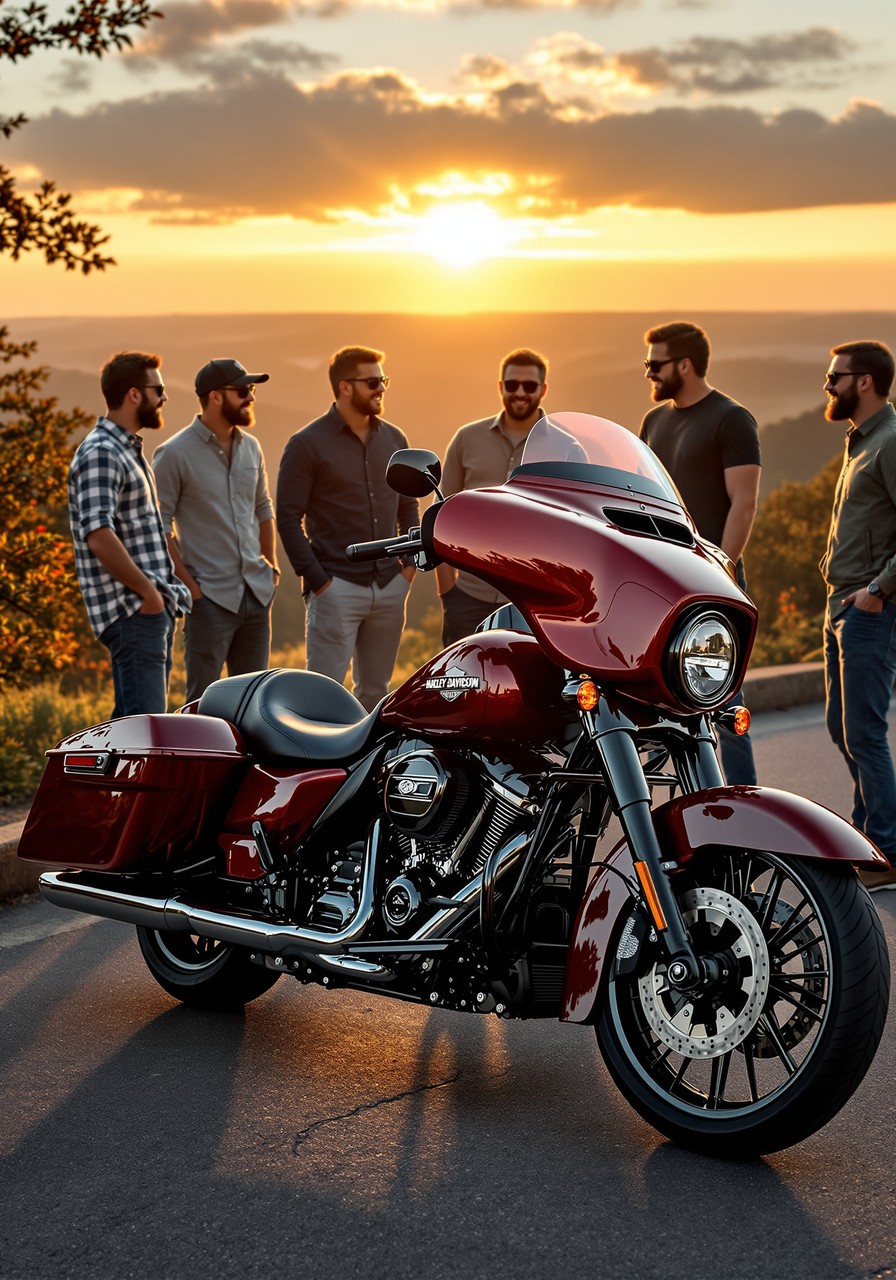
Rally the crew. Share this with every rider you know so nobody in Ride Nation misses the $20,000 giveaway. #RideNationKY #20kGiveaway #LouisvilleRiders
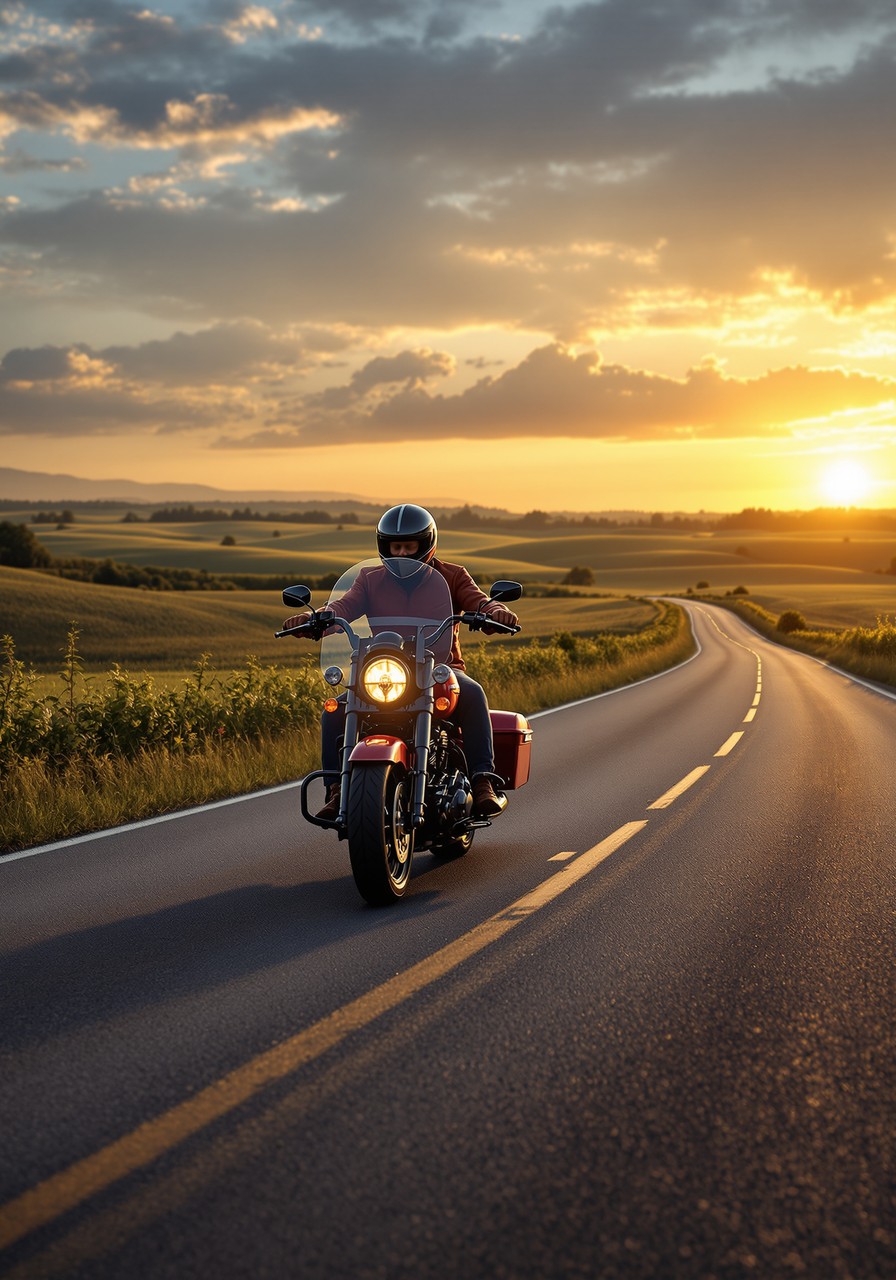
Local KY & Rides
Freeze-thaw season chews up the pavement. Those potholes on the Watterson ramps get deep fast, so keep your eyes way down the road. #RideNationKY #LouisvilleRiders
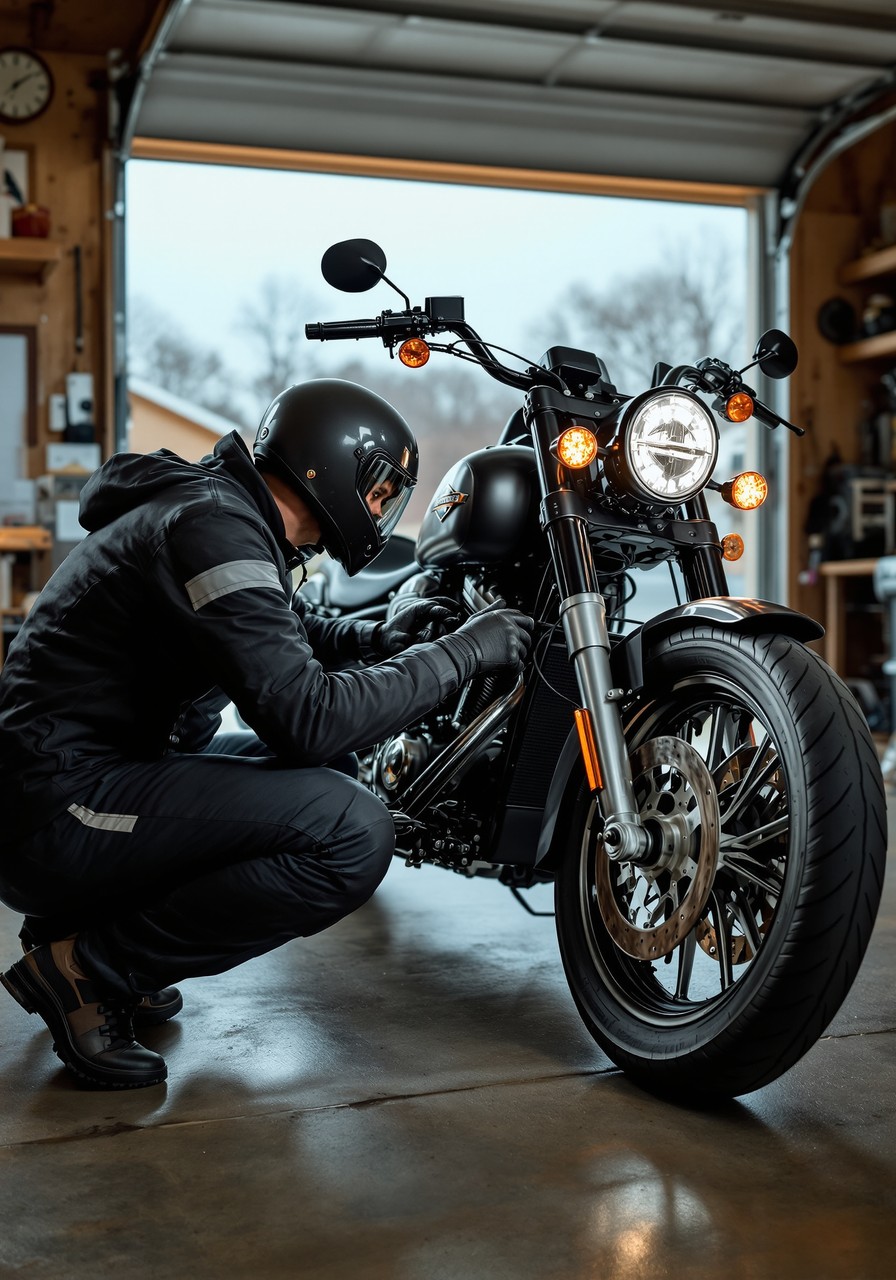
Gear & New Iron
A battery left to sit all winter without a tender often will not hold a charge by March. Trickle it or pull it and keep it warm indoors. #RideNationKY #MotorcycleMaintenance #ColdWeatherRiding
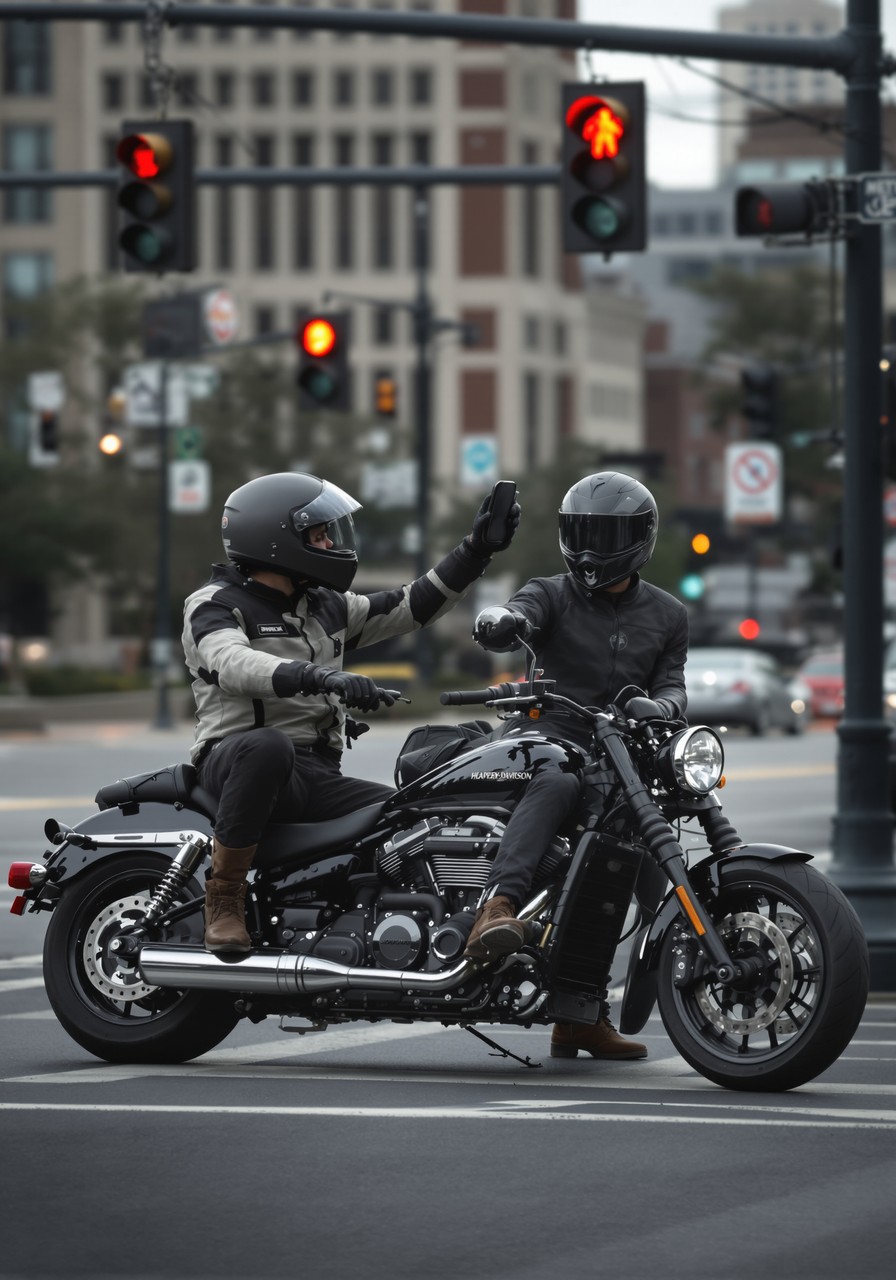
Safety & KY Law
Kentucky uses pure comparative negligence. Even if you share some blame, you are not automatically barred from recovering. Free case review at trumanlaw.com. #RideNationKY #KnowYourRights #RiderRights
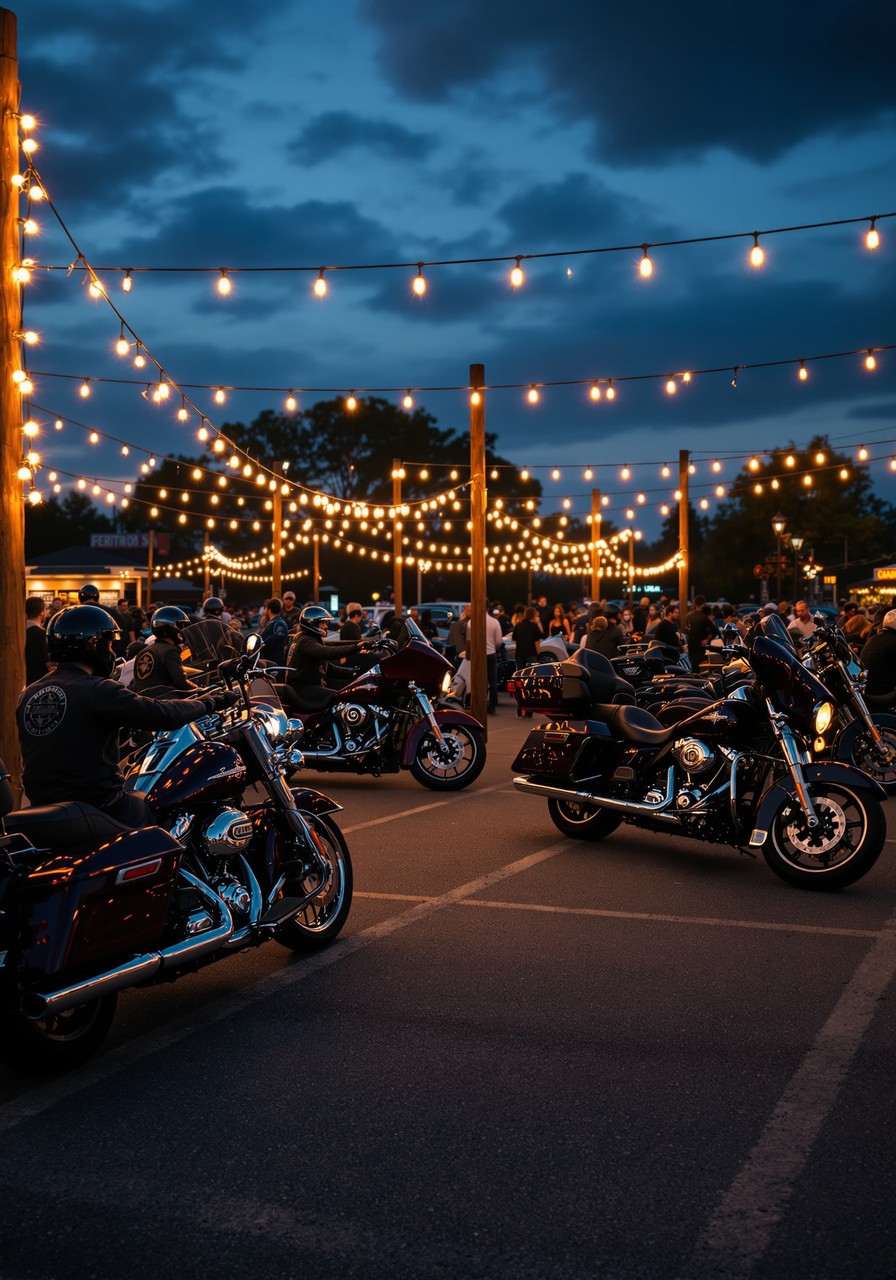
Engagement
This or that: solo therapy ride or twenty bikes rolling deep. Which mood are you today? #RideNationKY #RideOrDie #KentuckyRiders
Giveaway & Countdown
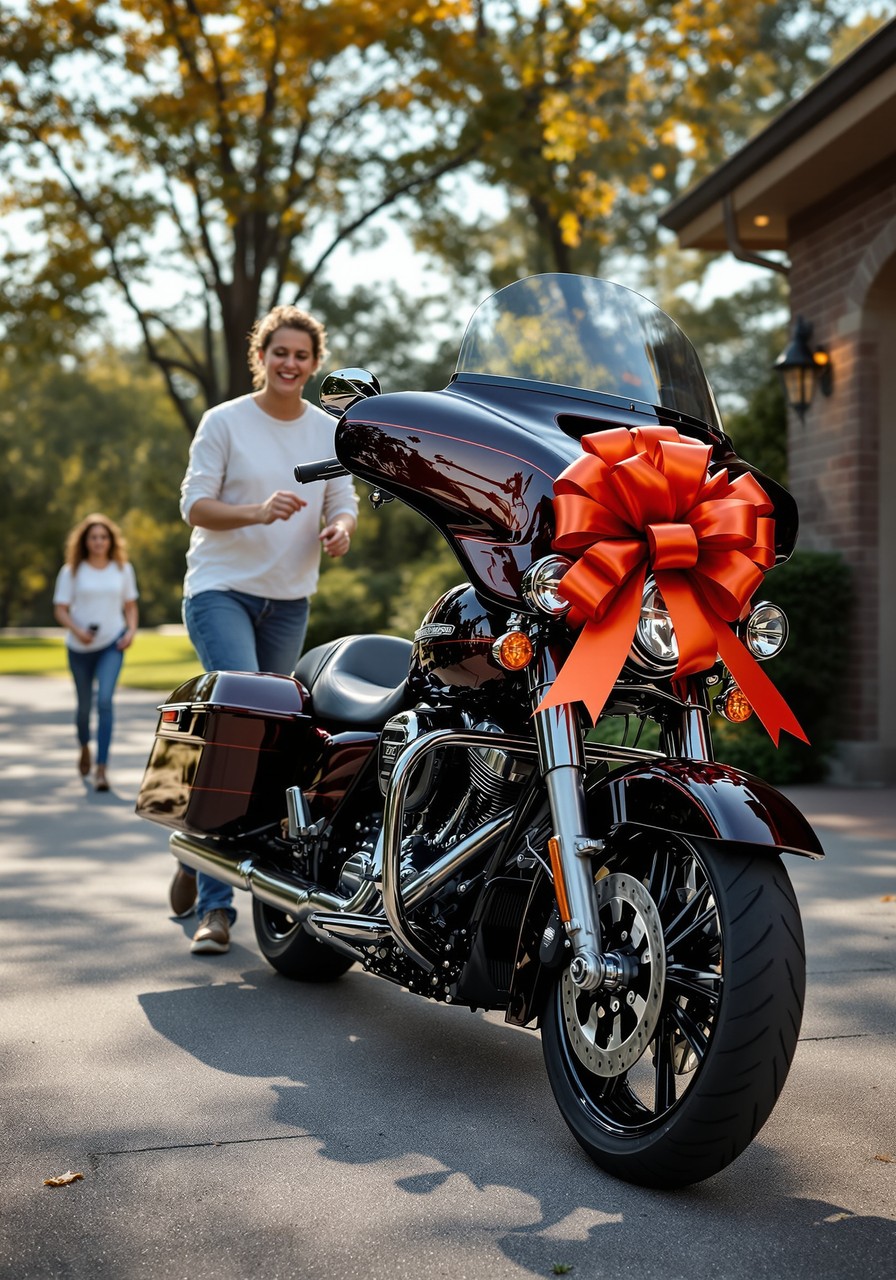
No purchase, no gimmicks. Just talk with Karl Truman Law about your motorcycle claim and you are entered. (502) 222-2222. #RideNationKY #BikersWin #MotorcycleGiveaway
Local KY & Rides
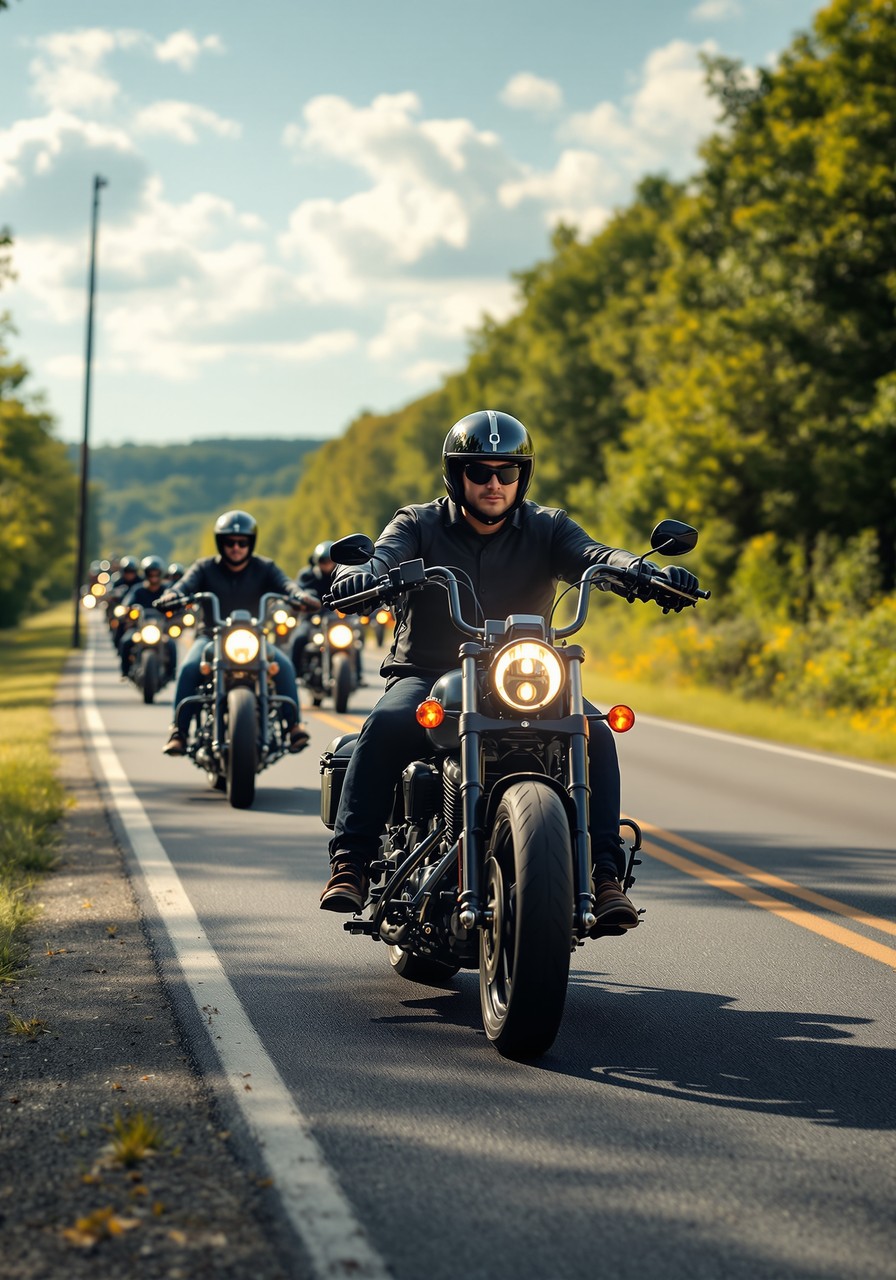
Steel-grate bridge decks feel squirrelly even in the dry. Loosen your grip, look through it, and let the bike track across. #RideNationKY #OhioRiver #MotorcycleRoads
Gear & New Iron
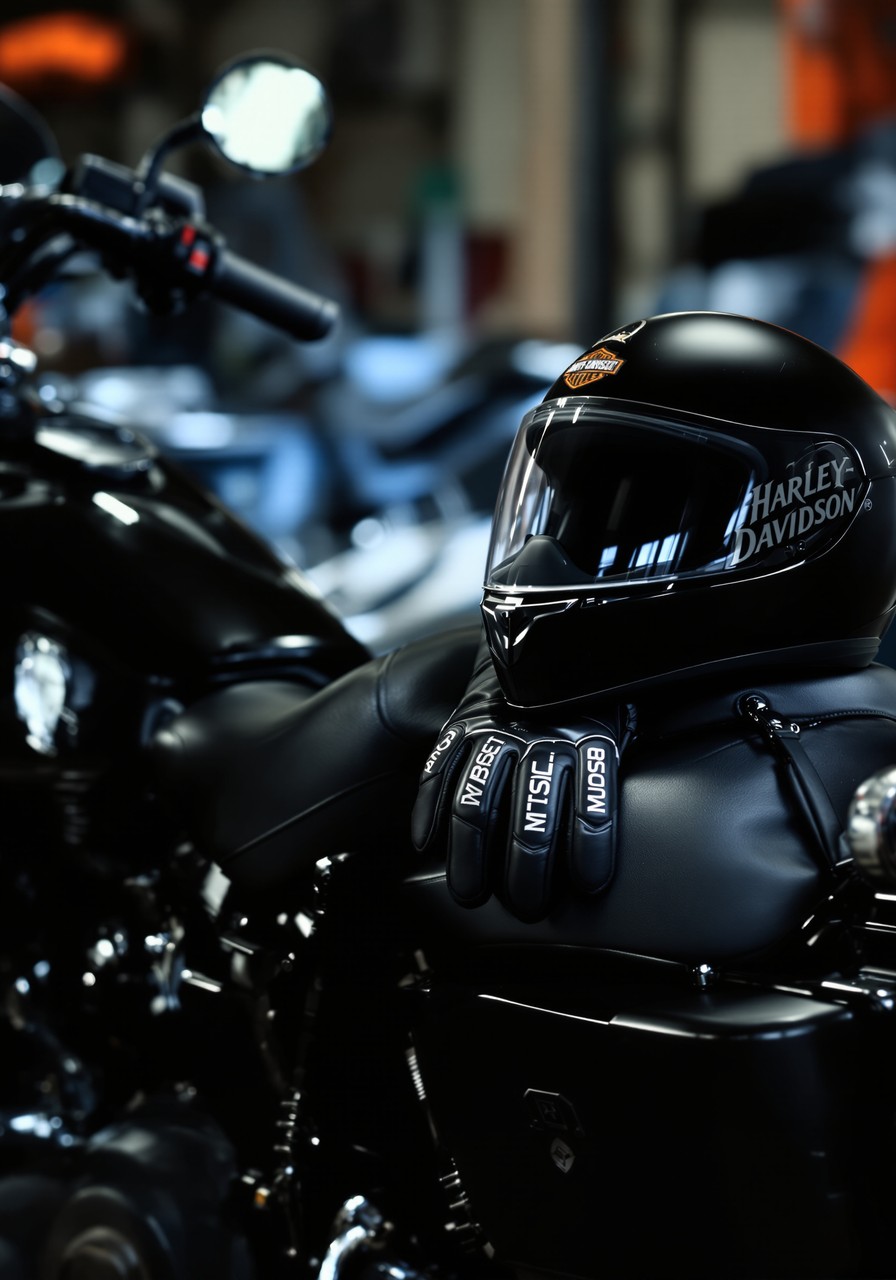
Lube your chain after every wet or salty ride, not just on a calendar. Water and road grime strip the lube and start the rust. #RideNationKY #MotorcycleMaintenance #RiderTips
Safety & KY Law
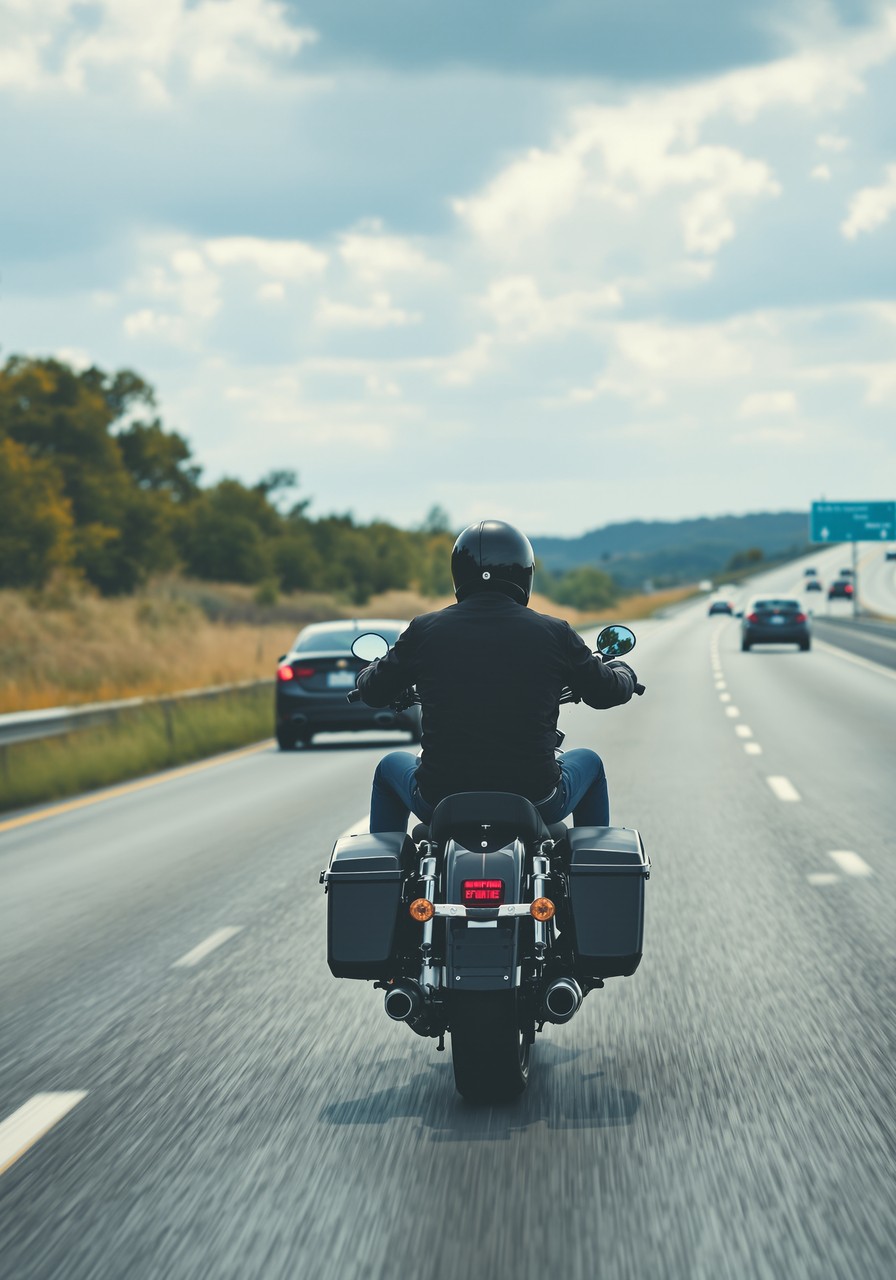
No-fault BRB does not cover motorcyclists in Kentucky. Your health insurance and UM/UIM carry the load, so check them now. #RideNationKY #RiderRights #KentuckyRiders
Engagement
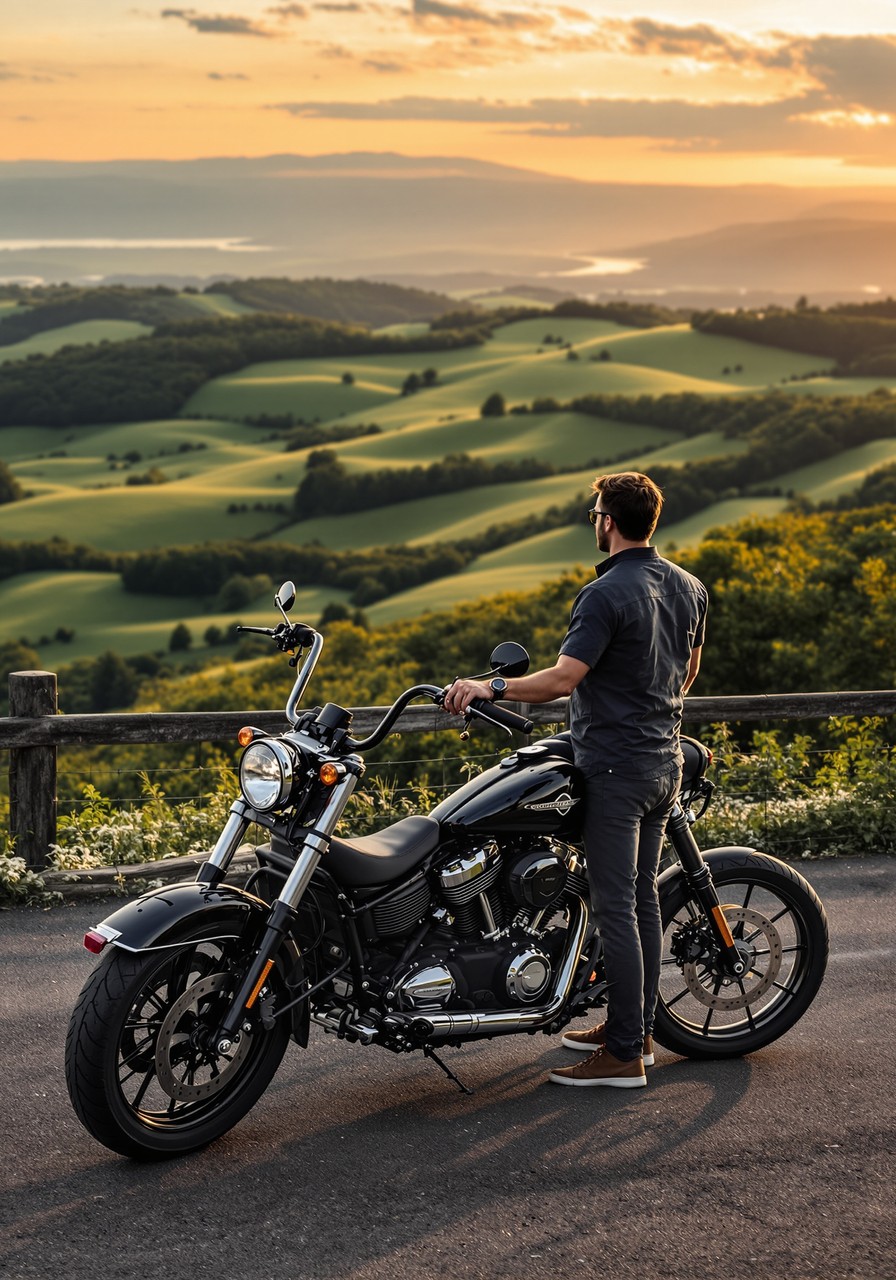
Poll: winter project this year is a full rebuild, small mods, or just cleaning her up. Pick one. #RideNationKY #BikerLife #LouisvilleRiders
Giveaway & Countdown
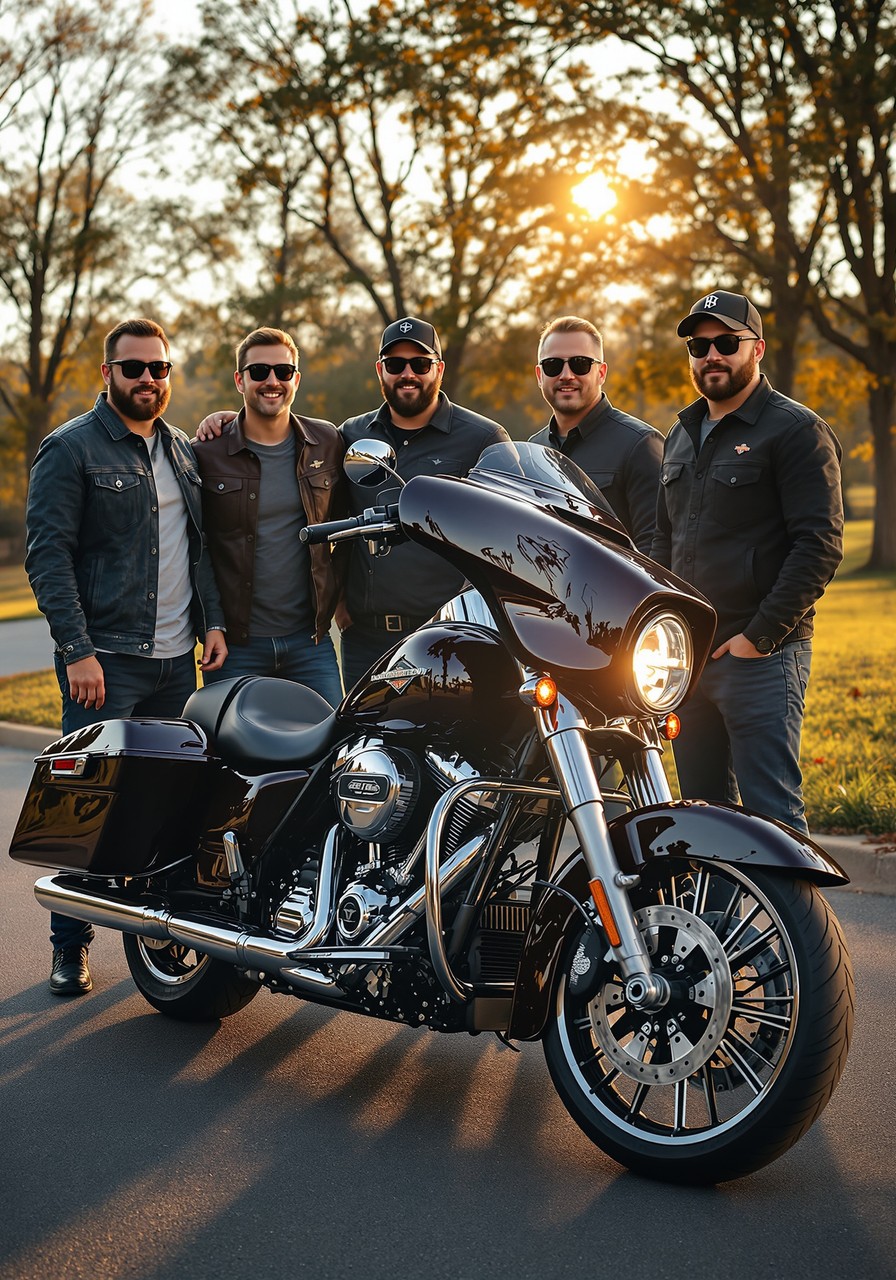
The BikersWin $20,000 giveaway keeps gaining speed. Louisville riders are showing up in force. #RideNationKY #LouisvilleRiders #20kGiveaway
Local KY & Rides
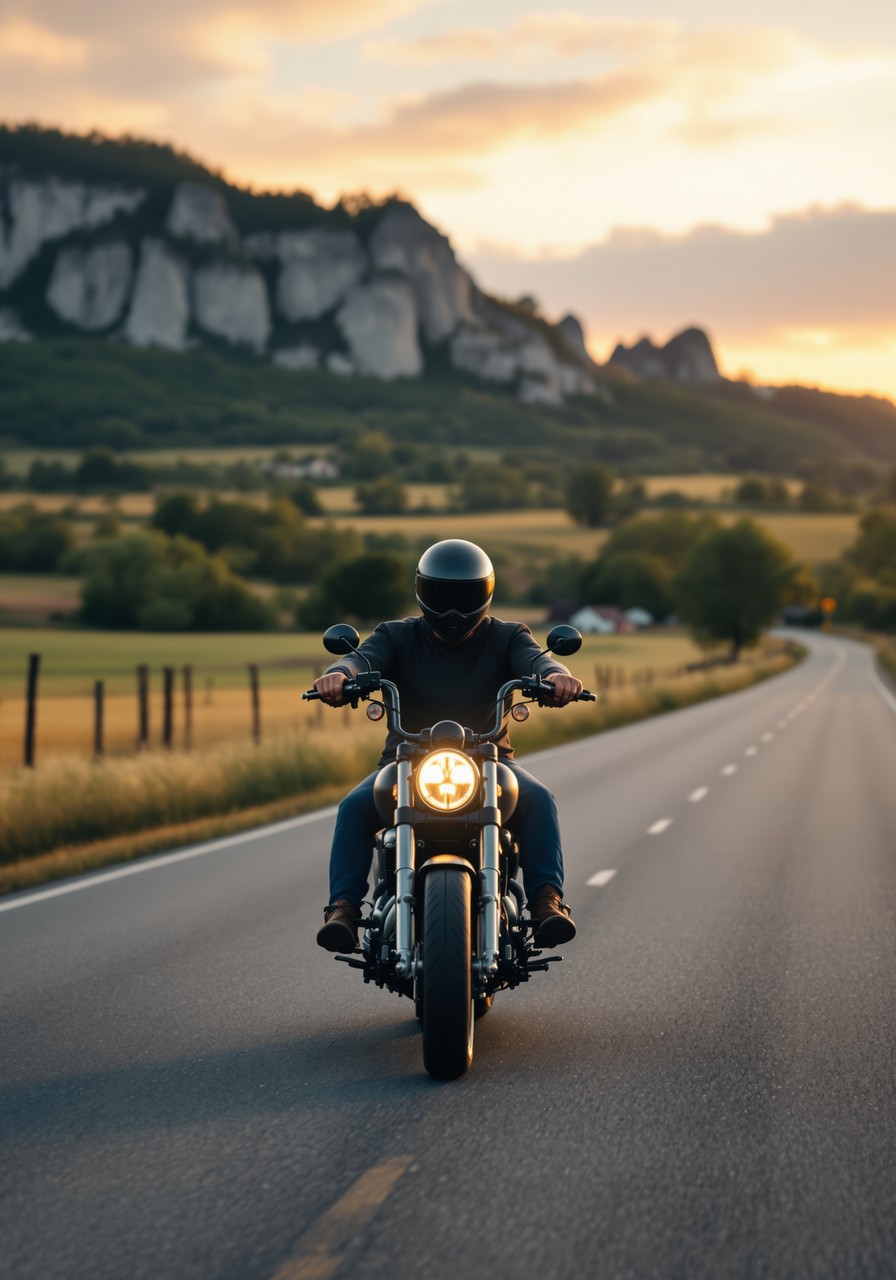
Gravel washes onto the bourbon-country backroads after every hard rain. Trust the exits less than you want to and set your entry speed early. #RideNationKY #BourbonCountry #MotorcycleRoads
Gear & New Iron
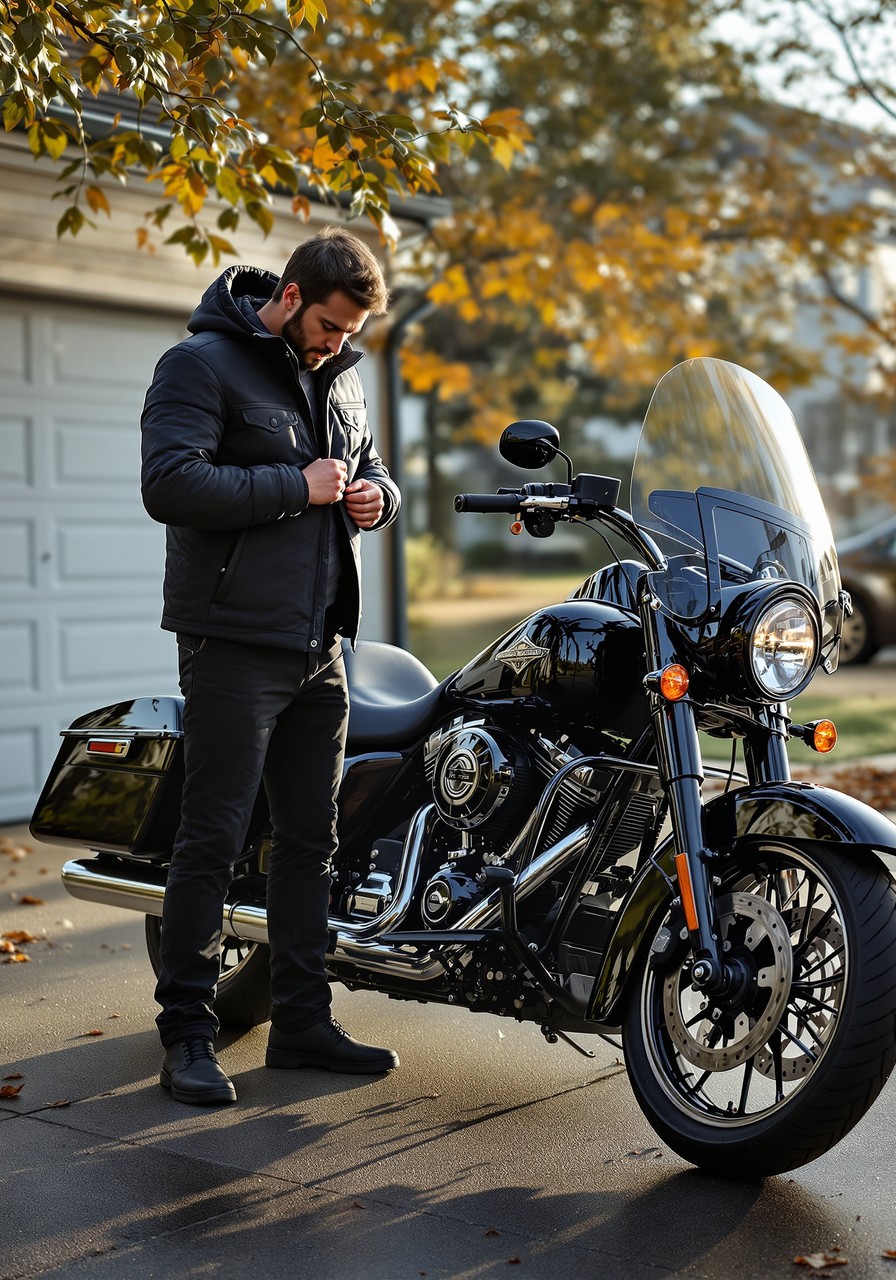
The penny test still works. Stick one in the tread and if you see all of Lincoln's head, your tire is done. Bald tires and cold pavement do not mix. #RideNationKY #MotorcycleMaintenance #RiderTips
Safety & KY Law
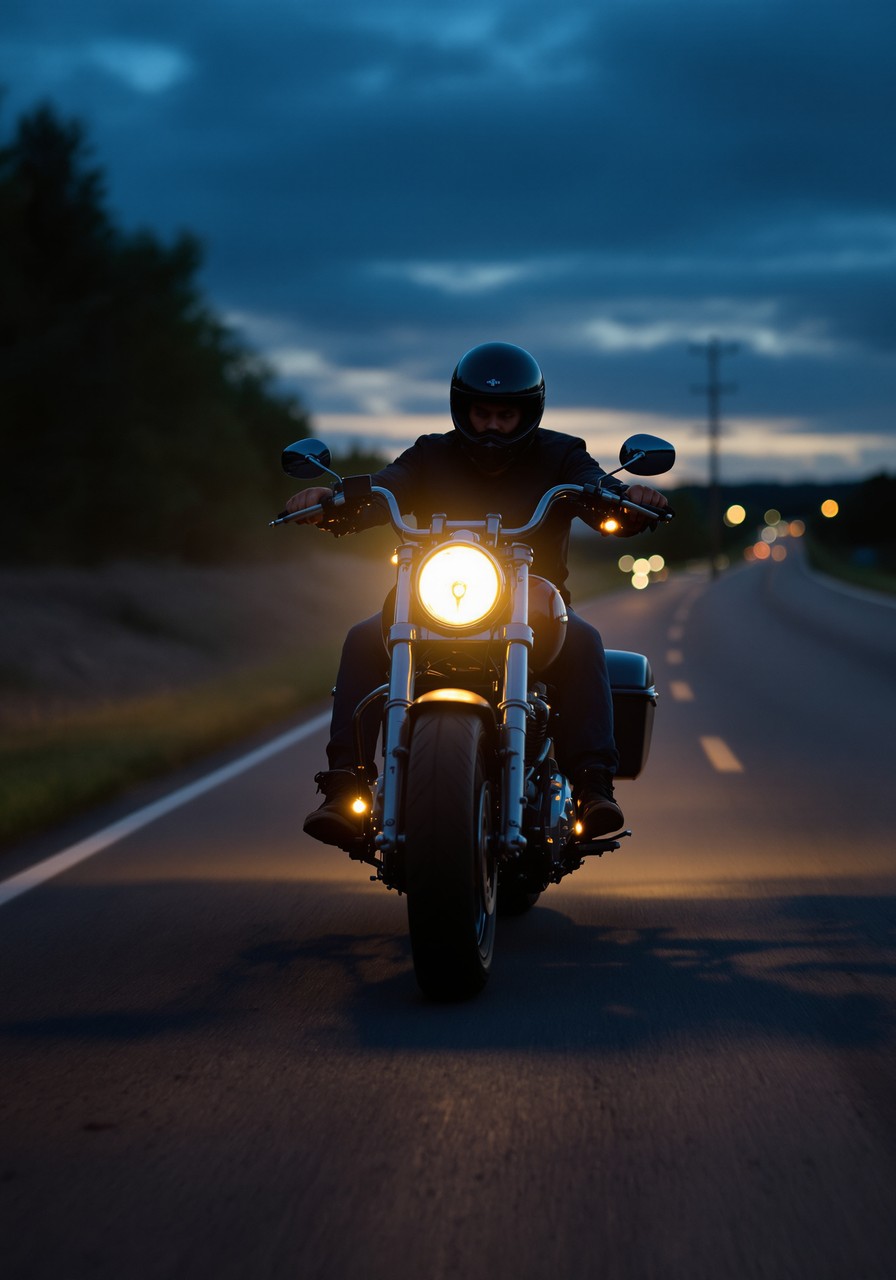
Bridge decks and elevated ramps ice over before the road does. On cold Ohio River mornings, slow down and stay smooth. #RideNationKY #MotorcycleSafety #Kentuckiana
Engagement
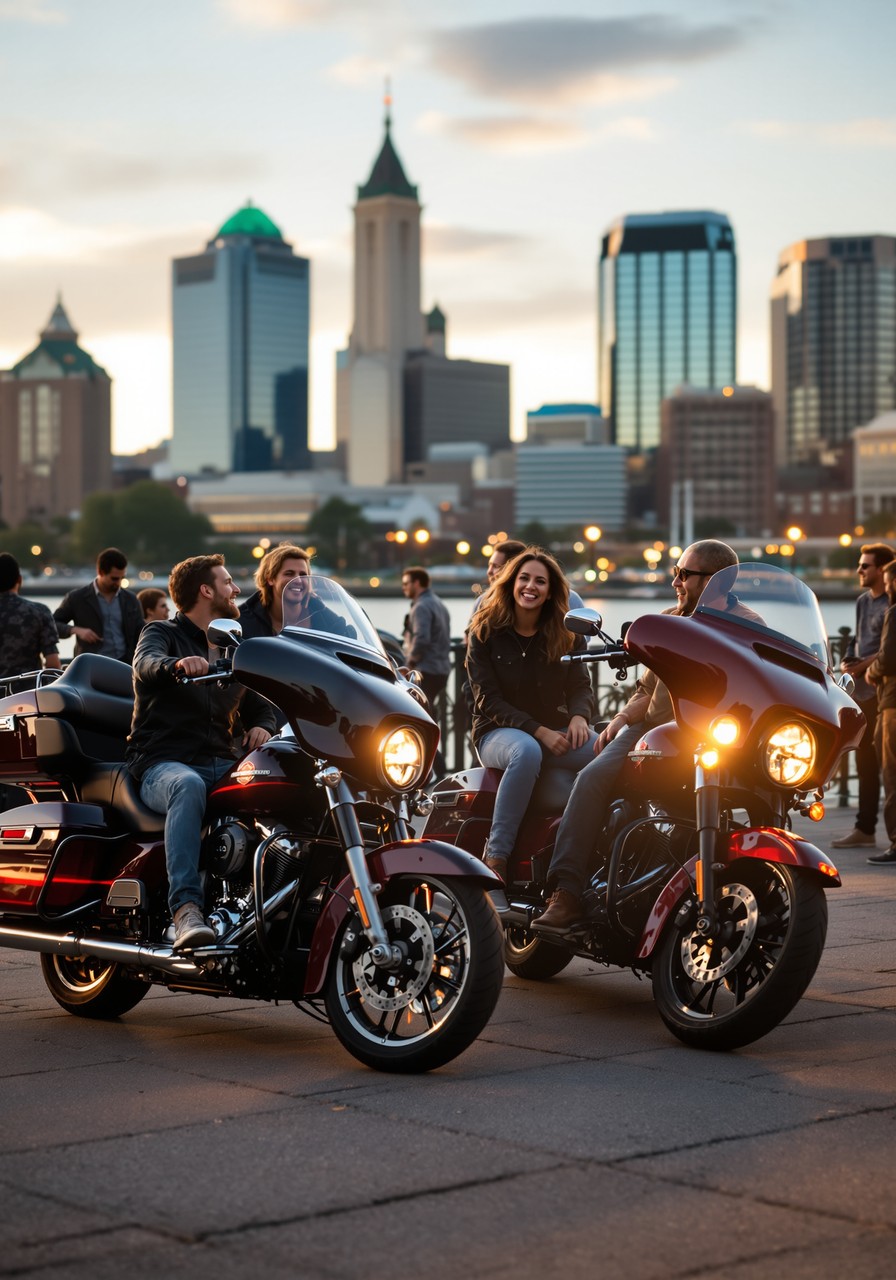
Drop one photo of your bike parked somewhere in Kentuckiana you are proud of. We are scrolling. #RideNationKY #Kentuckiana #TwoWheels
Giveaway & Countdown
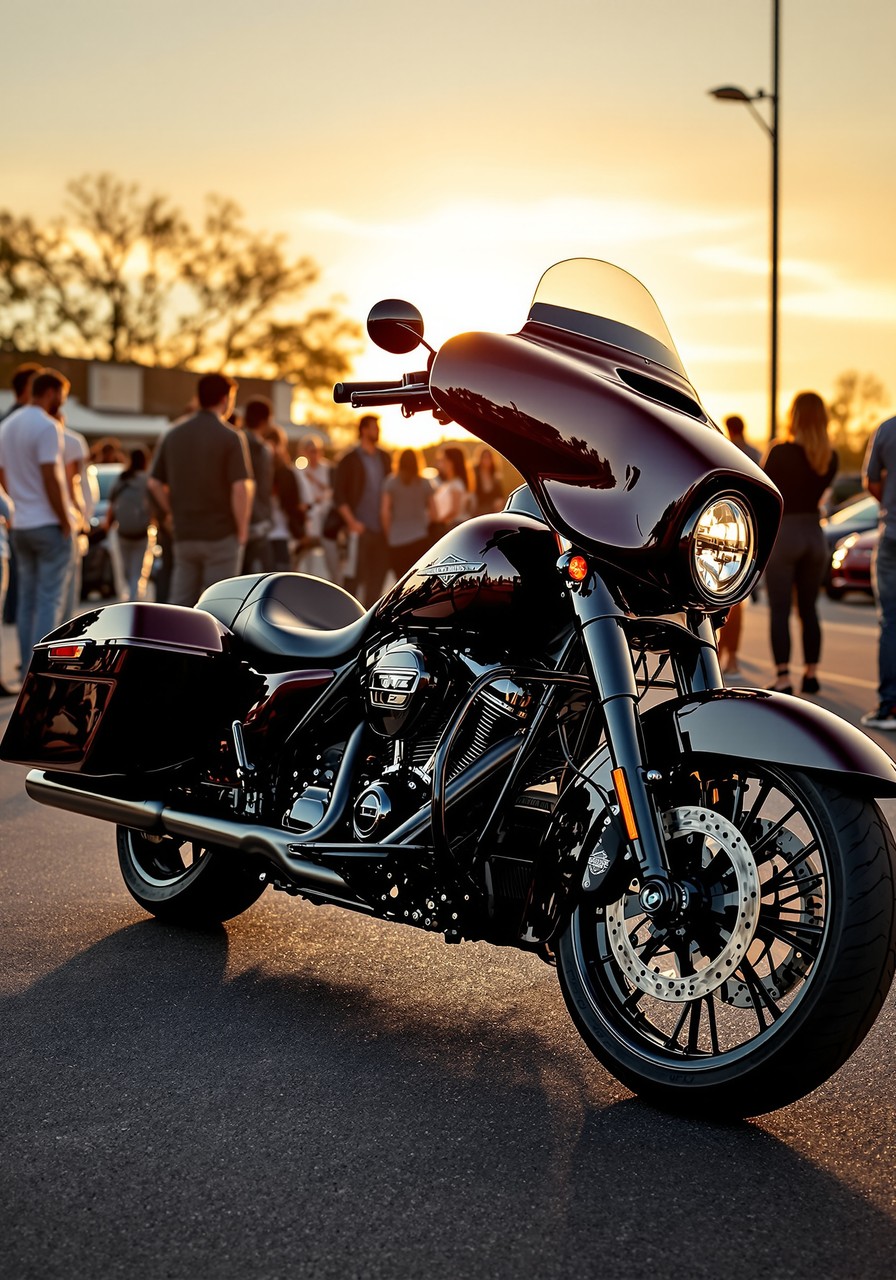
Curious how the giveaway works? One phone call clears it up. Reach us at (502) 222-2222 and get entered free. #RideNationKY #BikersWin #Kentuckiana
Local KY & Rides
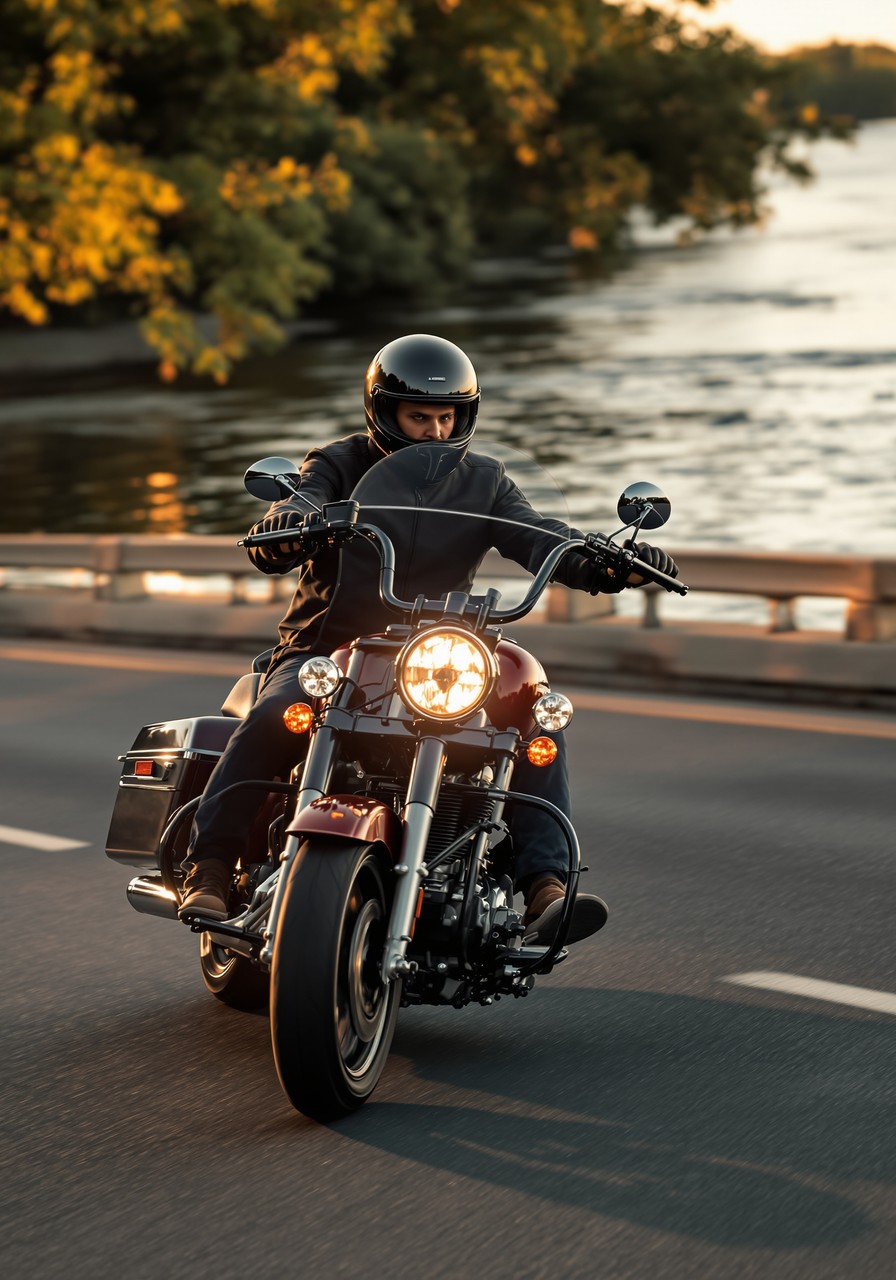
Deer at dusk are no joke out toward Bernheim and the horse farms. Dial it back in that last hour of light. #RideNationKY #KentuckyRiders #MotorcycleRoads
Gear & New Iron
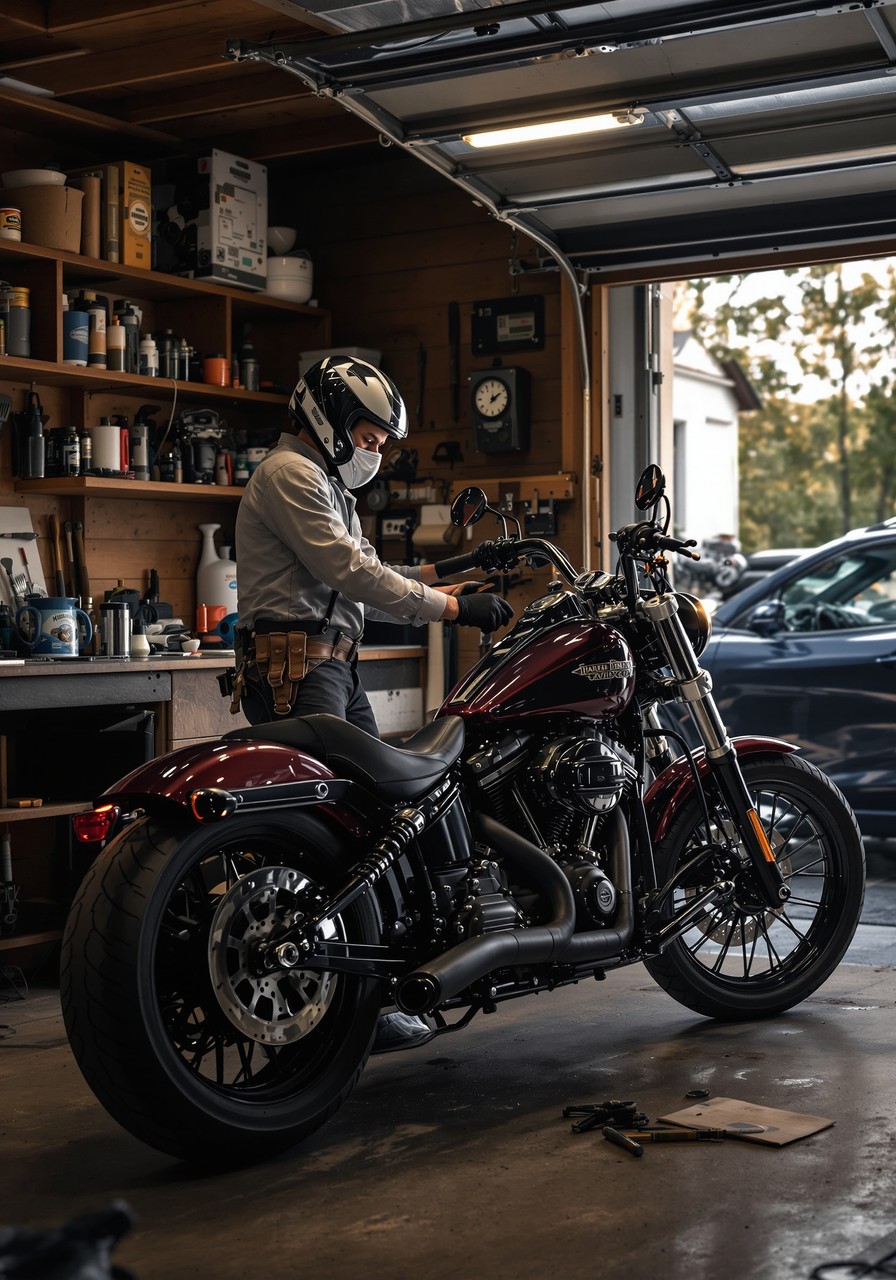
Winterizing checklist: fresh oil, fuel stabilizer, tender on the battery, tires off the cold concrete, cover on. Ten minutes now saves a rough spring. #RideNationKY #MotorcycleMaintenance #ColdWeatherRiding
Safety & KY Law
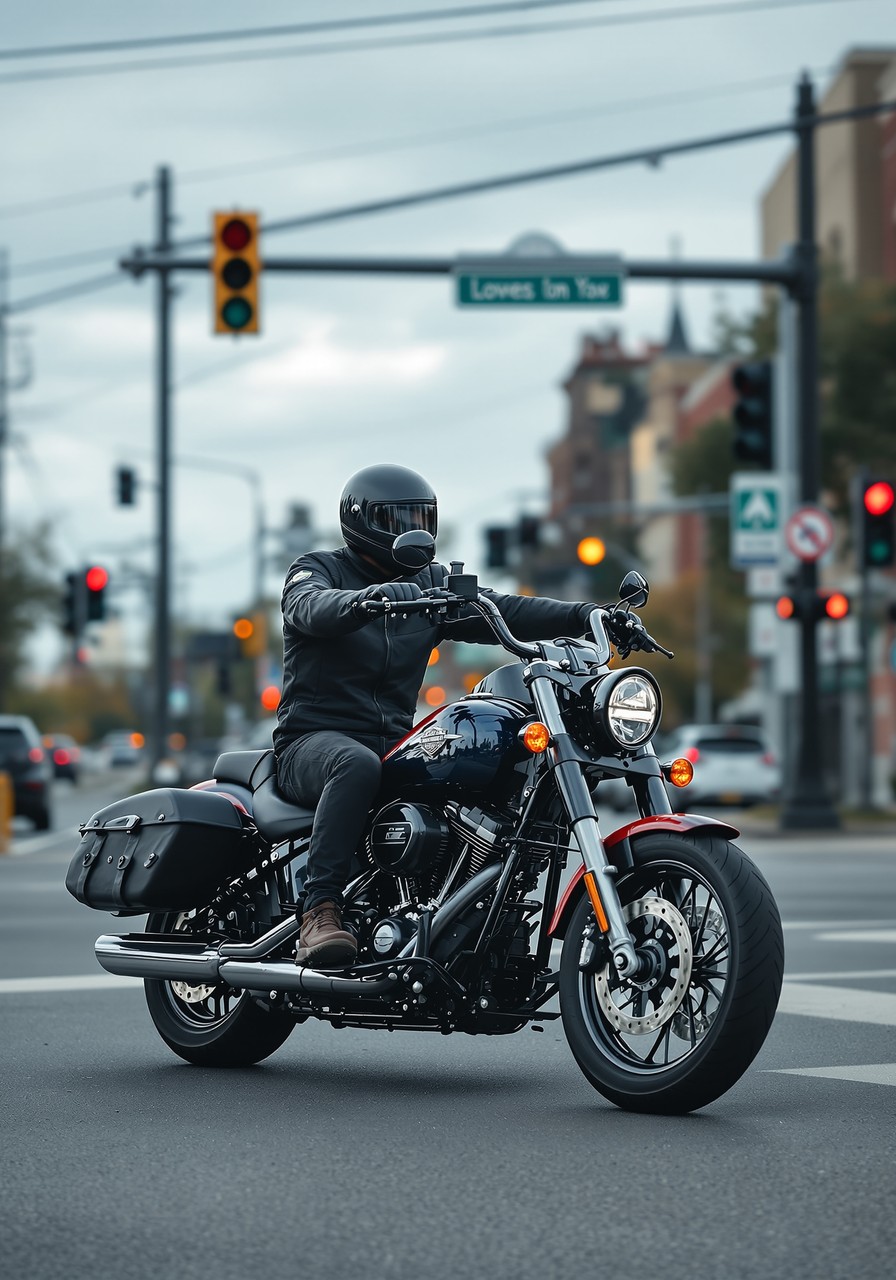
Freeze-thaw season chews potholes into Louisville pavement. Scan far ahead and leave room to pick a line. #RideNationKY #MotorcycleSafety #LouisvilleRiders
Engagement
Tag the rider who taught you how to actually take a corner. Credit where it is due. #RideNationKY #RideOrDie #KentuckyRiders
Giveaway & Countdown
Tag a riding partner who could use a little good news. Twenty thousand dollars is up for grabs. #RideNationKY #MotorcycleGiveaway #KentuckyRiders
Local KY & Rides
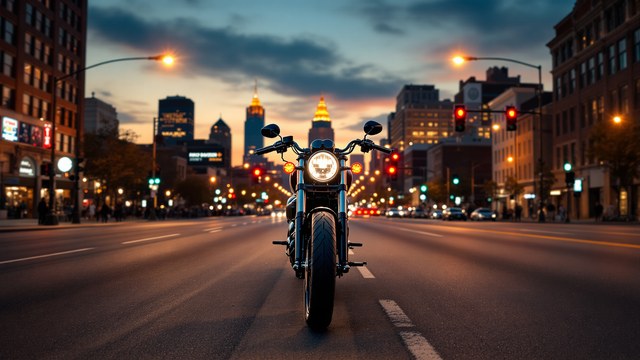
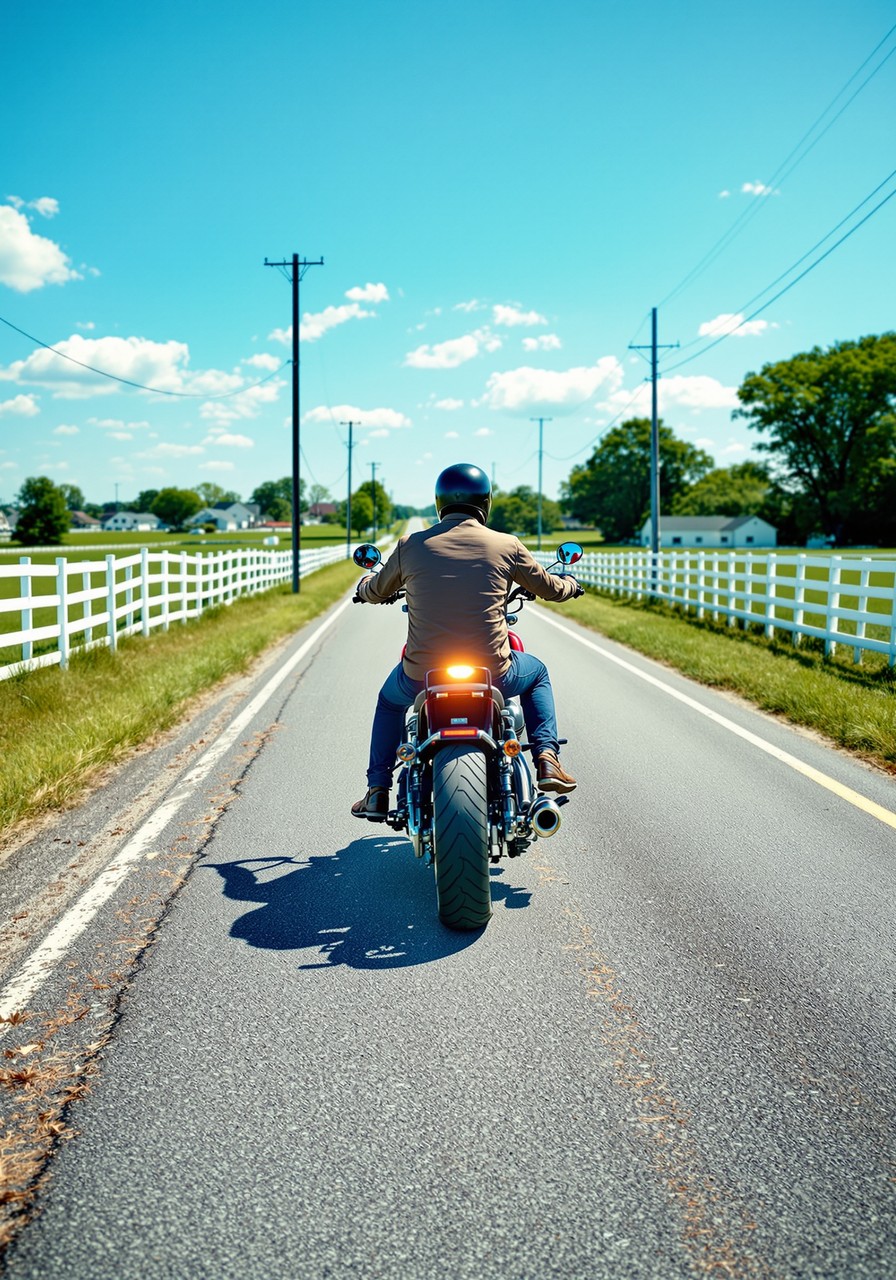
Bike night on Bardstown Road is back when the weather turns. Roll up early, the good parking goes fast. #RideNationKY #DerbyCity #LouisvilleRiders
Gear & New Iron
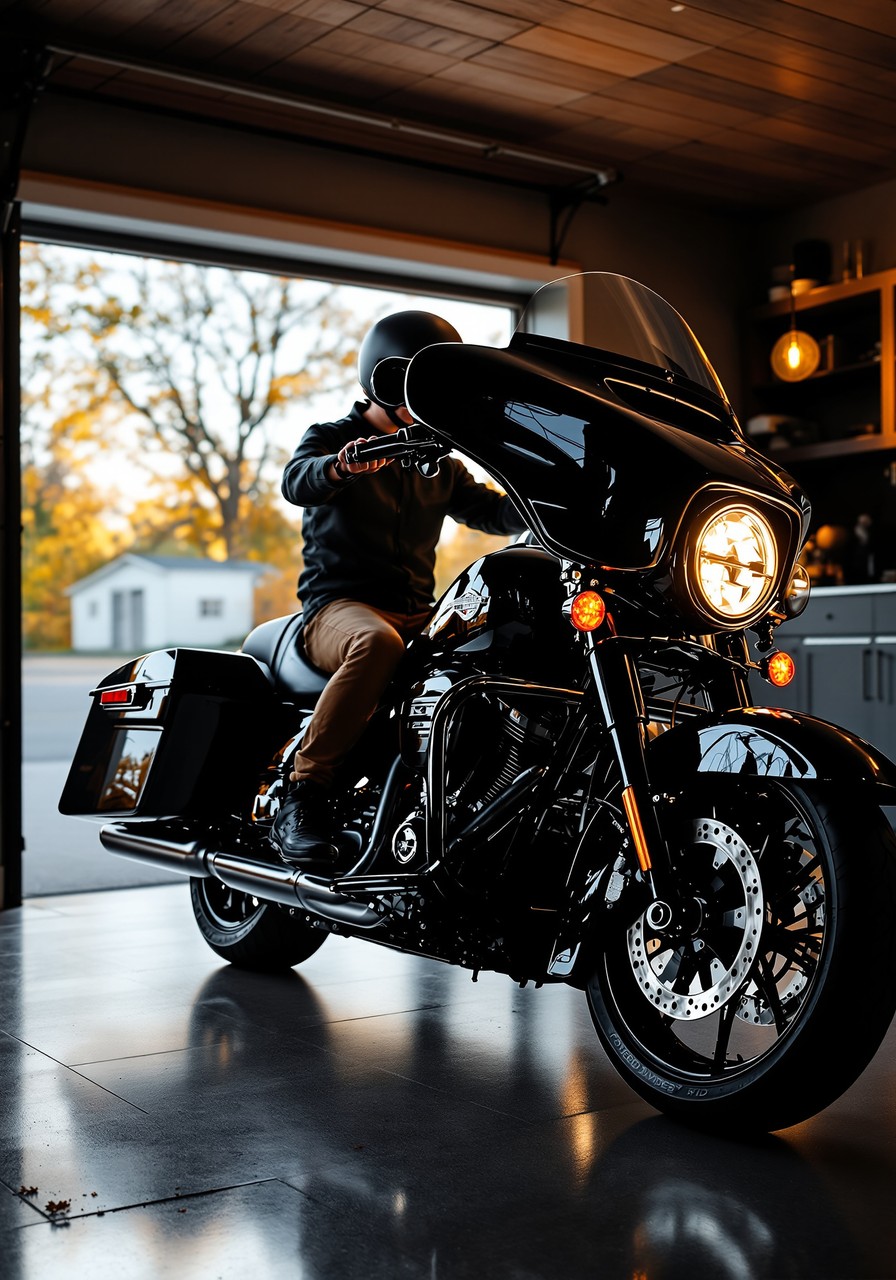
Heated grips are the best first upgrade for cold hands. They let you run thinner gloves and keep better feel on the controls. #RideNationKY #ColdWeatherRiding #GearUp
Safety & KY Law
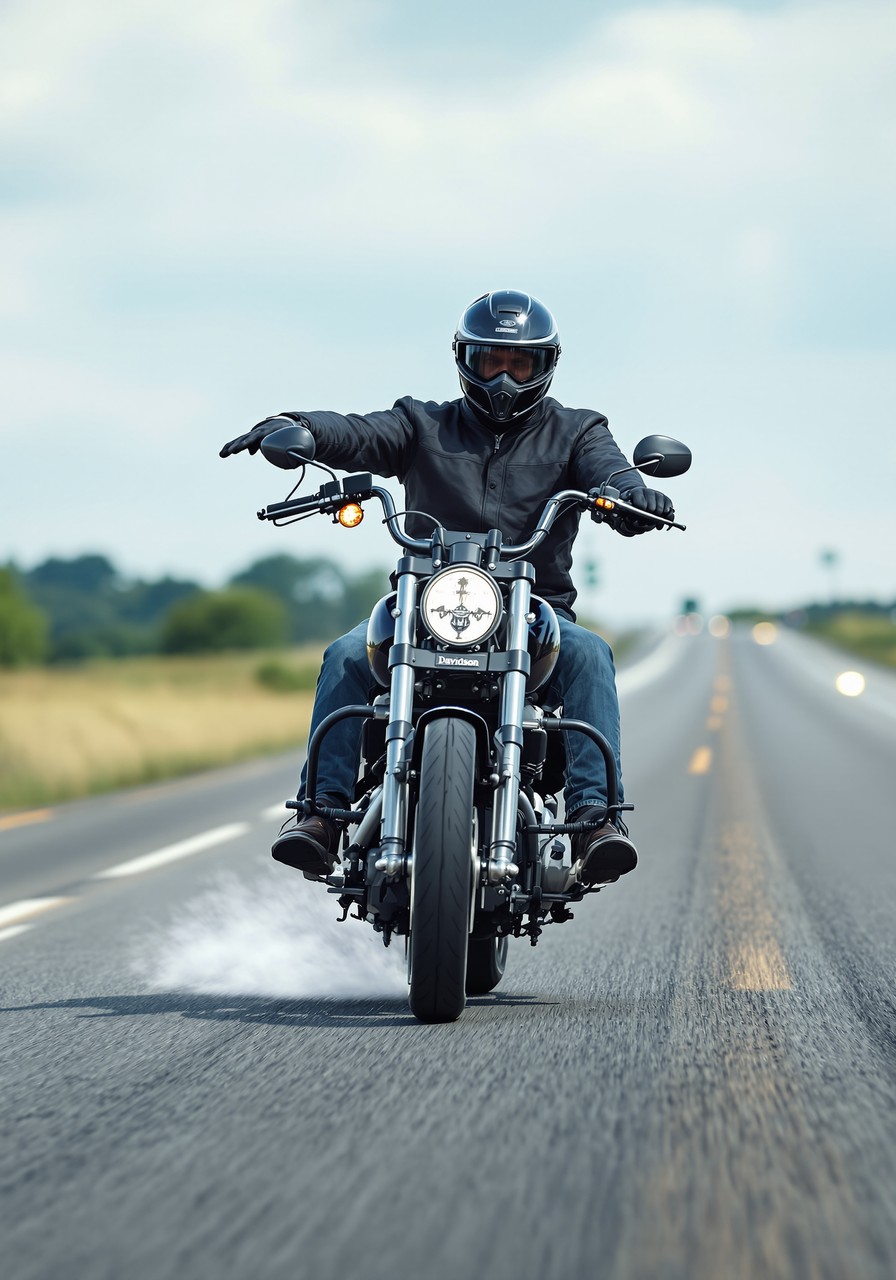
That 25/50/25 minimum on the other driver can vanish in one serious crash. UM/UIM is your real protection. Learn more at trumanlaw.com. #RideNationKY #RiderRights #KnowYourRights
Engagement
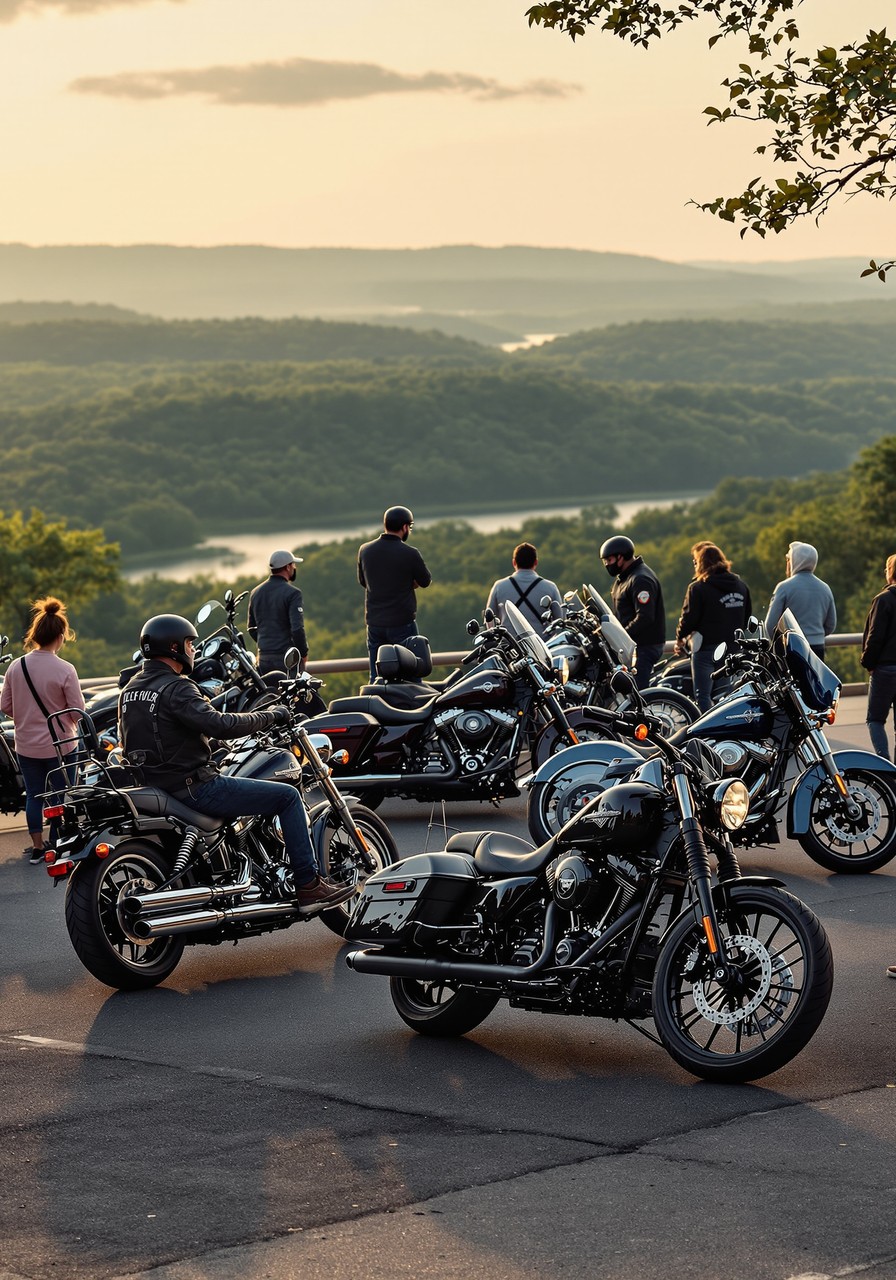
Fill in the blank: come the first warm weekend, I am riding straight to ______. #RideNationKY #BourbonCountry #DerbyCity
Giveaway & Countdown
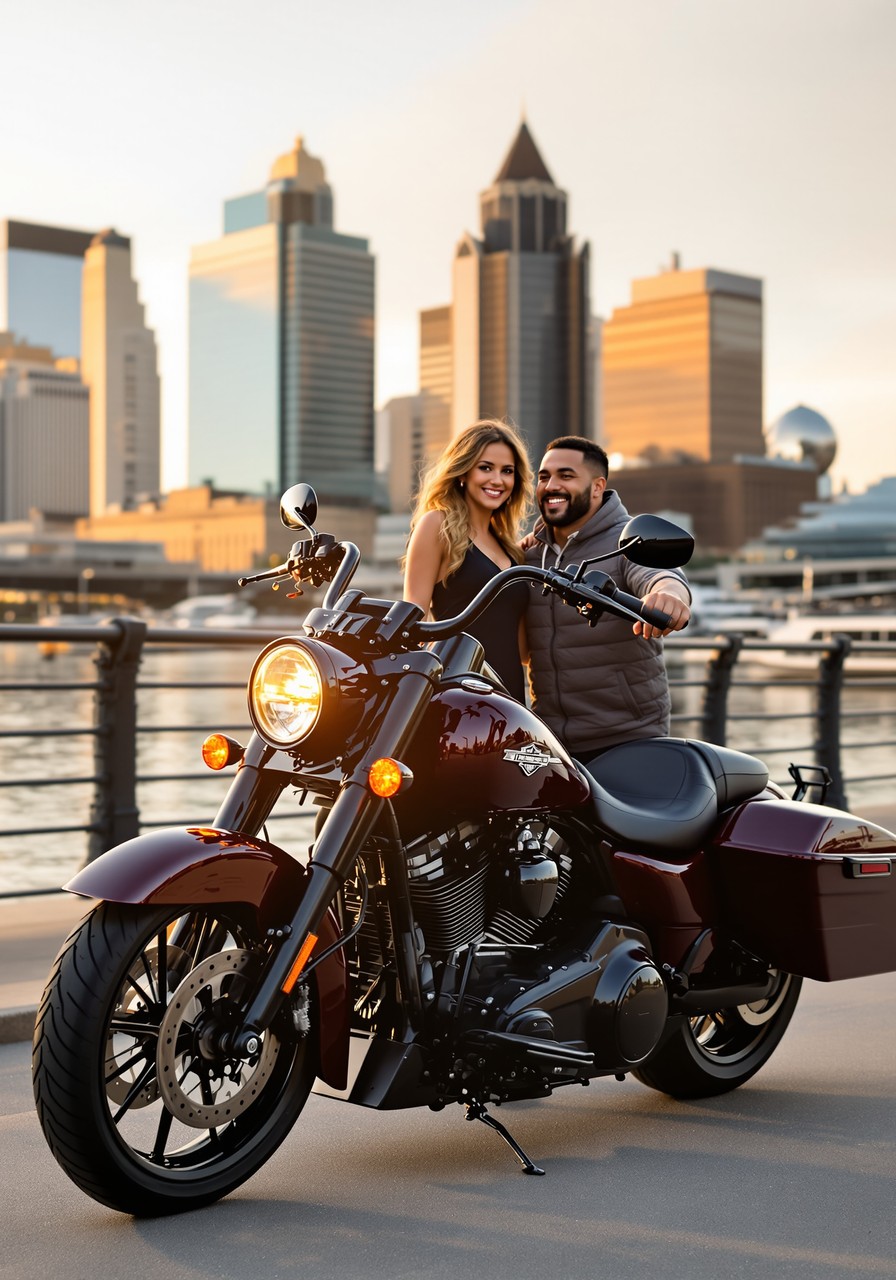
Dealing with a motorcycle crash is hard enough. A free chat with us gets you entered in the $20,000 giveaway too. (502) 222-2222. #RideNationKY #BikersWin #LouisvilleRiders
Local KY & Rides
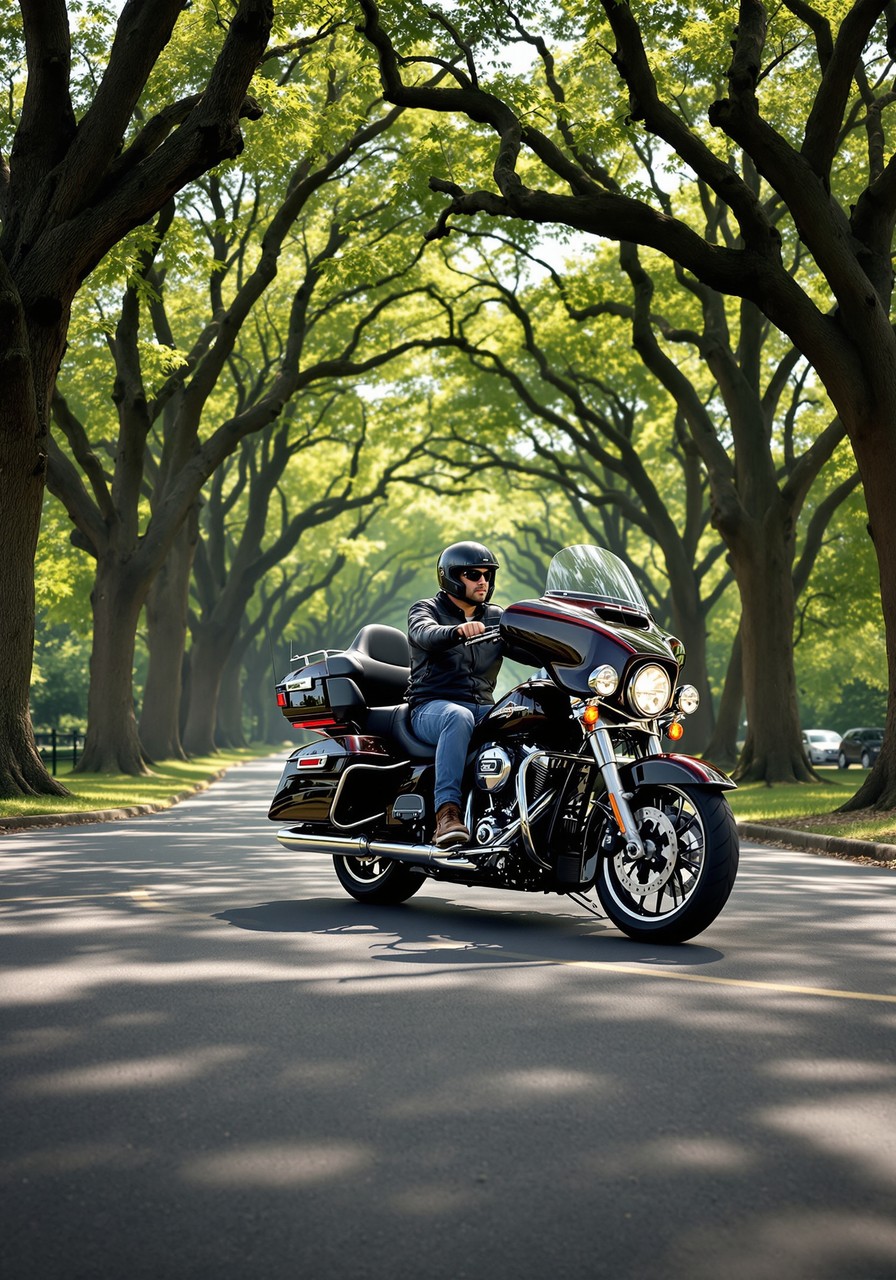
River Road at sunrise before the traffic wakes up is a whole different ride. Worth the early alarm on a clear morning. #RideNationKY #OhioRiver #LouisvilleRiders
Gear & New Iron
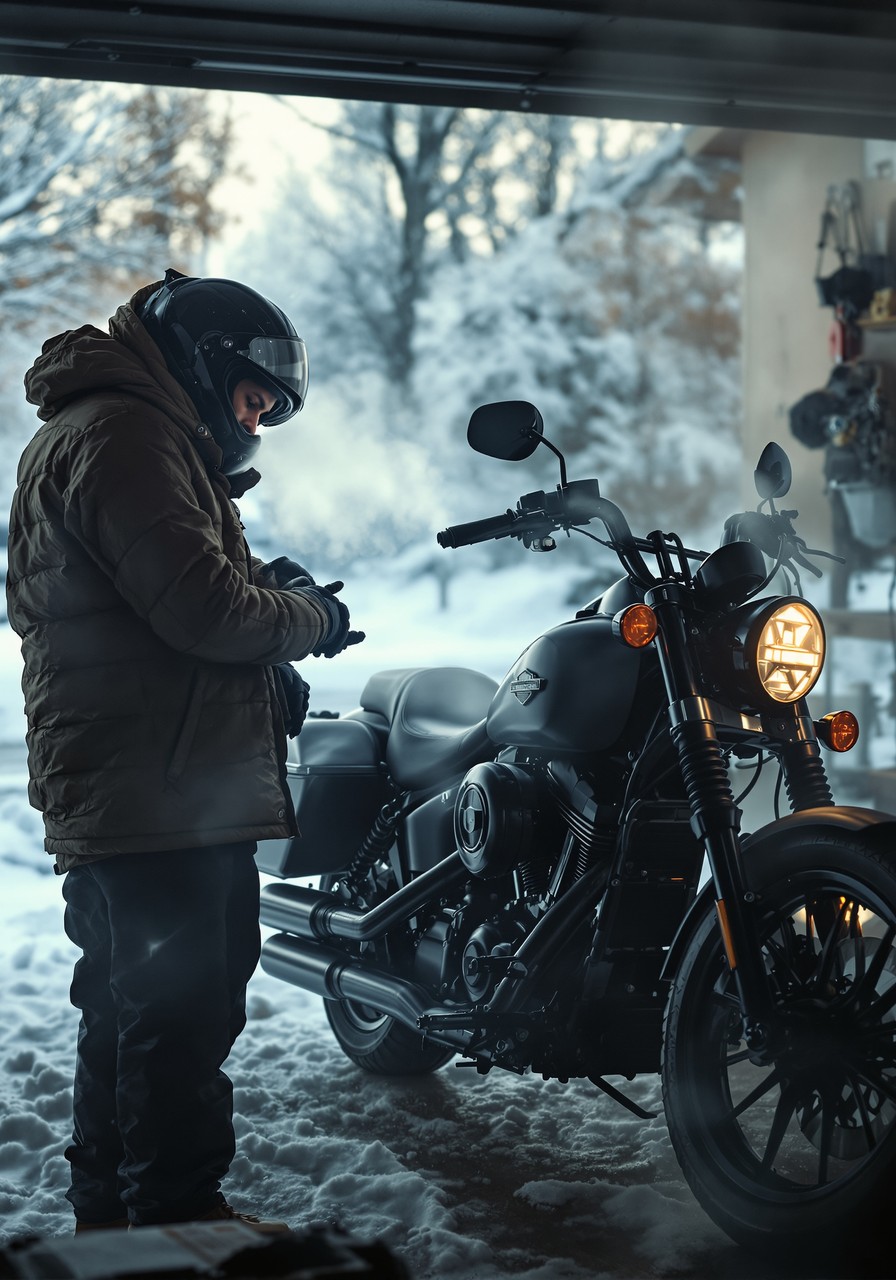
A balaclava or neck gaiter closes the gap between helmet and jacket. That wind gap is where the cold sneaks in and wears you down. #RideNationKY #ColdWeatherRiding #GearUp
Safety & KY Law
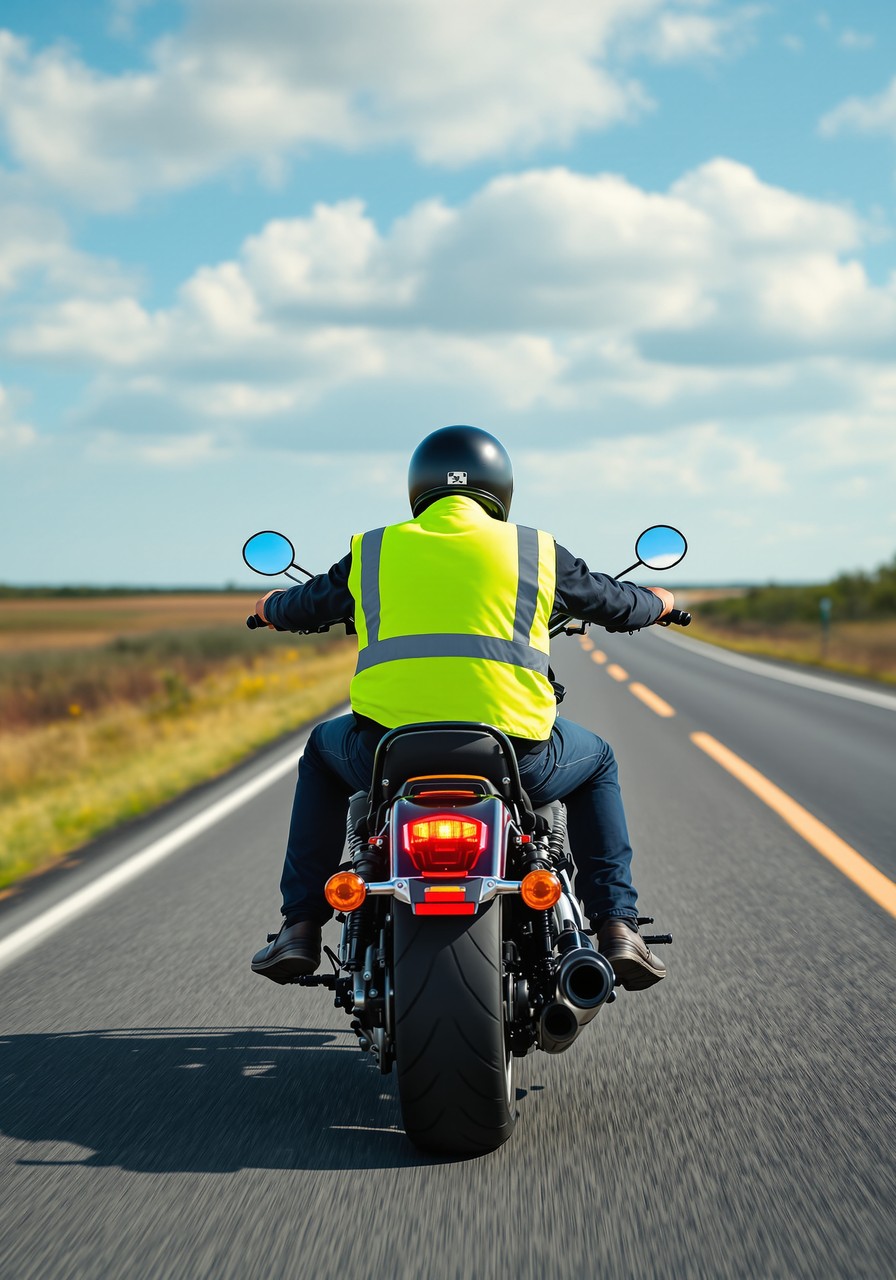
You generally have about 2 years to file a motor-vehicle injury claim in Kentucky. Know the clock before it runs. #RideNationKY #KnowYourRights #KentuckyRiders
Engagement
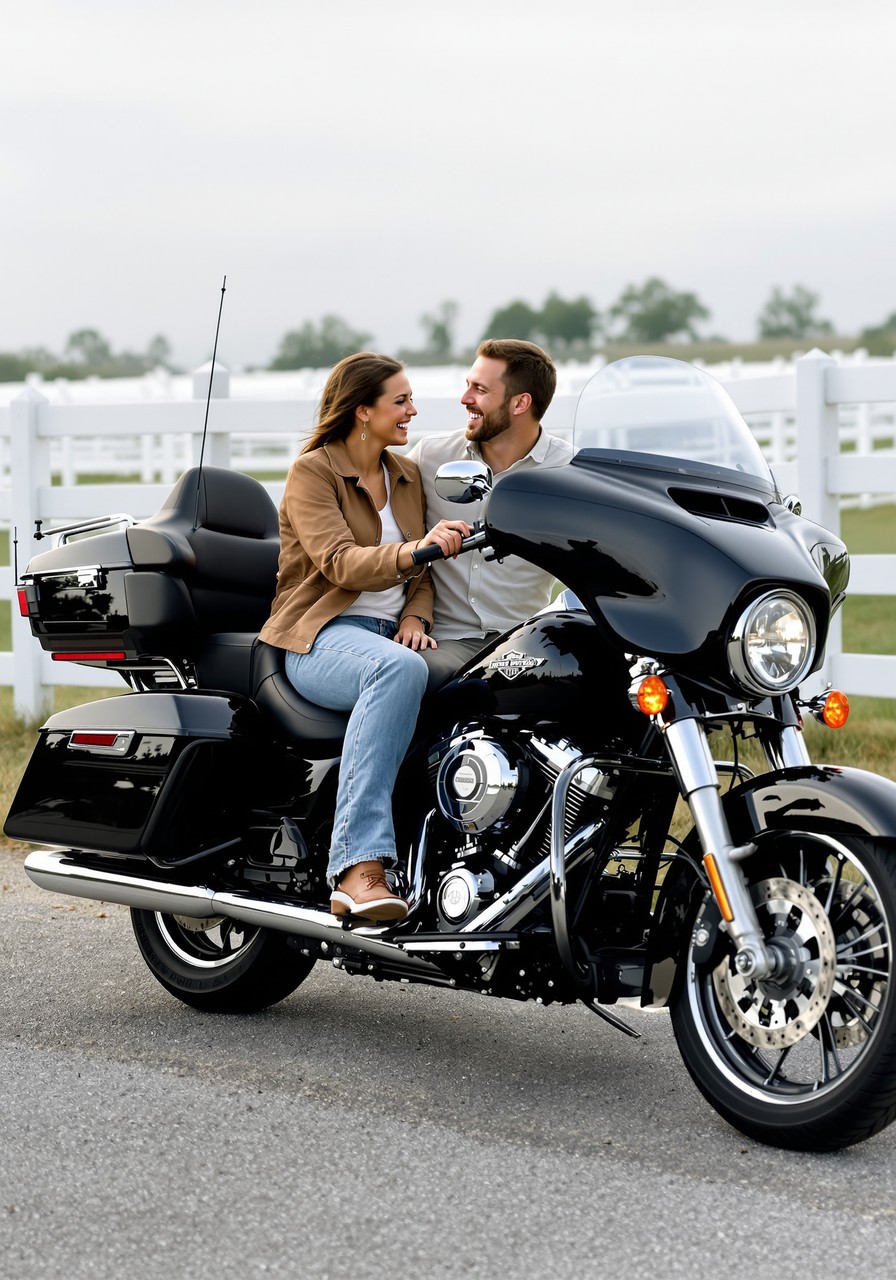
This or that: quiet Cherokee Park morning or Bardstown Road buzzing on a Friday night. Pick your Louisville. #RideNationKY #LouisvilleRiders #TwoWheels
Giveaway & Countdown
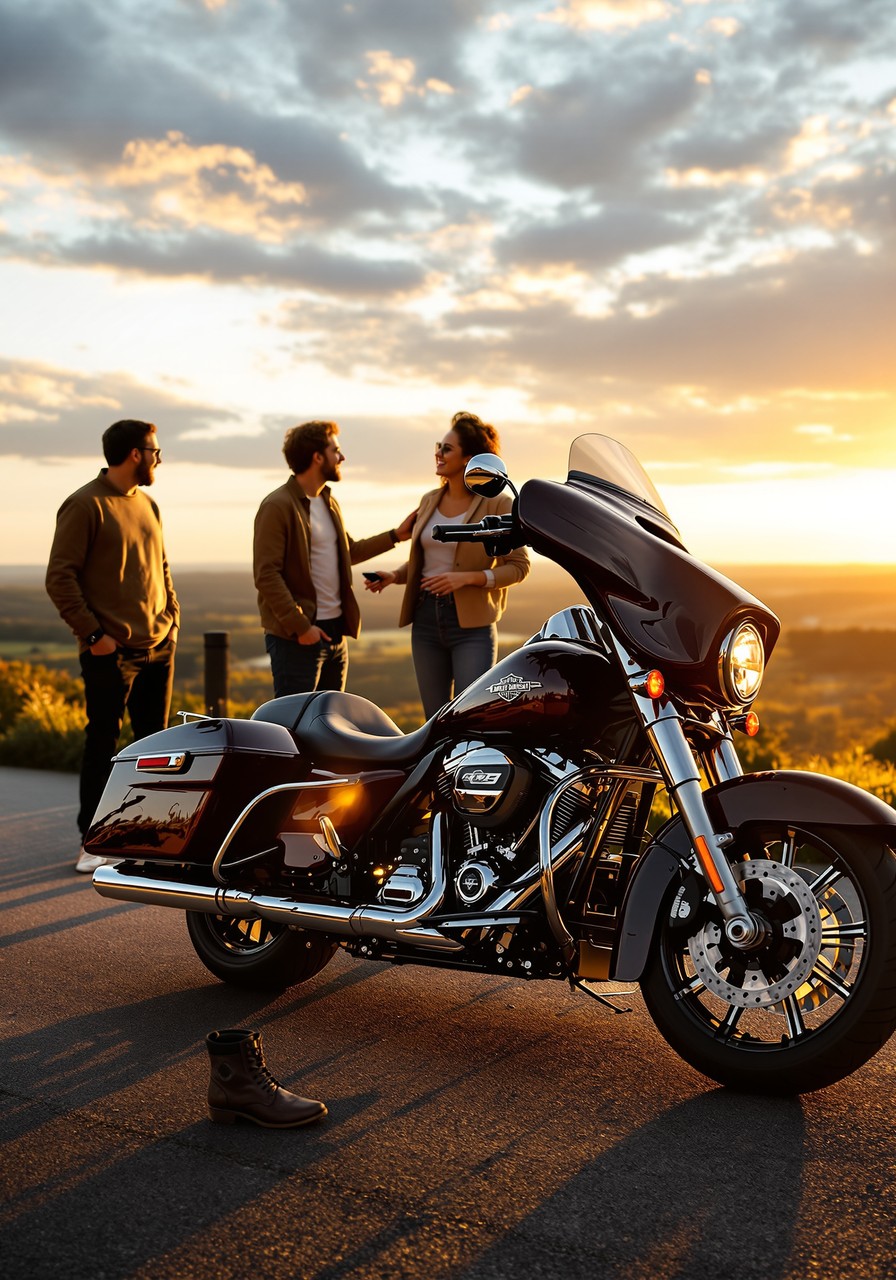
Winner energy all over Kentuckiana right now. Somebody is taking home twenty thousand dollars, and it could be one of ours. #RideNationKY #20kGiveaway #Kentuckiana
Local KY & Rides
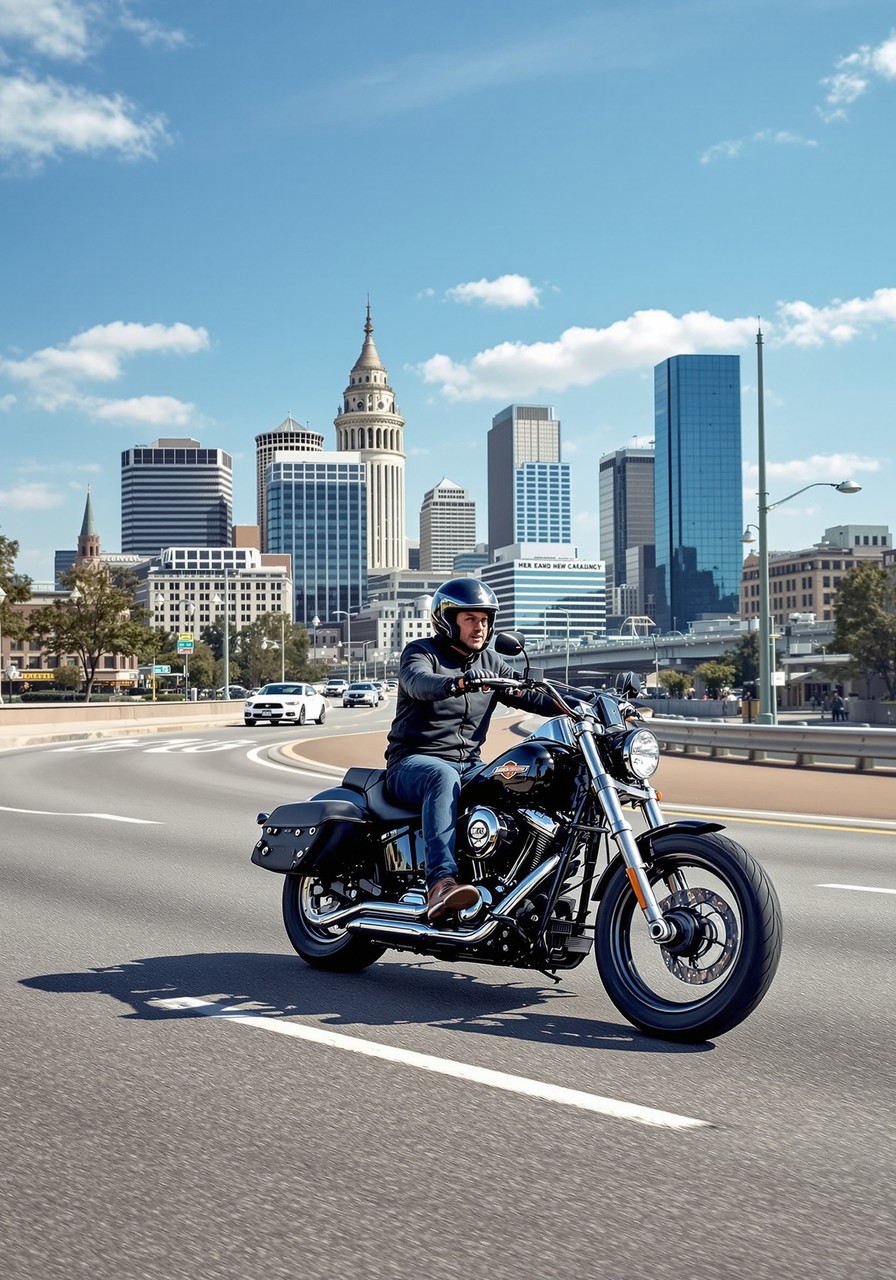
The Scenic Loop in Cherokee Park is short but it rewards smooth. Great place to knock the rust off after a layoff. #RideNationKY #LouisvilleRiders #MotorcycleRoads
Gear & New Iron
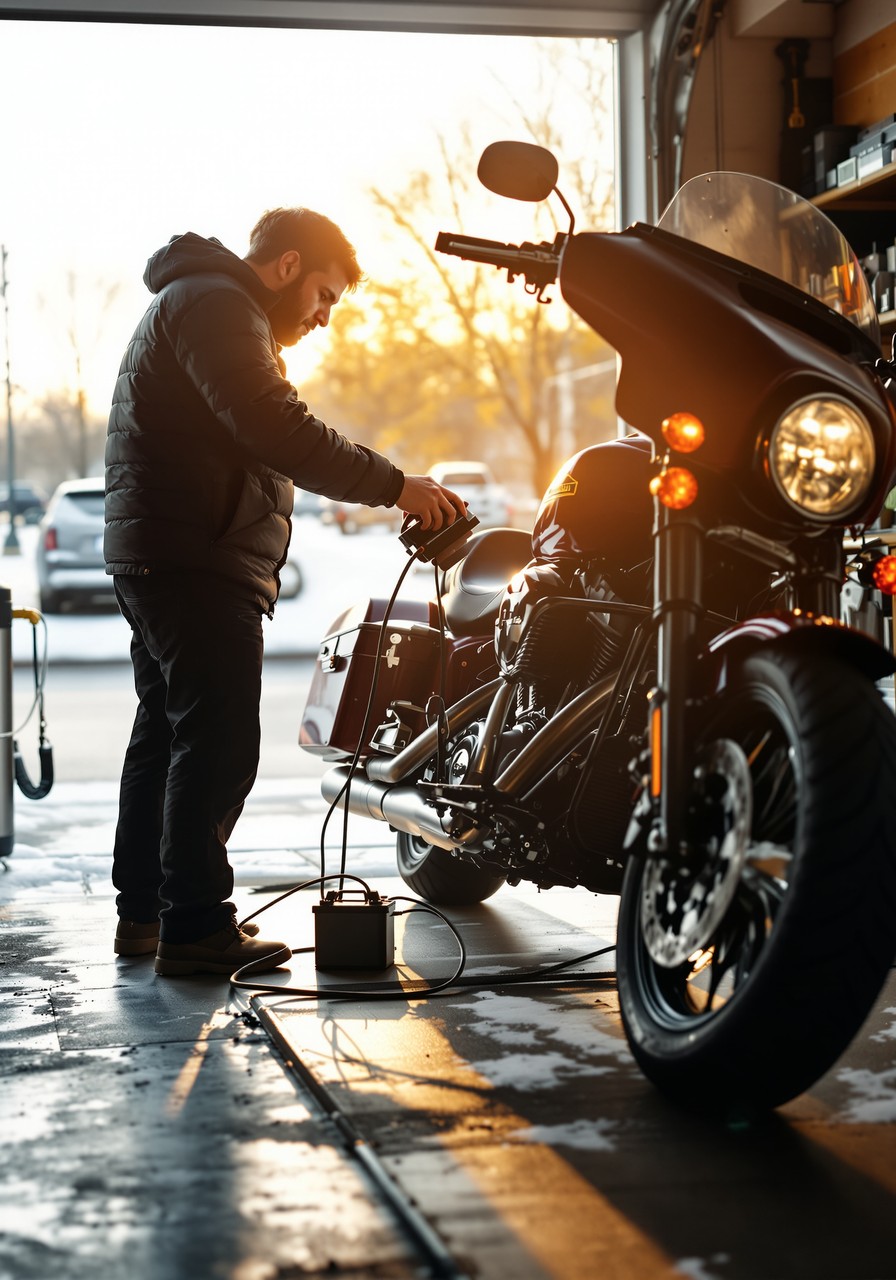
Pack rain gear you can actually get into fast. Kentucky weather turns quick, and being cold and soaked kills your focus on the road. #RideNationKY #GearUp #RiderTips
Safety & KY Law
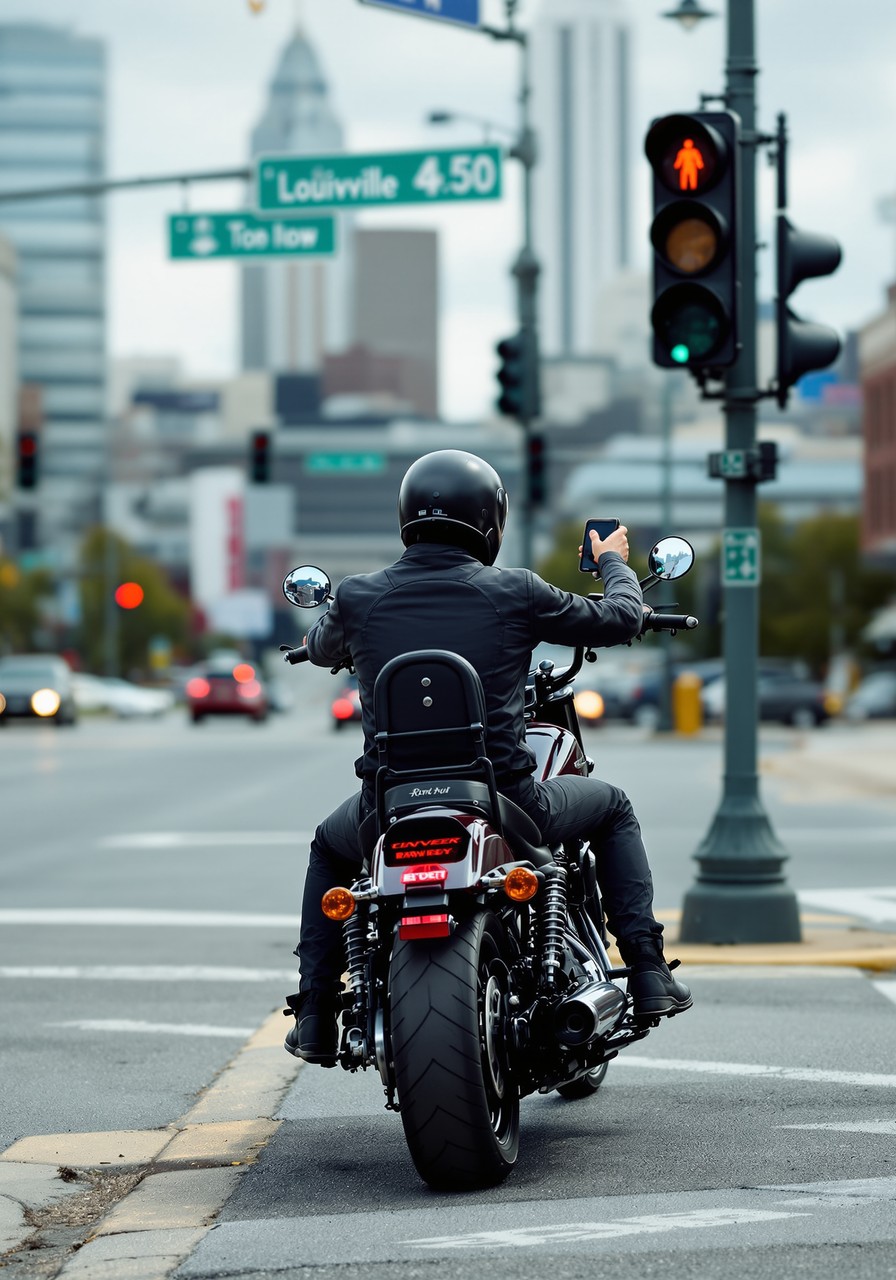
A helmet cam does more than make videos. Clean footage of a crash can back up your side. Save it before you share it. #RideNationKY #RiderRights #MotorcycleSafety
Engagement
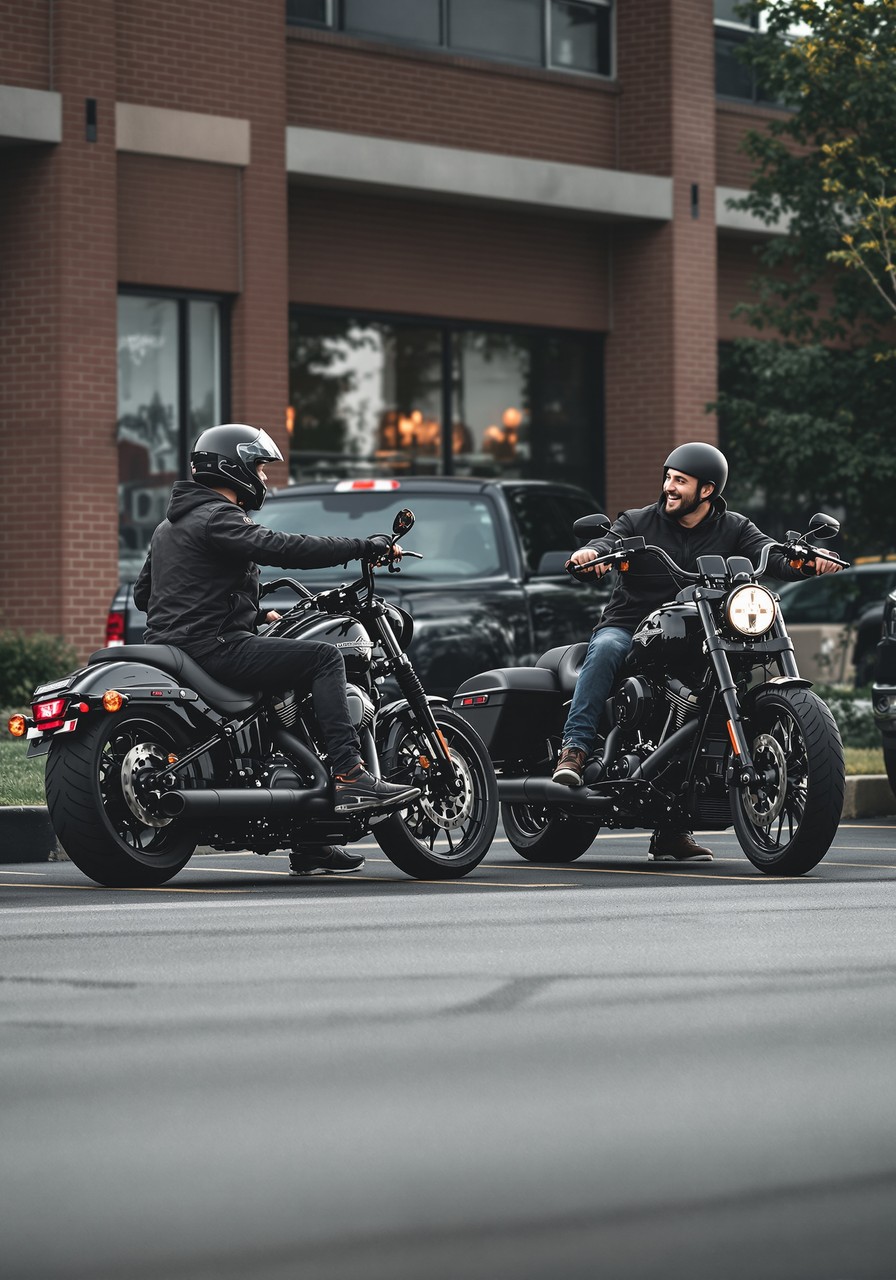
Caption this: the group chat lighting up the second the forecast hits 60. #RideNationKY #RideOrDie #KentuckyRiders
Giveaway & Countdown
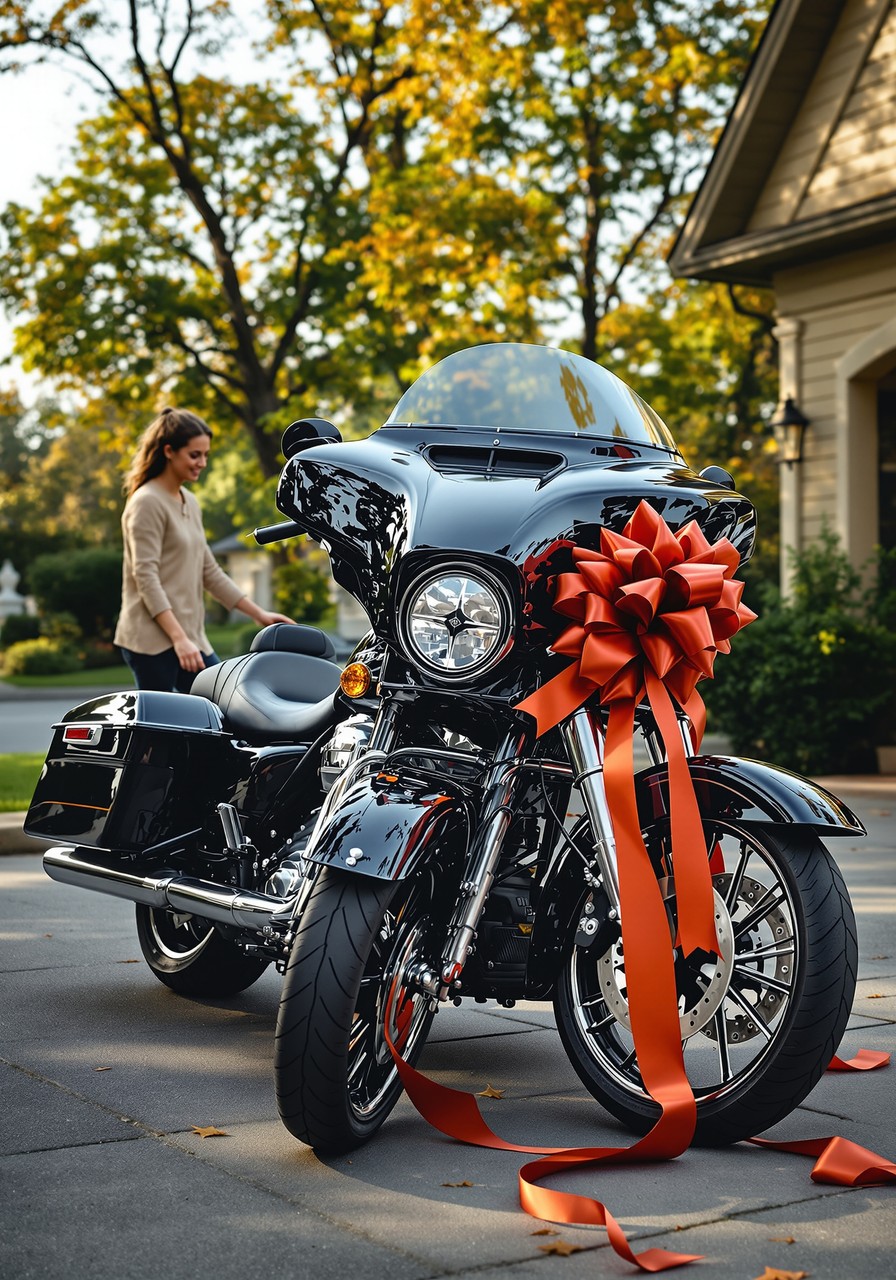
Do not miss your window, Louisville. The BikersWin $20,000 giveaway is on and entering is free. Call (502) 222-2222. #RideNationKY #BikersWin #LouisvilleRiders
Local KY & Rides
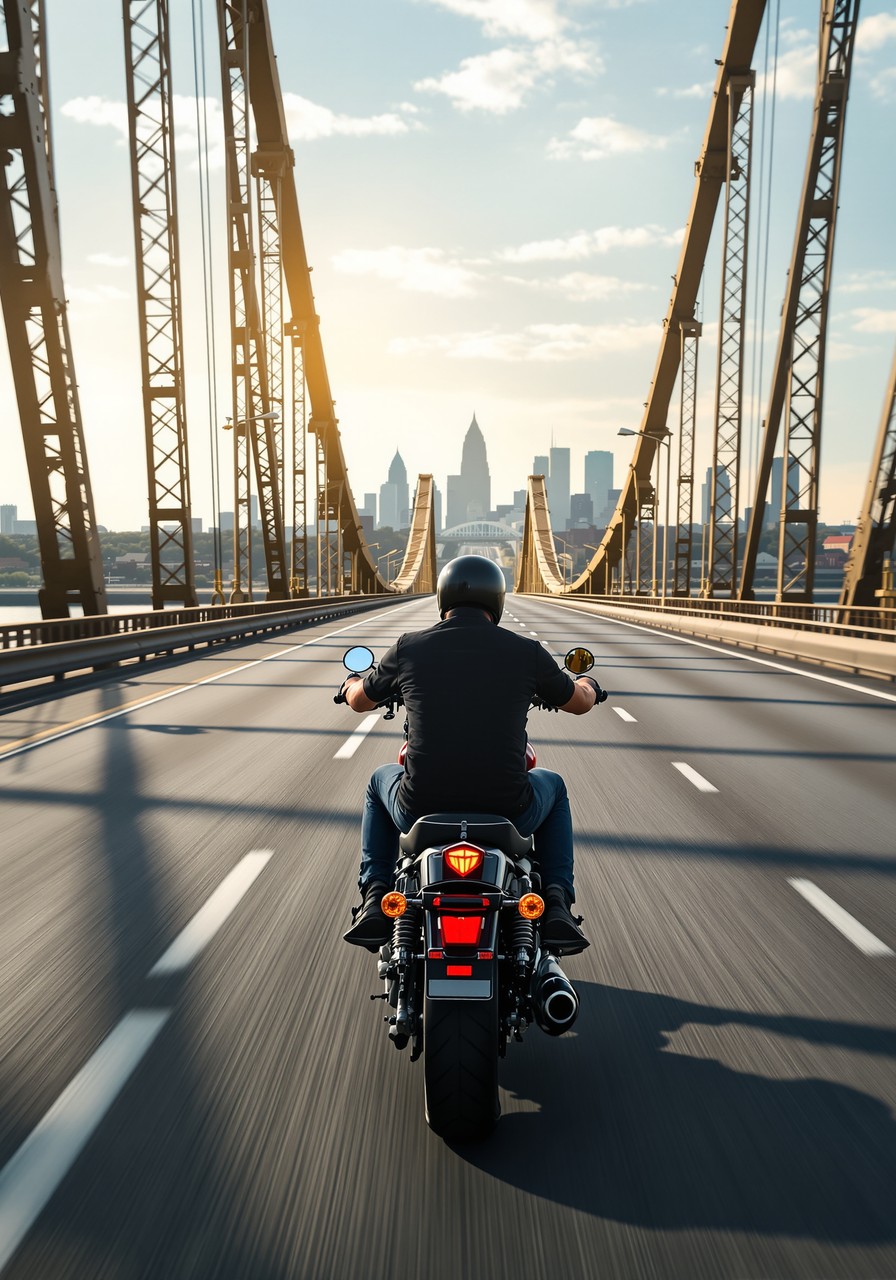
Spring pre-season checklist: brakes, chain, tires, lights. Do it now so the first warm weekend is all seat time. #RideNationKY #KentuckyRiders
Gear & New Iron
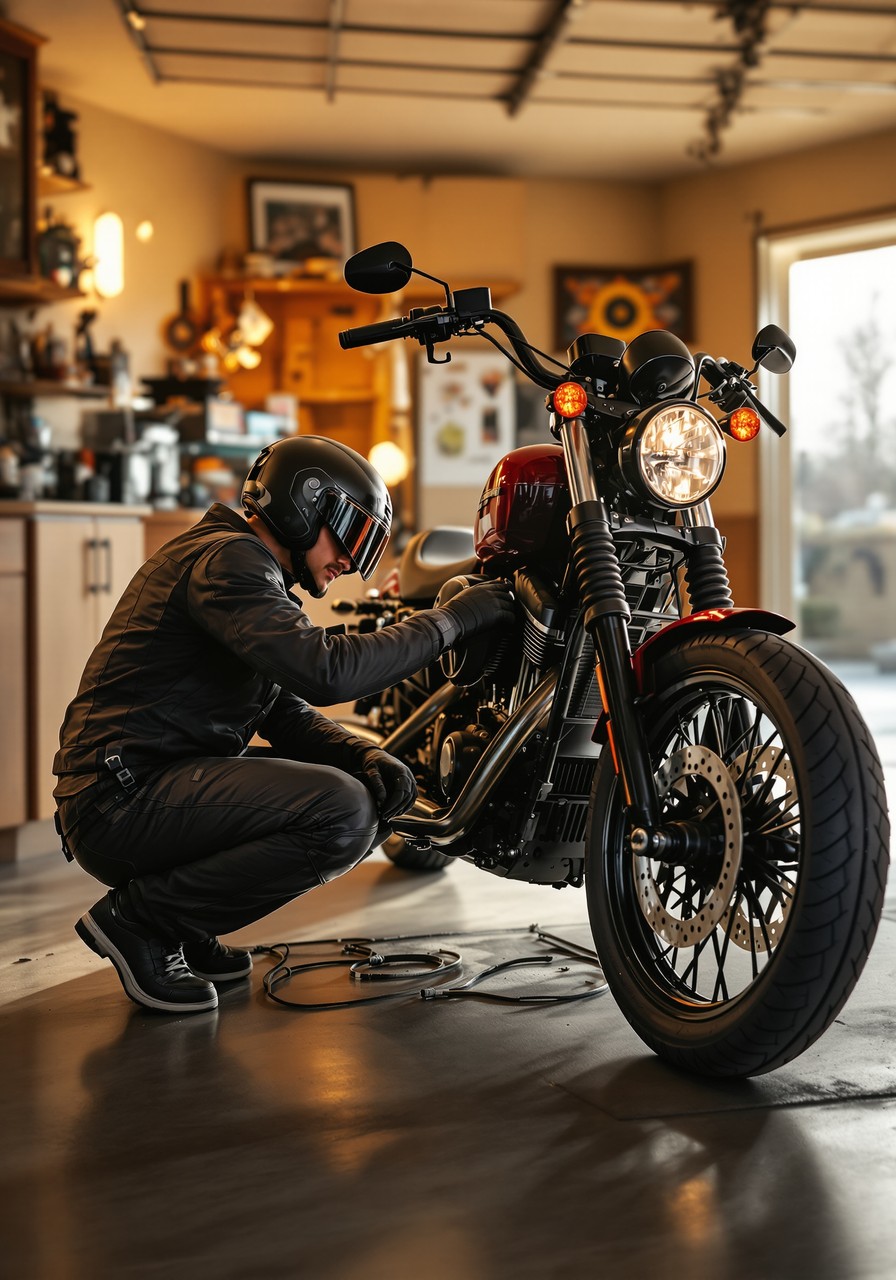
Test-riding new iron in the off-season? Bring your own gear, ride it in cold conditions, and feel how it handles slow speeds. That tells you more than a spec sheet. #RideNationKY #NewIron #RiderTips
Safety & KY Law
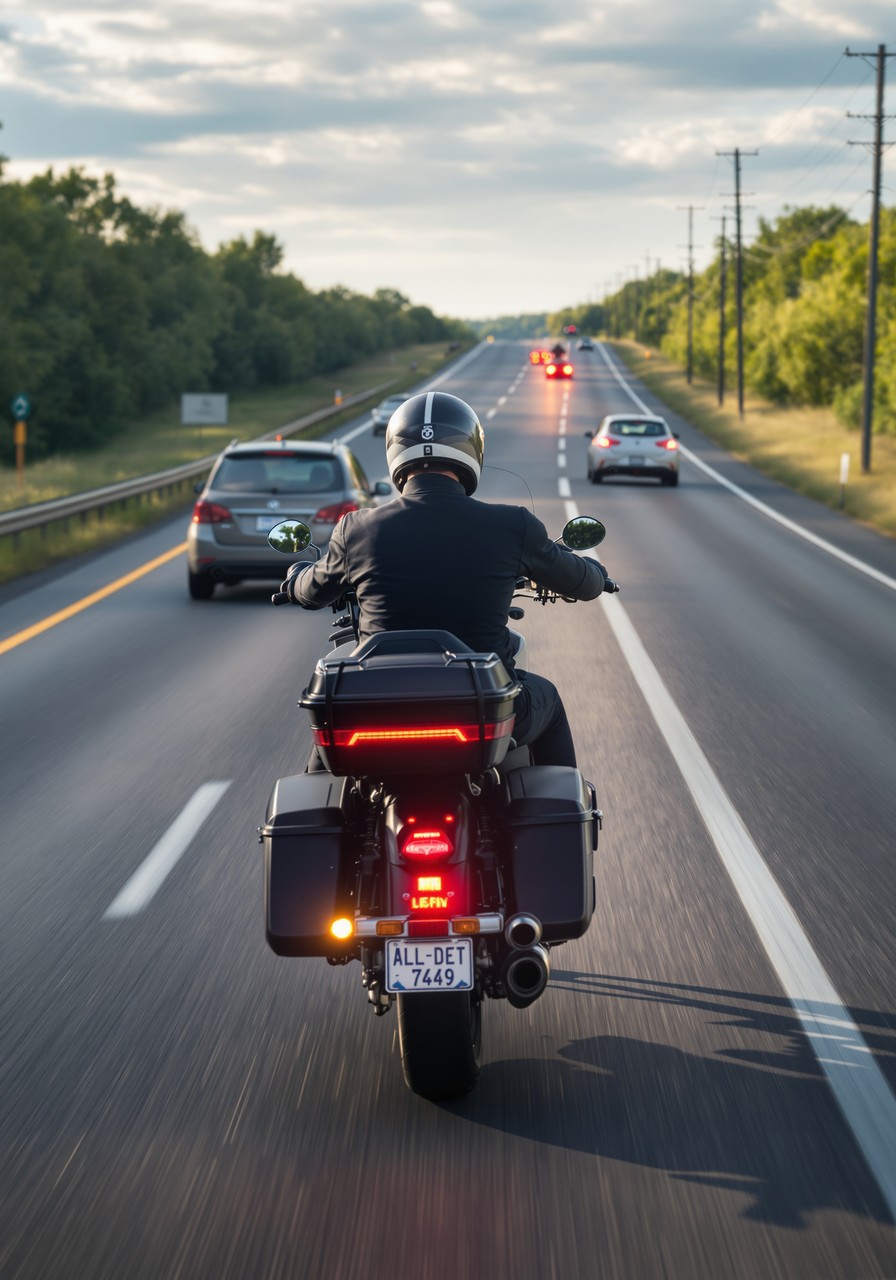
'I never saw the motorcycle' is the excuse we hear most. Ride like every car might pull out and keep an exit. #RideNationKY #MotorcycleSafety #LouisvilleRiders
Engagement
Favorites thread: the one upgrade that changed your whole ride. What was it? #RideNationKY #BikerLife #TwoWheels
Giveaway & Countdown
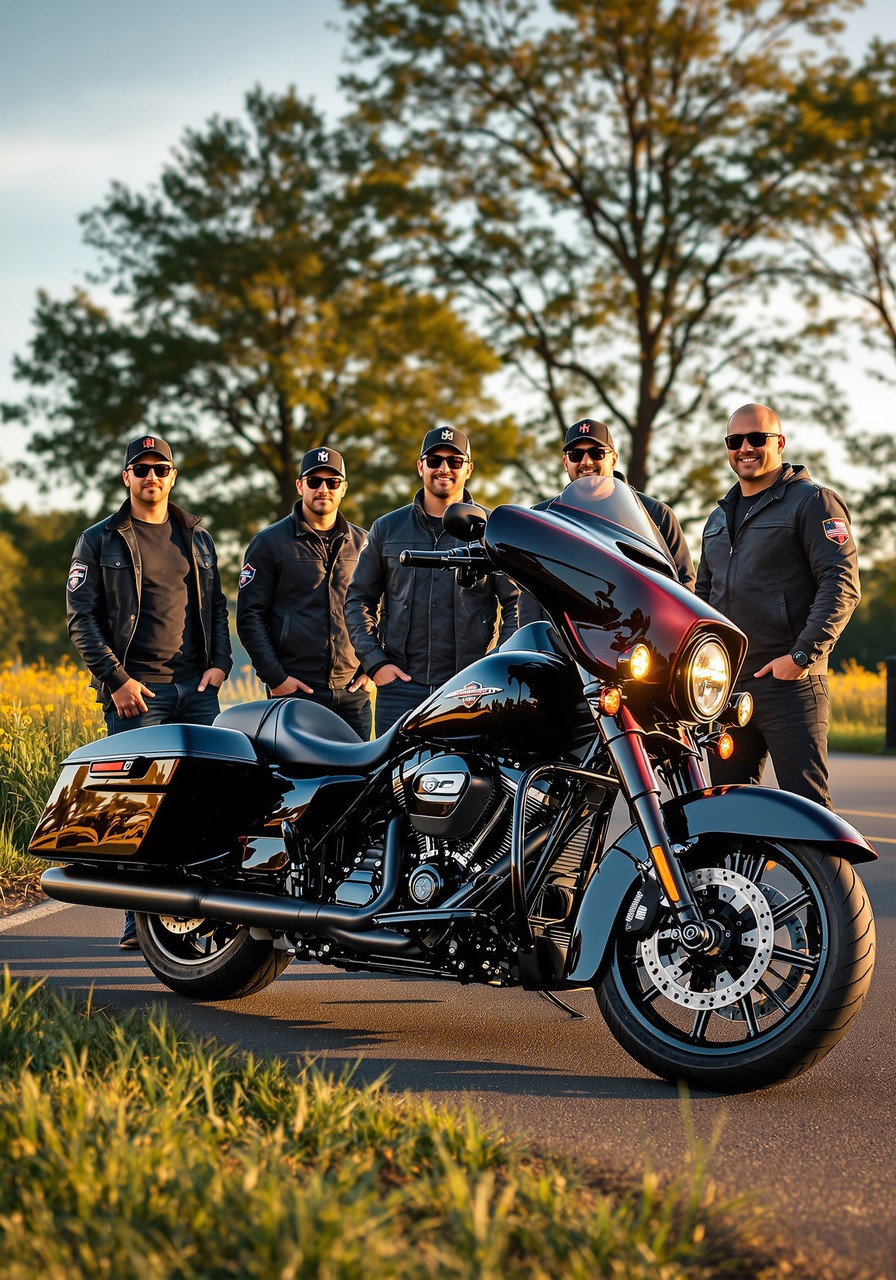
Milestone alert: the rider community keeps growing and so does the buzz around the $20,000 giveaway. #RideNationKY #MotorcycleGiveaway #KentuckyRiders
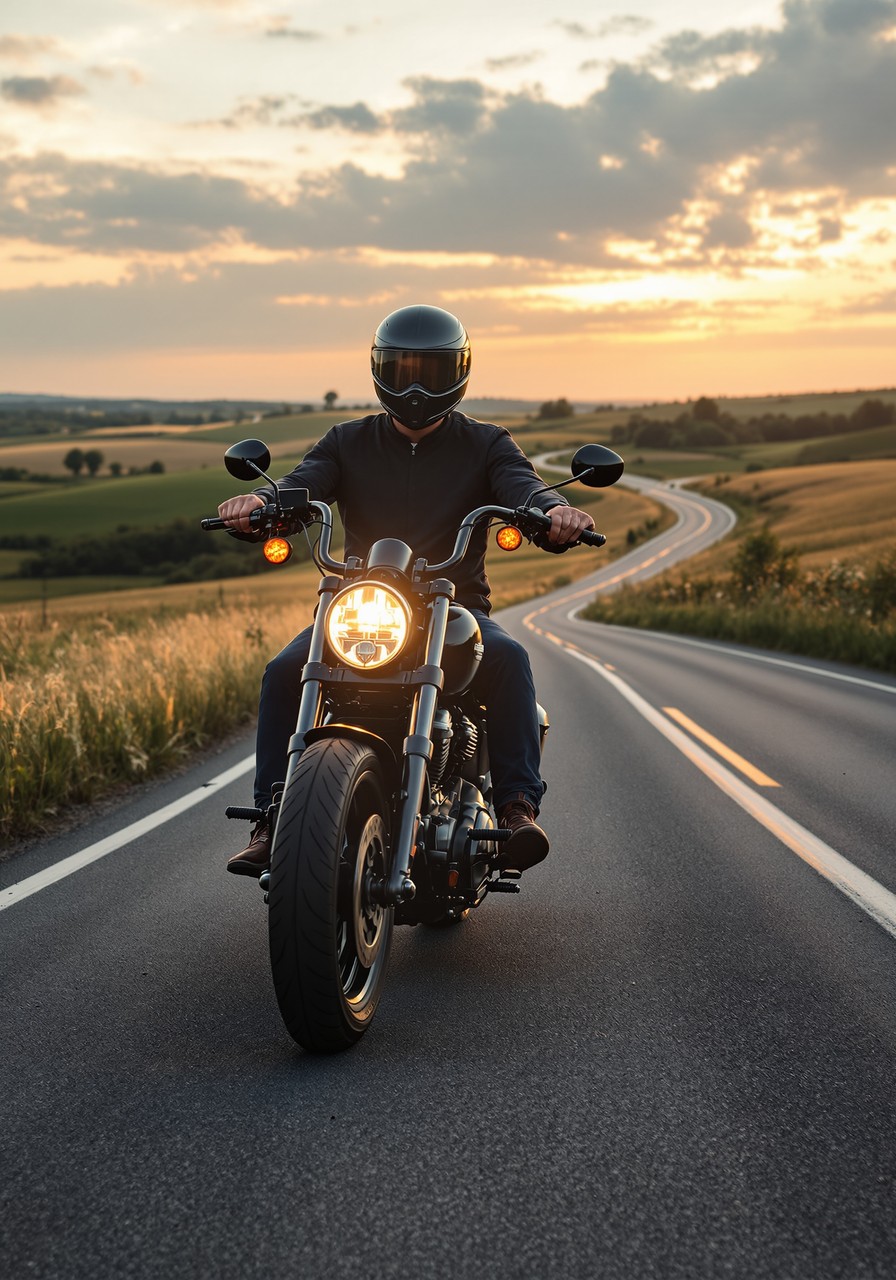
Local KY & Rides
Wet leaves on the Cherokee Park loop in the fall are slicker than they look. Ride the clean line and stay off the paint. #RideNationKY #LouisvilleRiders #MotorcycleRoads
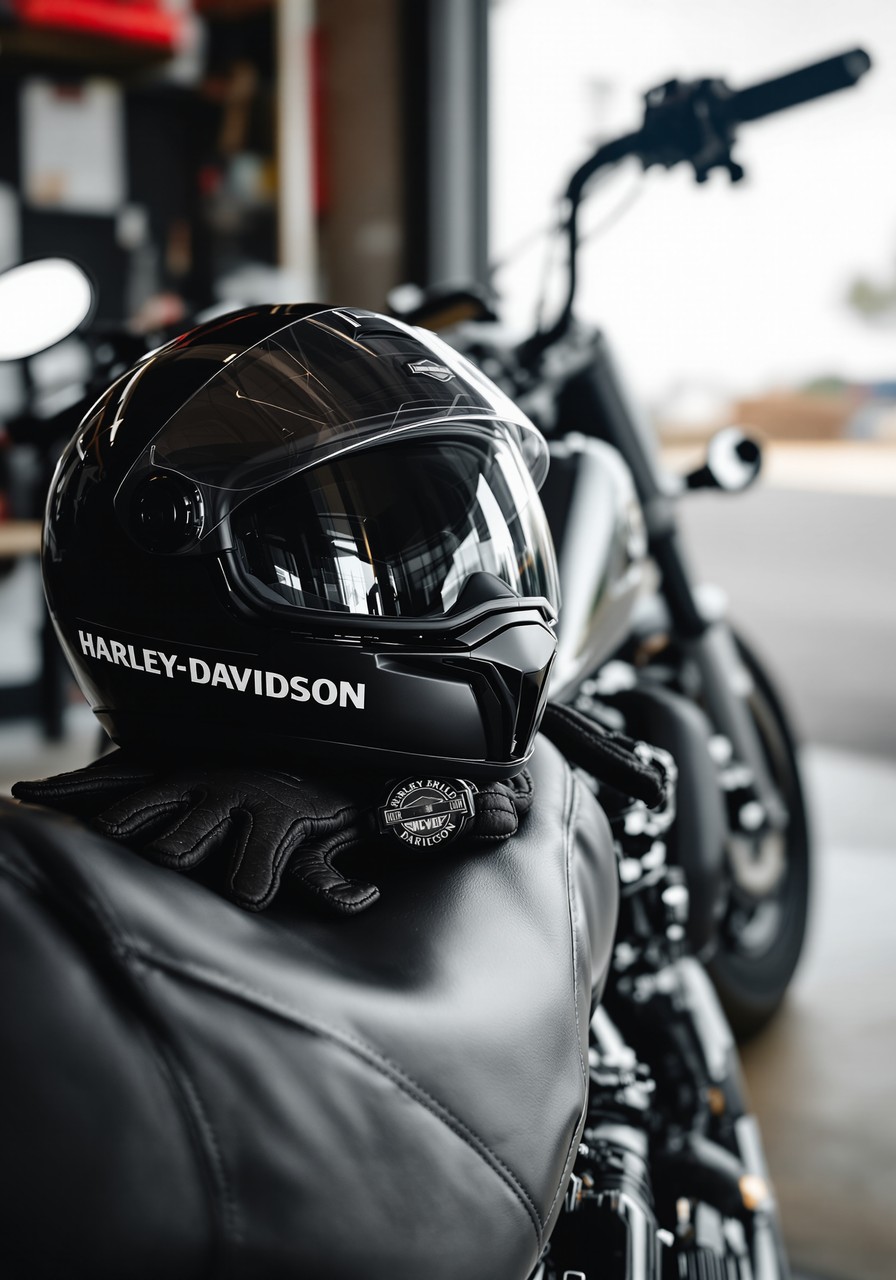
Gear & New Iron
Match your gloves to the season. Vented for summer, insulated and windproof for winter. Numb fingers cannot feel the brake or the clutch. #RideNationKY #ColdWeatherRiding #GearUp
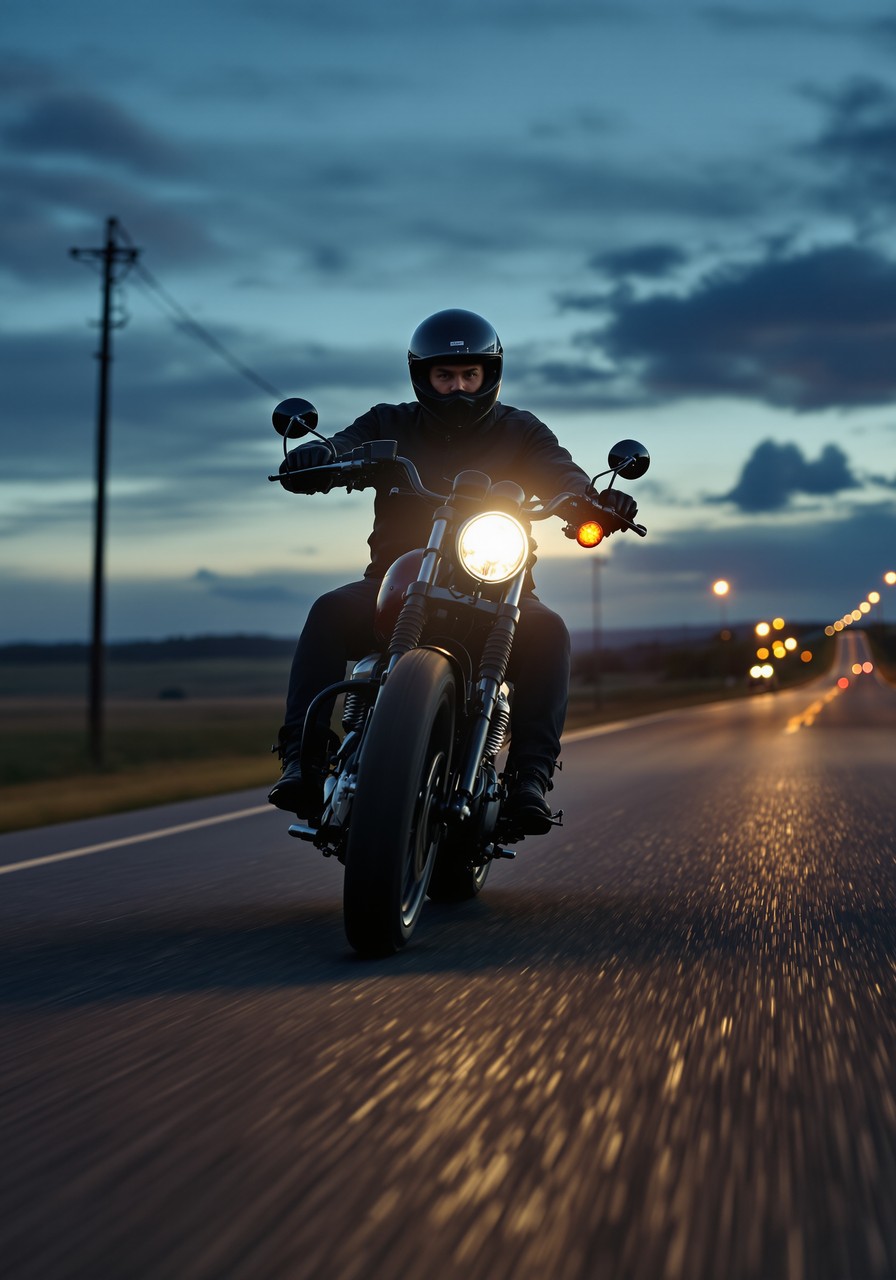
Safety & KY Law
Uninsured and hit-and-run drivers are everywhere. UM coverage is the one line on your policy that protects you from them. #RideNationKY #RiderRights #KnowYourRights
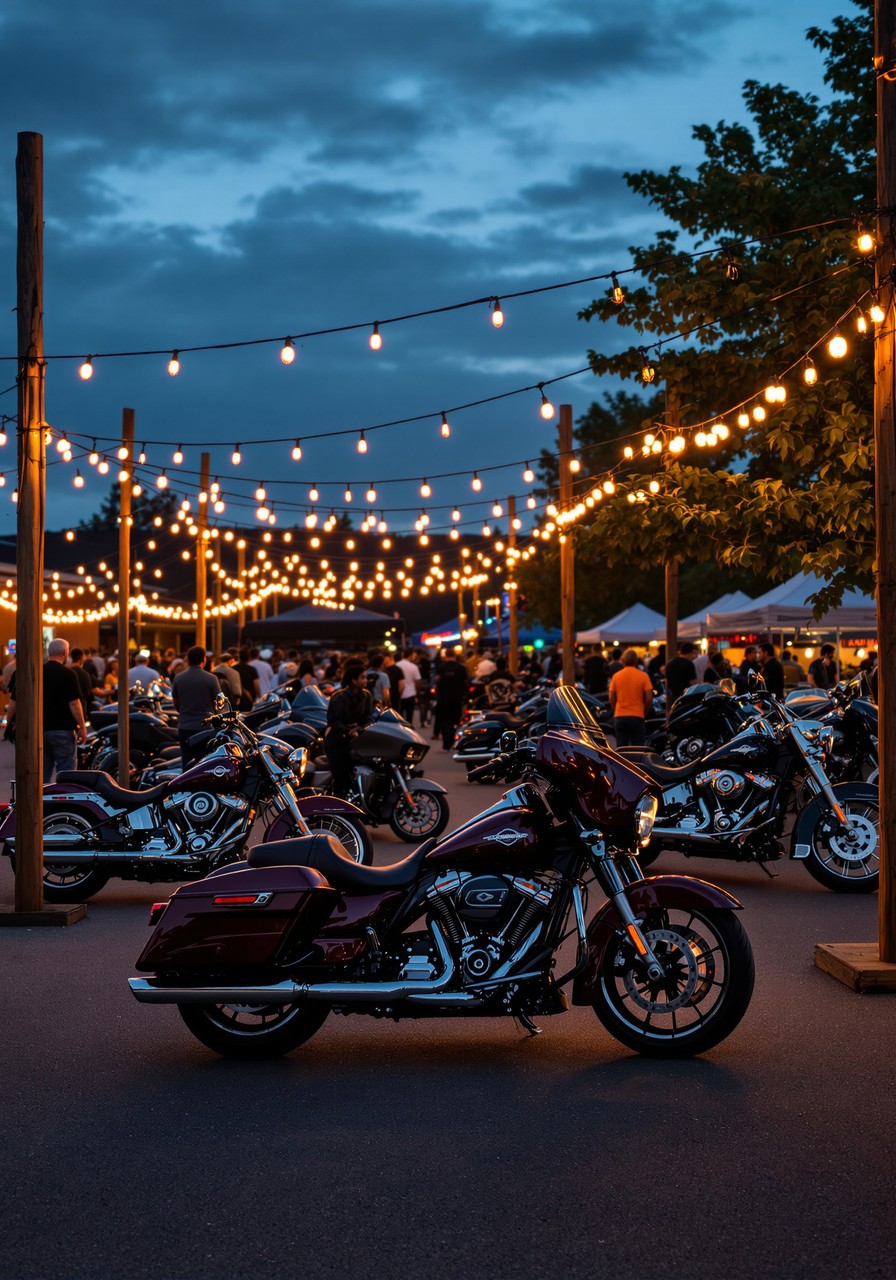
Engagement
Poll: do you ride year-round in Kentucky or park it till spring? Honest answers only. #RideNationKY #KentuckyRiders #Kentuckiana
Giveaway & Countdown
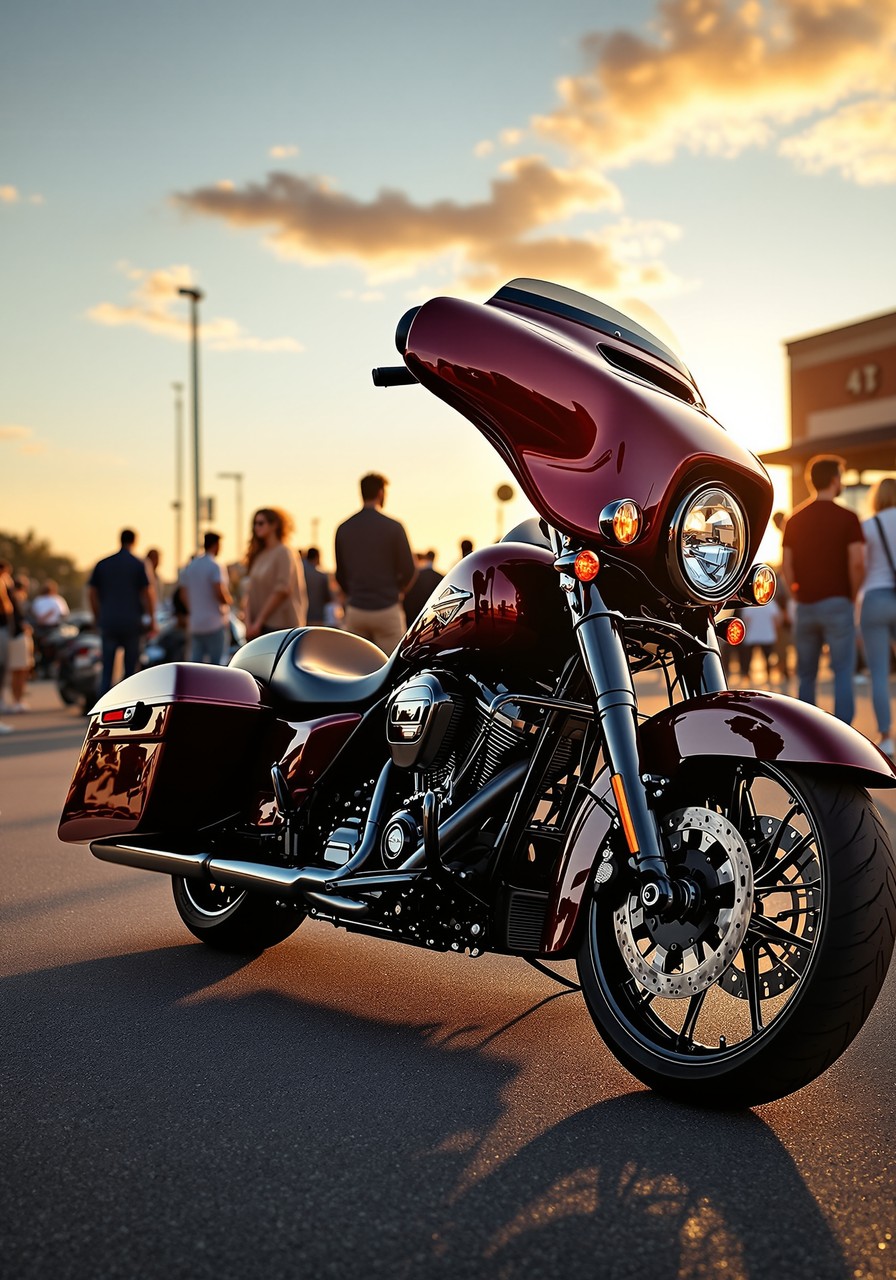
A crash claim question and a giveaway entry in one call. That is a good day. Dial (502) 222-2222. #RideNationKY #BikersWin #20kGiveaway
Local KY & Rides
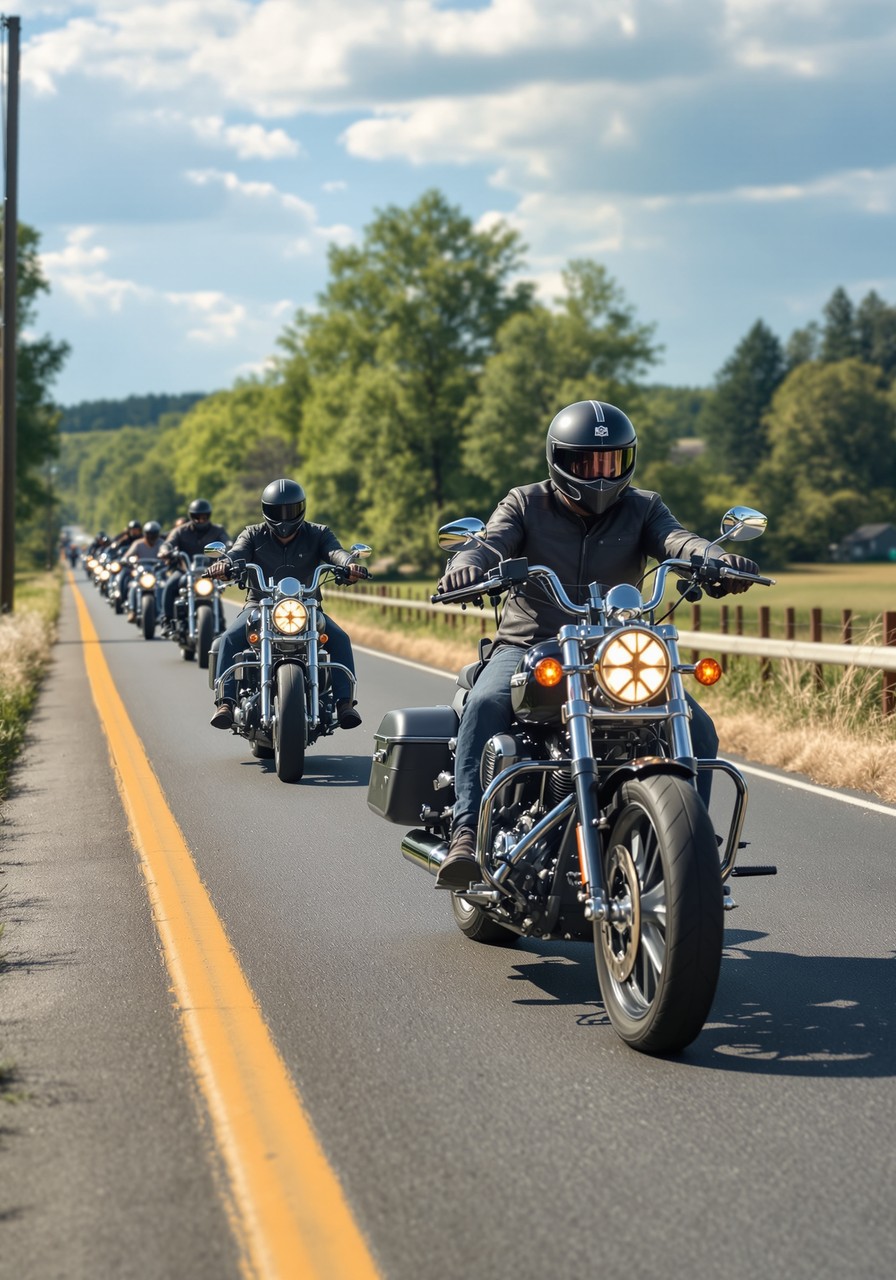
Kentuckiana across the Lincoln gives you quiet county roads and river views without a long haul. Perfect half-day loop. #RideNationKY #Kentuckiana #OhioRiver
Gear & New Iron
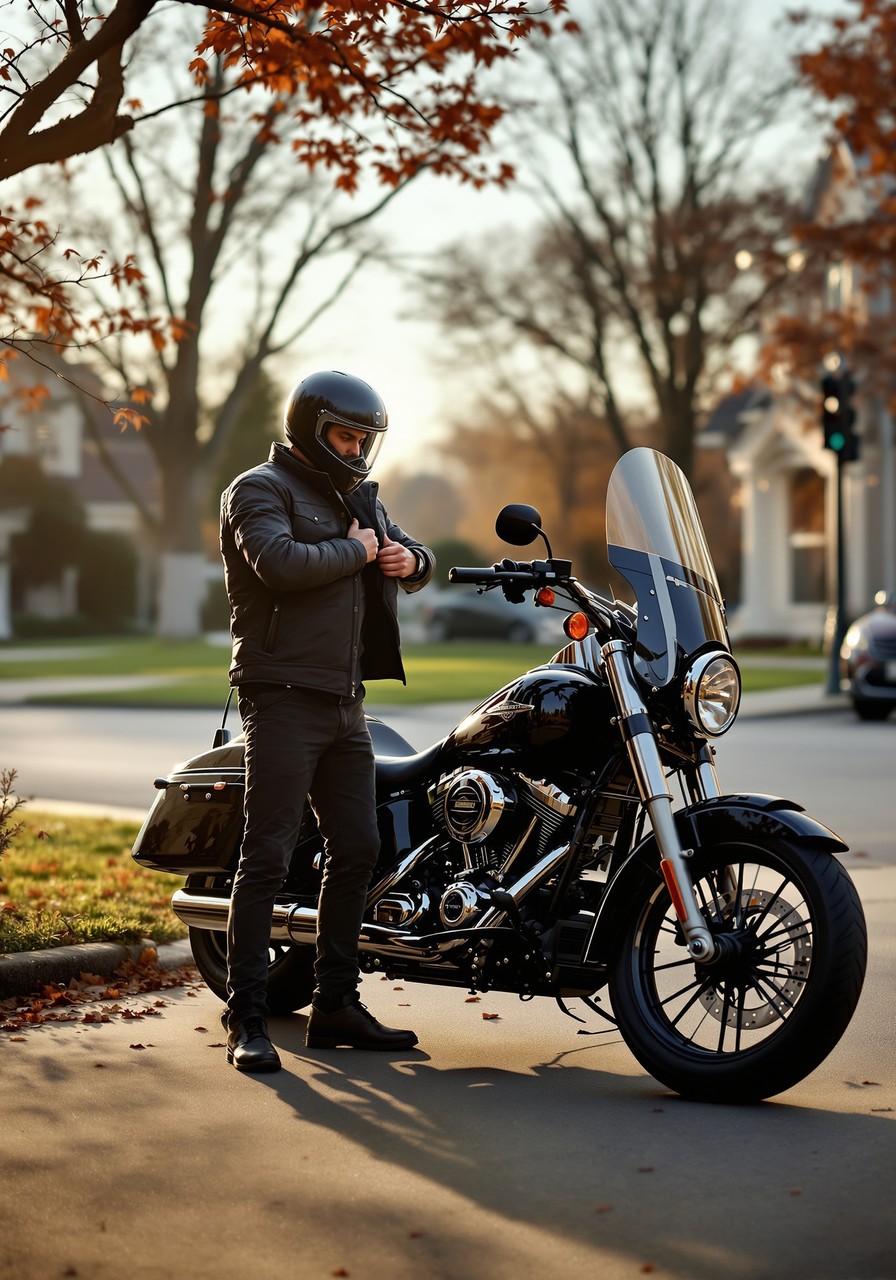
No visible cracks does not mean a helmet is fine after an impact. If it took a hard hit, retire it. Your head is not the place to save money. #RideNationKY #GearUp #ATGATT
Safety & KY Law
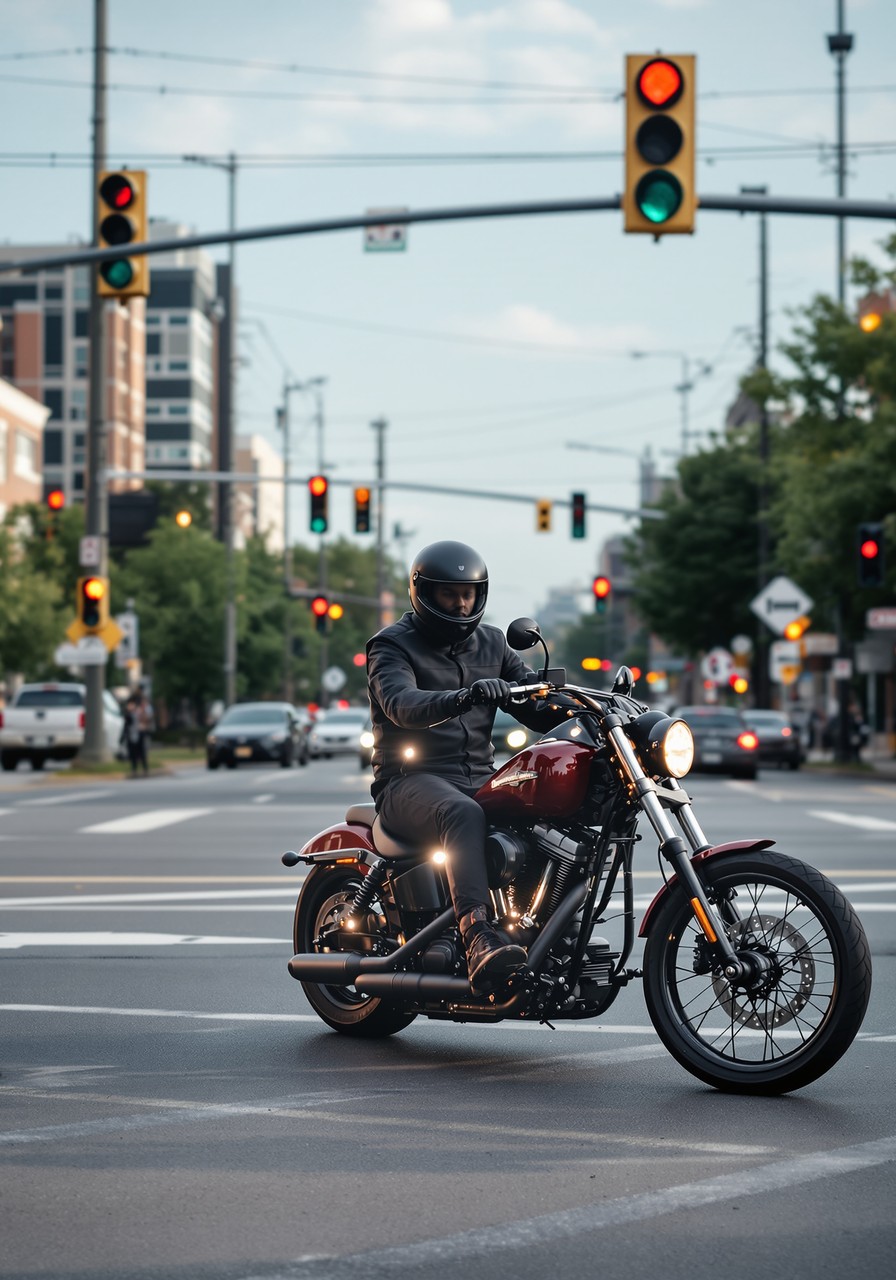
ATGATT is not just a hashtag. Jacket, gloves, boots, and a good lid turn a bad day into a survivable one. #RideNationKY #ATGATT #MotorcycleSafety
Engagement
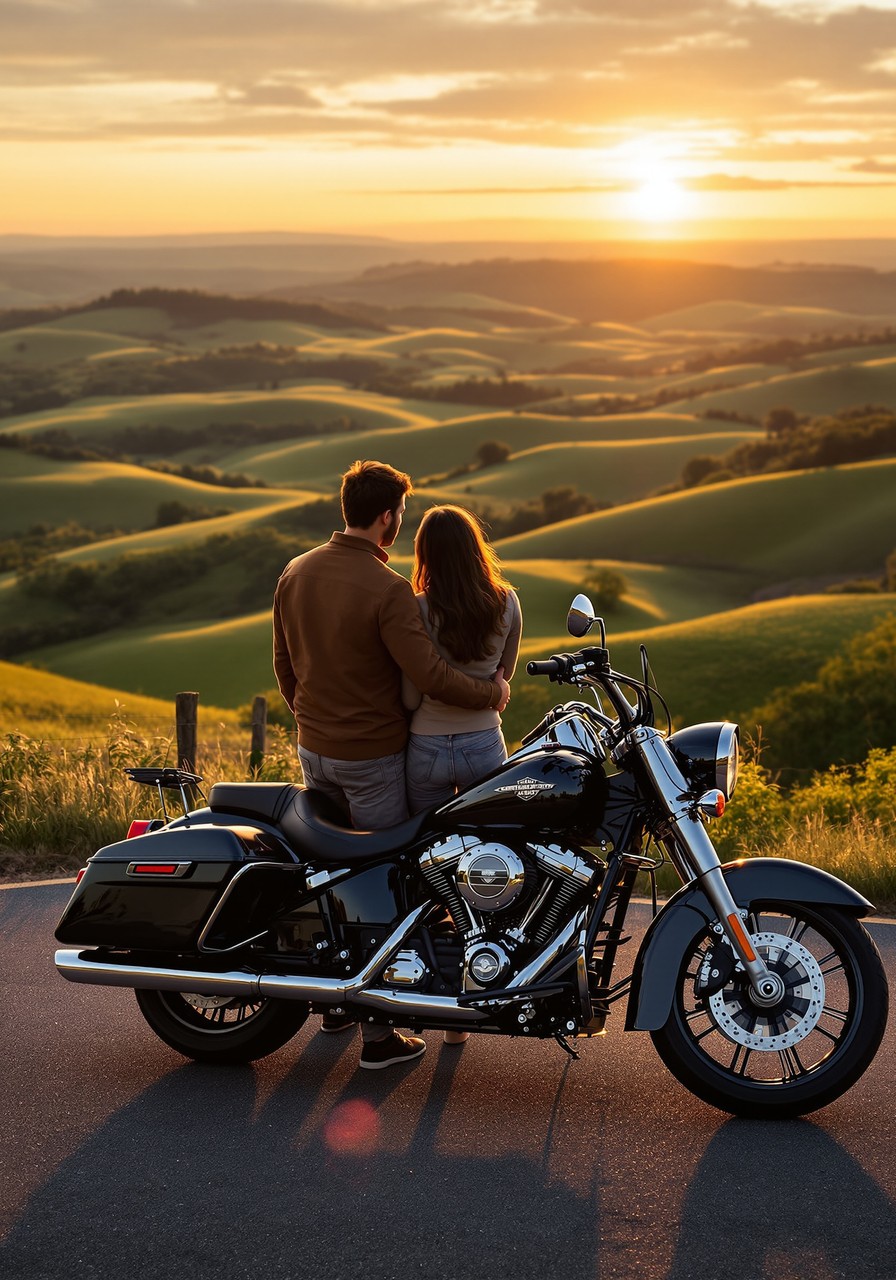
Two-wheel bucket list: name the ride you swear you are finally doing this coming season. #RideNationKY #TwoWheels #BourbonCountry
Giveaway & Countdown
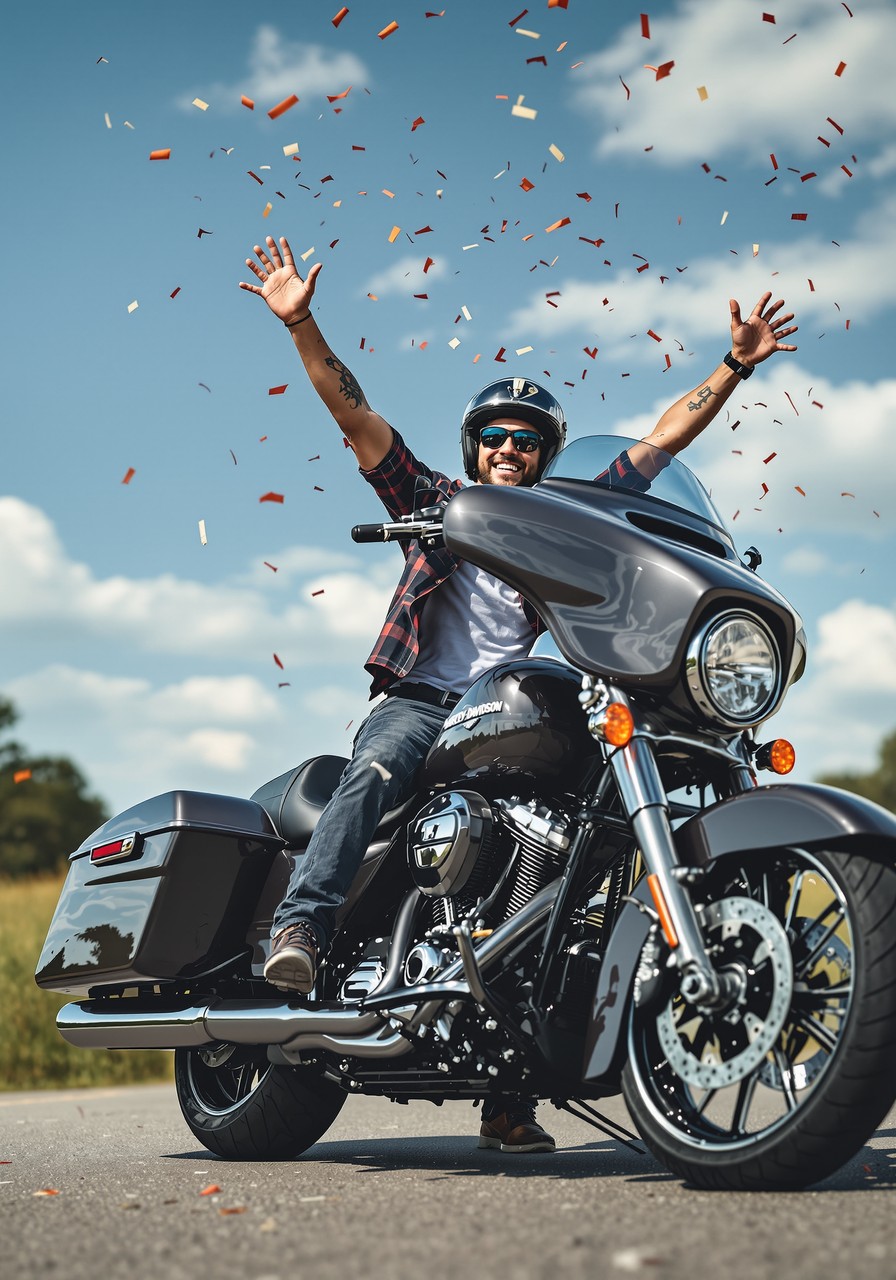
Countdown is heating up. Get your name in the BikersWin $20,000 giveaway and keep the good vibes rolling, Kentuckiana. #RideNationKY #20kGiveaway #Kentuckiana
Local KY & Rides
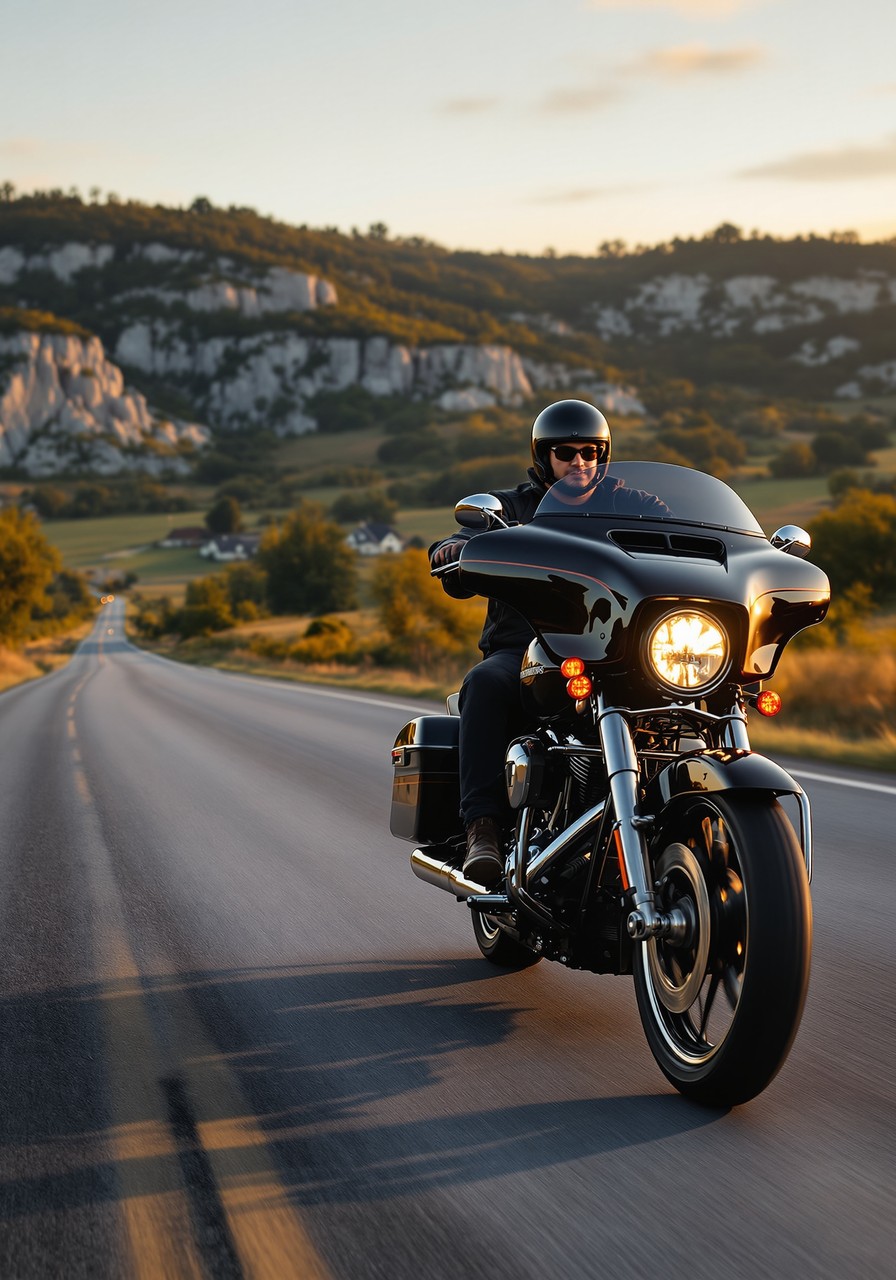
Painted lines and crosswalks turn to glass when they are wet. Downtown corners near the bridges deserve extra caution in the rain. #RideNationKY #DerbyCity #LouisvilleRiders
Gear & New Iron
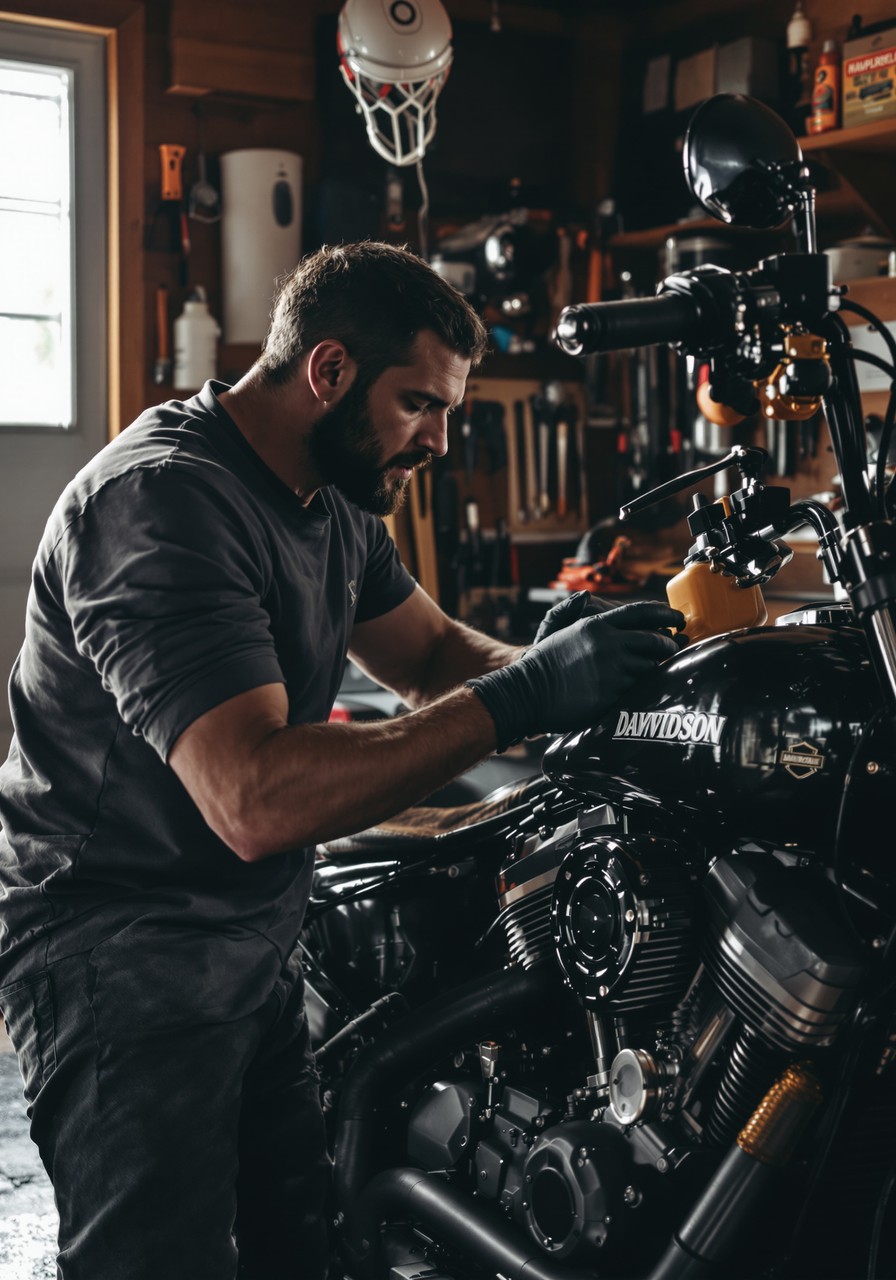
Fuel stabilizer is a few bucks and saves a fortune in carb cleaning. Add it before a long storage stretch and run the engine to mix it in. #RideNationKY #MotorcycleMaintenance #ColdWeatherRiding
Safety & KY Law
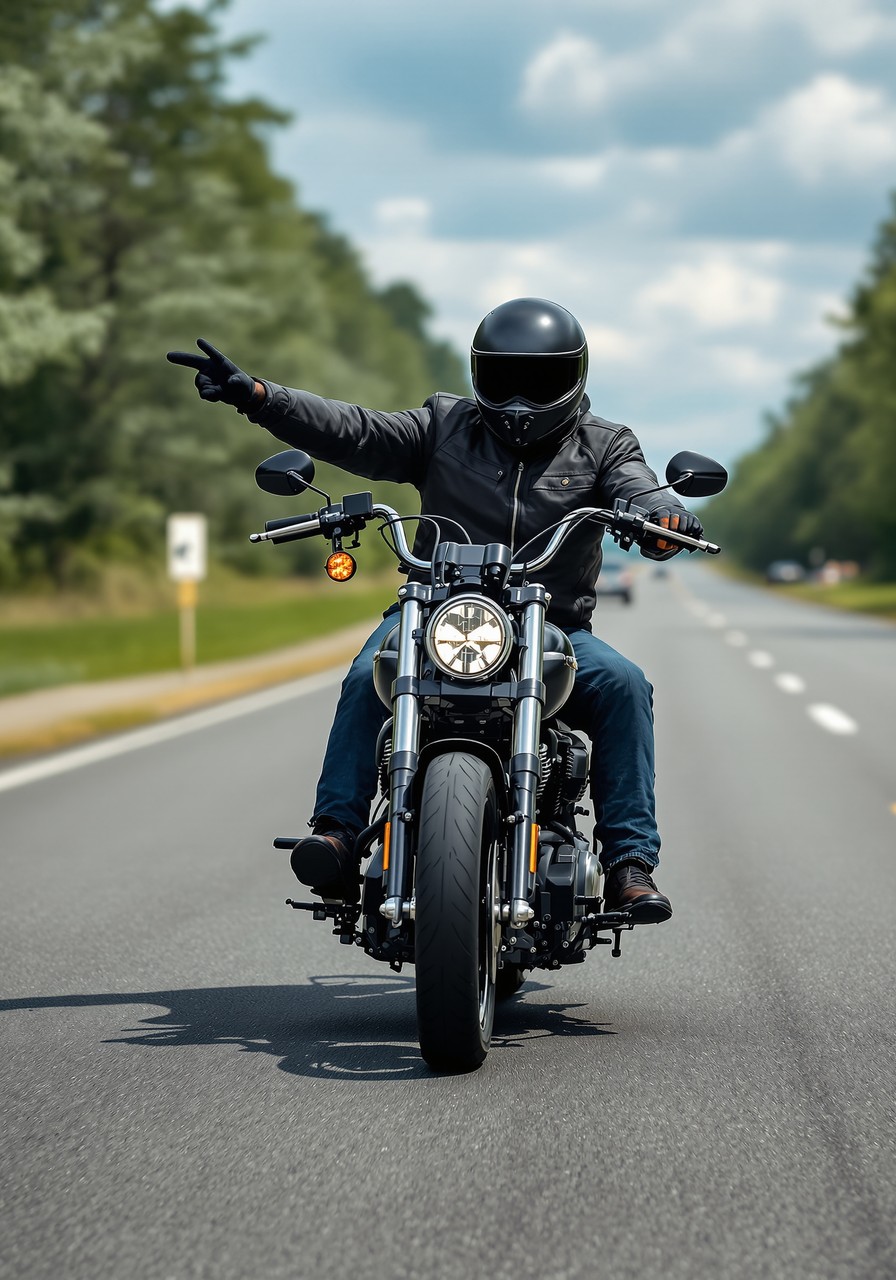
Partly at fault does not mean out of luck in Kentucky. Comparative negligence just reduces recovery by your share. Ask us at trumanlaw.com. #RideNationKY #KnowYourRights #RiderRights
Engagement
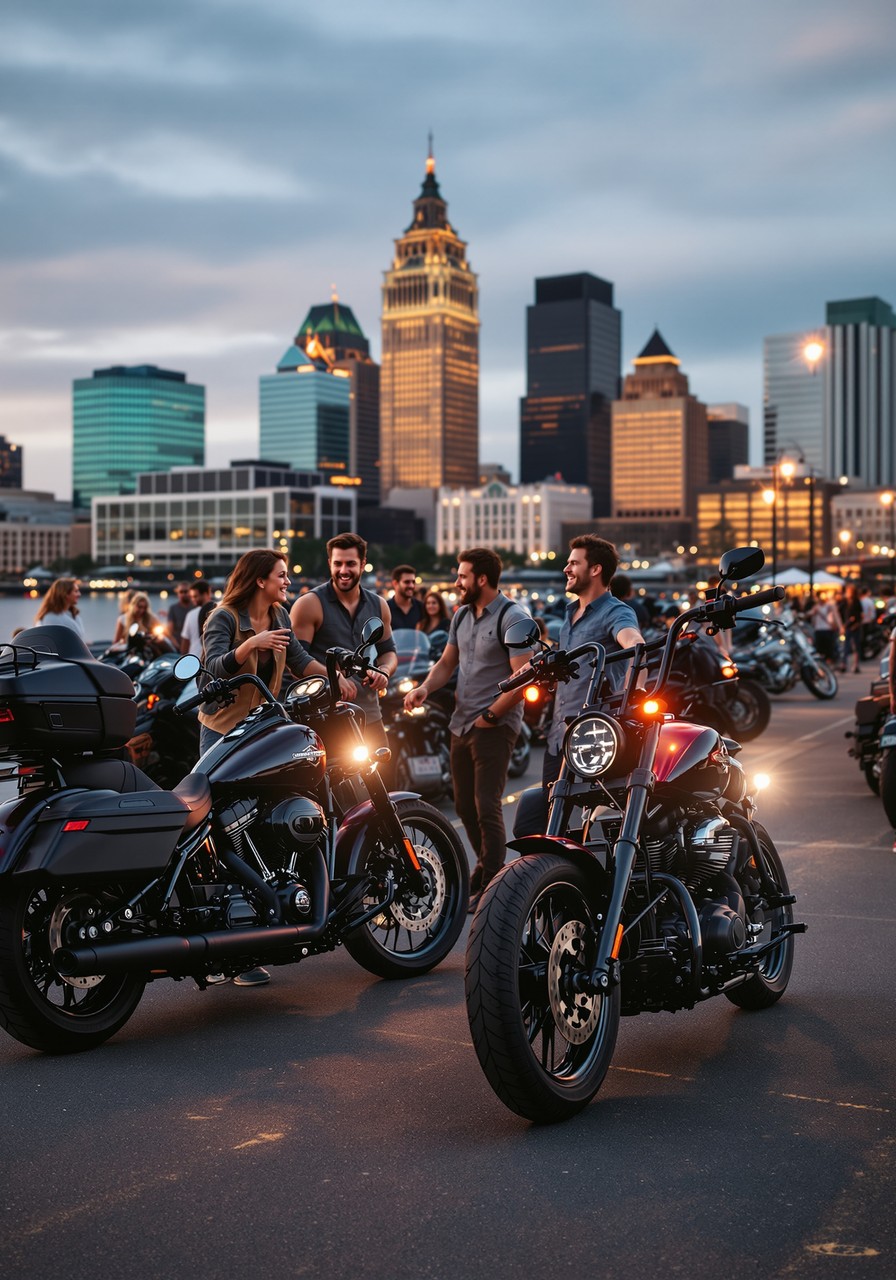
This or that: cruiser rumble or sportbike whine. Which sound is home to you? #RideNationKY #BikerLife #LouisvilleRiders
Giveaway & Countdown
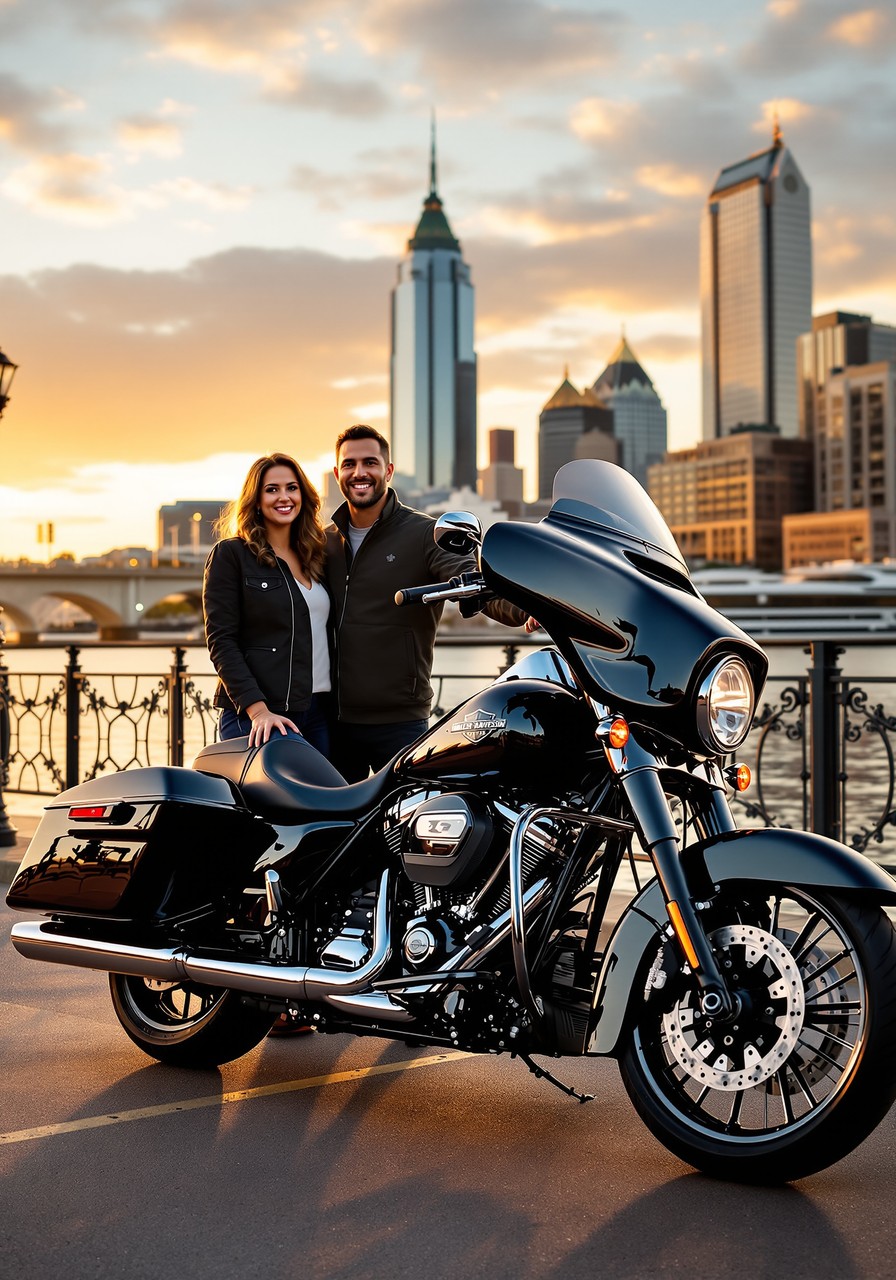
Free case review, free entry, twenty thousand dollars on the table. Ask us anything at (502) 222-2222. #RideNationKY #BikersWin #LouisvilleRiders
Local KY & Rides
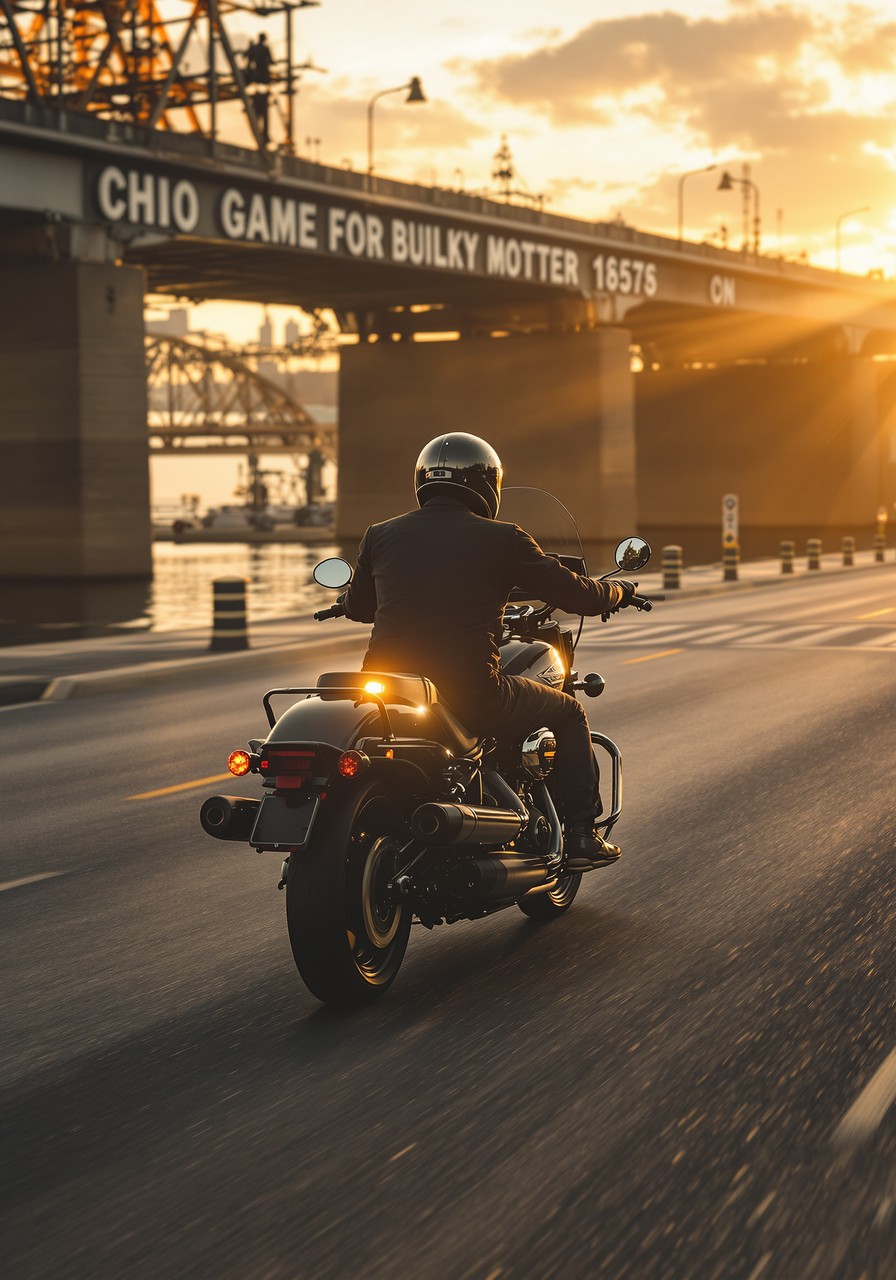
First real warm weekend and the Bourbon Trail parking lots fill with bikes. Go early, ride sober, and enjoy the bluegrass. #RideNationKY #BourbonCountry #KentuckyRiders
Gear & New Iron
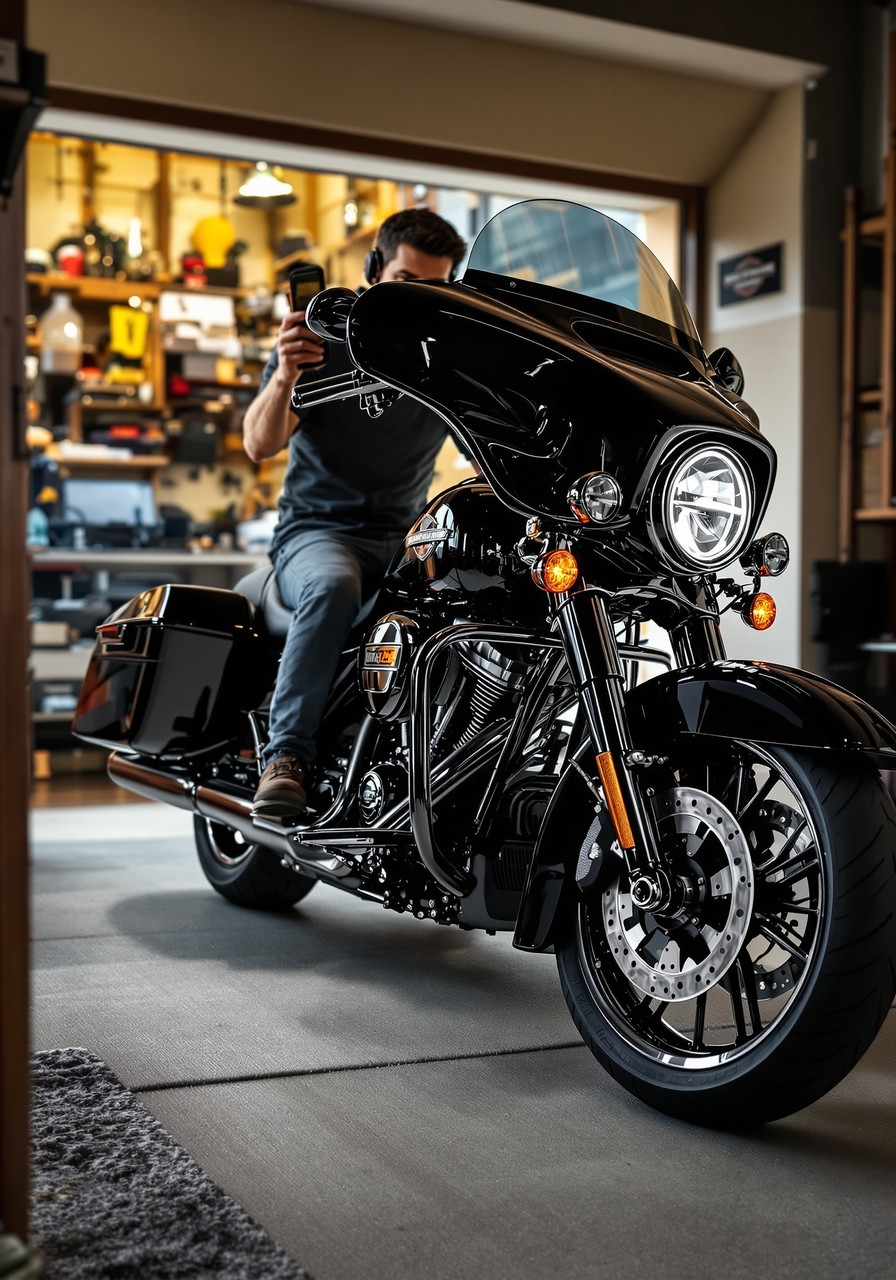
Check your brake pads before the riding season fires back up. If the friction material is thin, swap them before you need them, not after. #RideNationKY #MotorcycleMaintenance #RiderTips
Safety & KY Law
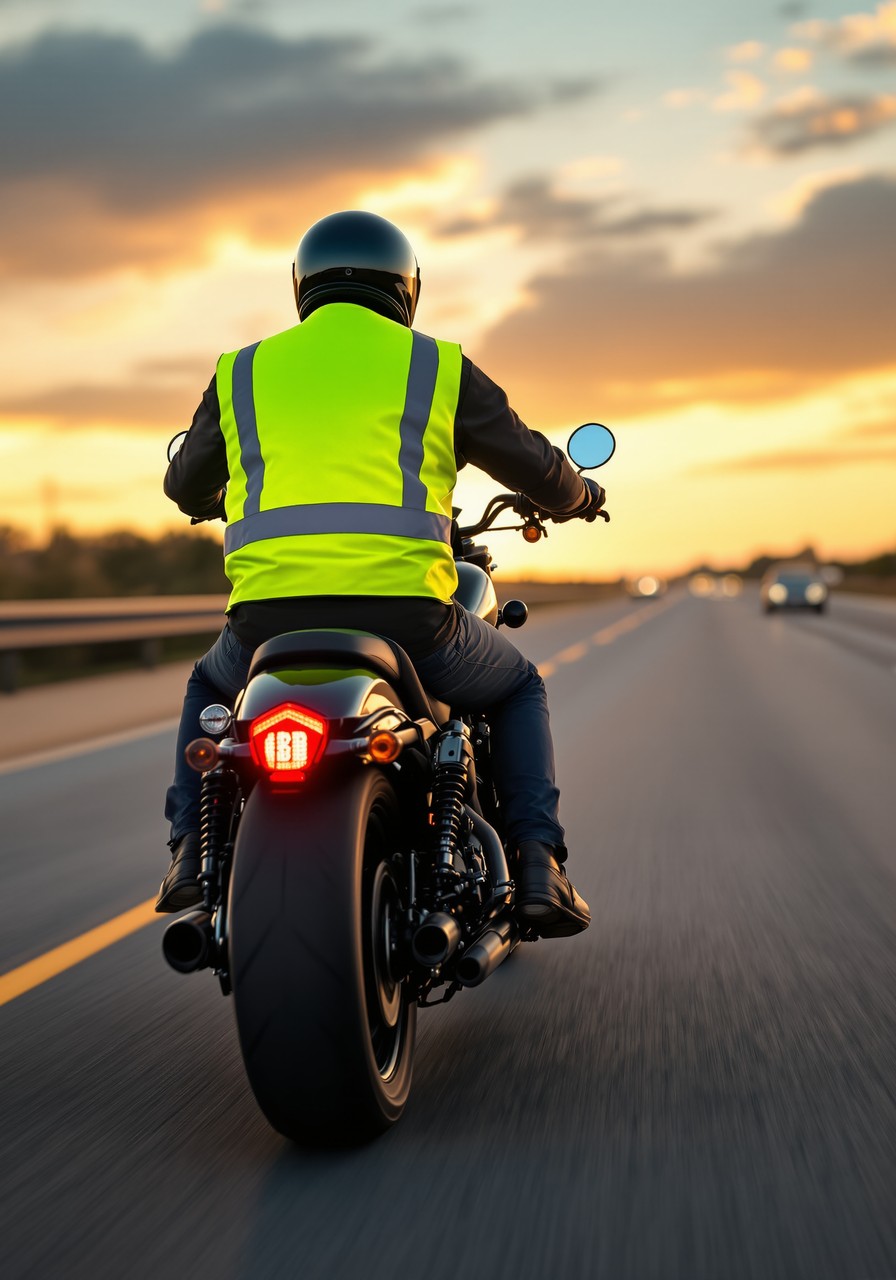
Fresh rain on old oil at a Louisville intersection is a trap. Ease the brakes and stay upright through the light. #RideNationKY #MotorcycleSafety #Kentuckiana
Engagement
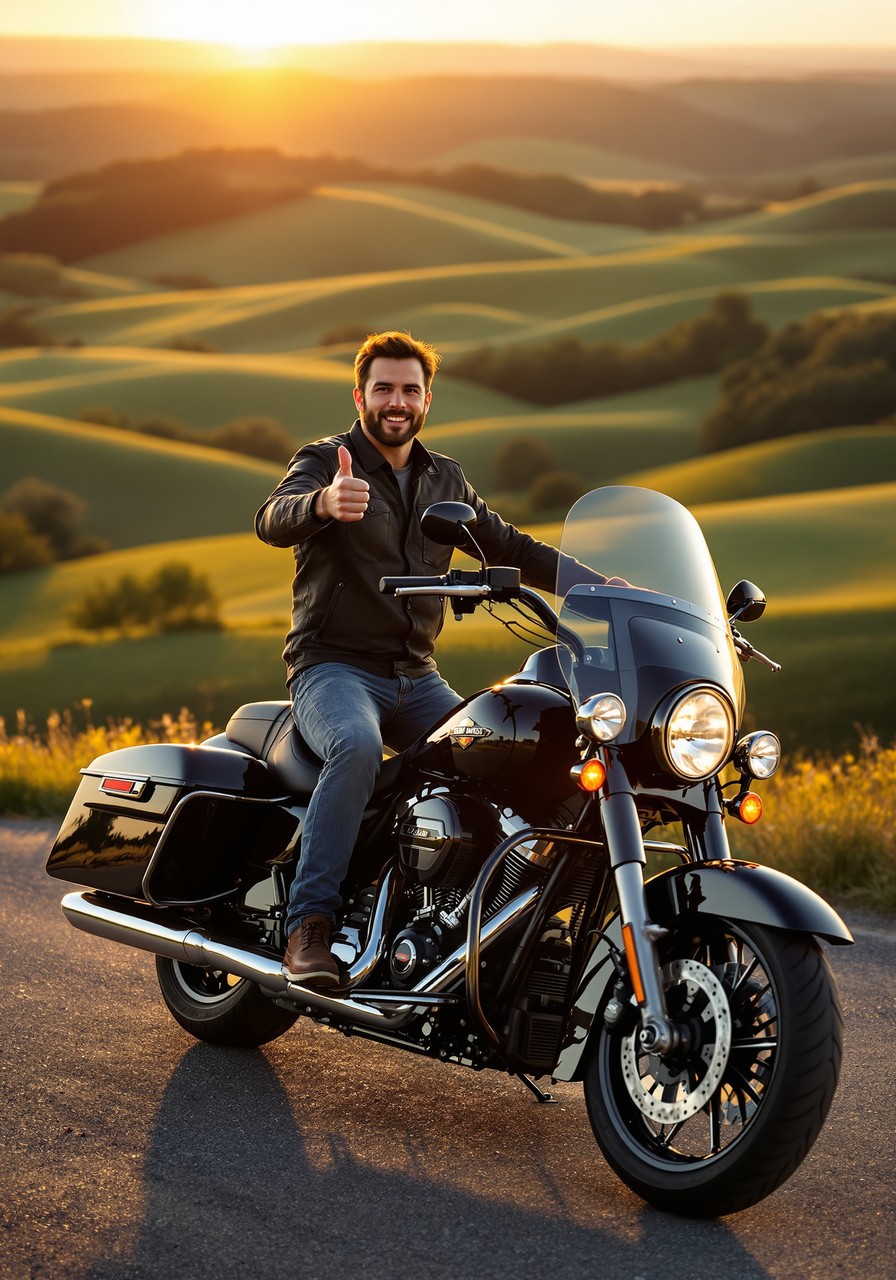
Tag the friend you would trust to lead a Derby City ride with no map and no plan. #RideNationKY #DerbyCity #RideOrDie
Giveaway & Countdown
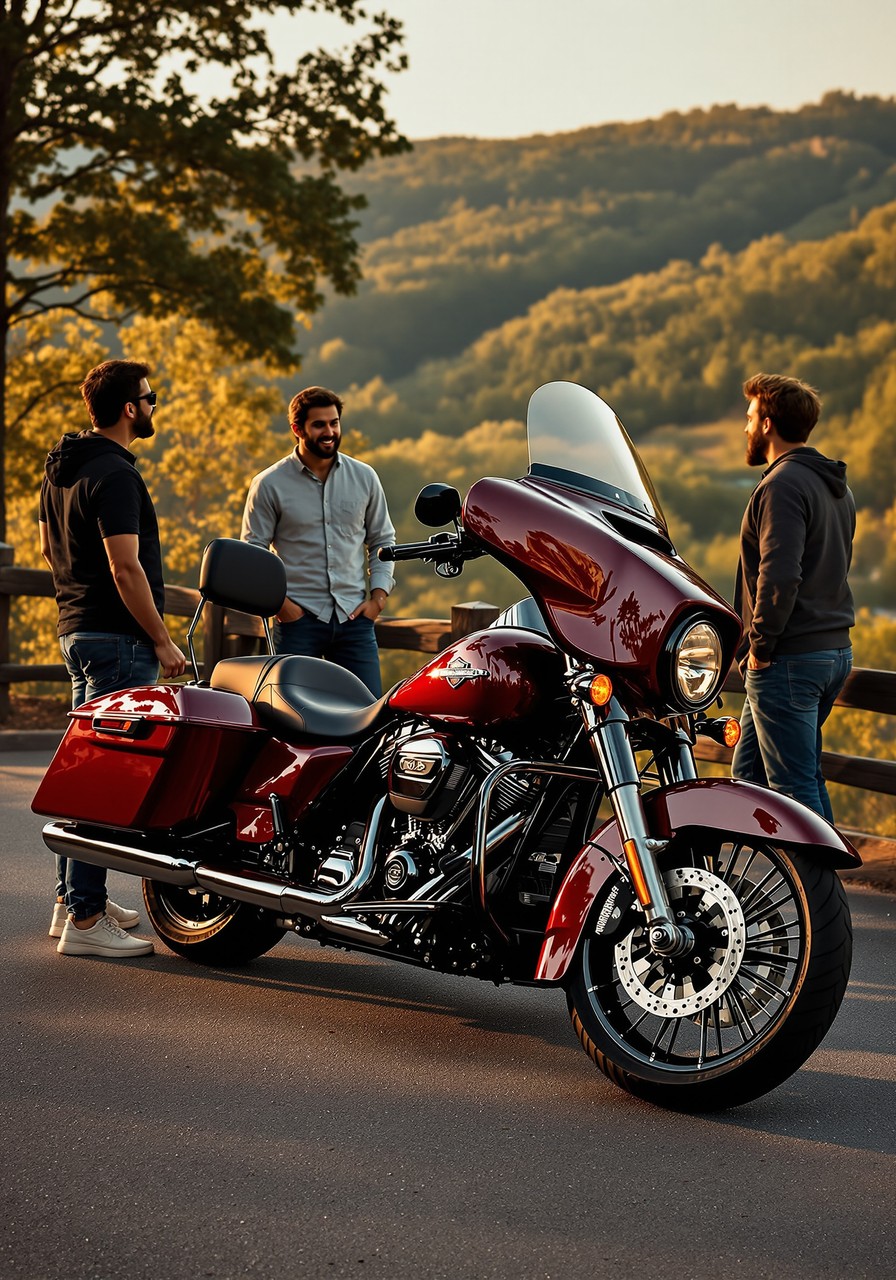
Share it far and wide, Ride Nation. Every rider in Louisville deserves a shot at the $20,000 giveaway. #RideNationKY #MotorcycleGiveaway #LouisvilleRiders
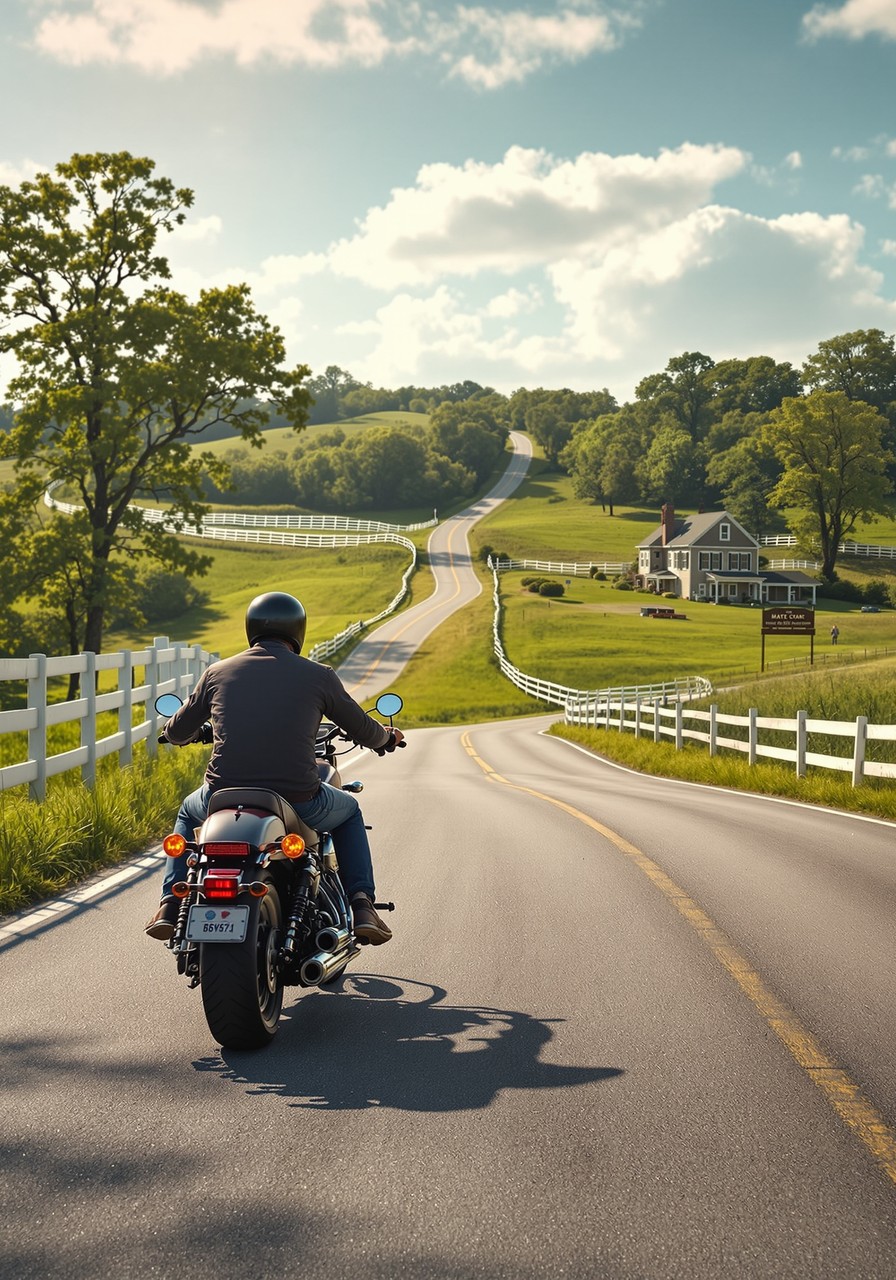
Local KY & Rides
Late fall means less daylight and more deer on the countryside roads out past the farms. Get your ride in before dusk. #RideNationKY #KentuckyRiders #MotorcycleRoads
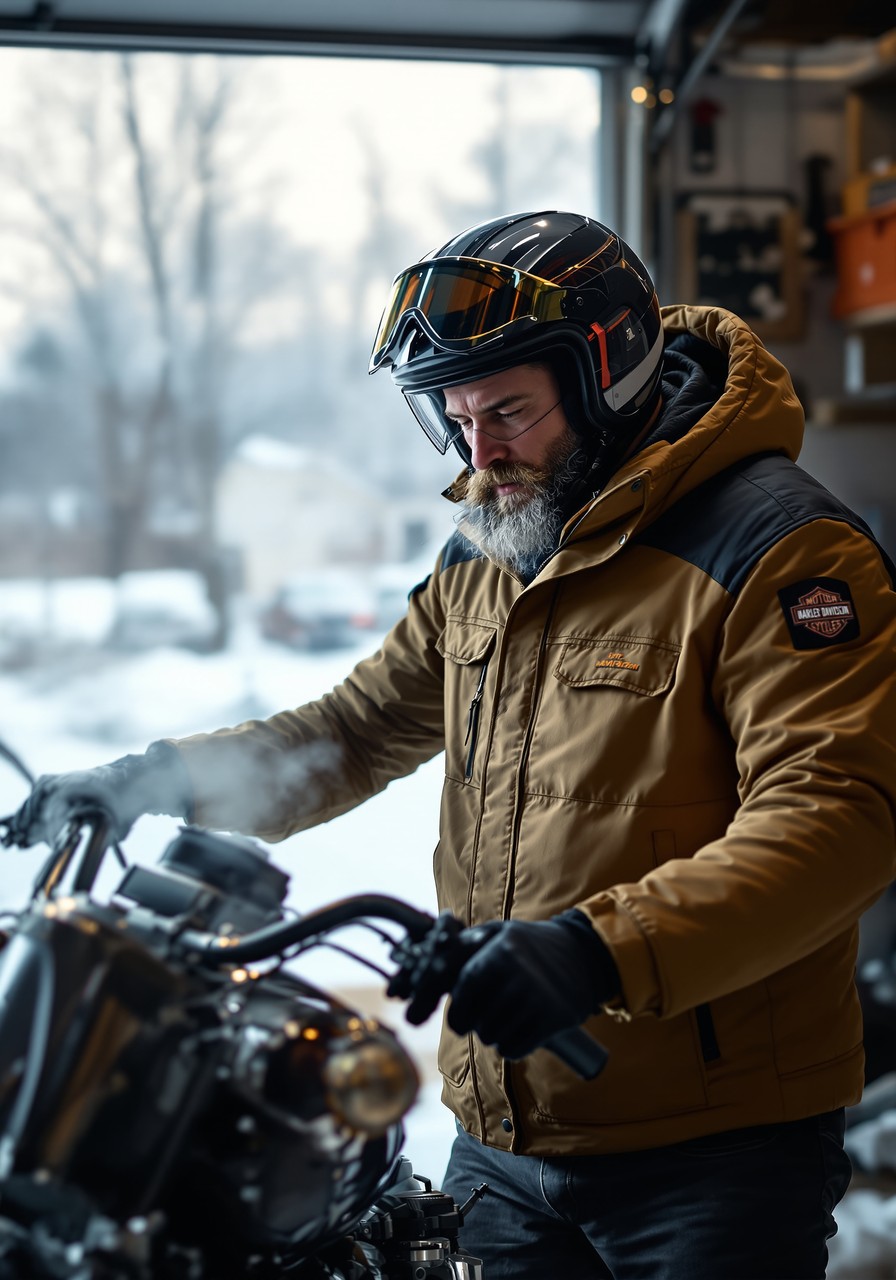
Gear & New Iron
Night rides in winter come early. Reflective piping and a clean, clear visor help drivers pick you out under headlights. Be a bright dot, not a shadow. #RideNationKY #GearUp #RiderTips
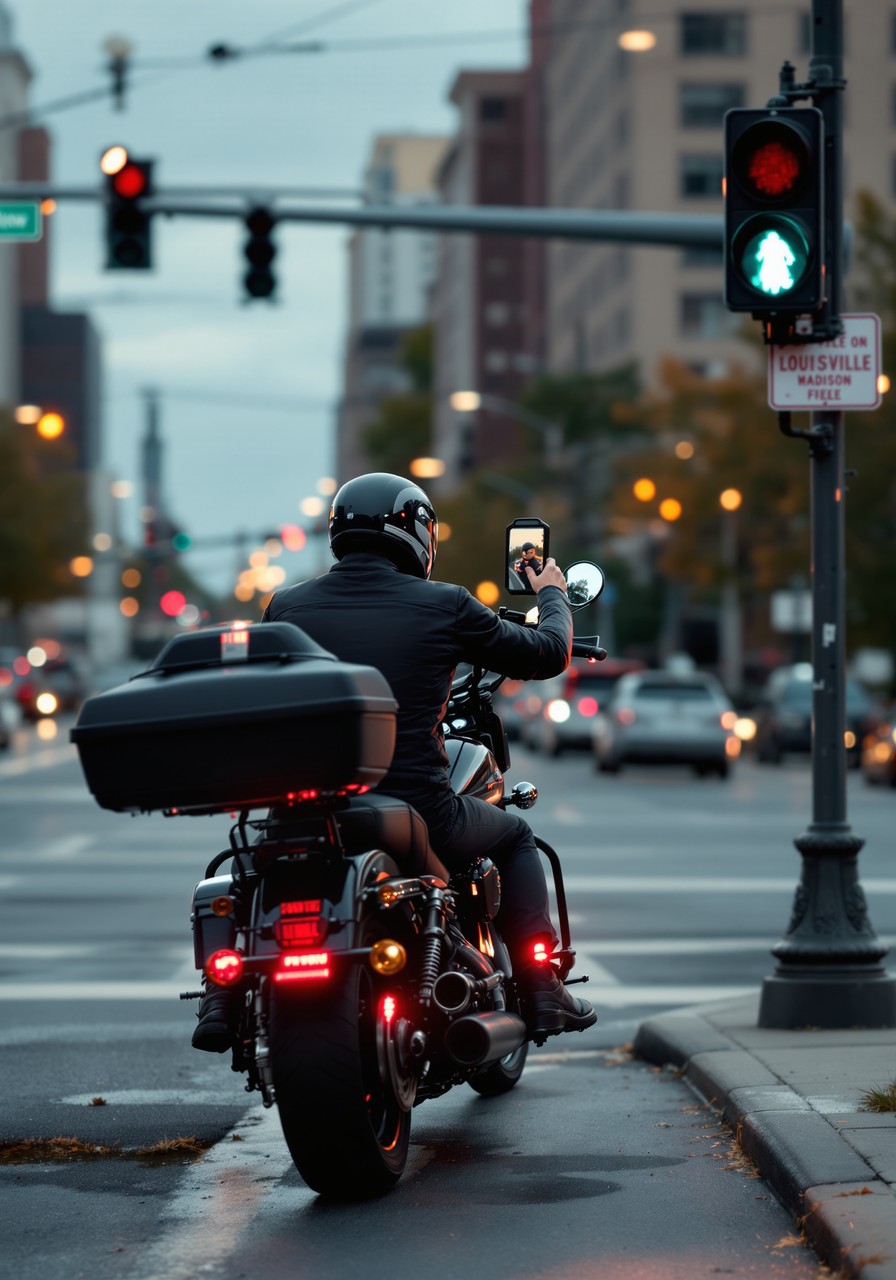
Safety & KY Law
Riding over 21 with a full year licensed? Kentucky lets you choose on the helmet. Choosing it anyway is still the smart call. #RideNationKY #MotorcycleSafety #ATGATT
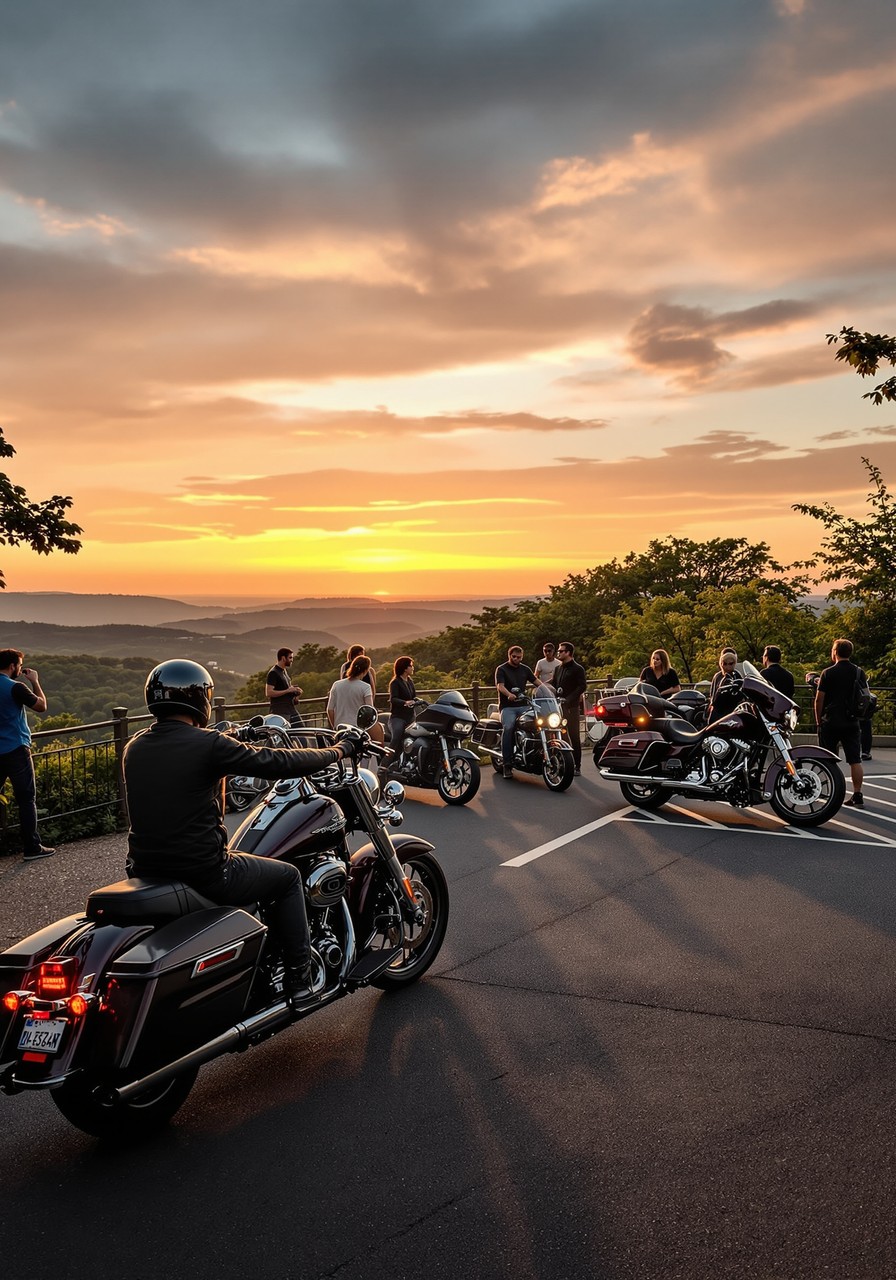
Engagement
Fill in the blank: my favorite thing about riding in Kentuckiana is ______. #RideNationKY #Kentuckiana #KentuckyRiders
Giveaway & Countdown
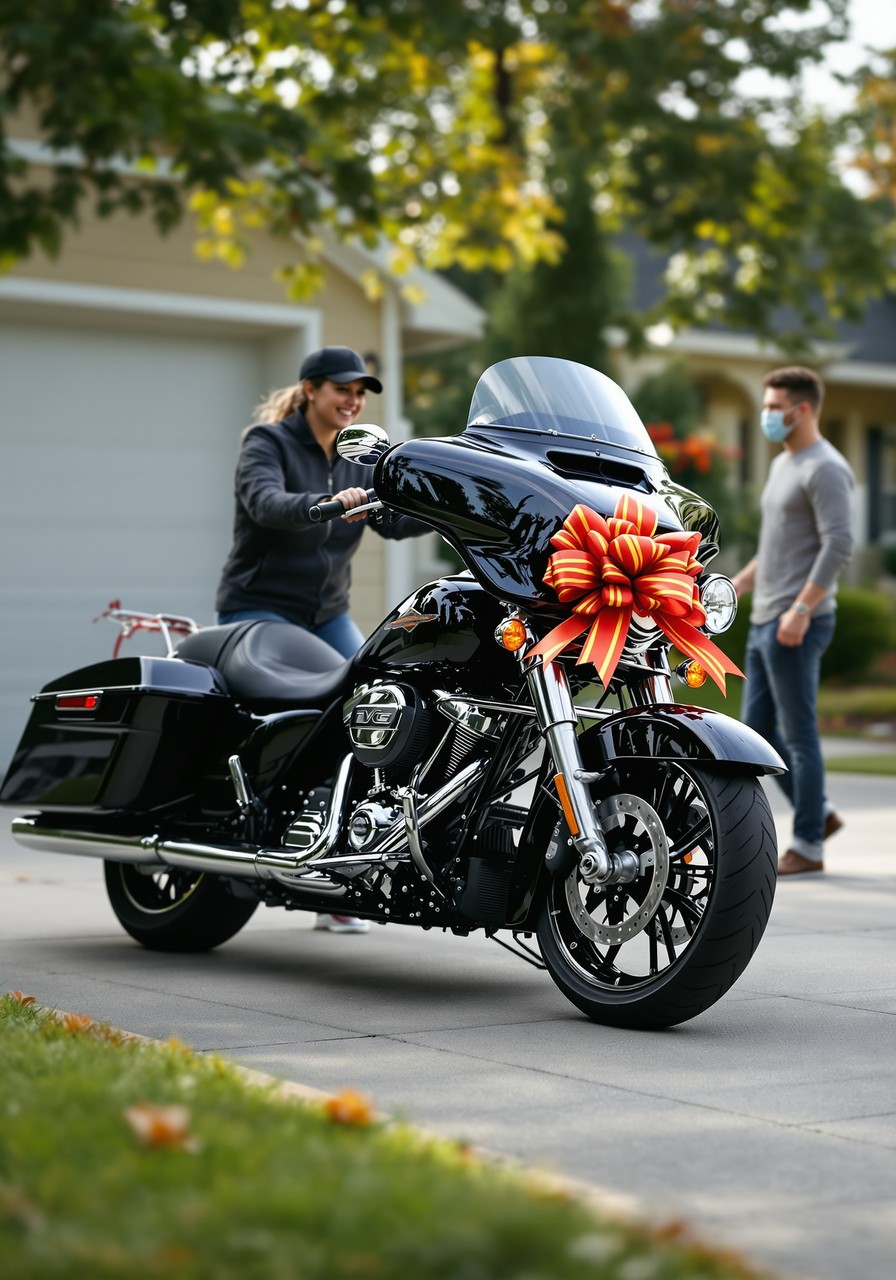
The finish line for the BikersWin $20,000 giveaway is coming into view. Make sure you are in the race. #RideNationKY #20kGiveaway #KentuckyRiders
Local KY & Rides
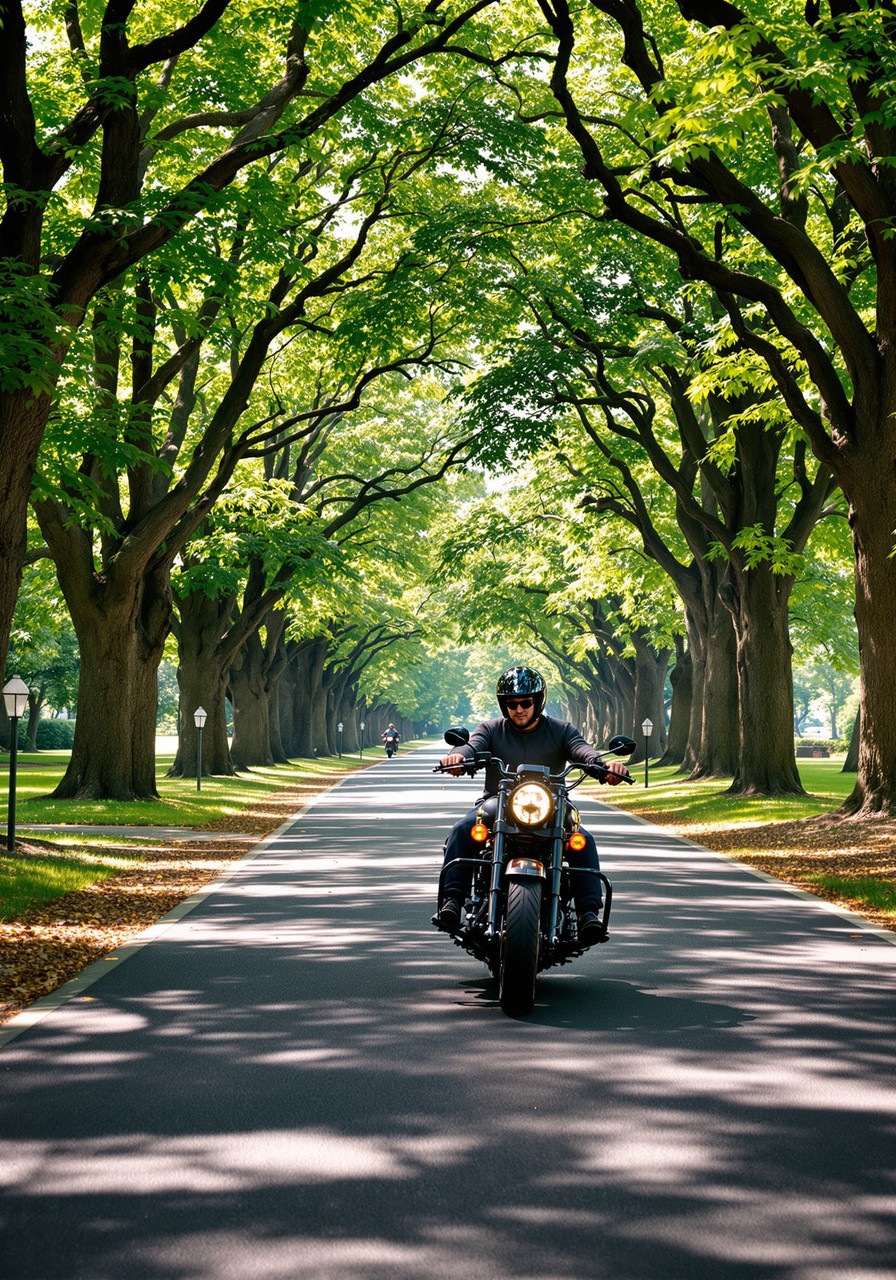
The Gene Snyder to Bernheim run is a clean way to escape the city for a couple hours. Slab out, backroads back. #RideNationKY #LouisvilleRiders #MotorcycleRoads
Gear & New Iron
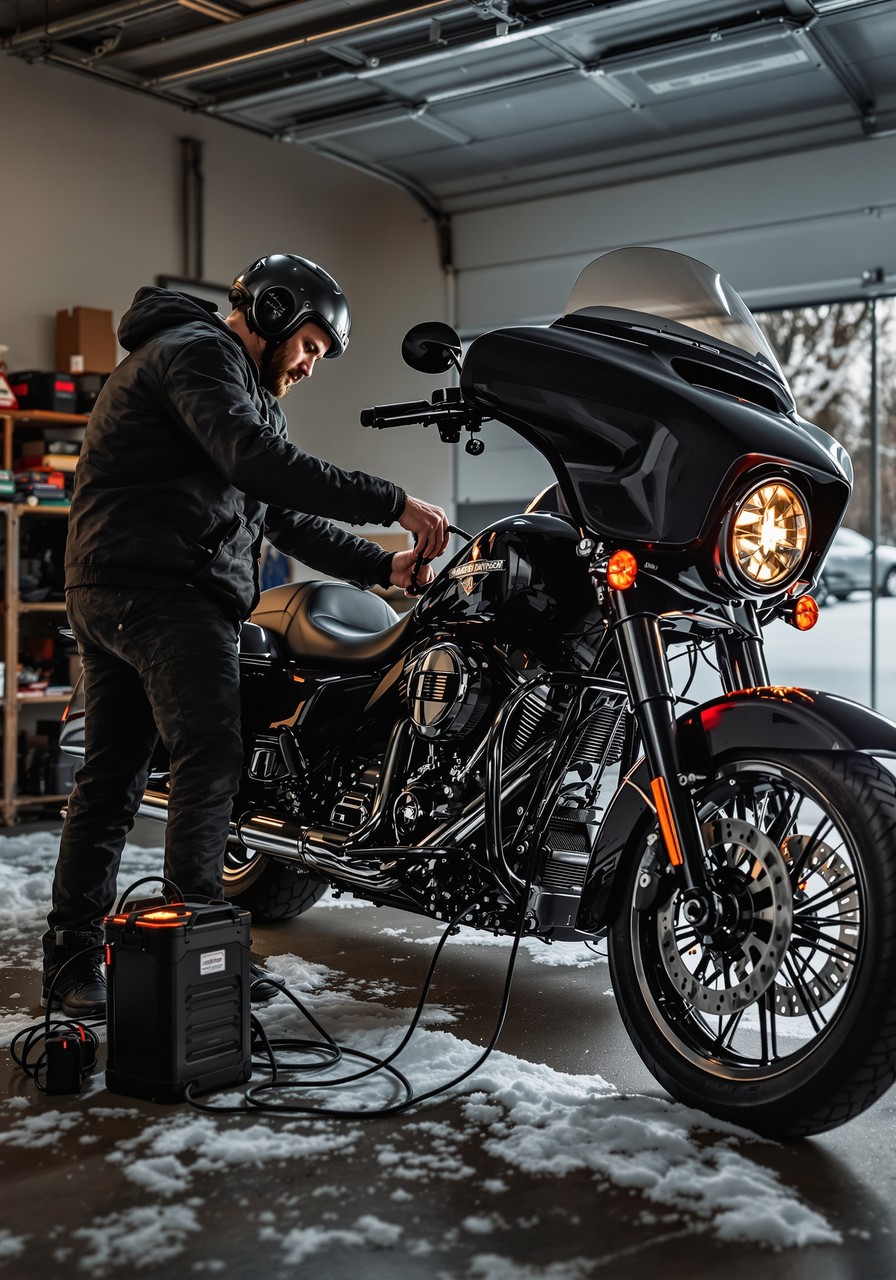
After a salty winter ride, hit the wheels, fork lowers, and underside with fresh water and dry it well. Salt does its damage sitting overnight. #RideNationKY #ColdWeatherRiding #MotorcycleMaintenance
Safety & KY Law
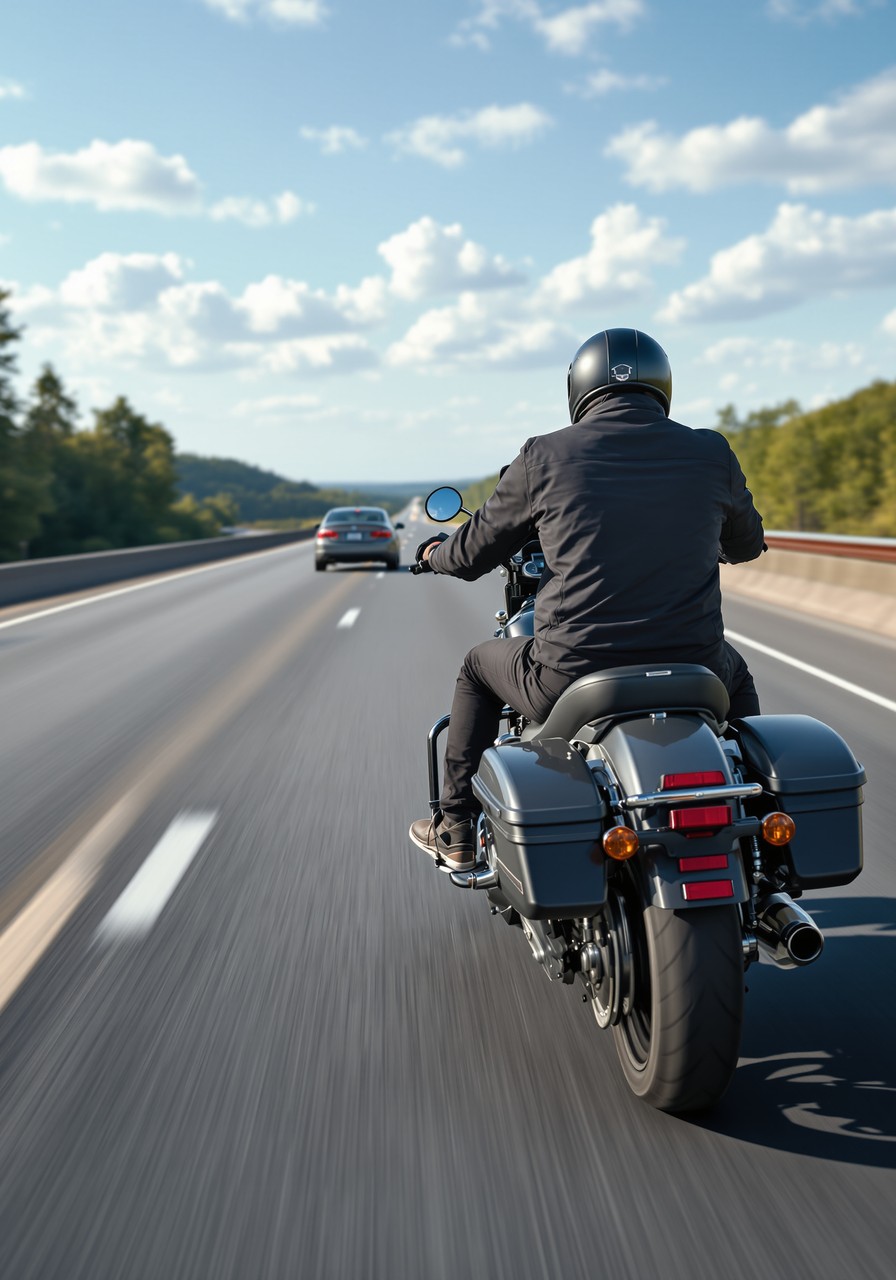
After any crash, get names, photos, and witness numbers before they leave. Evidence fades fast. Details win claims. #RideNationKY #KnowYourRights #RiderRights
Engagement
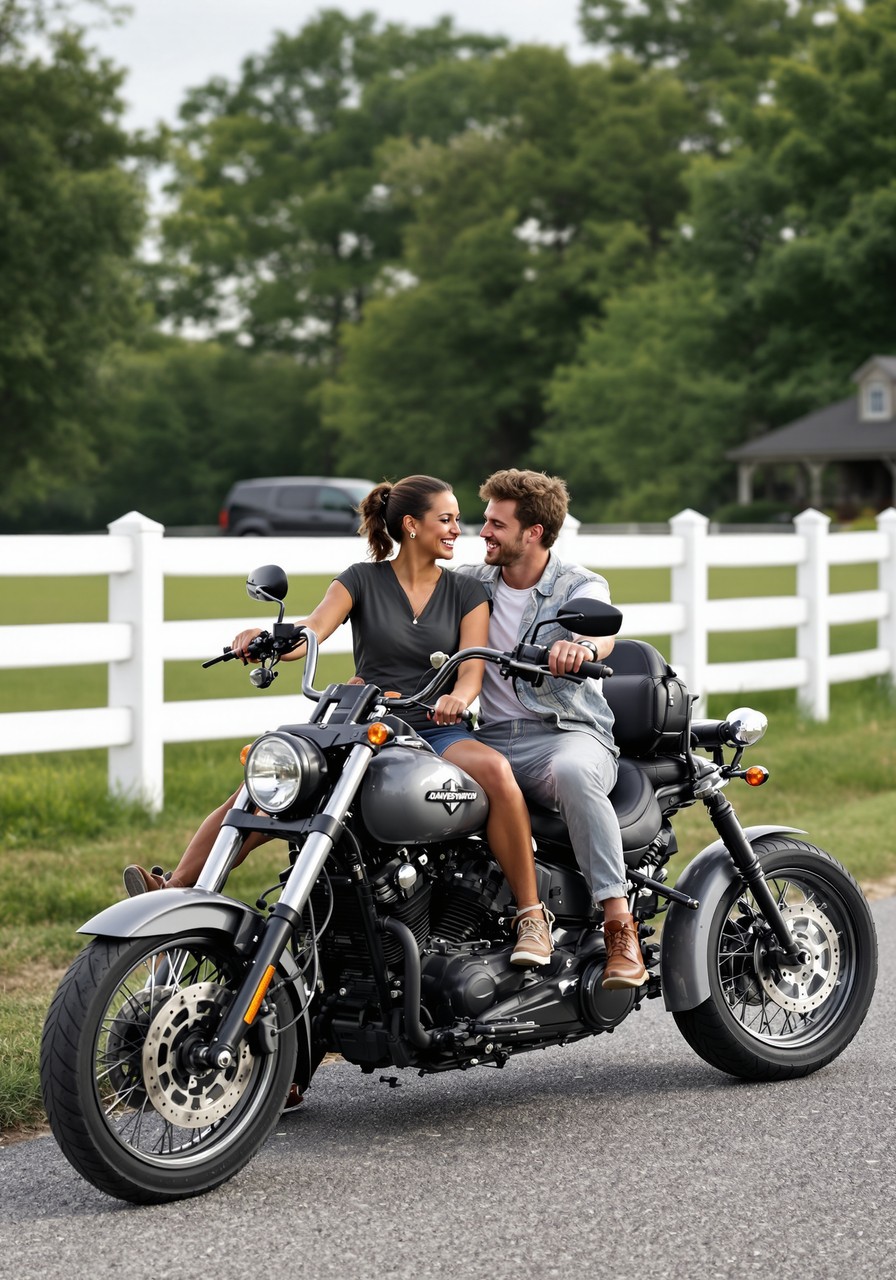
Caption this: the whole crew pulled over just to watch the sun drop over the Ohio River. #RideNationKY #LouisvilleRiders #TwoWheels
Giveaway & Countdown
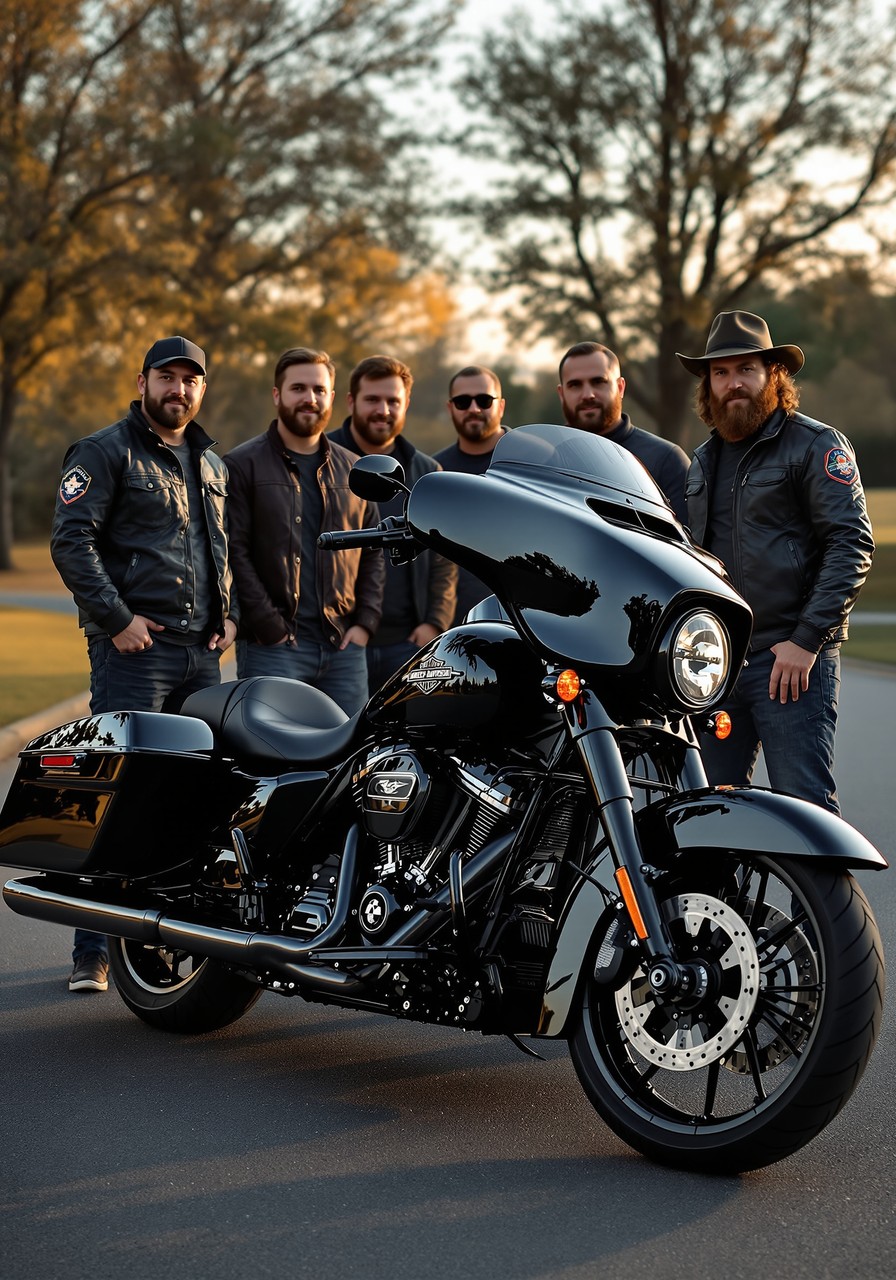
Talk to Karl Truman Law about your motorcycle crash and you are entered in the $20,000 giveaway, no cost. Call (502) 222-2222 today. #RideNationKY #BikersWin #Kentuckiana
Local KY & Rides
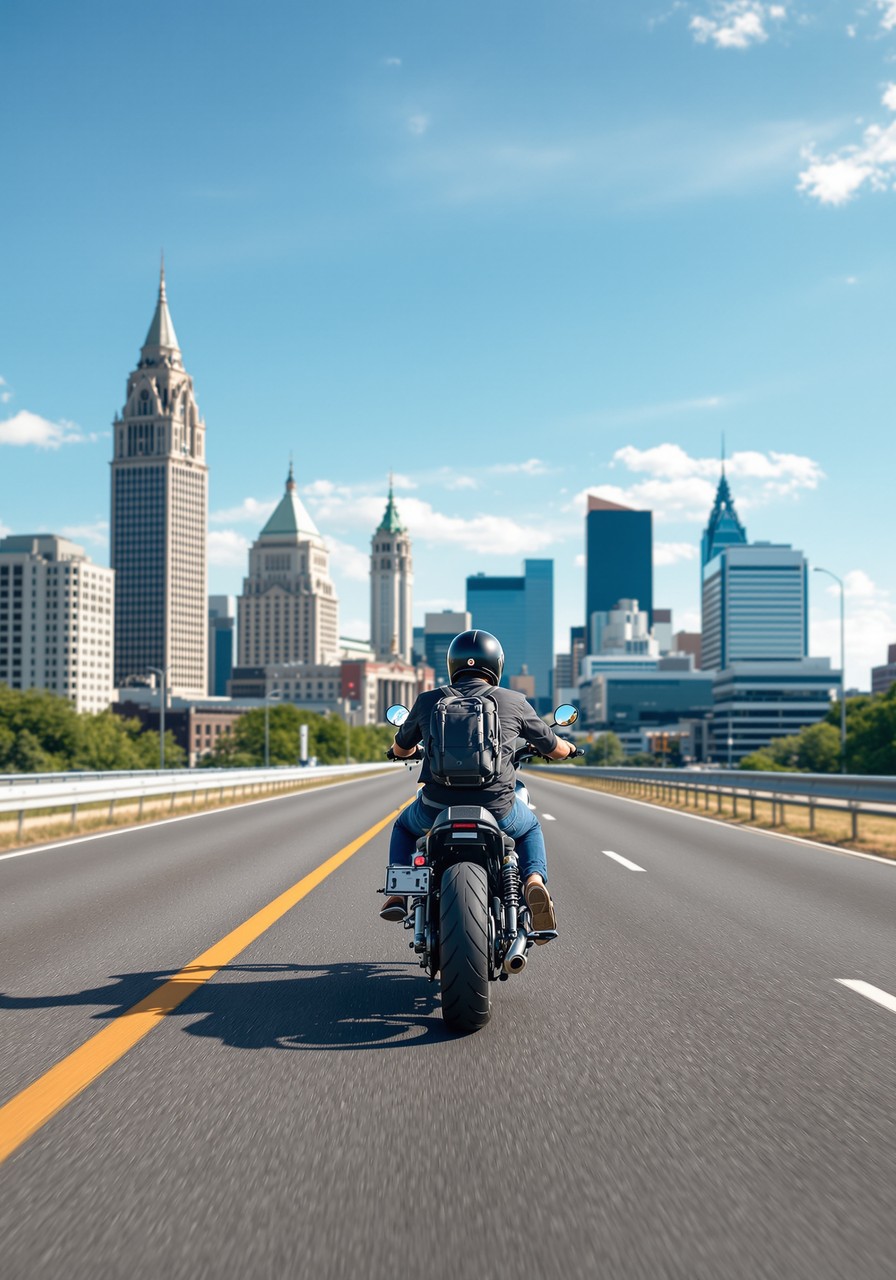
Cold snap coming. Give the bike its winter tuck and start building the group text for the first spring ride through bourbon country. #RideNationKY #BourbonCountry #KentuckyRiders
Gear & New Iron
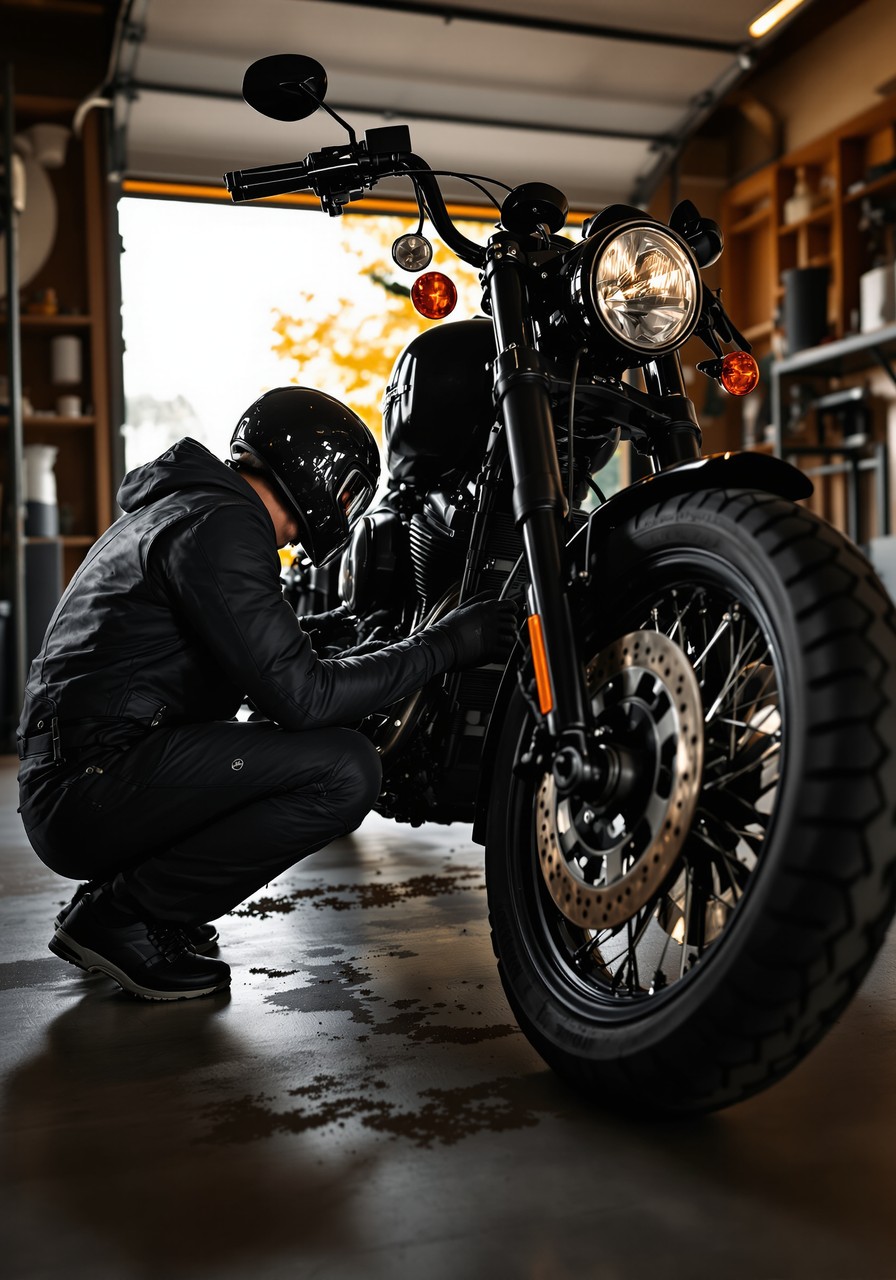
New model buzz is fun, but the best bike is the one that fits your body and your riding. Try the new iron, then judge it by fit and feel, not the hype. #RideNationKY #NewIron #BikerLife
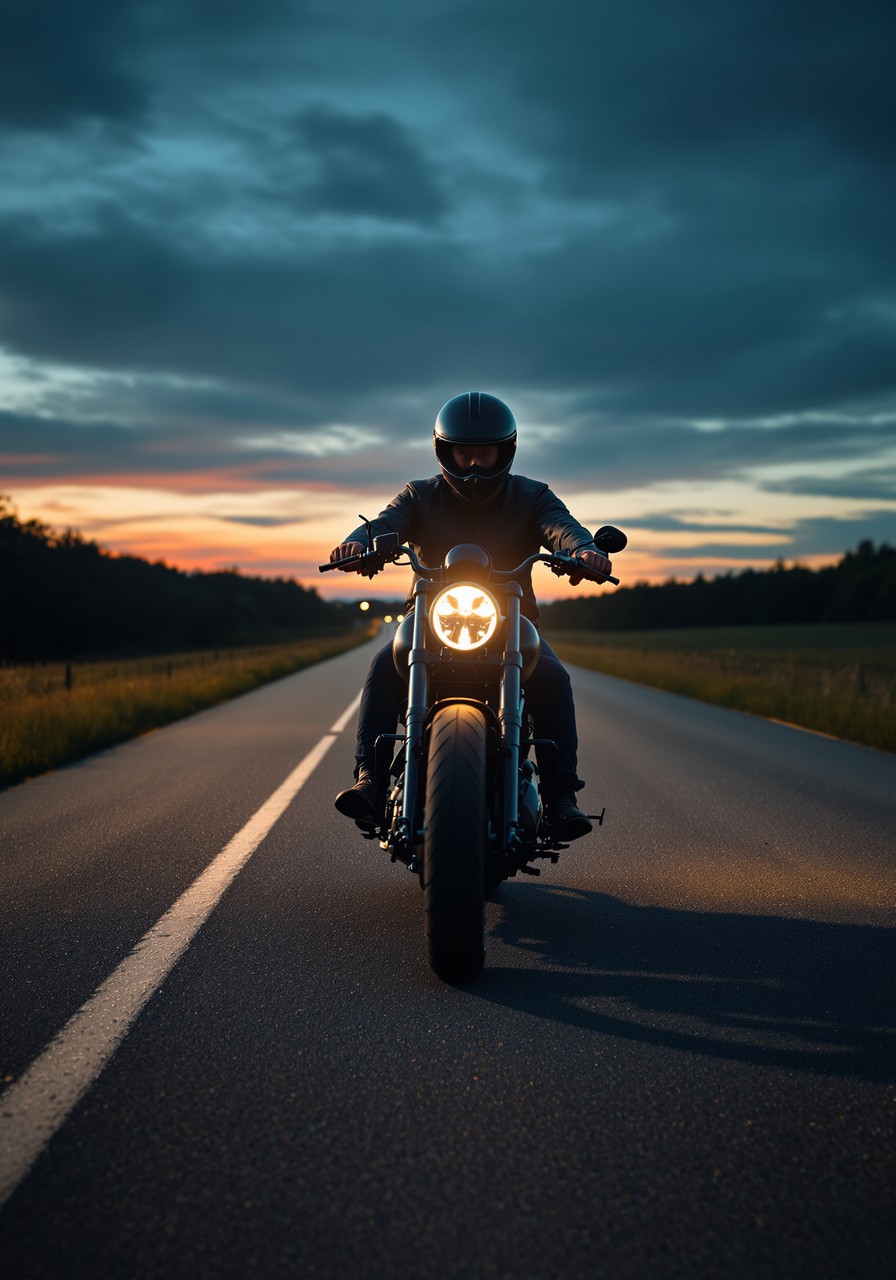
Safety & KY Law
Your bike has no no-fault coverage in Kentucky, so a solid health plan plus UM/UIM is your safety net. Review it at trumanlaw.com. #RideNationKY #RiderRights #KentuckyRiders